

Does upper arm muscle pain go away on its own?
Upper arm muscle ache often improves on its own—especially when caused by mild strain, posture, or overuse. Most cases resolve within a few days to 2 weeks with rest and basic care. However, recovery time depends on the underlying cause and how the muscle is managed during healing.
- Mild strain or fatigue: 2–5 days
- Moderate strain: 1–2 weeks
- Tendon irritation or inflammation: Several weeks if untreated
- Nerve-related pain: May persist until the root cause is addressed
Factors that affect healing speed include activity level, posture, circulation, sleep quality, and whether the muscle continues to be strained.
Red flags early on: Pain that worsens over time, includes numbness or tingling, or doesn’t improve after 1–2 weeks may signal something beyond simple muscle soreness.
Upper Arm Muscle Pain: Causes, Symptoms, Relief & When to Worry
⏱ 7 min read
Upper arm muscle pain can build gradually from everyday habits—working at a laptop, lifting groceries, or prolonged phone use. Understanding the causes, symptoms, and effective relief strategies helps restore comfort, prevent recurrence, and protect long-term muscle health.
Upper arm muscle ache relief in daily routines — See it in action
What is upper arm muscle pain? (anatomy and pain types)
Upper arm muscle pain refers to discomfort in the region between the shoulder and elbow, primarily involving the biceps (front) and triceps (back). These muscles are responsible for lifting, pushing, and stabilizing arm movement.
Upper arm muscle anatomy overview
The biceps control bending of the elbow, while the triceps extend the arm. Both are supported by tendons and connective tissue that can become irritated or inflamed under stress.
Types of pain (sharp, dull, radiating)
- Dull ache: Often linked to fatigue or overuse
- Sharp pain: May indicate strain or micro-tears
- Radiating pain: Can suggest nerve involvement from the neck or shoulder
Common symptoms explained
- Muscle tightness or stiffness
- Weakness when lifting or pushing
- Pain during movement or stretching
- Reduced range of motion
Upper arm pain causes (by category with differentiation)
Muscle strain vs overuse
Strain involves small tears from sudden effort, while overuse develops gradually from repetitive motion. Both cause soreness, but strain often feels sharper and more localized.
Tendonitis vs soft tissue inflammation
Tendonitis causes pain near joints and worsens with repeated use, while general inflammation may feel more diffuse and constant.
Nerve compression vs referred pain
Compressed nerves (often from the neck) may cause tingling, numbness, or burning sensations that travel down the arm.
Injury or trauma
Falls or impacts can cause swelling, bruising, and sudden pain. These cases often require more careful monitoring.
Systemic or less common conditions
Less common causes include joint disorders or inflammatory conditions. Persistent or unexplained pain should be evaluated to rule out these possibilities.
Upper arm muscle strain symptoms (how to identify)
Mild vs moderate vs severe strain
- Mild: Slight soreness, minimal limitation
- Moderate: Noticeable pain, reduced strength
- Severe: Sharp pain, swelling, difficulty using the arm
Pain location and movement limits
Strain pain typically worsens with specific movements like lifting or rotating the arm, helping distinguish it from nerve-related issues.
Swelling and weakness signs
- Tenderness when pressing the muscle
- Temporary weakness
- Mild swelling or tightness
Why do my upper arms hurt? (one arm vs both arms)
Pain in one arm causes
Usually linked to localized strain, injury, or repetitive use on one side.
Muscle pain in upper arm both arms
Often caused by posture issues, prolonged sitting, or activities like typing that affect both sides equally.
Systemic vs localized signals
Symmetrical pain may indicate broader issues like posture imbalance or circulation problems, while one-sided pain is typically mechanical or activity-related.
Shoulder and arm fatigue causes
Posture and repetitive strain
Forward head posture and slouching increase tension on upper arm muscles, especially during desk work.
Circulation and muscle overload
Limited blood flow and prolonged muscle use reduce oxygen delivery, leading to fatigue and soreness.
Early warning signs your muscles need support
- Frequent tightness in shoulders and arms
- Burning sensation after light activity
- Reduced endurance
- Recurring soreness without clear cause
How to relieve upper arm muscle pain safely
Immediate relief techniques
- Rest and avoid aggravating movements
- Apply cold packs within the first 24–48 hours
- Use gentle stretching once pain reduces
Cause-based treatment approach
Match your treatment to the cause: rest for strain, posture correction for fatigue, and medical evaluation for nerve-related symptoms.
When heat vs cold works best
Cold reduces inflammation early, while heat helps relax muscles and improve circulation during recovery.
Targeted therapies: heat, massage, and devices
Heat therapy benefits and safety
Heat therapy increases blood flow, reduces stiffness, and promotes muscle relaxation. It’s best used after the initial inflammation phase.
Massage and circulation support
Massage helps release muscle tension and improve circulation, supporting faster recovery and reducing fatigue.
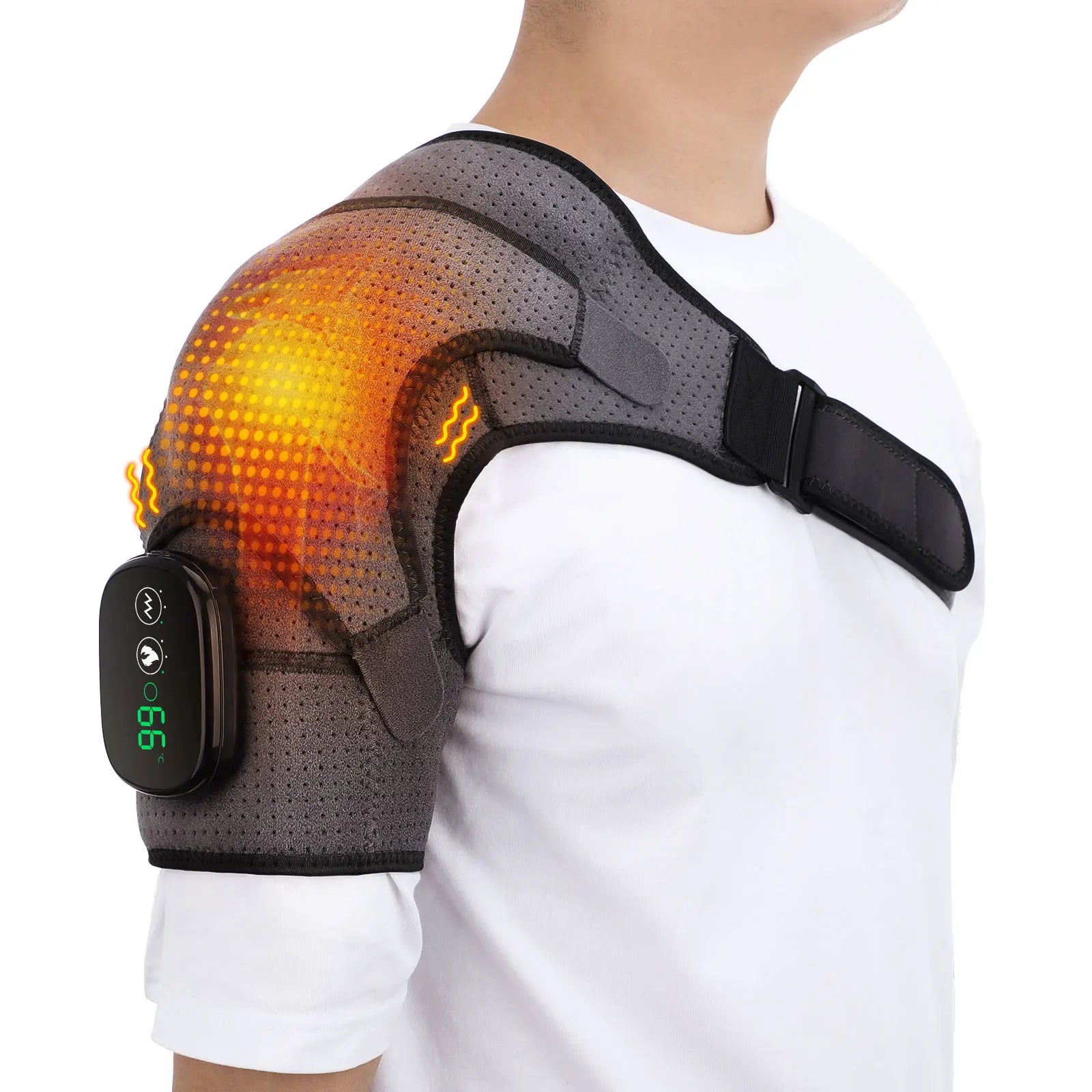
Many people find consistent use of a heated shoulder massager helps:
- Loosen deep tension in shoulders and upper arms
- Reduce fatigue after long days
- Promote faster recovery

Targeted warmth for upper arm muscle pain both arms — See it in action
When to use devices vs manual care
Devices are useful for consistent, targeted therapy, while manual stretching and movement help restore function. Combining both often yields the best results.
Who benefits most
- Desk workers with muscle stiffness
- People with chronic fatigue in shoulders and arms
- Individuals recovering from mild strain
When to see a doctor (red flags checklist)
Urgent symptoms
- Chest pain or difficulty breathing
- Severe, sudden pain after injury
Persistent pain timelines
- Pain lasting more than 1–2 weeks
- Pain that worsens despite rest
Associated symptoms to watch
- Numbness or tingling
- Swelling or redness
- Weakness or loss of function
Prevention: how to avoid recurring upper arm pain
Posture correction
- Keep shoulders relaxed and aligned
- Avoid prolonged forward head posture
Strength and mobility balance
- Stretch regularly
- Strengthen supporting muscles
Work and activity adjustments
- Take frequent breaks during repetitive tasks
- Gradually increase activity intensity
- Use ergonomic setups and tools from Body Care and Health Devices

Everyday recovery from shoulder and arm fatigue — See it in action
Frequently asked questions
What causes sudden upper arm muscle pain?
Sudden pain is often caused by muscle strain, overexertion, or minor injury. In some cases, it may relate to nerve irritation.
Is pain in both upper arms a serious condition?
Not usually. It’s often linked to posture or repetitive strain, but persistent or unexplained pain should be evaluated.
How do I know if it's muscle strain or nerve pain?
Muscle strain pain is localized and movement-related, while nerve pain may include tingling, numbness, or radiating discomfort.
Should I use heat or ice for upper arm pain?
Use ice in the first 24–48 hours to reduce inflammation, then switch to heat to relax muscles and improve circulation.
When should upper arm pain be checked by a doctor?
If pain lasts longer than 1–2 weeks, worsens, or includes neurological symptoms, it’s best to seek medical advice.













