

Foot File vs Electric Grinder: Which Is Best for Home Pedicure?
Choosing between a manual foot file and an electric foot grinder can be difficult, especially if you want smoother heels without damaging healthy skin. This guide compares a USB rechargeable foot file with a cordless electric grinder across performance, safety, convenience, maintenance, and long-term value so you can choose the right tool for your home pedicure routine.
Electric Foot File vs Manual Foot File: What's the Difference?
How Each Tool Works
A manual foot file removes dead skin through controlled friction. You apply pressure by hand to gradually buff away dry skin and light calluses, making it an excellent option for routine maintenance.
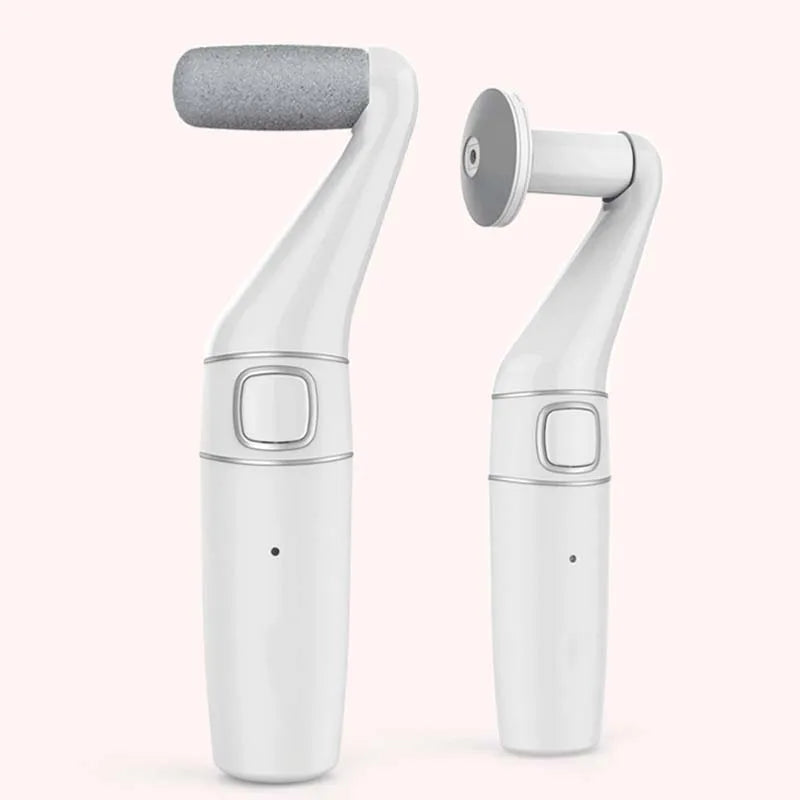
An electric foot file or cordless foot grinder uses a motorized rotating roller to exfoliate hardened skin with less physical effort. Most rechargeable models include multiple roller grits and adjustable speeds, allowing users to tailor treatment based on callus thickness.
Electric Foot Grinder vs Manual Foot File: Core Differences
- Power: Manual files rely entirely on hand pressure, while electric models provide consistent motorized exfoliation.
- Speed: Electric grinders remove thick calluses much faster.
- Precision: Manual files allow excellent control around sensitive areas.
- Maintenance: Electric devices require charging and occasional roller replacement.
- Learning curve: Manual tools are beginner-friendly, whereas electric devices benefit from proper technique.
Who Should Choose Each Option
- Manual foot files: Best for light maintenance, sensitive skin, occasional use, and budget-conscious shoppers.
- Electric foot files: Ideal for thick calluses, cracked heels, regular home pedicures, or anyone wanting faster results with less effort.
Quick Comparison Table
Feature-by-Feature Scorecard
| Feature | Manual Foot File | USB Rechargeable Foot File |
|---|---|---|
| Callus removal speed | Moderate | Fast |
| Control on sensitive skin | Excellent | Very good with low speed |
| Best for thick calluses | Moderate | Excellent |
| Ease of use | Simple | Easy after brief practice |
| Maintenance | Minimal | Charge battery and clean roller |
| Initial cost | Low | Higher |
| Long-term convenience | Good | Excellent |
| Best for | Weekly maintenance | Frequent home pedicures and stubborn calluses |
USB Rechargeable Foot File vs Cordless Grinder: Side-by-Side Comparison
Callus Removal Performance
Electric grinders generally remove thick calluses more efficiently than manual tools because the rotating roller maintains consistent contact with the skin. For mild dryness, however, a USB rechargeable foot file operating at a lower speed delivers gradual exfoliation with excellent control.
Safety for Different Skin Types
People with thin or sensitive skin usually benefit from gentle passes and lower-speed settings. Manual files naturally reduce the risk of over-exfoliation, while electric models should never remain in one spot for more than a few seconds. Using light pressure helps preserve healthy skin while removing only dead tissue.
Ease of Use and Learning Curve
Manual foot files require little instruction but can become tiring when treating large callused areas. Battery-powered foot files reduce hand fatigue and are easier to use on both heels during longer grooming sessions.
Maintenance, Battery Life, and Long-Term Cost
Manual files only require occasional cleaning. Rechargeable electric foot files need periodic charging, roller cleaning, and eventual replacement of worn abrasive heads. Although they cost more initially, many users find the time savings worthwhile compared with frequent salon visits.
Which Tool Works Best for Different Callus Types?
Light Dry Skin
If your feet only develop mild roughness after walking or standing for long periods, either a manual foot file or a low-speed rechargeable electric foot file once or twice weekly is usually sufficient.
Moderate Calluses
Moderately thick calluses respond well to an electric foot file followed by routine maintenance with a manual file. This combination helps prevent excessive buildup while minimizing unnecessary exfoliation.
Thick Cracked Heels
For stubborn, hardened calluses, an electric foot grinder offers the quickest improvement. However, deep cracks, bleeding, severe pain, or signs of infection should be evaluated by a healthcare professional rather than treated aggressively at home.
What Results Can You Expect?
After One Use
- Manual Foot File: Noticeably smoother skin with gentle exfoliation and minimal redness.
- USB Rechargeable Foot File: Faster removal of dry skin and visibly softer heels, particularly on moderate calluses.
Many users notice softer skin immediately, but dramatic transformations usually require consistent treatments over several weeks rather than one session.
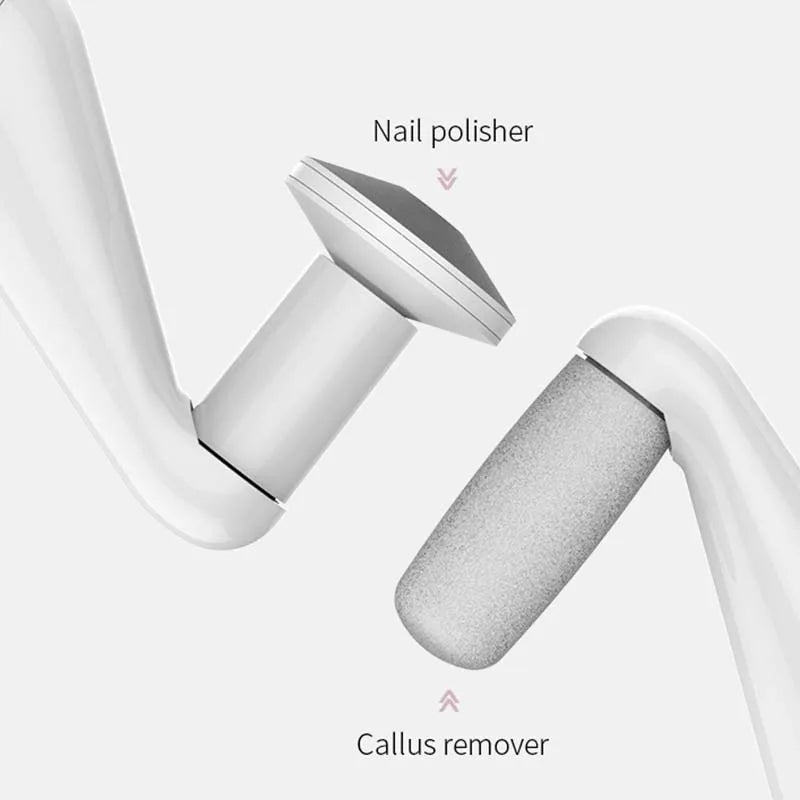
USB rechargeable foot file vs cordless electric foot grinder — See it in action

Cordless electric foot grinder vs USB rechargeable foot callus remover — See it in action
After Two Weeks of Regular Use
With consistent weekly exfoliation and daily moisturizing, most people experience smoother heels, reduced rough patches, and slower callus buildup. Maintaining results is generally easier than removing months of accumulated hardened skin.
Before-and-After Expectations
Electric foot files can significantly improve thick calluses, but they will not permanently eliminate them. Healthy feet naturally produce protective skin in response to friction, so ongoing maintenance remains essential.
Salon-smooth feet at home with home pedicure tools — See it in action
Safety Tips and Common Mistakes
How to Avoid Over-Exfoliation
Use light pressure and stop once the skin feels smooth. Removing too much healthy skin may increase tenderness and encourage faster callus formation.
Who Should Seek Medical Advice
Individuals with diabetes, poor circulation, peripheral neuropathy, open wounds, or active skin infections should consult a healthcare professional before using an electric callus remover or aggressive manual exfoliation.
Cleaning and Hygiene
Wash removable rollers after every session, allow them to dry completely, and replace worn abrasive heads according to the manufacturer's recommendations. Proper hygiene reduces bacterial growth and helps maintain effective exfoliation.
How to Choose the Right Tool
Best for Budget Buyers
A quality manual foot file delivers excellent value for occasional maintenance and requires almost no ongoing costs.
Best for Heavy Calluses
If you regularly develop thick heel calluses or spend long hours standing, an electric foot file offers faster and more consistent results.
Best for Seniors and Beginners
Rechargeable foot files reduce the effort required to remove dead skin, making them easier for users with reduced grip strength. Beginners should always start with the lowest speed setting.
When Owning Both Makes Sense
Many home pedicure enthusiasts keep both tools. An electric foot file tackles stubborn buildup every week or two, while a manual file performs quick touch-ups between treatments.
Preparation
Wash your feet thoroughly and inspect them for cuts, blisters, bleeding, or signs of infection. Depending on your device instructions, ensure your feet are either completely dry or prepared according to the manufacturer's recommendations.
Correct Technique
Move the rechargeable foot file continuously across callused areas using gentle pressure. Avoid pressing hard or holding the roller in one location, as this may irritate healthy skin. Begin on the lowest speed before increasing only if necessary.
Aftercare
Rinse away loose skin, dry your feet thoroughly, and apply a rich moisturizing cream containing ingredients such as urea, glycerin, or shea butter. Keeping the skin hydrated helps extend your results between treatments.
FAQs About Foot Files and Electric Grinders
Do electric foot files really work better than manual foot files?
For thick or stubborn calluses, yes. Electric foot files remove hardened skin more quickly and require less physical effort. Manual files remain an excellent option for regular maintenance and light exfoliation.
Is a manual foot file safer for sensitive skin?
Generally, yes. Manual tools provide greater tactile feedback, making it easier to control pressure and avoid removing too much healthy skin.
Can I use an electric foot grinder on cracked heels?
You can treat dry, thickened skin around cracked heels, but avoid using the device directly over deep cracks, bleeding skin, or open wounds.
How long do rechargeable foot file rollers last?
Roller lifespan depends on frequency of use and callus severity. Most users replace them after several months once the abrasive surface becomes noticeably less effective.
Should I own both an electric foot file and a manual foot file?
If you regularly perform home pedicures, owning both offers the greatest flexibility. The electric tool handles heavy exfoliation, while the manual file maintains smooth skin between treatments.
How often should I remove foot calluses?
Most people benefit from exfoliating once every one to two weeks. Excessive filing can damage healthy skin, so adjust frequency based on your skin condition and how quickly calluses return.
Related Guide: :contentReference[oaicite:0]{index=0}













