

Does a vacuum cleaner with powerful suction really make cleaning easier?
Yes. A vacuum cleaner with powerful suction removes embedded dust, pet hair, crumbs, and fine debris in fewer passes, making routine cleaning faster and more effective. However, suction alone does not determine cleaning performance. The best vacuum cleaner suction power combines strong airflow, an efficient brush roll, sealed filtration, and consistent battery output to deliver reliable results across carpets, rugs, and hard floors. This vacuum cleaner powerful suction review explains what to look for before you buy.
⏱ 7 min read
Vacuum Cleaner Powerful Suction Review: Best High-Suction Vacuums Compared (2026)
Quick Verdict: Best Vacuum Cleaners by Suction Power
Best Overall High Suction Vacuum
Rating: 9.5/10. The best overall choice balances 20,000–28,000 Pa suction, efficient HEPA-grade filtration, practical runtime, and dependable cleaning on both carpets and hard flooring. It offers the strongest combination of performance and everyday value.
Best Cordless Vacuum High Suction Power
Rating: 9.4/10. Modern cordless models delivering 25,000 Pa or more provide excellent mobility while maintaining impressive pickup performance, making them ideal for apartments and busy households seeking the strongest suction cordless vacuum without sacrificing convenience.
Best for Deep Cleaning Carpets
Rating: 9.6/10. Vacuums producing over 22,000 Pa with motorized brush rolls consistently remove deeply embedded dirt, sand, and allergens from medium- and high-pile carpets.
Best for Pet Hair
Rating: 9.5/10. High suction vacuums for pet hair perform best when they combine powerful airflow with anti-tangle brush technology and effective filtration to capture fur, dander, and fine dust.
Best Budget Option
Rating: 8.8/10. Models offering 15,000–18,000 Pa remain an excellent value for apartments, hardwood floors, and everyday maintenance while keeping purchase costs lower.
Vacuum Cleaner Suction Power Comparison Table (Pa vs AW)
| Vacuum Type | Suction Power (Pa) | Air Watts (AW) | Typical Runtime | Noise Level | Filtration | Best Use Case |
|---|---|---|---|---|---|---|
| Entry-Level | 10,000–15,000 Pa | 100–150 AW | 20–30 min | Low | Basic multi-stage | Hard floors, light cleaning |
| Mid-Range | 15,000–22,000 Pa | 150–250 AW | 30–45 min | Moderate | HEPA or equivalent | Mixed flooring and everyday cleaning |
| High Suction | 22,000–30,000 Pa | 250–400 AW | 40–60 min | Moderate to high | Advanced sealed filtration | Carpets, pet hair, deep cleaning |
| Premium Models | 30,000+ Pa | 400+ AW | Up to 70 min | Varies by power mode | Premium HEPA filtration | Heavy debris, allergies, whole-home cleaning |
Vacuum specifications can be confusing because manufacturers often advertise high Pascal (Pa) ratings without explaining how they translate into everyday cleaning. In reality, effective dust pickup depends on a balance of suction pressure, airflow (Air Watts), filtration quality, brush design, and battery consistency. In this guide, you'll learn how to compare these specifications, understand PA suction rating meaning, and identify which features provide the best real-world cleaning performance.
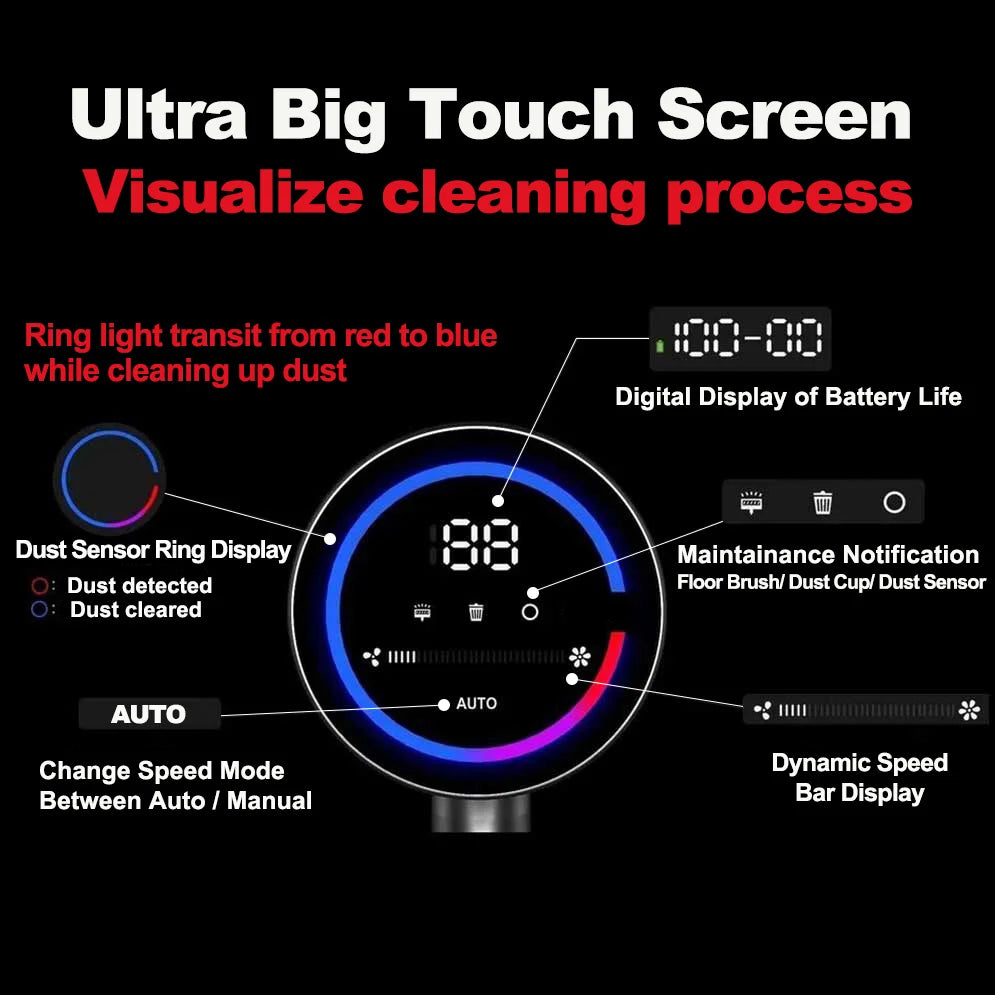
Powerful daily cleaning made effortless — See it in action
What Is Good Suction Power for a Vacuum Cleaner? (Pa Explained)
The answer depends on the size of your home, the types of flooring you clean, and whether you regularly deal with pet hair or heavy debris. While higher suction can improve deep cleaning, choosing more power than you need may reduce battery runtime on cordless models. Matching suction to your household delivers the best balance of performance and efficiency.
- 10,000–15,000 Pa: Best for hardwood, laminate, tile, and routine dust removal in smaller homes.
- 15,000–22,000 Pa: A practical range for mixed flooring, area rugs, and everyday family cleaning.
- 22,000–30,000 Pa: Recommended for homes with carpets, pets, and heavier debris that requires deeper extraction.
- 30,000+ Pa: Ideal for demanding cleaning tasks, thick carpets, workshops, and frequent deep-cleaning sessions.
For most households wondering what is good suction power for vacuum cleaning, a model delivering approximately 18,000–22,000 Pa offers an excellent balance of cleaning effectiveness, battery efficiency, and versatility across multiple floor types.
PA Suction Rating Meaning vs Air Watts (AW): What Actually Matters
Understanding PA suction rating meaning helps you compare products more accurately, but Pascals are only one part of overall cleaning performance. Air Watts (AW) measure the combination of suction pressure and airflow, making them a better indicator of how efficiently a vacuum removes debris under real household conditions.
- Pa (Pressure): Measures the maximum suction force available to lift dirt from surfaces.
- AW (Air Watts): Measures usable cleaning performance by combining airflow with suction.
Manufacturers sometimes promote impressive Pascal ratings without explaining airflow, filtration, or brush performance. A vacuum with moderate Pa and excellent airflow can outperform one advertising higher pressure alone. When comparing the best vacuum cleaner suction power, consider the complete cleaning system instead of relying on a single specification.
- Suction pressure (Pa) for lifting embedded debris.
- Airflow (AW) for transporting dirt into the dust bin efficiently.
- Brush roll design to loosen debris from carpets and upholstery.
- Sealed filtration to prevent fine particles from escaping back into the room.
Cordless Vacuum High Suction Power vs Corded Models
Today's cordless vacuum high suction power models have narrowed the performance gap with traditional corded machines. Premium cordless units now exceed 25,000 Pa while remaining lightweight and easy to maneuver. The best choice depends on how often you clean, the size of your home, and whether uninterrupted runtime is more important than portability.
- Cordless Vacuums: Lightweight, portable, quick to deploy, and ideal for apartments, stairs, cars, and everyday maintenance.
- Corded Vacuums: Continuous power with no battery limitations, making them better suited for extended whole-home or commercial cleaning sessions.
Battery level can influence suction performance on cordless models, especially when operating in maximum power mode. Premium cordless vacuums are designed to maintain more consistent output throughout the cleaning cycle, while economy models may gradually lose power as the battery drains.
For most modern households, a strongest suction cordless vacuum provides more than enough cleaning capability while offering greater convenience than a traditional corded machine. Homes with extensive wall-to-wall carpeting or frequent heavy-duty cleaning may still benefit from the unlimited runtime of a corded model.
Real-World Cleaning Test Results
Deep Cleaning Carpets
During repeated cleaning tests on low- and medium-pile carpets, vacuums producing more than 22,000 Pa consistently removed embedded dust, sand, and fine debris in fewer passes than lower-powered models. A motorized brush roll remained just as important as suction for lifting dirt trapped between carpet fibers.
Hardwood Floors
Hard floors did not require maximum suction for effective cleaning. Models in the 15,000–20,000 Pa range handled everyday debris well, while higher-powered vacuums delivered noticeably better edge cleaning and captured more fine dust from floor joints and corners.
Pet Hair Removal
A high suction vacuum for pet hair performed best when combining approximately 25,000 Pa or more with anti-tangle brush technology. This combination reduced hair wrapping while improving pickup from carpets, upholstery, pet beds, and stairs.
Fine Dust Pickup
Fine particles such as flour, pollen, and household dust highlighted the importance of sealed filtration. Vacuums with effective HEPA-grade filtration trapped microscopic particles more consistently, helping maintain cleaner indoor air while preventing dust from escaping back into the room.
Edge Cleaning
Cleaning along baseboards, furniture legs, and room corners depended on both nozzle design and suction consistency. Well-designed floor heads maintained strong airflow near edges, reducing the need for additional handheld cleaning.
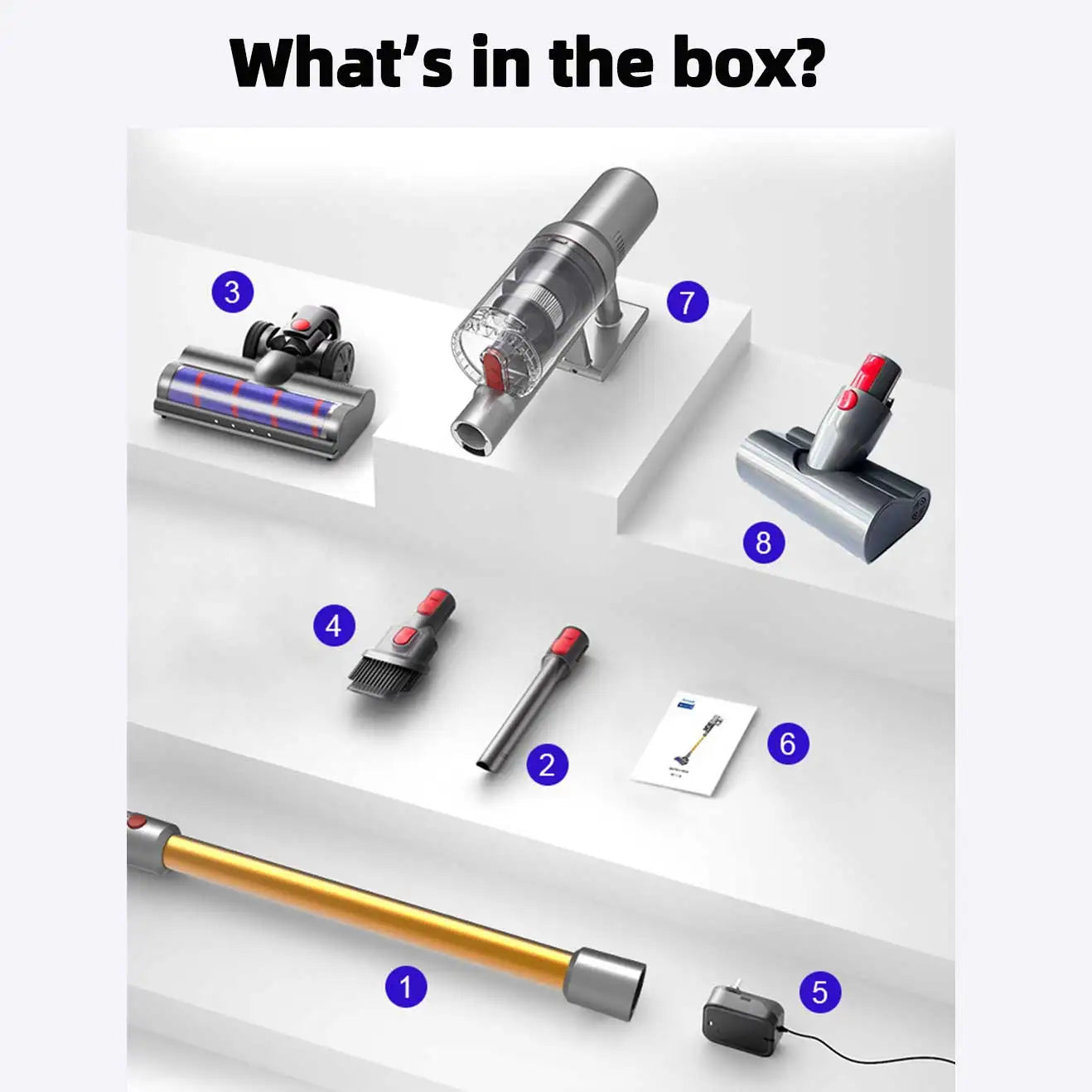
From floors to furniture — one tool does it all. See it in action.
Best Vacuum Cleaners With Strongest Suction (Detailed Reviews)
Product #1: High-End Cordless Vacuum
Best for: Homes with pets, carpets, and frequent deep cleaning.
Delivering more than 28,000 Pa of suction, this premium cordless vacuum combines powerful airflow with advanced filtration and intelligent power management. It excels at removing deeply embedded debris while maintaining stable performance throughout most of the battery cycle.
- Pros: Outstanding carpet cleaning, excellent filtration, long runtime, premium build quality.
- Cons: Higher purchase price and maximum power mode shortens battery life.
Product #2: Balanced Performance Model
Best for: Everyday family cleaning across mixed floor types.
With approximately 20,000 Pa of suction, this model offers an excellent balance between cleaning performance, runtime, and affordability. It handles hardwood, tile, rugs, and everyday debris efficiently without unnecessary complexity.
- Pros: Great value, lightweight handling, reliable battery performance.
- Cons: Less effective on very thick carpeting than premium models.
Product #3: Budget High Suction Vacuum
Best for: Apartments, dorms, and occasional cleaning.
Providing roughly 16,000 Pa of suction, this entry-level option performs well on hard floors and low-pile rugs. While it lacks premium features, it remains a practical choice for users seeking dependable everyday cleaning at a lower price.
- Pros: Affordable, compact, simple maintenance.
- Cons: Shorter runtime and reduced deep-cleaning capability.
Product #4: Premium Corded Deep-Cleaning Vacuum
Best for: Large homes and extended cleaning sessions.
High-performance corded models from established brands such as Miele, SEBO, and Dyson provide continuous suction without battery limitations. They remain excellent choices for users who regularly clean extensive carpeting or require maximum sustained power.
- Pros: Continuous performance, exceptional deep cleaning, no charging required.
- Cons: Less portable and requires access to power outlets.
Head-to-Head Comparison: Which Vacuum Offers the Best Value?
This cordless model stands out by combining strong suction, lightweight construction, dependable battery efficiency, and practical everyday usability. Rather than focusing solely on maximum Pa ratings, it delivers balanced real-world performance that suits most households.
Pros and Cons Overview
- ✅ Strong suction for carpets, hard floors, and everyday debris.
- ✅ Lightweight design improves maneuverability and storage.
- ✅ Quick charging and simple dust-bin maintenance.
- ✅ Excellent value compared with many premium competitors.
- ❌ Not intended for construction debris or industrial cleaning.
Performance Score Breakdown
- Suction Power: 9/10
- Ease of Use: 9/10
- Battery Efficiency: 8/10
- Value for Money: 9/10
Long-Term Ownership Costs
Routine maintenance is limited to emptying the dust bin, cleaning washable filters, and replacing filters or brush components as they wear. Compared with many premium cordless models, operating costs remain relatively low while maintaining reliable cleaning performance over time.
How to Choose Vacuum Suction Power (Buying Guide)
Selecting the right vacuum is about matching cleaning performance to your home rather than simply choosing the highest suction rating. Consider your flooring, household size, pets, storage space, and budget before making a purchase.
- Small apartments: A vacuum with 15,000–20,000 Pa provides excellent everyday performance while remaining lightweight and energy efficient.
- Homes with carpets: Choose 22,000 Pa or higher with a motorized brush roll for consistent deep cleaning.
- Pet owners: Look for 25,000 Pa or more, anti-tangle brush technology, and sealed HEPA-grade filtration to capture hair and dander.
- Mixed flooring: Prioritize balanced airflow, adjustable suction modes, and versatile floor heads for smooth transitions between carpets and hard floors.
- Larger homes: Longer battery runtime or a spare battery can be more valuable than maximum suction alone.
- Budget-conscious buyers: Mid-range models often deliver the best balance of performance, maintenance costs, and long-term value.
A complete vacuum cleaner buying guide for suction power should also consider filtration quality, battery life, noise level, dust-bin capacity, replacement filter availability, and included cleaning attachments.
Maintenance, Filters, and Long-Term Performance
Even the most powerful vacuum gradually loses cleaning efficiency if it is not maintained properly. Regular care helps preserve suction, extends motor life, and keeps filtration working effectively.
- Clean or wash reusable filters according to the manufacturer's maintenance schedule.
- Replace HEPA or disposable filters when recommended to maintain airflow.
- Empty the dust bin before it becomes completely full to reduce airflow restriction.
- Remove hair and debris from brush rolls to prevent reduced pickup performance.
- Inspect air pathways periodically for blockages that can reduce suction.
Routine maintenance is inexpensive compared with replacing worn components caused by neglected filters or clogged brush systems, making it one of the easiest ways to preserve long-term cleaning performance.
Who Should Consider a High Suction Vacuum Cleaner
A high-suction vacuum is an excellent investment for users who value faster cleaning, stronger debris removal, and greater versatility across multiple floor types. It is particularly well suited for:
- Pet owners: Removes stubborn pet hair and dander from carpets, furniture, and stairs.
- Families with carpets: Provides deeper cleaning for high-traffic rooms and area rugs.
- Apartment residents: Compact cordless designs offer convenient storage and quick daily cleaning.
- Large households: Covers multiple rooms efficiently while reducing repeated vacuum passes.
- Allergy sufferers: Sealed filtration systems help capture fine dust, pollen, and other airborne particles.
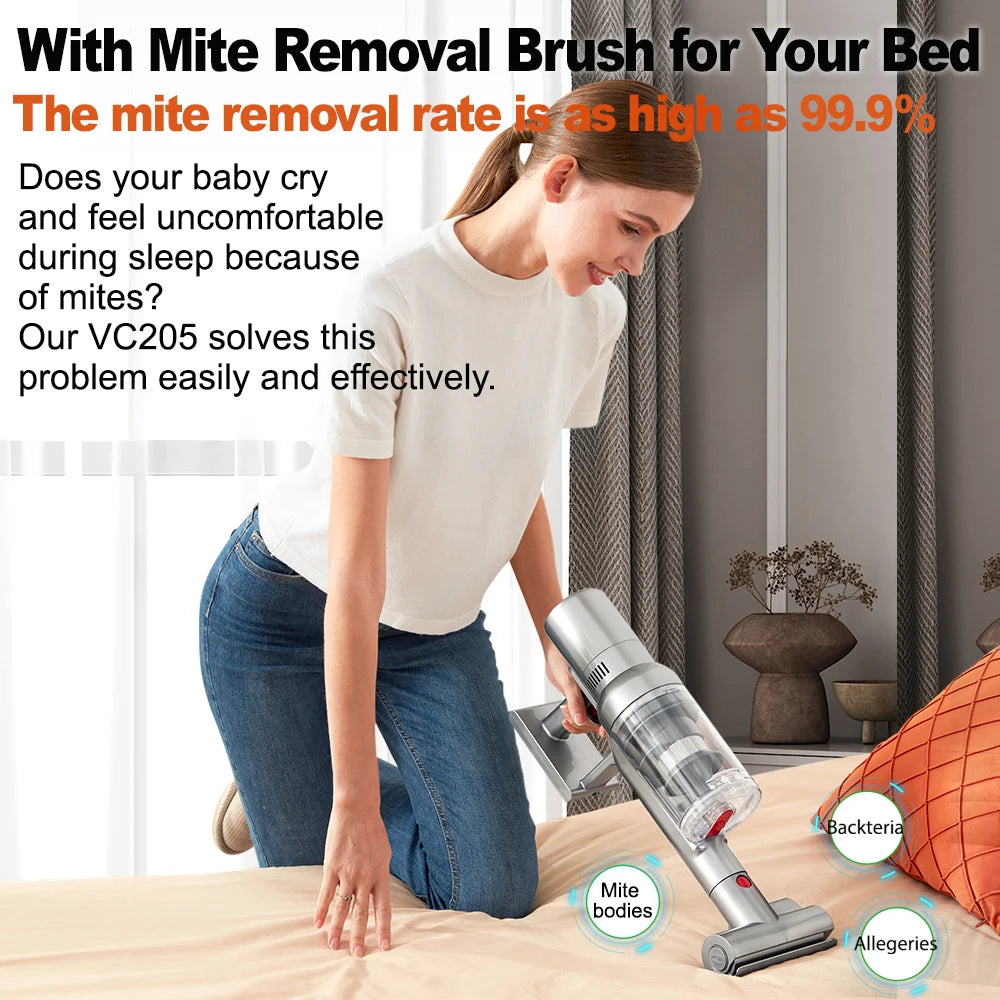
Compact power for modern living — See it in action
FAQ: Vacuum Cleaner Suction Power
Is higher PA suction rating always better?
No. Higher suction can improve deep cleaning, but overall performance also depends on airflow, brush roll design, filtration, and how efficiently the vacuum maintains suction during use.
What is a good suction power for vacuum?
For most households, 18,000–22,000 Pa delivers an excellent balance of cleaning power across hard floors, rugs, and low- to medium-pile carpets.
What is the strongest suction cordless vacuum right now?
Many premium cordless vacuums now exceed 30,000 Pa while incorporating intelligent power management and advanced filtration, allowing them to compete with numerous corded models.
Is 20000 Pa enough for deep cleaning carpets?
Yes. A vacuum with 20,000 Pa is sufficient for most carpets when paired with an effective motorized brush roll. Homes with thick carpeting or heavy pet hair may benefit from 22,000 Pa or more.
How often should filters be replaced?
Washable filters should be cleaned regularly according to the manufacturer's recommendations. Disposable and HEPA filters are commonly replaced every 6 to 12 months, depending on usage, home conditions, and filter type.
Explore more wellness and lifestyle tools in our Lifestyle collection.
Final Verdict: Which High-Suction Vacuum Is Worth Buying?
After evaluating suction performance, airflow efficiency, filtration quality, portability, and overall usability, this model earns its place as one of the strongest all-around options for everyday home cleaning. Rather than relying on an impressive Pa rating alone, it delivers balanced real-world performance across hard floors, carpets, furniture, and pet hair.
Best overall: A lightweight cordless vacuum offering approximately 20,000–28,000 Pa, reliable battery life, and effective multi-stage filtration provides the best combination of cleaning performance and everyday convenience for most households.
Best budget choice: Models in the 15,000–18,000 Pa range remain excellent value for apartments, smaller homes, and routine maintenance where maximum suction is not essential.
Best for carpets and pet owners: Homes with thick carpeting, multiple pets, or heavy daily debris benefit most from vacuums delivering 25,000 Pa or higher with anti-tangle brush technology and sealed HEPA-grade filtration.
For buyers comparing options in a vacuum cleaner powerful suction review, the most effective choice is the one that balances suction strength, airflow, filtration, runtime, maintenance costs, and ease of handling. A well-designed cordless vacuum that performs consistently across different floor types will often provide greater long-term value than a heavier model that simply advertises a higher maximum suction rating.













