

Cold Feet at Night: Causes, Symptoms, and How to Warm Them Up Fast
Does very cold feet at night really have a fix?
Yes. In many cases, cold feet at night improve with the right combination of targeted warming, better circulation, and healthy bedtime habits. If your feet become cold because of a chilly bedroom, inactivity, or mild circulation changes, simple self-care measures often provide fast relief.
However, if your feet are cold at night consistently, are difficult to warm, or occur alongside numbness, pain, skin color changes, or sores that won't heal, an underlying medical condition such as peripheral artery disease, diabetes-related nerve damage, thyroid disease, or anemia may be responsible. Identifying the cause is the key to choosing the most effective cold feet at night remedy .
⏱ 7 min read
If your feet feel icy the moment you lie down—even under thick blankets—you're not imagining it. Understanding why it happens can help you find lasting relief and know when it's time to seek medical advice.
Very cold feet at night can ruin sleep — See it in action
Why Are My Feet Cold at Night?
If you've ever wondered why are my feet cold at night , the answer usually lies in how your body regulates temperature during sleep. As bedtime approaches, your circulation and core temperature naturally shift to prepare for rest. While this process is normal, some people notice their feet become much colder than the rest of their body.
How your body regulates foot temperature
Your brain carefully balances blood flow between your core and your extremities. During sleep, reduced movement and cooler nighttime temperatures may decrease warmth reaching your feet. Factors such as dehydration, smoking, certain medications, stress, or naturally smaller blood vessels can make this effect more noticeable.
Healthy nerves also help you sense temperature accurately. When nerve function is altered, your feet may feel cold even when their skin temperature is normal.
Normal vs. concerning cold feet
Mildly cool feet in bed are common and often improve with socks or a blanket. Cold feet deserve more attention if they:
- Remain icy despite warming measures.
- Occur every night for weeks.
- Are accompanied by numbness, tingling, burning, or pain.
- Cause skin discoloration or slow-healing wounds.
- Occur primarily in one foot.
Common Causes of Cold Feet at Night
Temporary and harmless causes
Many cases are temporary rather than serious. Common triggers include:
- A cool bedroom or lightweight bedding.
- Sitting for long periods before bed.
- Reduced physical activity during the day.
- Wet feet or damp socks.
- Emotional stress, which can temporarily narrow blood vessels.
Poor circulation
Poor circulation is one of the most common reasons people ask, why are my feet always cold at night? Reduced blood flow means less warm blood reaches your toes. Conditions affecting circulation include peripheral artery disease, smoking, prolonged sitting, and certain cardiovascular disorders.
Peripheral neuropathy
Peripheral neuropathy damages nerves responsible for sensing temperature. People with diabetes, vitamin B12 deficiency, alcohol-related nerve damage, or certain autoimmune diseases may experience icy cold feet at night , tingling, burning, or altered sensation even when circulation is adequate.
Thyroid disease, anemia, and other medical conditions
Several health conditions reduce heat production or oxygen delivery throughout the body, including:
- Hypothyroidism (underactive thyroid).
- Iron-deficiency anemia.
- Vitamin deficiencies.
- Raynaud's phenomenon.
- Diabetes.
If you frequently wonder why do my feet stay cold at night , these conditions may warrant evaluation by a healthcare professional.
What Your Symptoms May Mean
Symptom comparison table
| Symptom | Possible explanation | Recommended action |
|---|---|---|
| Mild cold feet | Normal temperature regulation | Warm socks, blankets, light activity |
| Ice-cold feet every night | Circulation or metabolic issue | Schedule a medical evaluation |
| Cold feet with tingling | Possible nerve involvement | Discuss symptoms with your doctor |
| Cold feet with skin color changes | Possible circulation disorder | Seek prompt medical assessment |
One foot vs. both feet
If only one foot consistently feels cold, localized circulation problems, previous injury, or nerve compression may be involved. Coldness affecting both feet is more commonly linked to systemic conditions such as anemia, thyroid disease, diabetes, or reduced overall circulation.
Cold feet with numbness, pain, or color changes
Extreme cold feet at night combined with numbness, persistent pain, pale or bluish skin, ulcers, or weakness should not be ignored. These symptoms can indicate reduced blood supply or nerve disorders that require professional evaluation.
How to Warm Up Cold Feet in Bed
Immediate warming methods
- Soak your feet in comfortably warm water for 10–15 minutes.
- Massage your feet and calves to encourage circulation.
- Wear breathable thermal or wool socks.
- Use a heating pad or hot water bottle safely, avoiding direct prolonged skin contact.
- Perform ankle circles and toe flexes before getting into bed.
Bedtime habits
- Keep your bedroom comfortably warm.
- Stay physically active during the day.
- Avoid tight socks or restrictive clothing.
- Limit nicotine, which narrows blood vessels.
- Stay hydrated throughout the day.
How to keep feet warm all night
If you frequently experience cold feet while sleeping , warming your feet before bedtime often works better than trying to warm them after you've already become cold. Layer bedding instead of relying on one heavy blanket, and keep your feet dry to prevent heat loss.

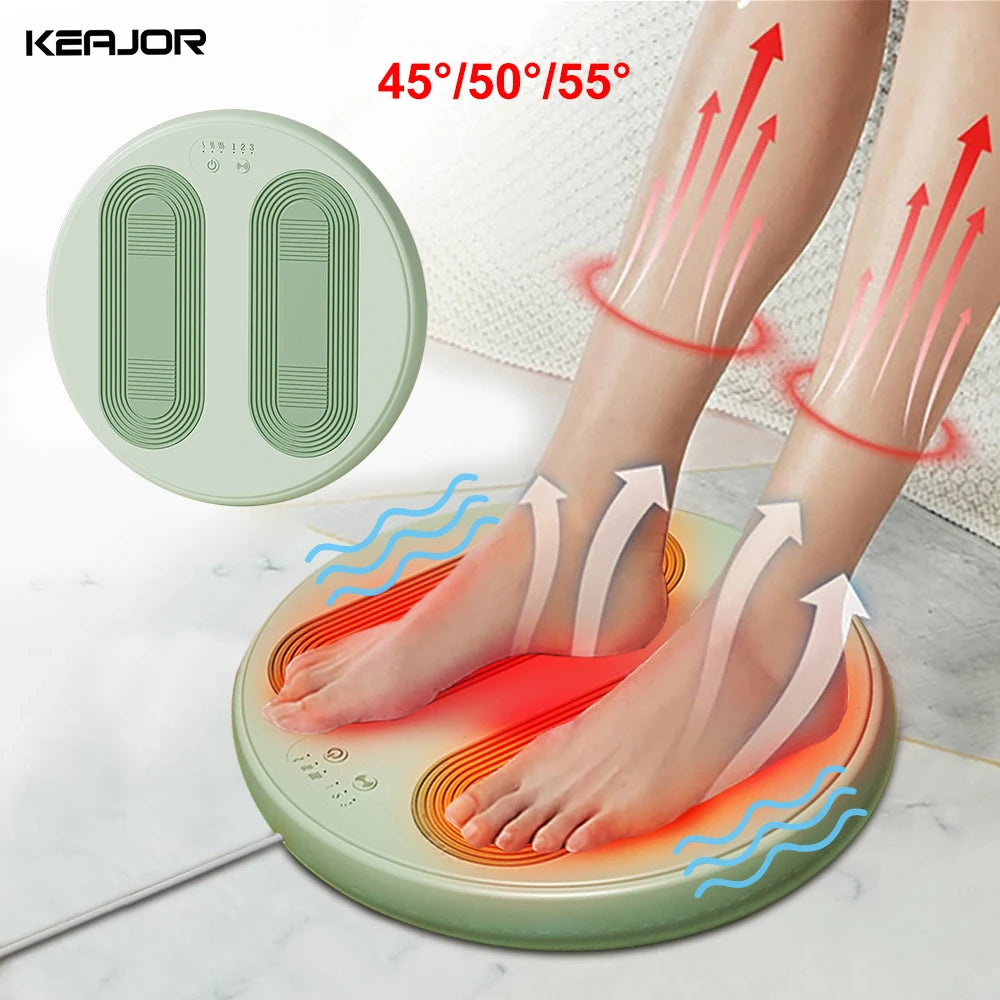
Targeted warmth improves comfort — See it in action
Best Remedies for Cold Feet at Night by Cause
Circulation-related
Regular walking, calf stretches, foot massage, and elevating your legs briefly after long periods of sitting can support healthy circulation. Managing blood pressure, cholesterol, and smoking cessation also contribute to long-term vascular health.
Nerve-related
Treating the underlying cause of nerve dysfunction is essential. Depending on your healthcare provider's advice, this may include better diabetes management, correcting vitamin deficiencies, or addressing medication side effects.
Environmental and lifestyle
Simple adjustments often provide meaningful relief:
- Wear warm slippers on cold floors.
- Use moisture-wicking socks.
- Increase daytime movement.
- Maintain consistent bedroom temperatures.
- Avoid prolonged sitting before bed.
Medical treatment overview
Persistent cold feet solutions depend on the underlying diagnosis. Your healthcare provider may recommend treatment for thyroid disease, anemia, diabetes, peripheral artery disease, or other conditions rather than focusing solely on warming the feet.
When Cold Feet at Night Are an Emergency
Seek emergency care
Seek immediate medical attention if very cold feet at night are accompanied by:
- Sudden severe pain.
- Loss of pulse in the foot.
- Blue, black, or gray skin.
- Rapid swelling after injury.
- Loss of movement or sensation.
Schedule a routine medical evaluation
Arrange a medical appointment if your symptoms develop gradually, persist for several weeks, interfere with sleep, or occur alongside diabetes, cardiovascular disease, thyroid disorders, or anemia.
When to See a Doctor About Cold Feet
You should consult a healthcare professional if your cold feet are persistent, painful, difficult to warm, or associated with numbness, ulcers, swelling, or color changes.
Tests your doctor may recommend
Depending on your symptoms, your clinician may recommend:
- Physical examination and pulse assessment.
- Blood tests for anemia, thyroid function, blood sugar, and vitamin deficiencies.
- Nerve conduction studies when neuropathy is suspected.
- Circulation testing such as an ankle-brachial index or vascular ultrasound.
These tests help determine whether your cold feet at night only are due to temporary factors or an underlying medical condition requiring treatment.
A Simple Nightly Routine to Prevent Cold Feet
- Take a warm shower or foot soak 30 minutes before bed.
- Stretch your calves and feet for 2–3 minutes.
- Use gentle massage or warming therapy for 10–15 minutes.
- Wear breathable socks if they help you stay comfortable.
- Keep your bedroom at a consistent temperature.
- Stay well hydrated and avoid smoking before bedtime.

Comfort that lasts through the night — See it in action
Frequently Asked Questions
Is it normal to have cold feet only at night?
Yes. Many people notice cooler feet during sleep because blood flow and body temperature naturally change at night. Persistent or severe symptoms should be evaluated.
Does poor circulation always cause cold feet?
No. Nerve disorders, thyroid disease, anemia, diabetes, medications, stress, and a cold environment can all contribute.
Should you wear socks to bed for cold feet?
For many people, breathable socks made from wool or moisture-wicking materials help retain warmth. Avoid socks that are too tight because they may reduce circulation.
Why are my toes cold but the rest of my body is warm?
Your toes are farthest from your heart and lose heat more easily. Mild circulation changes or temporary blood vessel narrowing can affect them first.
Can anxiety or stress cause cold feet at night?
Yes. Stress activates the body's "fight-or-flight" response, temporarily narrowing blood vessels and reducing blood flow to the extremities.
Can diabetes cause cold feet while sleeping?
Yes. Diabetes can contribute to both circulation problems and peripheral neuropathy, which commonly cause cold feet or altered temperature sensation.
Why is only one foot cold at night?
One consistently cold foot may indicate localized circulation issues, nerve compression, or a previous injury. It should be evaluated if persistent.
What vitamin deficiency can cause cold feet?
Deficiencies in vitamin B12, iron, and sometimes folate may contribute by affecting nerve health or red blood cell production.
Related Guide: Stimulate Circulation in Feet: Best Devices for Every Need













