

What Is Lower Back Vibration Therapy and Does It Work?
Lower back vibration therapy uses rhythmic mechanical pulses to stimulate soft tissue and help reduce the sensation of muscle tightness. A vibration back massager may temporarily improve comfort, ease stiffness, and support relaxation, especially when back tension is related to prolonged sitting, everyday muscle fatigue, or post-exercise recovery. It is best viewed as a comfort and muscle-relaxation tool rather than a cure for the underlying cause of persistent or severe back pain.
Vibration Back Massager Reviews: Which One Actually Helps You Get Real Relief?
Back tension is one of the most common frustrations for busy adults juggling work, screens, driving, exercise, and daily stress. A vibration back massager can provide convenient at-home relief, but different devices vary significantly in intensity, coverage, portability, heat, noise, and comfort. This guide compares the main types of lower back vibration devices, explains how back vibration therapy works, and shows what to look for before buying.
⏱ 7 min read
Quick Picks: Best Lower Back Vibration Massagers (2026 Comparison Table)
If you're short on time, use this table to match the device type to your primary need. The best vibration back massager is not necessarily the strongest one—it is the model you can position comfortably and use consistently.
| Device Type | Best For | Key Strength | Portability | Typical Value |
|---|---|---|---|---|
| Handheld Vibrating Massager | Targeted muscle tension | Flexible positioning and precise control | High | $ |
| Lumbar Vibration Massager | Lower back support | Consistent vibration over the lumbar area | Medium | $$ |
| Heated Vibration Belt | Portable warmth and relaxation | Combines vibration with heat | High | $$ |
| Seat Cushion | Office work and driving | Hands-free, passive use | Low | $$ |
| Premium Multi-Mode Device | Full-featured relaxation | Multiple zones, settings, and comfort features | Medium | $$$$ |
Best Lower Back Vibration Massagers by Category
Best Handheld Vibrating Back Massager
A vibrating back massager handheld model is the most flexible choice when you want to target specific areas. You can adjust the position, pressure, and treatment area yourself, making it useful for localized tension in the lower back, upper back, shoulders, or legs.
- Best for: Targeted muscle tension and portability
- Pros: Flexible positioning, easy to store, often battery-powered
- Cons: Requires you to hold or position the device
Best Lumbar Vibration Massager
A lumbar vibration massager is designed to sit against the lower back and provide more consistent coverage than a handheld device. It can be a practical option for people who experience stiffness after sitting for long periods and prefer a device that stays in one position.
- Best for: Daily lower back comfort and seated use
- Pros: Consistent lumbar coverage and simple positioning
- Cons: Less versatile than a handheld massager
Best Heated Vibration Belt
A heated vibration belt combines gentle mechanical stimulation with warmth. This combination can feel particularly comfortable when muscle tightness is accompanied by a sensation of stiffness. Heat is a comfort feature, however, and does not automatically make a device more effective for every type of back pain.
- Best for: Users who prefer warmth during relaxation
- Pros: Portable and easy to use while seated
- Cons: Heat may be unsuitable for some users or conditions
Best Seat Cushion for Office and Driving
A vibration seat cushion is designed for hands-free use while sitting. It can be useful for office workers and drivers who want occasional lower back or full-back vibration without holding a device.
- Best for: Long periods of seated work or travel
- Pros: Convenient, hands-free, and broad coverage
- Cons: Less portable and dependent on seat compatibility
Best Budget Pick
Budget vibration back massagers usually focus on the essentials: a few intensity settings, simple controls, and basic portability. They can be a good choice if you want to test whether vibration therapy fits your routine before paying for advanced features.
Best Premium Pick
Premium devices may combine multiple vibration zones, adjustable intensity, heat, ergonomic shaping, rechargeable power, and more refined controls. The extra cost is most worthwhile when you value convenience, comfort, and frequent use rather than simply wanting the strongest vibration.
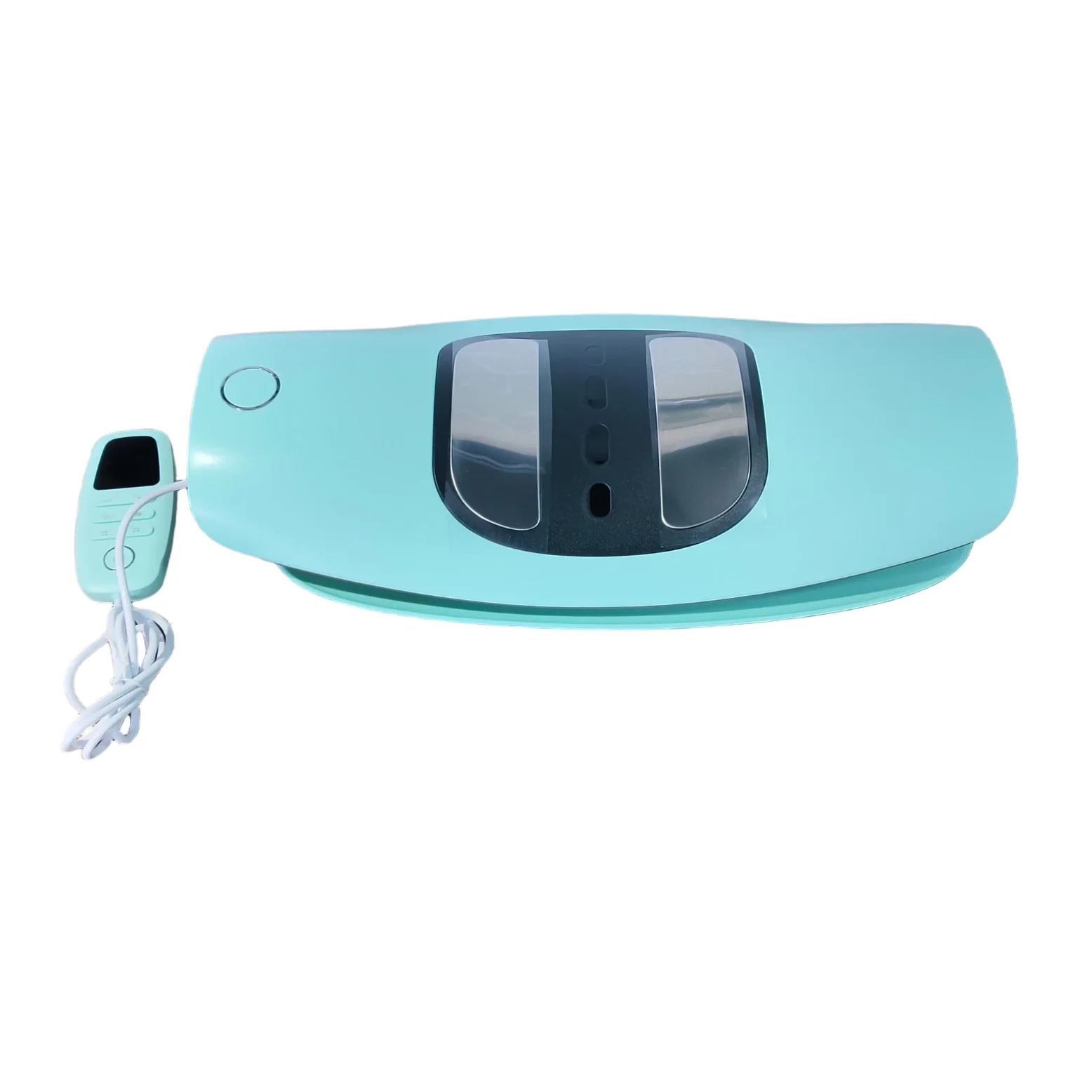
Portable vibration back massager for daily relief — See it in action
Vibration vs Heat vs Shiatsu vs Percussion vs TENS
These technologies are often grouped together as “massage” devices, but they work differently and create different sensations. The right choice depends on whether your priority is gentle relaxation, warmth, deeper mechanical pressure, or electrical stimulation.
| Technology | Primary Sensation | Best For | Intensity |
|---|---|---|---|
| Vibration | Rapid, rhythmic movement | Gentle muscle relaxation and daily stiffness | Low to moderate |
| Heat | Warmth | Comfort and relaxation when stiffness feels better with warmth | Gentle |
| Shiatsu | Kneading and pressure | Users who prefer a more massage-like sensation | Moderate to high |
| Percussion | Rapid tapping or striking | Targeted muscle recovery and deeper-feeling stimulation | Moderate to high |
| TENS | Electrical stimulation | Specific pain-management applications | Variable |
Important distinction: a vibration back massager mechanically stimulates tissue, while TENS and EMS use electrical impulses. They should not be treated as interchangeable devices. Vibration is generally chosen for comfort and muscle relaxation; TENS is designed for electrical nerve stimulation, and EMS is intended to stimulate muscle contractions.
How Lower Back Vibration Relieves Muscle Tension
Lower back vibration works through repeated mechanical movement that can stimulate the muscles and surrounding soft tissue. Many people experience a temporary reduction in the sensation of tightness because the rhythmic stimulation encourages relaxation and changes how the treated area feels.
Short-Term Benefits
- May improve local comfort: Rhythmic stimulation can make tight muscles feel less tense during or shortly after use.
- May support circulation: Gentle movement and muscle stimulation can encourage local blood flow, particularly when paired with light movement.
- May reduce perceived stiffness: A short session can make movement feel easier when stiffness is related to prolonged sitting or everyday muscle fatigue.
- May support post-exercise relaxation: Gentle vibration can be part of a broader recovery routine after physical activity.
Long-Term Limitations
Back vibration therapy can support comfort, but it does not correct every cause of back pain. It cannot replace assessment for persistent symptoms, structured exercise, physical therapy, or treatment for an underlying medical condition. The most realistic expectation is temporary or supportive relief that works best alongside healthy movement and appropriate care.
Which Type Fits Your Lifestyle?
Handheld Massagers
Choose a handheld vibrating back massager if you value flexibility and want to target different areas of the body. It is especially useful when your tension is not limited to the lower back.
Lumbar Belts
Lumbar vibration belts provide targeted lower back vibration without requiring you to continuously hold the device. They are convenient for short sessions while seated and can be easier to position consistently.
Seat Cushions
Seat cushions are designed for hands-free use. They can be a practical option for office workers and drivers who want vibration integrated into a seated routine, although their larger size makes them less suitable for travel.
Heating Devices
Heating devices are best for users who prefer warmth as part of relaxation. A heated vibration device may feel more comfortable than vibration alone, but more heat is not automatically better. Adjustable temperature and automatic shutoff are valuable features.
Side-by-Side Comparison: What Matters Before You Buy
| Feature | Why It Matters | What to Look For |
|---|---|---|
| Vibration Modes | Controls how customizable the experience feels | Multiple comfortable intensity levels rather than one overly strong setting |
| Heat | Adds warmth and relaxation | Adjustable heat and automatic shutoff |
| Power Source | Determines where and how easily you can use the device | Rechargeable battery for portability or corded power for longer sessions |
| Ergonomics | Affects comfort and positioning | Contoured shape, secure fit, and controls that are easy to reach |
| Noise | Important for offices, bedrooms, and shared spaces | Quiet operation that does not interfere with work or relaxation |
| Portability | Determines whether you will actually use it regularly | Compact size, manageable weight, and convenient storage |
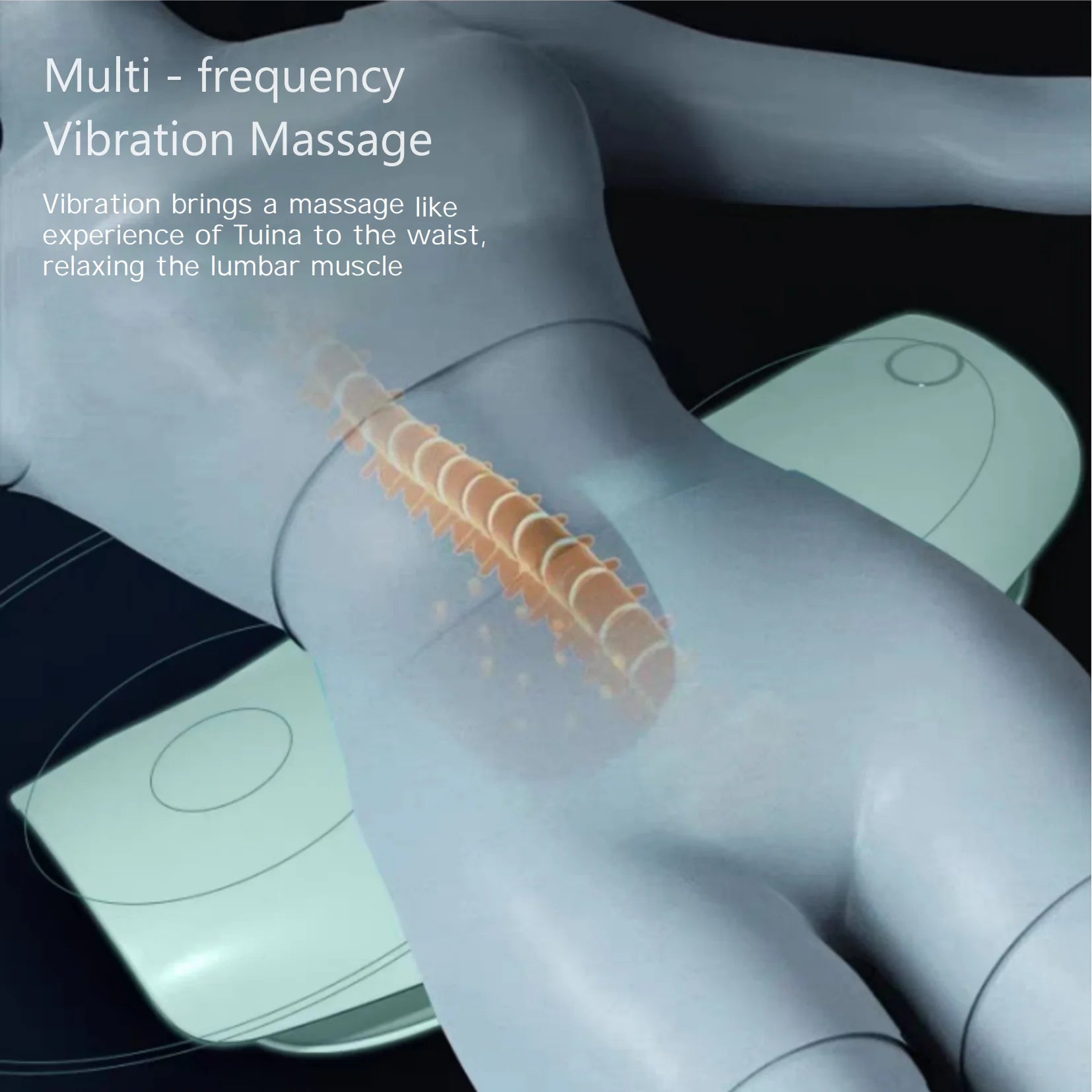
Comparing vibration therapy benefits at home — See it in action
Who Should Buy a Lower Back Vibration Massager?
Office Workers
If prolonged sitting leaves you feeling stiff, a lumbar vibration massager or seat cushion may be more convenient than a handheld device. Look for comfortable positioning, quiet operation, and simple controls that support short breaks during the day.
Drivers
Drivers may prefer a compact lumbar device that can be used during appropriate rest periods rather than a bulky product that takes up excessive space. Comfort, portability, and secure positioning are usually more important than maximum intensity.
Seniors
Older adults who prefer gentle stimulation may appreciate vibration over more intense percussion or deep-pressure massage. Adjustable intensity and easy-to-use controls are particularly important. Anyone with a medical condition or uncertainty about using a massage device should ask a healthcare professional for individualized advice.
Athletes
Athletes may use gentle back vibration as one part of a broader recovery routine. It can help with relaxation and perceived muscle tightness, but it should not replace adequate rest, hydration, mobility work, or evaluation of an injury.
How to Use a Vibration Back Massager Safely
Recommended Session Length
Start with a short session of approximately 5–10 minutes at a comfortable intensity. If the device feels comfortable and the manufacturer's instructions allow it, sessions of around 10–15 minutes may be appropriate for many users.
Frequency
Many people can incorporate gentle vibration into a daily relaxation routine, but frequency should depend on comfort and the device's instructions. More intense settings do not necessarily produce better results.
When to Stop
Stop using the device if you experience increasing pain, numbness, tingling, unusual weakness, dizziness, skin irritation, or discomfort that does not quickly settle after stopping. Do not use a vibration massager directly over an open wound or an area that is acutely injured.
- Read the manufacturer's instructions before the first use.
- Position the device over the intended muscle area rather than directly over a painful bony prominence.
- Start at the lowest comfortable intensity.
- Keep your posture relaxed and avoid forcing the device into your back.
- Use heat only at a comfortable temperature and follow the device's heat-safety instructions.
- Stop if symptoms worsen rather than trying to push through discomfort.
Consistency matters more than intensity. A short, comfortable session that fits naturally into your routine is usually more practical than an aggressive session you avoid using.
Product Testing Criteria
When comparing a vibration back massager, evaluate more than the number of modes or the advertised intensity. A useful device should be comfortable and practical enough to use regularly.
- Comfort: Does the device feel comfortable against the body during a typical session?
- Build quality: Do the materials, seams, controls, and attachments feel durable?
- Noise: Can it be used without becoming distracting in an office, bedroom, or shared space?
- Battery and power: Does the power source match your intended use, and is charging convenient?
- Ease of use: Are the controls intuitive, and can you adjust settings without unnecessary complexity?
- Positioning: Does the device stay where you need it, or does it require constant adjustment?
Care and Maintenance Tips
Proper care can help maintain the comfort and performance of a vibration back massager over time.
- Clean the surface regularly: Follow the manufacturer's cleaning instructions and avoid getting electrical components wet.
- Protect the battery: Use the recommended charger and avoid storing a rechargeable device in extreme heat or cold.
- Store it properly: Keep the massager in a dry location where the cord, controls, and housing will not be crushed or bent.
- Inspect it periodically: Stop using the device if the housing, power cable, battery, or controls show signs of damage.
Decision Tree: Which Lower Back Vibration Device Is Right for You?
- Need to target several areas and travel with the device? Choose a handheld vibrating back massager.
- Primarily want focused lower back vibration? Consider a lumbar vibration massager or belt.
- Want hands-free use while working or sitting? A seat cushion may be the most convenient option.
- Prefer warmth along with vibration? Look for a heated vibration device with adjustable temperature and safety controls.
- Have a limited budget? Prioritize comfortable intensity control and reliable construction over unnecessary features.
- Use the device frequently? Spend more attention on ergonomics, noise, battery life, and ease of cleaning because these features affect long-term usability.
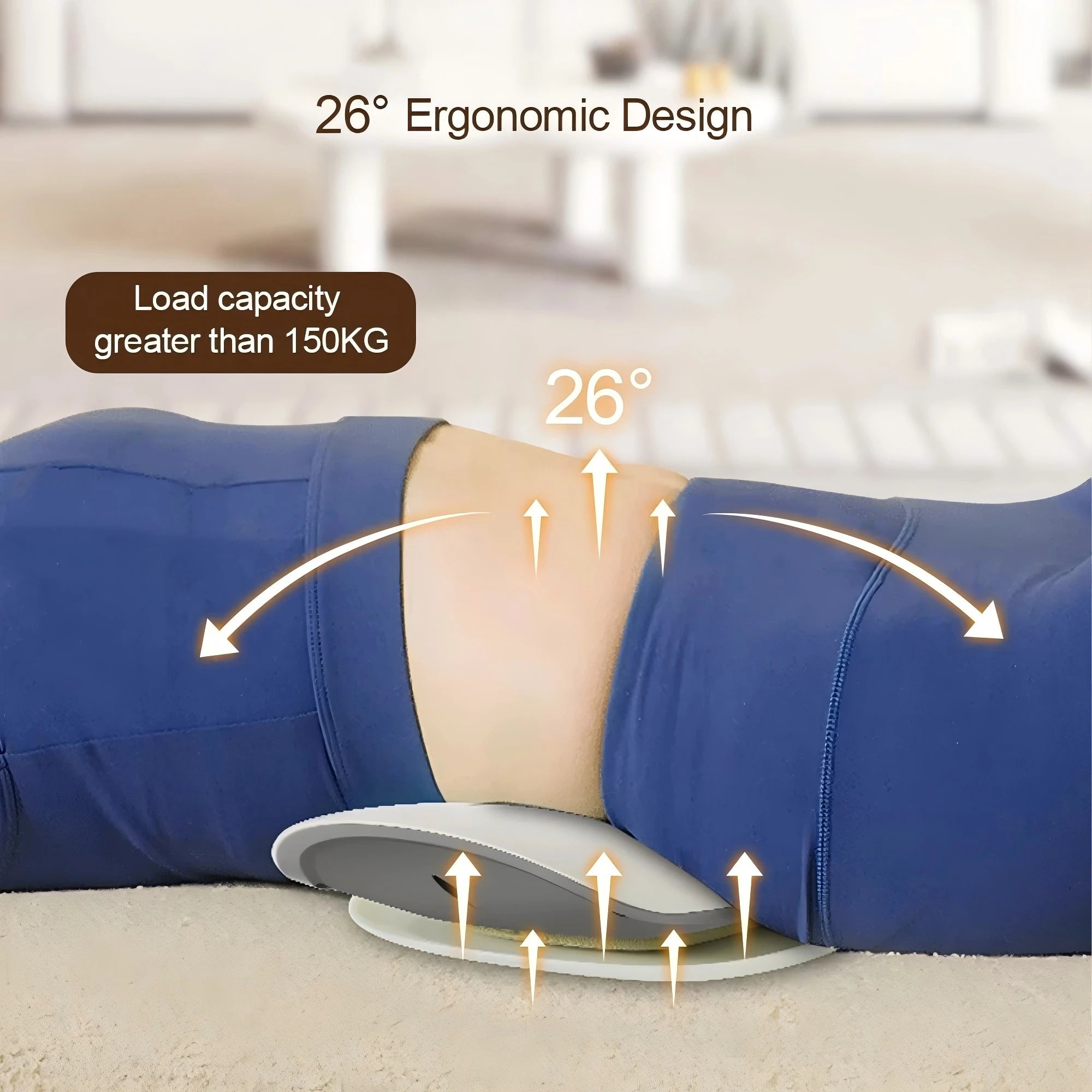
Daily lumbar massager routine for comfort — See it in action
Many users combine vibration tools with supportive devices like the lumbar-focused option available at this lumbar support solution for a more complete back-care routine.
Buying Guide: How to Choose the Right Vibration Back Massager
Key Features That Actually Matter
- Adjustable vibration intensity
- Comfortable ergonomic design
- Appropriate coverage for your target area
- Optional heat with suitable temperature control
- Portable or plug-in power that matches your routine
- Quiet operation if you plan to use it at work or before sleep
- Simple controls that make regular use easy
Common Mistakes to Avoid
- Choosing based on price alone: The cheapest device may not offer the comfort or durability needed for regular use.
- Assuming stronger is better: High intensity can be uncomfortable and is not automatically more effective.
- Ignoring fit and positioning: A device that shifts constantly may be difficult to use consistently.
- Expecting deep-tissue results from vibration: Vibration and percussion create different sensations and should not be confused.
- Expecting a device to solve persistent pain: Ongoing or worsening symptoms may require professional evaluation.
Explore more options in our Body Care and Health Devices collection to compare different solutions.
Frequently Asked Questions
Is vibration good for lower back pain?
Vibration can be helpful for some people with mild muscle-related lower back discomfort or stiffness. Lower back vibration may promote relaxation and temporarily reduce the sensation of tightness. It should not be considered a cure for persistent, severe, or unexplained back pain.
How does vibration therapy differ from TENS or EMS?
Vibration therapy uses mechanical pulses to stimulate soft tissue. TENS uses electrical stimulation primarily for nerve-related pain management, while EMS uses electrical impulses to stimulate muscle contractions. These technologies have different purposes and should not be treated as interchangeable.
Can I use a vibrating back massager every day?
Many people can use gentle vibration regularly, including daily, when the device is used according to its instructions and remains comfortable. Start with shorter sessions and stop if symptoms worsen or unusual discomfort develops.
Are heated vibration massagers more effective?
Not necessarily. Heat can make a vibration session feel more relaxing and may be useful for people who prefer warmth with muscle comfort, but it does not automatically make a device better for every type of back discomfort.
What type of vibration massager is best for office workers?
A quiet seat cushion or lumbar vibration massager is often the most convenient for office use because it can provide hands-free or easy-to-position relief during breaks. A compact handheld model may be better if you want to target different areas.
Who should avoid vibration therapy for back pain?
Anyone with a serious or unexplained medical condition, a recent significant injury, severe or worsening symptoms, or uncertainty about whether vibration is appropriate should seek individualized medical advice before using a massage device. Do not use a device over open wounds or areas where vibration causes pain or unusual symptoms.
How long should each massage session last?
Start with approximately 5–10 minutes at a comfortable intensity. Many users may find 10–15 minutes sufficient for a typical relaxation session, but always follow the manufacturer's instructions and reduce use if discomfort occurs.
Can vibration help muscle recovery after exercise?
Gentle vibration may support relaxation and reduce the sensation of muscle tightness after exercise. It works best as one part of a broader recovery routine that includes adequate rest and appropriate movement.
Can vibration therapy replace physical therapy?
No. A vibration back massager may support comfort, but it does not replace an individualized physical therapy program designed to address movement limitations, strength deficits, or an underlying condition.
What is the difference between vibration and a massage gun?
Vibration massagers generally provide gentler, more continuous stimulation, while massage guns use repeated percussive impacts that feel more intense and targeted. The better choice depends on your comfort preferences and intended use.
Related Guide: Best Lumbar Traction Device Home Compared for Real Relief













