

Does Vibration Therapy for Knees Really Work?
Vibration therapy for knees may help reduce stiffness, improve circulation, and activate the muscles that stabilize the knee joint. It is commonly used as a non-invasive complement to exercise, physical therapy, and other conservative treatments for people experiencing mild to moderate knee discomfort related to osteoarthritis, overuse, aging, or prolonged inactivity.
Rather than treating structural damage directly, vibration therapy delivers controlled mechanical pulses to the tissues surrounding the knee. These vibrations can encourage muscle activation, increase local blood flow, and temporarily reduce pain perception, making everyday movements feel more comfortable for some users.
Current evidence suggests that vibration therapy is most effective as part of a broader knee-care program—not as a standalone treatment. A vibration knee massager may provide meaningful short-term symptom relief and support mobility when combined with strengthening exercises, regular movement, and appropriate medical care where needed.
What Current Research Shows
Clinical studies investigating vibration therapy report promising, although mixed, results. Research has shown improvements in muscle activation, balance, circulation, and short-term pain reduction, particularly among people with early knee osteoarthritis or age-related declines in muscle function. However, outcomes vary depending on vibration frequency, treatment duration, and the underlying cause of knee pain.
Evidence Strength by Knee Condition
- Early knee osteoarthritis: Moderate evidence supports improvements in pain, function, and mobility when vibration therapy is combined with exercise.
- Post-exercise soreness: Evidence suggests vibration may promote recovery by improving circulation and reducing muscle fatigue.
- General stiffness: Many users report temporary improvements in flexibility and comfort after short treatment sessions.
- Severe structural injuries: Evidence remains limited, and vibration therapy should not replace professional evaluation or rehabilitation.
Who Is Most Likely to Benefit
People with mild chronic knee discomfort, sedentary lifestyles, muscle weakness around the knee, or recovery needs after physical activity are generally the most likely to experience knee vibration therapy benefits. Individuals with significant ligament injuries, fractures, severe inflammation, or recent surgery should seek medical guidance before beginning treatment.
⏱ 6 min read
Knee discomfort can make everyday activities—from climbing stairs to exercising or simply standing for long periods—more challenging than they should be. Vibration therapy for knees has become an increasingly popular at-home option because it delivers targeted stimulation that supports muscles, circulation, and joint function without relying solely on medication or restrictive braces.
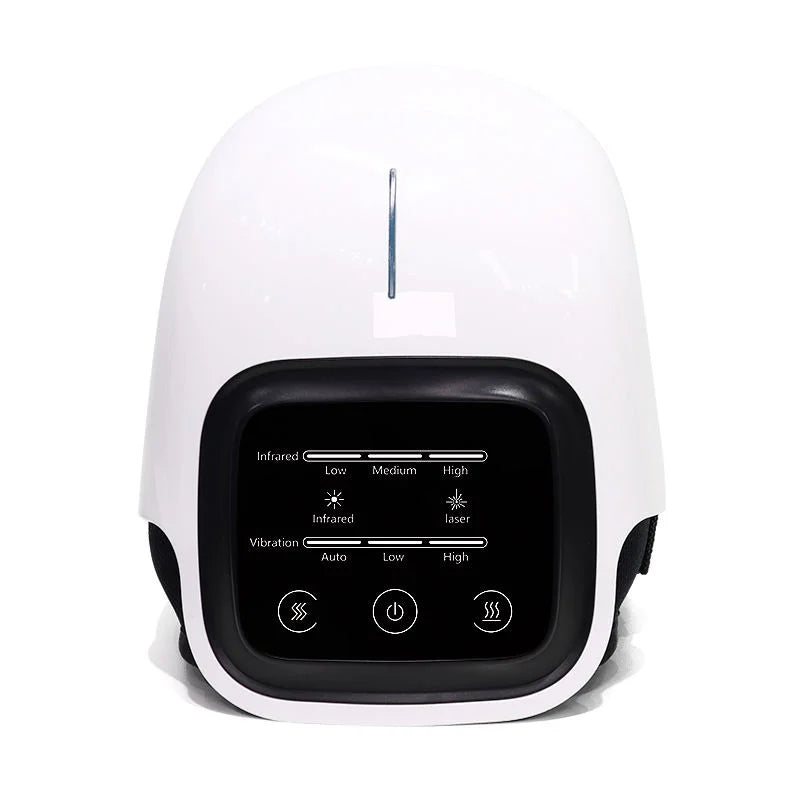
Targeted vibration therapy for knees helps stimulate comfort and mobility. See it in action.
What Research and Physical Therapy Experts Recommend
Key Clinical Findings
Physical therapists have long incorporated vibration-based techniques into rehabilitation programs to improve neuromuscular activation and restore functional movement. Clinical studies indicate that appropriately applied vibration therapy can enhance muscle recruitment, increase local circulation, and provide temporary pain relief, particularly when paired with therapeutic exercise.
Practical Takeaways
For most people, vibration therapy delivers the greatest value as an adjunct therapy rather than a replacement for strengthening, stretching, or supervised rehabilitation. Regular, moderate sessions may improve muscle engagement around the knee, helping support joint stability and everyday mobility while reducing feelings of stiffness.
Future Research
Researchers continue to evaluate the ideal vibration frequencies, treatment durations, and patient populations that benefit most. Although evidence supporting knee vibration therapy benefits continues to grow, additional long-term clinical trials are needed to determine optimal treatment protocols for specific knee conditions.
How Vibration Therapy for Knees Works
Understanding how vibration therapy works for knees helps explain why many users notice improvements in comfort and mobility. Unlike traditional massage, which primarily relaxes soft tissue through pressure, knee vibration delivers rapid mechanical stimulation that activates muscles, influences the nervous system, and supports healthy circulation around the joint.
Muscle Activation and Neuromuscular Control
Rapid mechanical vibrations trigger involuntary muscle contractions in the muscles surrounding the knee. These repeated micro-contractions help activate stabilizing muscles—including the quadriceps and supporting leg muscles—that may become weaker through inactivity, aging, or previous injury.
Improved neuromuscular control allows the knee to move more efficiently and may reduce unnecessary stress placed on the joint during walking, climbing stairs, or everyday activities.
Improved Circulation and Tissue Recovery
Vibration therapy encourages blood vessels to dilate, increasing circulation within the surrounding muscles and connective tissues. Better blood flow helps deliver oxygen and nutrients while assisting the removal of metabolic by-products that can contribute to post-activity soreness and stiffness.
Many users experience a warming sensation during treatment, reflecting increased circulation and temporary muscle relaxation.
Pain Modulation and Proprioception
Vibration can temporarily reduce pain perception by influencing how sensory nerves transmit signals to the brain. At the same time, it enhances proprioception—the body's awareness of joint position—which may improve balance, coordination, and confidence during movement.
Effects on Joint Function
Although vibration therapy does not repair cartilage or reverse arthritis, improved muscle activation, circulation, and sensory feedback may collectively support smoother movement, better joint stability, and greater comfort during daily activities. These benefits are typically most noticeable when therapy is used consistently alongside strengthening exercises and healthy movement habits.
Key Vibration Therapy Benefits for Knee Pain
When incorporated into a consistent self-care routine, vibration therapy may improve comfort, mobility, and muscle function around the knee. Although results vary depending on the underlying condition, regular use is associated with several practical benefits that support daily movement and recovery.
Reduced Joint Stiffness and Improved Mobility
Periods of prolonged sitting or inactivity often leave the knee feeling stiff because surrounding muscles tighten and circulation slows. Gentle vibration helps stimulate soft tissues, promote joint movement, and reduce the feeling of stiffness, making it easier to begin walking or exercising.
Support for Post-Exercise Recovery
After workouts, hiking, or physically demanding activities, vibration therapy may encourage faster recovery by increasing local blood flow and helping muscles relax. Many users report less post-exercise soreness and greater comfort when vibration sessions are combined with stretching and appropriate recovery practices.
Improved Muscle Activation for Aging Knees
Age-related muscle weakness can reduce knee stability and increase fatigue during everyday activities. Regular vibration therapy may help activate key stabilizing muscles, supporting balance, walking confidence, and overall functional movement in older adults.
Temporary Pain Relief
Some individuals experience short-term pain reduction because vibration influences sensory nerve pathways while decreasing muscle tension around the joint. Although this effect is temporary, it can make daily activities and therapeutic exercise more comfortable.
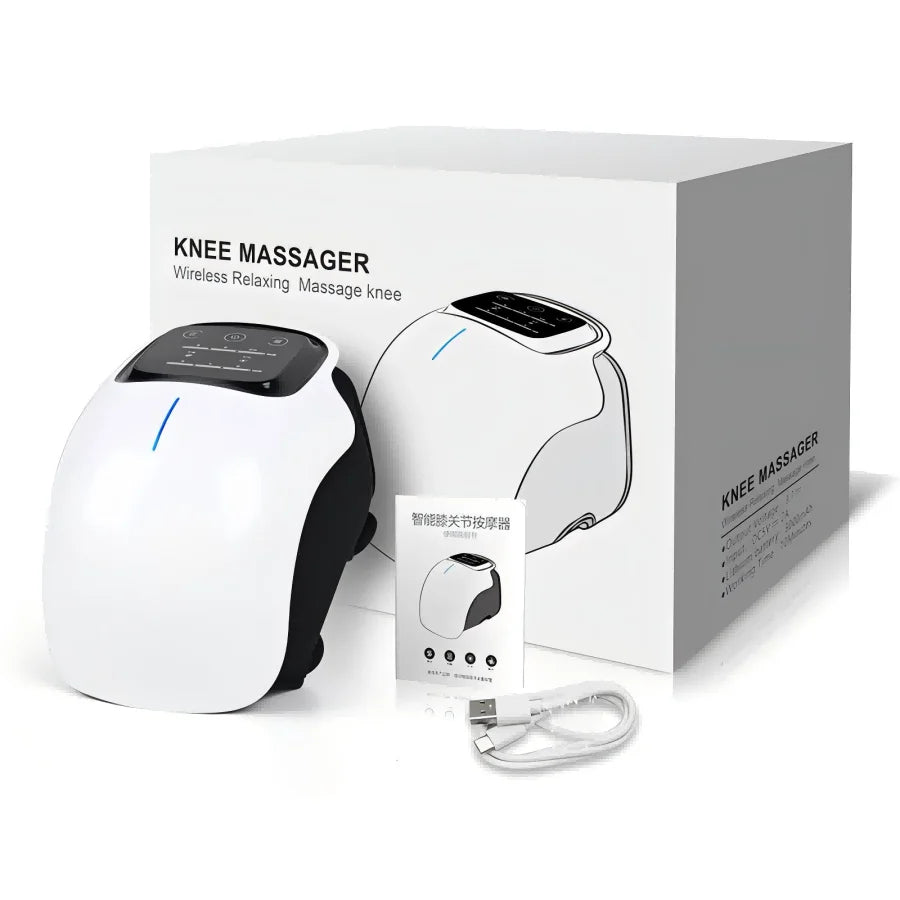
A vibration knee massager delivers focused comfort. Experience the difference.
Do Knee Massagers Work for Long-Term Comfort?
Many people ask, " Do knee massagers work? " The answer depends on expectations and the cause of the discomfort. A vibration knee massager can be an effective tool for managing mild to moderate symptoms, but it delivers the best results when used alongside strengthening exercises, healthy movement habits, weight management, and professional care when appropriate.
Where They Fit in a Treatment Plan
Vibration knee massagers are designed to provide targeted stimulation that supports circulation, muscle activation, and temporary pain relief. They are particularly useful as part of a conservative treatment strategy rather than a replacement for medical care.
When a Vibration Knee Massager Helps the Most
- Daily stiffness caused by prolonged sitting or reduced activity
- Post-workout muscle soreness and recovery
- Mild arthritis-related discomfort
- Muscle fatigue surrounding the knee joint
- Support during home mobility and strengthening routines
When Results Are Limited
Vibration therapy cannot repair torn ligaments, severe cartilage damage, fractures, or advanced joint disease. Persistent swelling, joint instability, severe pain, or symptoms following an acute injury require evaluation by a healthcare professional rather than self-treatment alone.
Combining With Exercise and Physical Therapy
Research consistently suggests that vibration therapy works best as an adjunct treatment. Pairing a vibrating knee massager with strengthening exercises, flexibility training, and physical therapy may produce greater improvements in mobility and function than either approach alone.
| Feature | Vibration Knee Massager | Traditional Brace |
|---|---|---|
| Active muscle stimulation | ✅ Yes | ❌ No |
| Supports circulation | ✅ Yes | ⚠ Limited |
| Comfort during rest | ✅ High | ⚠ Moderate |
| Helps improve muscle activation | ✅ Yes | ❌ No |
| Provides structural joint support | ⚠ Limited | ✅ Yes |
Vibration Therapy vs Traditional Knee Supports
Both vibration therapy devices and traditional knee supports have valuable roles, but they work in different ways and are often most effective when used together.
- Active vs. passive support: Vibration stimulates muscles and circulation, while braces primarily stabilize the joint through external support.
- Comfort-focused therapy: Vibration provides gentle stimulation without the constant compression some users find uncomfortable.
- Convenient daily use: Most wearable devices require only short treatment sessions that fit easily into home routines.
- Complementary care: Vibration therapy can be combined with braces, strengthening exercises, and rehabilitation programs rather than replacing them.
Types of Knee Vibration Therapy Devices
Choosing the right vibration therapy device depends on your symptoms, mobility goals, and how you plan to use it. Some devices provide highly targeted treatment around the knee, while others deliver broader muscle stimulation to the lower body.
Wearable Vibration Knee Massagers
Wearable wrap-around devices deliver localized vibration directly to the knee joint and surrounding muscles. They are well suited for daily home use because they provide targeted therapy without requiring additional equipment. Many models also feature adjustable intensity settings for personalized comfort.
Knee Vibration Machines and Platforms
Whole-body vibration platforms stimulate the muscles of the legs while standing on a vibrating surface. Although they do not focus exclusively on the knee, they may improve lower-body muscle activation, balance, and functional strength when used appropriately under guidance.
Compression + Vibration Hybrid Devices
Hybrid devices combine vibration with intermittent air compression to support circulation, reduce feelings of muscle fatigue, and encourage recovery after activity. Some models also incorporate gentle heat for additional comfort during treatment sessions.
How to Use a Vibration Knee Massager Safely and Effectively
Proper technique helps maximize the benefits of vibration therapy while minimizing unnecessary discomfort. Start with conservative settings and gradually increase intensity only if treatments remain comfortable.
Recommended Session Length and Frequency
For most healthy adults, sessions of 10 to 20 minutes , once or twice daily, are sufficient. Daily consistency is generally more beneficial than using high-intensity settings for extended periods.
Best Time to Use Knee Vibration Therapy
- After exercise to support muscle recovery
- During the evening to ease stiffness accumulated throughout the day
- Following prolonged sitting, driving, or desk work
- Before gentle stretching or mobility exercises to help loosen surrounding muscles
Safety Tips and When to Avoid Vibration Therapy
Although vibration therapy is generally well tolerated, it is not appropriate for everyone. Consult a healthcare professional before use if you have recently undergone knee surgery, have an acute injury, severe joint inflammation, blood clotting disorders, uncontrolled circulatory conditions, or any medical condition requiring activity restrictions.
- Position the device securely without excessive tightness.
- Begin with a low or moderate vibration setting.
- Remain relaxed and avoid unnecessary movement during treatment.
- Stop using the device if pain, dizziness, numbness, or worsening symptoms develop.
- Use the device consistently rather than increasing treatment intensity excessively.
Who Benefits Most From Vibration Knee Therapy
Vibration therapy may benefit a wide range of people seeking additional support for knee comfort, recovery, and mobility. Individual results depend on the underlying cause of symptoms and should be considered alongside an overall treatment plan.
People With Arthritis or Chronic Knee Pain
Individuals with mild to moderate osteoarthritis or chronic stiffness may experience temporary improvements in comfort, flexibility, and functional movement when vibration therapy is combined with appropriate exercise and medical guidance.
Athletes and Active Individuals
Recreational exercisers and competitive athletes often use vibration therapy after demanding workouts to help reduce muscle fatigue, encourage circulation, and support recovery before their next training session.
Older Adults Seeking Daily Joint Support
Older adults may benefit from regular muscle activation around the knee, helping maintain mobility, confidence during walking, and overall functional independence as part of a healthy lifestyle.
Many users combine vibration therapy with other recovery tools available in the Body Care and Health Devices collection.
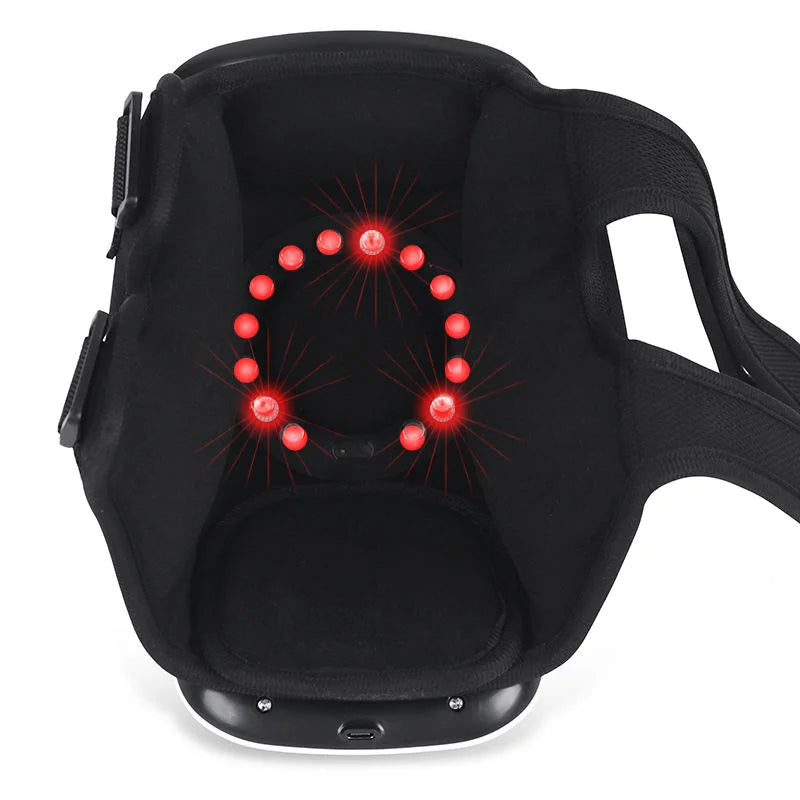
Support your knees with daily vibration therapy benefits. See real results.
Frequently Asked Questions About Vibration Therapy for Knees
How often should vibration therapy for knees be used?
For most healthy adults, vibration therapy for knees can be used once or twice daily for 10–20 minutes per session. Start with shorter sessions at a comfortable intensity and adjust based on your response. If you have an existing medical condition or are recovering from surgery, follow your healthcare provider's recommendations.
Is vibration therapy safe for aging knees?
Yes, vibration therapy is generally considered safe for aging knees when used according to the manufacturer's instructions. Many older adults use it to help manage stiffness, encourage muscle activation, and improve mobility. However, individuals with recent fractures, severe joint instability, blood clotting disorders, or other significant medical conditions should consult a healthcare professional before beginning treatment.
Can vibration knee massagers replace exercise?
No. A vibration knee massager is designed to complement—not replace—regular exercise, stretching, and strengthening. Combining vibration therapy with an active rehabilitation or fitness program typically provides better long-term improvements in knee function than either approach alone.
Are knee vibration machines safe for arthritis?
Many people with mild to moderate knee osteoarthritis find vibration therapy helpful for reducing temporary stiffness and improving comfort. While current evidence suggests it may support mobility and muscle function, it should be viewed as part of a broader arthritis management plan rather than a cure. People with severe arthritis or worsening symptoms should seek medical advice before use.
How long does it take to feel results?
Some users notice temporary relief immediately after a session because of increased circulation and muscle relaxation. More meaningful improvements in mobility and comfort generally develop after several weeks of consistent use alongside regular exercise and healthy movement habits.
Can vibration therapy reduce knee osteoarthritis pain?
Research suggests vibration therapy may help reduce pain and improve function in people with mild to moderate knee osteoarthritis, particularly when combined with strengthening exercises and physical therapy. Individual results vary depending on the severity of joint changes and overall treatment approach.
What vibration frequency is best for knee therapy?
There is no single ideal vibration frequency for everyone. Effective settings depend on the device, treatment goals, and individual tolerance. Most wearable knee massagers are designed to operate within therapeutic ranges selected by the manufacturer, making moderate intensity a sensible starting point for most users.
Can you use a vibration knee massager every day?
Yes, many people safely use a vibration knee massager daily for short sessions. Consistent moderate use is generally preferable to infrequent, high-intensity treatments. Discontinue use and consult a healthcare professional if symptoms worsen.
Is whole-body vibration better than a wearable knee massager?
Neither option is universally better. Whole-body vibration platforms stimulate multiple muscle groups and may support overall lower-body strength, while wearable knee massagers provide focused treatment directly around the knee joint. The best choice depends on your symptoms, goals, and rehabilitation plan.
Who should avoid vibration therapy for knees?
Vibration therapy may not be appropriate for individuals with recent fractures, acute ligament injuries, severe inflammation, active infections, certain circulatory disorders, blood clots, or immediately after surgery unless approved by a healthcare provider. When in doubt, seek professional medical guidance before beginning treatment.
Can vibration therapy help after knee replacement surgery?
Some rehabilitation programs may incorporate vibration therapy during later stages of recovery, but timing should always be determined by the orthopedic surgeon or physical therapist. It should never be started independently during the early healing phase.
How long should a knee vibration therapy session last?
Most sessions last between 10 and 20 minutes. Longer sessions do not necessarily produce better outcomes and may increase discomfort in some individuals. Following the device manufacturer's instructions is recommended.
Can vibration therapy replace physical therapy for knee pain?
No. Vibration therapy is best used as an adjunct to physical therapy rather than a substitute. A comprehensive rehabilitation program that includes strengthening, flexibility exercises, and movement training remains the foundation of long-term knee health.
For more recovery-focused tools, explore options in the Body Care and Health Devices collection.













