

Do thermal hooded sweatshirts really keep you warm?
Thermal hooded sweatshirts can help regulate body temperature by combining layered fabrics, lightweight insulation, and airflow control. Unlike basic cotton hoodies that may trap heat unevenly, thermal designs aim to maintain comfortable warmth while reducing unnecessary bulk. They are especially useful for people who want a balance between protection from cooler temperatures and everyday comfort.
What Is the Warmest Type of Hoodie? Materials, Breathability & Temperature Control Explained
What Is the Warmest Type of Hoodie? (Quick Answer)
The warmest type of hoodie is usually a sherpa-lined hoodie or a heavyweight fleece hoodie , but the best choice depends on how your body handles heat. A very thick hoodie may provide maximum insulation, while a lighter thermal or fleece hoodie can offer better comfort for people who overheat easily.
For a hoodie that balances warmth and comfort, look for:
- Breathable fleece or thermal fabric layers
- Medium-to-heavy fabric weight based on your climate
- Moisture-wicking materials that manage sweat
- A comfortable fit that allows airflow
- Construction that blocks drafts without trapping excessive heat
Traditional cotton hoodies feel soft and comfortable but often provide less temperature control. Performance fabrics, fleece blends, and thermal materials are usually better choices because they can manage both warmth and breathability.
The warmest hoodie is not always the thickest one. True comfort comes from balancing insulation, airflow, moisture control, and fabric performance. This guide explains how hoodie materials and construction affect real-world temperature regulation so you can choose the right option for your needs.
⏱ 7 min read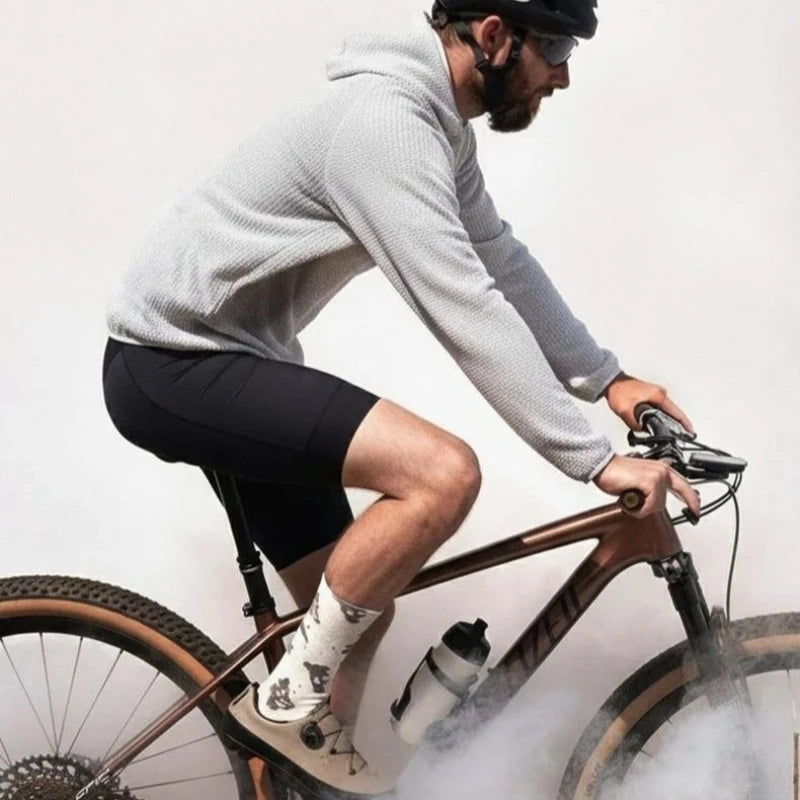
Thermal hooded sweatshirts designed for balanced warmth and everyday comfort — See it in action
What Determines How Warm a Hoodie Is?
Insulation vs Thickness vs Weight (GSM Explained)
Hoodie warmth depends on more than thickness. The most comfortable hoodies combine fabric density, insulation structure, and breathability to maintain a stable temperature.
This is often measured using GSM (grams per square meter) , which indicates fabric weight and density. A higher GSM hoodie usually contains more material, but heavier fabric does not automatically mean better comfort for every wearer.
- 200–250 GSM: Lightweight hoodies designed for mild temperatures and easy layering
- 250–300 GSM: Midweight hoodies suitable for everyday wear and changing conditions
- 300–400+ GSM: Heavyweight hoodies designed for maximum insulation in colder environments
For people who tend to overheat, a medium-weight hoodie with breathable fabric may perform better than an extremely thick option. The ideal hoodie provides enough insulation while allowing excess heat and moisture to escape.
Warmth vs Breathability vs Temperature Regulation
A high-performing hoodie needs to balance three important factors:
- Insulation: Helps retain comfortable warmth through fleece, thermal layers, or dense fabrics
- Breathability: Allows airflow to reduce heat buildup during movement
- Moisture control: Helps manage sweat and prevents damp fabric from becoming uncomfortable
A hoodie that only focuses on trapping heat may feel too warm during activity. The best designs combine warmth with airflow and moisture management for all-day comfort.
Hoodie Materials Compared: Cotton vs Polyester vs Merino vs Blends
Cotton Hoodies: Soft but Less Temperature Adaptive
Cotton hoodies are popular because they feel soft, comfortable, and breathable for everyday wear. However, cotton absorbs moisture and dries slowly, which can make the fabric feel heavy or uncomfortable when you sweat.
For people who run hot, lightweight cotton can work well in mild conditions, but it may not provide the best temperature control during activity or changing weather.
Polyester Hoodies: Lightweight and Sweat Friendly
Polyester hoodies are often better suited for active wear because synthetic fibers can help move moisture away from the skin. Their lightweight construction allows better airflow while maintaining a comfortable level of warmth.
A moisture-wicking polyester hoodie is a practical choice for commuters, workouts, travel, and anyone who wants warmth without excessive heat buildup.
Merino Wool Hoodies: Natural Temperature Control
Merino wool hoodies offer natural temperature regulation by helping retain warmth in cooler conditions while remaining breathable when temperatures rise. Unlike traditional wool, merino fibers are softer and more comfortable against the skin.
They are especially useful for outdoor activities where conditions can change because the material helps balance insulation and airflow.
Blended Fabrics: Best Balance for Daily Wear
Fabric blends combine the strengths of different materials. Cotton-polyester blends, for example, can provide the softness of cotton with improved durability, moisture management, and faster drying performance.
For most people, blended hoodies offer the best everyday balance between comfort, breathability, and temperature control.
Fleece vs Sherpa Hoodie Warmth: Which Is Better?
Fleece and sherpa are both designed to improve warmth, but they create different wearing experiences.
- Sherpa: Provides a thicker, plush feel with stronger insulation, making it better for colder environments or low-activity use.
- Fleece: Offers a lighter feel with better airflow, making it more versatile for movement and daily wear.
For maximum insulation, sherpa-lined hoodies remain one of the warmest choices. However, fleece hoodies often provide better temperature control because they reduce heat buildup while still offering comfortable warmth.
What Makes Thermal Hooded Sweatshirts Different?
Thermal hooded sweatshirts are designed to balance warmth, comfort, and mobility rather than simply adding bulk. They typically combine layered fabrics, lightweight insulation, and construction features that help maintain a comfortable body temperature.
Unlike basic hoodies that may either lose warmth quickly or trap too much heat, thermal designs aim to create a more consistent wearing experience. This makes them useful for everyday activities where temperatures, movement levels, and comfort needs can change throughout the day.
How Hoodie Temperature Regulation Works
A comfortable hoodie does more than trap heat. The best designs help your body maintain a stable temperature by balancing insulation, airflow, and moisture management.
- Breathable fibers: Allow excess heat to escape instead of creating a stuffy feeling
- Moisture control: Helps move sweat away from the skin for better comfort
- Layer structure: Provides warmth while maintaining airflow
A hoodie that manages temperature effectively can feel comfortable across different conditions, while a poorly ventilated hoodie may cause overheating even if the fabric is lightweight.
How Hoodie Construction Affects Comfort and Temperature Control
Pullover Hoodies vs Zip-Up Hoodies
Pullover and zip-up hoodies offer different advantages. Pullover hoodies provide a more enclosed design that can retain warmth, while zip-up hoodies allow faster ventilation and easier temperature adjustment.
For people who tend to run hot, zip-up styles can be more practical because they allow you to open the front and release excess heat during activity or indoor use.
Ribbed Cuffs, Hem, and Fit
Small construction details can significantly affect how comfortable a hoodie feels throughout the day.
- Ribbed cuffs: Help create a secure fit while allowing comfortable movement
- Adjustable hems: Let you control airflow and coverage
- Relaxed fit: Improves circulation and prevents excessive heat buildup
- Lightweight construction: Reduces bulk while maintaining everyday comfort
The ideal hoodie design depends on your activity level, climate, and personal temperature preference. Features that improve airflow and adjustability are especially valuable for people who overheat easily.
Hoodie Temperature Regulation Comparison Table
| Material | Temperature Control | Best Use | Breathability |
|---|---|---|---|
| Sherpa-lined | Very Warm | Cold environments and low-activity wear | Low |
| Fleece | Warm with airflow | Everyday wear and outdoor movement | Medium |
| Wool blend | Adaptive warmth | Changing temperatures and outdoor activities | Medium |
| Cotton | Light warmth | Mild weather and casual layering | High |
Best Hoodie by Use Case
Best Hoodie for Indoor AC Environments
For offices, homes, and indoor spaces with strong air conditioning, lightweight fleece or cotton-blend hoodies provide comfortable coverage without causing overheating. A breathable fabric helps maintain comfort when moving between cooler and warmer areas.
Best Hoodie for Walking and Commuting
Commuters benefit from hoodies that balance warmth, airflow, and moisture control. Lightweight fleece, polyester blends, and thermal hoodies can provide protection from changing temperatures while remaining easy to wear throughout the day.
Best Hoodie for Workouts and Outdoor Activity
Active users should prioritize moisture-wicking fabrics and breathable construction. Polyester or performance blends are often better choices because they help manage sweat while allowing excess heat to escape during movement.
Best Hoodie for Layering
A versatile midweight hoodie works well as part of a layering system. Choose a design that fits comfortably under jackets without excessive bulk and provides enough breathability for temperature changes.
Thermal Hoodie vs Standard Hoodie Comparison
| Feature | Thermal Hooded Sweatshirts | Standard Hoodies |
|---|---|---|
| Temperature Regulation | Designed for balanced warmth and comfort | Basic coverage with limited performance features |
| Breathability | Often improved through layered fabric construction | Depends mainly on fabric type |
| Weight | Lightweight warmth without unnecessary bulk | Varies from lightweight to heavyweight |
| Versatility | Suitable for changing conditions and layering | Best for casual everyday wear |
When and How to Wear a Hoodie for Better Temperature Control
A hoodie becomes more versatile when used as part of a flexible layering system that allows you to adjust comfort throughout the day:
- Base layer: A lightweight moisture-wicking shirt helps manage sweat and keeps the skin comfortable.
- Mid layer: A breathable hoodie provides insulation while allowing airflow.
- Outer layer: A jacket or shell adds protection when extra coverage is needed.
In mild conditions, a lightweight hoodie may provide enough comfort on its own. In changing temperatures, layering allows you to add or remove protection without overheating.
For lifestyle-focused comfort, explore complementary items in the Lifestyle collection.

Thermal pullover hoodie for everyday comfort and temperature control — See it in action
Final Recommendations: Choosing the Best Hoodie for Your Body Temperature
The best hoodie depends on how your body responds to temperature, your activity level, and the environment where you plan to wear it. The warmest option is not always the most comfortable option if it causes overheating.
- For people who run cold: Choose thermal hoodies, fleece layers, or sherpa-lined designs that provide stronger insulation.
- For people who run hot: Choose lightweight hoodies with breathable fabrics, moisture control, and relaxed fits.
- For everyday versatility: Fleece blends and thermal hooded sweatshirts offer a practical balance of warmth and airflow.
- For active use: Prioritize moisture-wicking materials that help regulate body temperature during movement.
Understanding fabric, construction, and temperature regulation makes it easier to choose a hoodie that feels comfortable in real-world conditions rather than relying on thickness alone.
Frequently Asked Questions
Are there hoodies designed specifically for people who run hot or cold?
Yes. Hoodies are available with different fabric weights, insulation levels, and breathability features. People who run hot often benefit from lightweight, moisture-wicking materials, while those who feel cold may prefer fleece or thermal-lined designs.
What is the best hoodie material for people who overheat?
Lightweight polyester blends, breathable cotton blends, and moisture-wicking performance fabrics are often better choices for people who overheat easily because they allow airflow and help manage sweat.
Are fleece hoodies too warm for people who run hot?
Not always. Lightweight fleece can provide comfortable warmth without excessive bulk, but heavyweight fleece may feel too warm during high activity or in warmer environments.
What hoodie fabrics are best for sweating?
Moisture-wicking polyester, performance blends, and breathable fabrics are typically better for sweaty wearers because they help move moisture away from the skin and dry faster than traditional cotton.
Can a lightweight hoodie still keep you warm?
Yes. A lightweight hoodie can provide effective warmth when it uses efficient fabric construction, thermal layers, or breathable insulation that helps maintain comfortable body temperature.
Upgrade to thermal hooded sweatshirts now
Related Guide: Thermal Hooded Sweatshirt Guide: How to Stay Warm Without Bulk













