

Best Ear Warmers for Winter (2026): Top Picks for Extreme Cold, Running & Everyday Comfort
Finding the best ear warmers for winter means balancing warmth, comfort, fit, and protection from harsh wind. Whether you are commuting, running outdoors, hiking, skiing, or simply walking on cold days, the right pair helps keep your ears protected without feeling bulky.
⏱ 7 min read
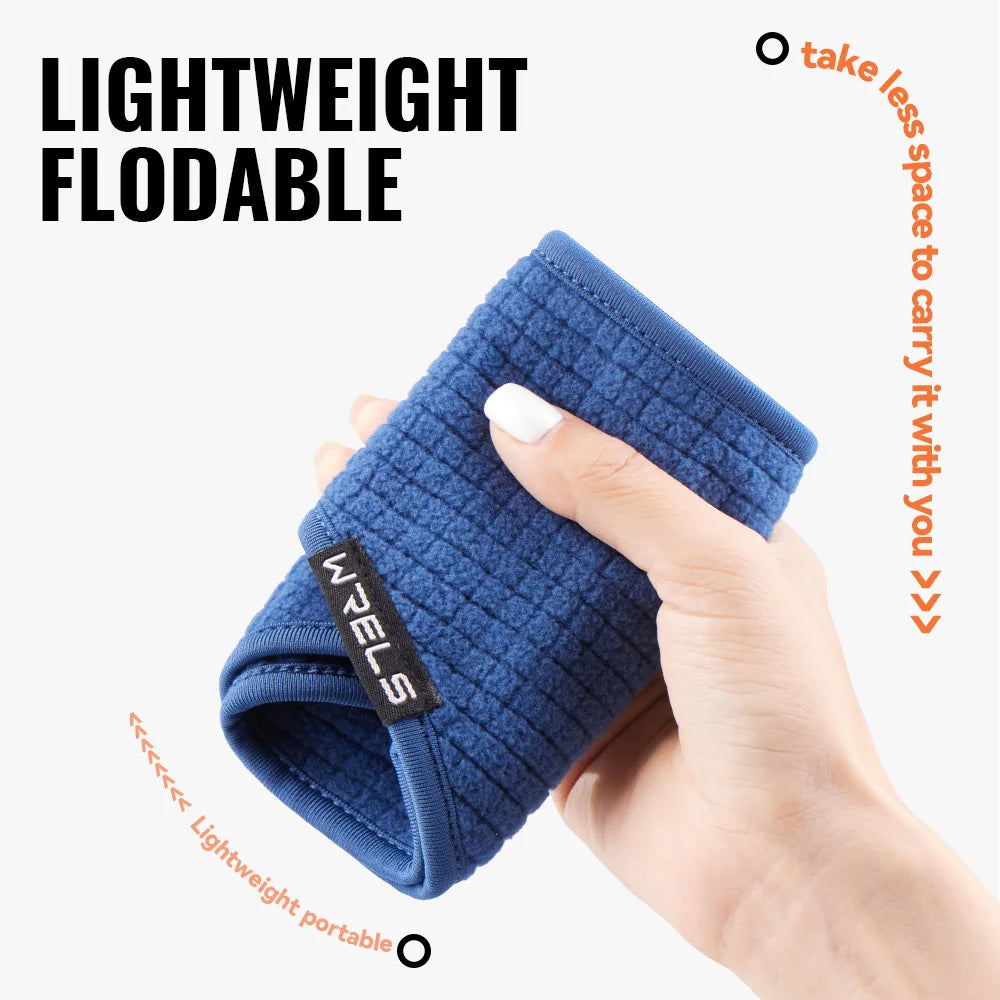
Lightweight warmth meets everyday comfort — fleece ear warmer headband for cold, windy days. See it in action
Why Choosing the Right Ear Warmers Matters
Cold weather affects your ears quickly because they have less natural insulation than many other parts of the body. The best ear warmers for winter help trap heat, reduce wind exposure, and maintain comfort during outdoor activities.
Choosing the wrong style can lead to cold spots, pressure discomfort, slipping during movement, or overheating during exercise. The ideal pair depends on your climate, activity level, and whether you prioritize maximum warmth or lightweight flexibility.
Who Needs Ear Warmers Most
Ear warmers are especially useful for people who spend extended time outdoors, including:
- Runners and walkers exercising in cold temperatures.
- Commuters exposed to cold wind during cycling or public transportation.
- Hikers and outdoor workers facing long periods outside.
- Skiers and snowboarders needing extra ear protection under helmets.
- Anyone who finds winter hats too bulky or uncomfortable.
Ear Warmers vs Beanies vs Earmuffs
| Type | Main Benefit | Best For | Limitation |
|---|---|---|---|
| Ear Warmers | Targeted ear protection with lightweight comfort | Running, commuting, layering | Less head coverage |
| Beanies | Covers head and ears | Everyday winter wear | Can feel warm during exercise |
| Earmuffs | Maximum ear coverage | Extreme cold conditions | Bulkier for active use |
How Cold Wind Affects Your Ears
Cold wind removes heat faster from exposed skin, making ears feel painful or numb. The best ear protection for cold wind uses insulating materials combined with a secure fit to block airflow while maintaining comfort.
Top Factors to Consider Before Buying Ear Warmers
Warmth Level & Material
The warmest ear warmers typically use fleece, wool, or synthetic thermal fabrics designed to trap air close to the skin. Fleece ear warmers are popular because they provide soft insulation, dry quickly, and remain comfortable for everyday use.
Fit & Coverage Style
A proper fit prevents heat loss and keeps ear warmers secure. Headband styles are lightweight and flexible, while behind-the-head designs work well with hats and helmets.
Windproof & Water Resistance
For cycling, skiing, and hiking, choose windproof ear warmers with protective outer layers. Wind-resistant panels help prevent cold air from reaching your ears during harsh conditions.
Breathability & Moisture Management
Active users need breathable fabrics that release heat and sweat. Moisture-wicking materials help prevent discomfort during running or workouts.
Packability & Helmet Compatibility
Thin, flexible ear warmers are easier to store and fit better under bike, ski, or climbing helmets without creating pressure points.
Editor's Top Picks at a Glance
Best Overall
KentDO Fleece Ear Warmer Headband — A balanced choice for daily winter protection, combining soft fleece comfort with lightweight coverage.
Best Budget
Simple fleece headbands offer affordable warmth for casual outdoor activities and short winter walks.
Best Premium
Advanced insulated designs with windproof materials provide stronger protection for severe weather conditions.
Best for Running
Lightweight moisture-wicking ear warmers designed to stay secure during movement.
Best for Extreme Cold
Thicker insulated styles with wind-blocking layers are ideal for skiing, hiking, and extended outdoor exposure.
Side-by-Side Comparison Table
| Product | Material | Warmth Level | Wind Protection | Fit Style | Best Use |
|---|---|---|---|---|---|
| KentDO Fleece Ear Warmer Headband | Soft Fleece | High | Moderate | Stretch Headband | Everyday Winter & Commuting |
| ThermaFleece Pro | Fleece + Windproof Layer | High | Yes | Headband | Cold Weather Activities |
| RunMate Light | Breathable Fleece | Medium | No | Headband | Running & Workouts |
| SnowShield Max | Insulated Fleece | Extreme | Yes | Behind-the-Head | Extreme Cold |
Best Ear Warmers for Winter: Our Expert Rankings
Best Overall Ear Warmers
The KentDO fleece ear warmer headband is designed for everyday winter comfort. Its soft fleece construction provides warmth without the bulk of traditional earmuffs, making it suitable for commuting, walking, and outdoor activities.
Best for: Daily winter wear, casual outdoor use, and lightweight protection.
Pros: Comfortable fleece material, lightweight design, easy to wear.
Limitations: Not designed for the coldest extreme-weather conditions without additional layers.
Best for Running & Workouts
Running ear warmers should prioritize breathability, stretch, and stability. Lightweight fleece blends help keep ears protected while allowing heat to escape during intense activity.
Best Behind-the-Head Style
Behind-the-head ear warmers are ideal for people who wear glasses, helmets, or winter hats. They reduce pressure on the top of the head while maintaining ear coverage.
Best Fleece Ear Warmers
Fleece remains one of the most popular winter materials because it combines softness, insulation, and quick drying. Quality fleece ear warmers provide reliable warmth for everyday cold-weather use.
Best for Skiing & Snow Sports
Skiers need ear warmers that fit securely under helmets and protect against wind. Look for insulated materials and low-profile designs.
Best Budget Option
Affordable fleece headbands are suitable for mild winter climates and occasional outdoor activities where extreme insulation is unnecessary.
Best Premium Option
Premium models typically include multiple insulation layers, stronger wind resistance, and improved durability for frequent outdoor use.
Best for Commuting
For daily commuting, comfort and packability matter most. A lightweight fleece headband provides enough warmth without feeling restrictive.
Best for Cycling
Cyclists should choose wind-resistant ear warmers that stay secure under helmets and reduce exposure to fast-moving cold air.
Best for Extreme Cold
For freezing temperatures, choose insulated ear warmers with windproof layers and full ear coverage to maximize heat retention.
How We Evaluated These Ear Warmers
Warmth Testing
We evaluated insulation performance by considering material thickness, heat retention, and protection against cold wind.
Comfort & Fit
Comfort testing focused on softness, pressure points, adjustability, and whether ear warmers stayed secure during movement.
Wind Resistance
Products were compared based on their ability to block airflow during outdoor activities.
Durability & Value
We considered material quality, cleaning requirements, and long-term usefulness compared with price.
Material Comparison: Which Keeps Ears Warmest?
Fleece
Fleece ear warmers offer excellent softness, lightweight insulation, and fast drying. They are ideal for everyday winter wear.
Wool
Wool provides natural insulation and performs well in cold environments, although some users may find it less soft than fleece.
Knit
Knit materials provide comfort and flexibility but may offer less wind resistance unless combined with a protective layer.
Synthetic Performance Fabrics
Synthetic thermal fabrics are often designed for active users because they balance insulation, breathability, and moisture control.
Best Ear Warmers by Activity
Running
Choose lightweight, breathable ear warmers that prevent overheating while protecting ears from cold air.
Hiking
Hikers benefit from thermal ear warmers with strong insulation and wind resistance for changing weather conditions.
Cycling
Windproof designs are best because cycling creates continuous airflow against exposed ears.
Skiing
Low-profile ear warmers that fit under helmets provide warmth without reducing comfort.
Daily Commuting
Soft fleece headbands are convenient for everyday winter travel because they are lightweight and easy to carry.
How to Wear Ear Warmers for Maximum Warmth
Layering with Hats
For extreme cold, combine ear warmers with a winter hat to create additional insulation around the head and ears.
Helmet Compatibility
Choose thin, flexible styles that fit comfortably under helmets without creating pressure.
Preventing Slippage
- Position the band securely over both ears.
- Select the correct size and stretch level.
- Keep hair flat underneath for better contact.
What Real Users Say: Hands-On Insights
Common Praise
- Soft fleece materials feel comfortable for long wear.
- Lightweight designs are easier to wear than bulky earmuffs.
- Flexible headbands work well for commuting and casual activities.
Common Complaints
- Some lightweight styles may need extra layering in extreme cold.
- Very thick designs can feel bulky during active use.
Who Should Buy Which Style
Choose fleece headbands for everyday comfort, windproof designs for harsh weather, and lightweight athletic styles for running or workouts.
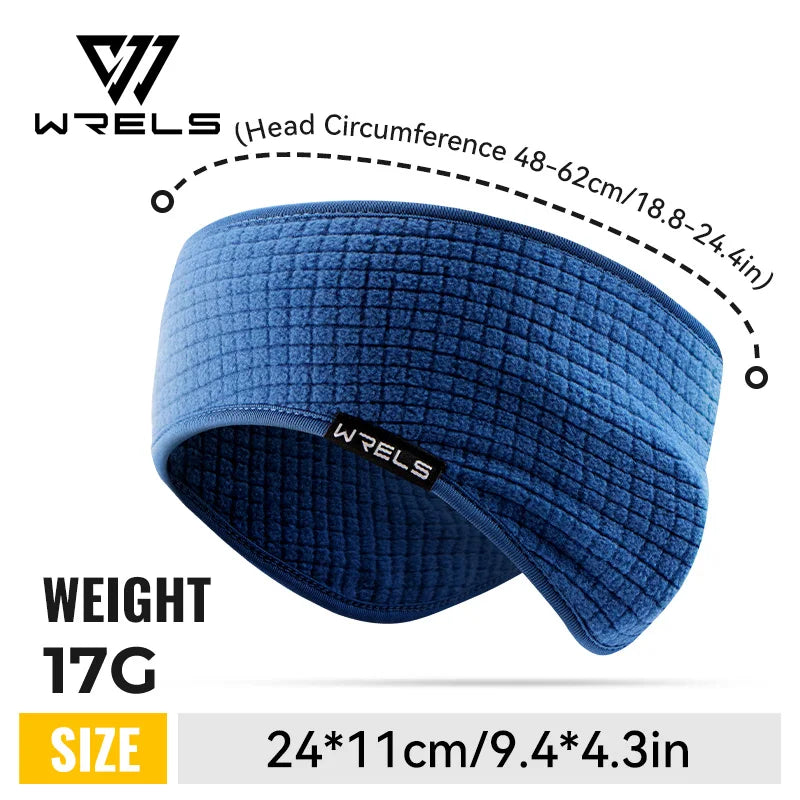
Designed to protect ears from wind during active winter days. See it in action
Care and Maintenance Tips
Cleaning by Material
Wash fleece ear warmers according to manufacturer instructions. Avoid harsh detergents that may reduce softness or insulation performance.
Storage
Store ear warmers in a dry location and avoid compressing them for long periods to maintain their shape.
When to Replace
Replace ear warmers when the fabric loses elasticity, insulation becomes noticeably thinner, or seams begin separating.
FAQs About Ear Warmers for Cold Weather
What are the warmest ear warmers for extreme cold?
The warmest ear warmers use thick insulation, windproof layers, and full ear coverage. For freezing conditions, choose thermal or insulated designs rather than lightweight fleece alone.
Are fleece ear warmers better than wool?
Fleece ear warmers are softer, lighter, and easier to maintain, while wool offers strong natural insulation. The best choice depends on comfort preference and weather conditions.
Do windproof ear warmers block hearing?
Most windproof ear warmers reduce airflow without completely blocking hearing. Low-profile designs usually maintain better awareness during outdoor activities.
Can ear warmers be worn under a ski helmet?
Yes. Thin and flexible ear warmers are commonly worn under ski helmets when extra warmth is needed.
Which ear warmers are best for running in winter?
Running ear warmers should be lightweight, breathable, and secure enough to stay in place during movement.
How do I keep my ears warm in freezing wind?
Use insulated ear warmers with wind protection, ensure full ear coverage, and combine them with other winter layers when temperatures drop significantly.
What's the difference between ear warmers, earmuffs, and headbands?
Ear warmers focus on lightweight ear coverage, earmuffs provide thicker insulation, and headbands often combine ear protection with minimal coverage.
How should ear warmers fit?
They should cover your ears completely without creating uncomfortable pressure. A secure but comfortable fit helps retain heat.

Warmth without bulk — a fleece ear warmer headband that moves with you. See it in action













