

Washing Sneakers Without Damage: A Safe Machine-Washing Guide
Washing sneakers without damage starts before you put them in the washer. The wrong shoes, hot water, aggressive agitation, harsh detergent, or high heat can contribute to deformation, color changes, weakened adhesives, sole separation, or damage to delicate materials. For sneakers that are actually machine-washable, a safer approach is to prepare them first, use a protective shoe bag, choose cold water and a gentle cycle, and let them air dry.
This guide explains how to wash sneakers in a washing machine while reducing unnecessary rubbing, impact, heat, and chemical exposure. It also shows which materials are better suited to machine washing and when hand cleaning is the safer choice.
Can You Wash Sneakers in a Washing Machine Without Damage?
Yes, some sneakers can be machine washed without significant damage, but machine washing is not appropriate for every shoe. Washability depends on the shoe's materials, construction, adhesives, decorative elements, and manufacturer care instructions.
When Machine Washing Is Usually Safe
Machine washing is generally more appropriate for sturdy sneakers made from materials such as canvas, many mesh uppers, and some durable synthetic fabrics. These shoes can often tolerate a gentle wash when the care instructions permit machine cleaning.
Even with washable sneakers, the goal is not simply to get them wet and clean. Reducing mechanical stress matters. Shoes can repeatedly strike the washer drum, rub against other items, or become compressed during a cycle. A protective barrier can help reduce this unnecessary contact.
When You Should Avoid the Washing Machine
Leather, suede, nubuck, delicate finishes, heavily structured footwear, and shoes with fragile decorative components generally deserve more careful cleaning. Shoes with already-loose soles, torn uppers, cracked midsoles, exposed foam, or weakened stitching may also deteriorate further in a washer.
If the manufacturer's care instructions specifically say to hand wash or spot clean the shoes, follow those instructions rather than relying on general washing advice.
Washable vs. Non-Washable Sneaker Materials
Material compatibility is one of the most important decisions in preventing shoe damage. Before choosing a wash cycle, identify what the upper, lining, sole, and decorative elements are made from.
Material Compatibility Chart
| Material or construction | Machine-wash suitability | Preferred cleaning approach | Damage risk |
| Canvas | Often suitable if care instructions permit | Cold water and gentle cycle | Low to moderate |
| Mesh | Often suitable if manufacturer-approved | Protective bag and gentle wash | Low to moderate |
| Durable synthetic uppers | Often suitable depending on construction | Cold, gentle machine wash | Moderate |
| Rubber soles | Usually tolerate washing but may be affected by heat | Cool wash and air dry | Low to moderate |
| Leather | Generally not recommended | Material-specific hand cleaning | High |
| Suede | Generally not recommended | Suede-specific cleaning | High |
| Nubuck | Generally not recommended | Nubuck-specific cleaning | High |
| Glued decorative elements | Use caution | Spot cleaning is often safer | Moderate to high |
| Specialty or delicate finishes | Usually avoid unless approved | Follow manufacturer's instructions | High |
Check the Care Label First
The care label or manufacturer's cleaning instructions should take priority over any general shoe-washing method. Two sneakers that look similar can use different adhesives, coatings, foams, or finishes that respond differently to water, agitation, and heat.
If you cannot confirm that a particular sneaker is machine-washable, hand cleaning is usually the more conservative option.
How to Prepare Sneakers Before Machine Washing
Preparation is one of the easiest ways to reduce washing-related damage. It removes loose contamination before the shoes enter the machine and gives you an opportunity to identify weak areas that should not be subjected to a full wash cycle.
Remove Laces and Insoles
Take out removable laces and insoles when the shoe design allows it. Laces can be washed separately, while removable insoles can often be cleaned according to their own care instructions. Separating these components also helps prevent tangling and allows water and detergent to reach more surfaces.
Brush Off Loose Dirt and Mud
Brush away dry dirt, sand, grass, and loose mud before washing. Large amounts of grit can circulate through the washer and become trapped in the shoes or other laundry. If the shoes are heavily muddy, rinse or pre-clean them according to their material and care instructions before placing them in the machine.
Inspect for Damage Before Washing
Check the soles, stitching, uppers, midsoles, and decorative components. Do not assume that washing will be harmless simply because the shoe was previously washable. Existing damage can become worse when the shoe is repeatedly flexed and tumbled.
Pay particular attention to loose soles, torn fabric, cracked foam, exposed cushioning, weak stitching, and detached decorations. Repair or hand clean compromised shoes instead of subjecting them to unnecessary mechanical stress.

Use a Mesh Shoe Bag for Extra Protection
A shoe washing bag creates a protective layer between sneakers and the washer environment. Rather than allowing shoes to tumble freely against the drum and other laundry, the bag helps keep them contained while still allowing water and detergent to pass through its fabric.
Why a Mesh Shoe Bag Helps
A protective shoe bag can help reduce direct rubbing and impact during the wash cycle. It can also keep the shoes together with their loose components and make it easier to remove them promptly after washing.
A useful comparison is simple: shoe bag versus no bag. Washing shoes loose provides the greatest freedom of movement, which can mean more contact with the drum and other items. A protective bag limits that movement. A pillowcase can sometimes provide a basic enclosure, but a purpose-designed shoe washing bag can offer a more secure closure and reusable construction.
How to Load Sneakers Into a Shoe Washing Bag
Place compatible sneakers inside the bag without forcing them into an overcrowded space. Make sure the zipper is fully closed before the bag enters the washer. Avoid overfilling, because excessive compression can prevent adequate water and detergent flow.
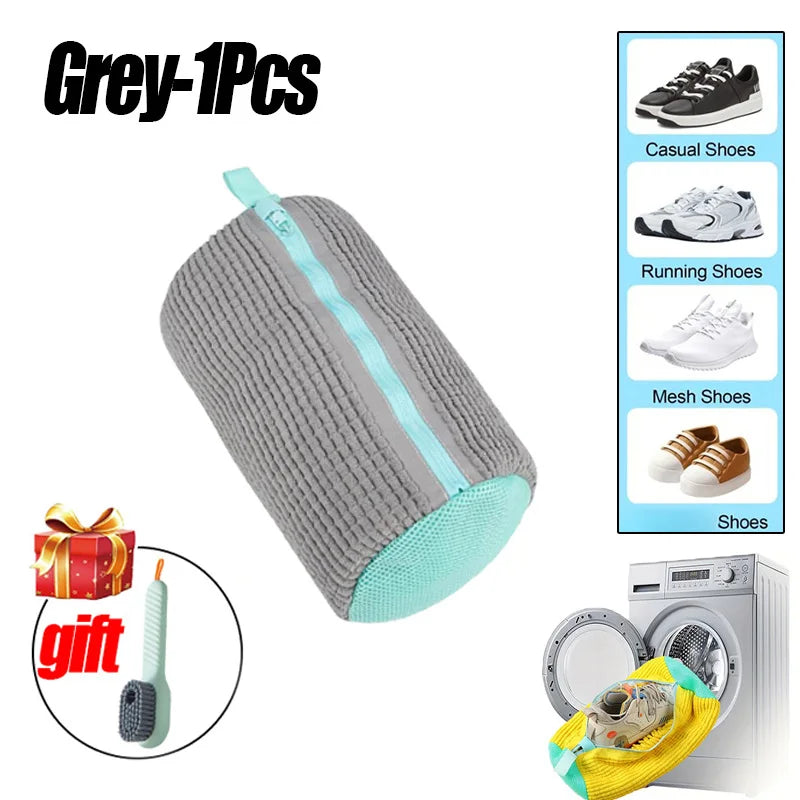
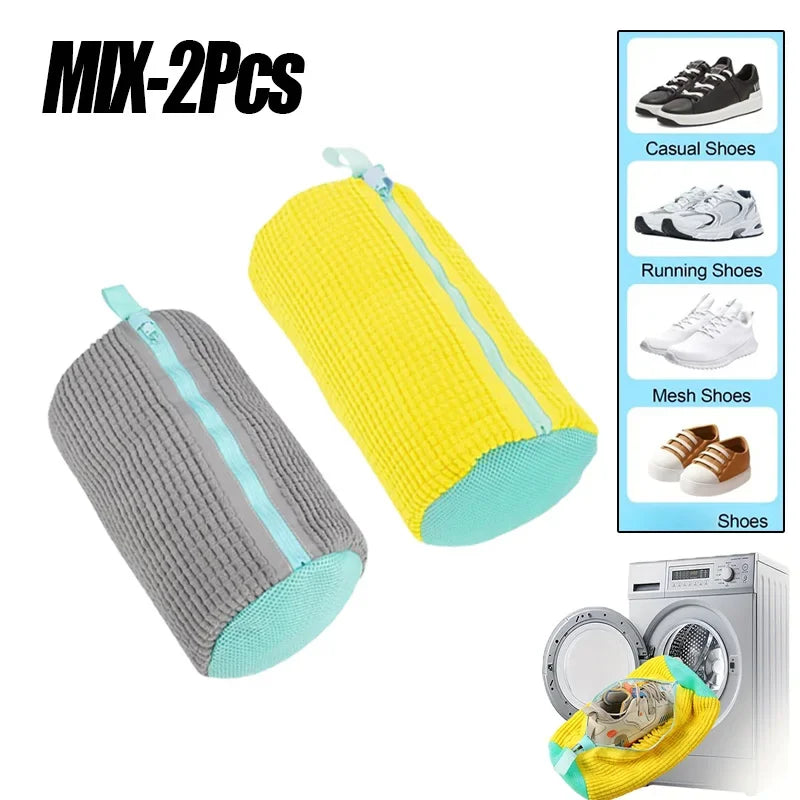
A reusable polyester nylon shoe washing bag, such as the Shoe Washing Bag for Gentle Sneaker Machine Wash Tool, is designed for this type of routine protection. Its zipper keeps the shoes enclosed, while the polyester nylon construction is intended for repeated use. The 39 × 19 cm size provides a dedicated enclosure for machine-washing sneakers, and its hook can be used to hang the bag for drying after washing.

Add Towels to Reduce Impact
A few suitable towels can provide additional cushioning around the shoes and help reduce excessive banging. Do not fill the washer with a large amount of laundry simply to cushion the sneakers. Overloading can restrict movement, reduce cleaning performance, and place additional strain on the washer.
Use a balanced, appropriately sized load and follow the washing machine manufacturer's capacity recommendations.
The Safest Washer Settings for Sneakers
Once you have confirmed that the sneakers are machine-washable and prepared them properly, choose settings that minimize unnecessary heat and mechanical stress.
Use Cold Water
Cold water is generally the safer starting point for washable sneakers. It can reduce the risk of color bleeding and avoids unnecessary thermal exposure to adhesives, synthetic materials, foams, and rubber components.
Choose a Gentle or Delicate Cycle
A gentle or delicate cycle typically uses less aggressive agitation than a heavy-duty program. When your washer provides several cycle choices, choose a setting appropriate for delicate or lightly soiled items rather than a high-agitation cleaning program.
Use a Low or Moderate Spin
Excessive spinning can subject sneakers to additional force while they are saturated with water. If your machine allows you to adjust spin speed, a lower or moderate setting is a reasonable damage-prevention choice for compatible shoes.
Avoid Hot Water and Heavy-Duty Cycles
Hot water and aggressive cycles can increase stress on materials, finishes, adhesives, and structural components. Unless the manufacturer specifically recommends a different setting, avoid treating sneakers like heavily soiled towels or workwear.
Choose the Right Laundry Detergent
Use a Small Amount of Mild Detergent
Use a modest amount of mild laundry detergent appropriate for your washing machine. More detergent does not necessarily produce cleaner sneakers. Excess detergent can leave residue behind and make thorough rinsing more difficult.
What to Avoid
Avoid bleach-based products, aggressive stain removers, or other harsh chemicals unless the shoe manufacturer specifically approves them for the material. A cleaning product that works well on clothing may not be appropriate for adhesives, synthetic coatings, foams, or specialty shoe finishes.
Step-by-Step: How to Wash Sneakers in a Washing Machine
For compatible sneakers, use this practical sequence to reduce the main sources of washer-related damage:
- Confirm the sneakers are machine-washable. Check the manufacturer's instructions and identify the shoe materials.
- Remove laces and removable insoles. Clean these components separately when appropriate.
- Brush off dirt and mud. Remove loose grit before the shoes enter the washer.
- Inspect the shoes. Avoid machine washing shoes with loose soles, torn uppers, exposed foam, or other serious damage.
- Place the sneakers in a shoe washing bag. Close the zipper securely and avoid overfilling the bag.
- Add a few suitable towels if appropriate. Use them to provide some cushioning without overloading the washer.
- Add a small amount of mild detergent. Avoid excessive detergent and harsh chemicals.
- Select cold water and a gentle cycle. Use a low or moderate spin when your washer allows adjustment.
- Remove the shoes promptly after the cycle. Do not leave wet sneakers sitting inside the washer longer than necessary.
How to Dry Sneakers Without Causing Damage
Cleaning is only half of the process. Improper drying can undo careful washing by exposing sneakers to excessive heat or allowing them to dry in a distorted position.
Air Dry Sneakers at Room Temperature
Air drying at room temperature is the safest general approach for machine-washable sneakers. Remove them from the washer promptly, open the shoes to improve airflow, and place them in a clean, well-ventilated area away from intense heat.
Use Paper or Clean Towels to Help Maintain Shape
For shoes that need additional shape support, loosely fill the interior with clean, absorbent paper or towels. Do not pack the material tightly. The goal is to support the shape while allowing moisture to escape.
Why You Should Avoid the Dryer and Direct High Heat
High heat can affect adhesives, rubber soles, synthetic materials, foams, and shoe shape. A clothes dryer can also expose sneakers to repeated tumbling and impact while they are already vulnerable from being wet.
Unless the manufacturer specifically approves machine drying, let sneakers dry naturally instead.
Drying Tips by Material
Canvas: Allow plenty of airflow and keep the shoes away from intense direct heat.
Mesh: Avoid crushing the upper while wet and provide good ventilation so moisture can escape through the open structure.
Synthetic uppers: Air dry at room temperature and avoid prolonged exposure to strong heat sources.
Leather, suede, and nubuck: These materials generally require material-specific cleaning and drying procedures rather than a standard machine-washing routine.
Common Mistakes That Damage Sneakers in the Washer
- Washing non-washable materials: Leather, suede, nubuck, delicate finishes, and fragile constructions may require hand cleaning.
- Using hot water: Heat can create unnecessary stress for adhesives, coatings, rubber, and synthetic materials.
- Using harsh detergent: Strong chemicals can damage materials or finishes that are not designed to tolerate them.
- Skipping protection: Loose sneakers can repeatedly hit the drum and other laundry during a cycle.
- Overloading the washer: Excessive loads can restrict movement and reduce both cleaning effectiveness and machine performance.
- Using a clothes dryer: High heat and additional tumbling can contribute to deformation or material and adhesive problems.
- Ignoring existing damage: A washer can worsen loose soles, torn fabric, cracked foam, or weak stitching.
Comparison Matrix: Shoe Washing Bag vs. Common Alternatives
Choosing a protection method depends on how often you wash sneakers and how much containment you want during the cycle.
- Purpose-designed shoe washing bag: Best when you regularly machine-wash compatible sneakers and want a reusable enclosure with a secure zipper and dedicated shoe-washing construction.
- Basic mesh laundry bag: Can provide containment, but its size, closure, and shape may not be optimized for footwear.
- Pillowcase: Can provide a basic barrier, but it may not offer the same secure closure or purpose-built construction as a shoe bag.
- No protective bag: Requires the sneakers to tumble freely, increasing direct contact with the washer drum and other laundry.
- Disposable protective option: May be convenient for occasional use, but a reusable bag is more practical for recurring sneaker care.
The key point is that a protective bag does not make an unsuitable shoe machine-washable. Material compatibility still comes first. The bag is a damage-reduction tool for sneakers that are already appropriate for machine cleaning.
When Hand Cleaning Is Safer Than Machine Washing
Choose Hand Cleaning for Delicate Materials
Hand cleaning is usually the better choice for leather, suede, nubuck, specialty finishes, fragile decorative elements, and shoes with delicate construction. It gives you much greater control over pressure, moisture, and the areas being cleaned.
It is also a better option when the shoes have significant existing damage. If the sole is already separating or the upper is torn, additional tumbling may accelerate the problem.
Use the Washer Only When the Shoe Construction Allows It
The safest rule is simple: do not use the washing machine merely because a sneaker looks washable. Confirm the material and manufacturer's instructions first. If machine washing is permitted, use the gentlest practical process and minimize impact, heat, and chemical exposure.
Quick Checklist for Washing Sneakers Without Damage
Before, During, and After Washing
- Confirm the sneaker is machine-washable.
- Check the material and manufacturer's care instructions.
- Remove laces and removable insoles when appropriate.
- Brush away loose dirt and mud.
- Inspect for loose soles, torn uppers, cracked foam, or weak stitching.
- Place compatible sneakers in a reusable shoe washing bag for additional protection.
- Close the zipper securely before washing.
- Add only a few suitable towels if additional cushioning is needed.
- Use a small amount of mild detergent.
- Choose cold water.
- Use a gentle or delicate cycle.
- Use a low or moderate spin when possible.
- Avoid hot water and heavy-duty cycles.
- Remove sneakers promptly after washing.
- Air dry at room temperature.
- Avoid clothes dryers and direct high heat unless the manufacturer specifically permits them.
If you regularly machine-wash compatible sneakers, a reusable protective shoe washing bag can be a practical addition to your laundry routine. A durable polyester nylon bag with a secure zipper helps contain the shoes while allowing water and detergent to flow through during washing.
Final Takeaway: A Safer Way to Machine-Wash Sneakers
Washing sneakers without damage is less about finding a single perfect washer setting and more about controlling the entire process. Start by confirming that the shoes and their materials are suitable for machine washing. Remove loose dirt and detachable components, inspect for existing damage, and use a protective shoe washing bag to reduce direct rubbing and impact.
For most compatible sneakers, cold water, a gentle cycle, a modest amount of mild detergent, and a low or moderate spin provide a sensible starting point. After washing, remove the shoes promptly and air dry them at room temperature rather than exposing them to high heat.
A reusable shoe washing bag can make this routine easier by providing a dedicated protective enclosure for compatible sneakers. Used alongside appropriate washer settings and careful drying, it can help make regular machine washing more controlled and convenient.
Pillar Article: Best Shoe Washing Bags: Top Picks for Safer Machine Washing













