

⏱ 7 min read
Why Is My Insulated Tumbler Losing Temperature So Quickly? Causes, Tests, and Fixes
How Does an Insulated Tumbler Actually Keep Drinks Hot or Cold?
Before diagnosing why your insulated tumbler is losing temperature so quickly, it helps to understand how thermal drinkware works. Most premium tumblers use double-wall vacuum insulation, which slows the transfer of heat between your drink and the surrounding environment.
How Double-Wall Vacuum Insulation Works
An insulated tumbler typically contains two stainless steel walls separated by a vacuum layer. Because a vacuum contains virtually no air molecules, it dramatically reduces heat transfer through conduction and convection. This design allows hot drinks to stay hot and cold drinks to stay cold for extended periods.
- The inner wall holds the beverage.
- The vacuum layer acts as a thermal barrier.
- The outer wall remains close to room temperature.
- The lid minimizes heat exchange through the opening.
Understanding this insulation system makes it easier to identify whether your bottle is experiencing normal heat loss or a genuine performance issue. For more details on drinkware engineering, explore our insulated tumbler technology guide.
Why Vacuum-Sealed Drinkware Eventually Loses Performance
If the vacuum seal becomes damaged, the insulating barrier disappears. Heat then transfers rapidly through the metal walls, causing your thermal water bottle to lose its insulation. Lid failures, worn gaskets, improper use, and normal aging can also reduce thermal performance over time.
Why Does My Water Bottle Lose Heat So Fast?
If your insulated tumbler is losing temperature faster than expected, the problem may be caused by normal heat transfer, user habits, environmental conditions, or a failed insulation system.
What's Considered Normal Heat Loss?
Even high-quality insulated drinkware gradually loses heat. Most premium vacuum bottles keep beverages hot for 6–24 hours depending on volume, lid design, ambient temperature, and how frequently the container is opened.
A large KentDO 40 oz tumbler is designed to reduce temperature loss through vacuum insulation, a secure lid system, and a larger liquid capacity that slows cooling compared with smaller containers.
Signs Your Tumbler May Have an Insulation Problem
- The exterior becomes noticeably hot.
- Drinks cool within one or two hours.
- Cold beverages create condensation on the outside.
- Performance suddenly declines after a drop or impact.
- The lid no longer seals tightly.
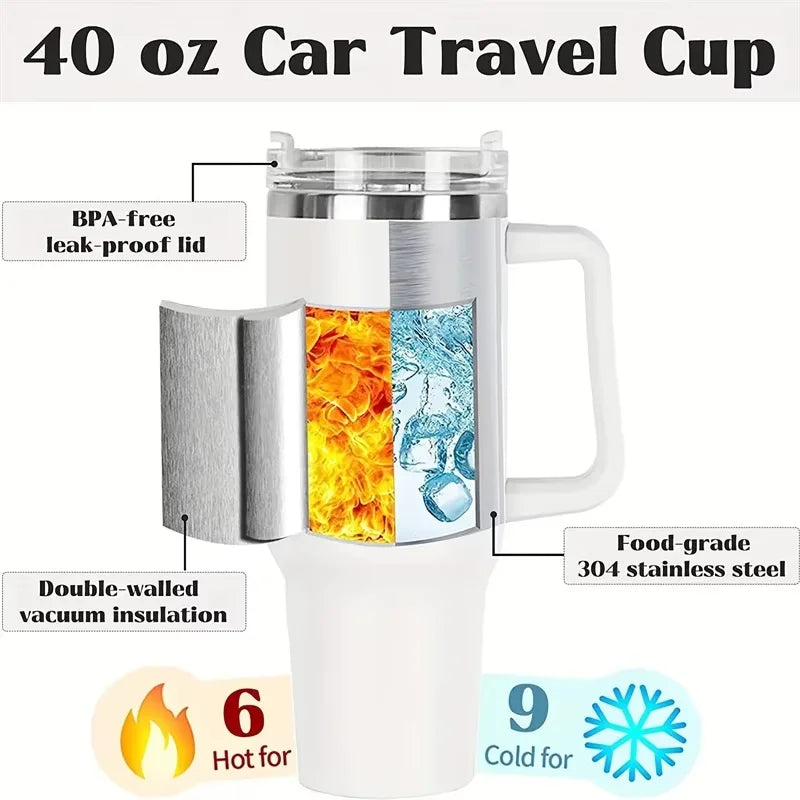
Discover why your water bottle loses heat and how to fix it fast.
Quick Troubleshooting Table: Symptoms, Causes, and Solutions
- Outside of flask feels hot: Possible vacuum seal failure → Replace the tumbler.
- Drink cools quickly after opening: Frequent lid removal → Reduce opening frequency.
- Heat escapes near lid: Damaged gasket or loose lid → Clean or replace seals.
- Poor performance from first use: Possible manufacturing issue → Check warranty coverage.
- Heat retention varies greatly: Environmental exposure → Avoid cold or windy conditions.
Hot Exterior Walls
If the outside of your flask becomes warm or hot, the vacuum insulation may have failed. A properly insulated tumbler should keep the exterior close to room temperature.
Rapid Temperature Drop
Rapid cooling usually indicates a damaged vacuum chamber, poor lid sealing, or excessive opening during use.
Lid and Seal Problems
Many apparent insulation failures are actually caused by worn silicone seals, damaged threads, or improperly closed lids.
Common Reasons Your Water Bottle Loses Heat (and How to Spot Them)
The Vacuum Seal Has Failed
If your thermos flask is not keeping hot drinks warm and the outer wall becomes warm, the vacuum chamber may have lost pressure. Unfortunately, vacuum failure cannot usually be repaired at home.
The Lid Is Not Sealing Properly
A loose or damaged lid is one of the most common reasons an insulated tumbler loses temperature quickly. Even small air leaks can reduce heat retention.
The Silicone Gasket Is Worn or Missing
Inspect rubber seals regularly. Missing, dirty, or compressed gaskets allow heat to escape. Regular cleaning and maintenance can help extend tumbler performance.
Frequent Opening Causes Heat Loss
Every time you open your tumbler, stored heat escapes and cooler air enters. Reducing unnecessary openings helps preserve internal temperature.
The Bottle Was Not Preheated
Pouring hot liquid into a cold stainless steel container causes the metal walls to absorb heat immediately. Preheating minimizes this initial temperature drop.
Environmental Conditions Affect Performance
Cold weather, wind exposure, and low fill volumes can increase heat loss rates even with quality insulated drinkware.
Age and Wear Reduce Efficiency
After years of use, repeated impacts and seal degradation may reduce overall thermal performance.
How to Test Whether Your Thermos Flask Is Still Working
The Exterior Heat Test
Fill the bottle with near-boiling water and wait five minutes. If the outside surface becomes warm, the vacuum insulation has likely failed.
The Boiling Water Retention Test
- Fill the tumbler with boiling water.
- Close the lid securely.
- Measure the temperature after 4, 8, and 12 hours.
- Compare the results with manufacturer specifications.
Comparing Expected Performance Times
Most quality insulated tumblers retain heat for at least 6–12 hours and cold temperatures for 12–24 hours under normal conditions.
How to Fix It Fast and Keep Drinks Hot Longer
Preheat Your Tumbler Correctly
Fill the tumbler with hot water for 3–5 minutes before adding your beverage. This reduces initial temperature loss. Learn more in our drink temperature retention tips guide.
Inspect and Replace Gaskets
Remove and clean silicone seals regularly. Replace worn or damaged gaskets whenever possible.
Minimize Lid Opening
Opening the container less frequently helps preserve internal temperature and reduces heat exchange.
Fill Volume Matters
A nearly full tumbler retains heat better than one that is partially filled because there is less air space for heat exchange.
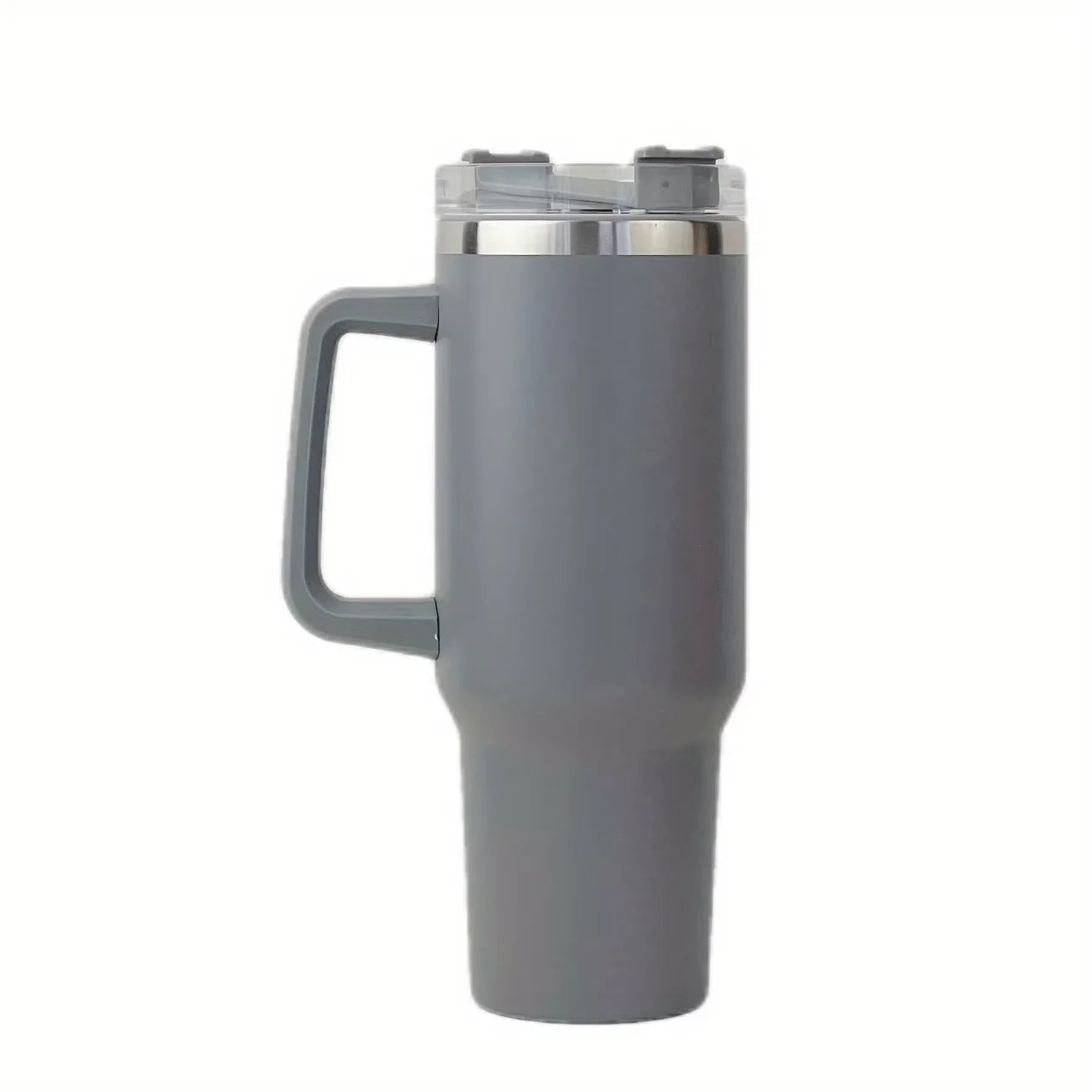
Keep your coffee hot longer — the KentDO 40 oz Tumbler makes all the difference.
When Should You Replace an Insulated Tumbler?
Can a Failed Vacuum Seal Be Repaired?
In most cases, a damaged vacuum chamber cannot be repaired at home. Replacement is typically the safest and most effective solution.
Typical Lifespan of Premium Tumblers
High-quality insulated tumblers often maintain strong thermal performance for 5–10 years or longer when properly maintained. Many manufacturers also provide warranty coverage for vacuum failures.
Choosing the Best Leak Proof Travel Coffee Mug for Maximum Heat Retention
Choosing the best leak proof travel coffee mug is about more than preventing spills. The right materials, insulation design, and sealing system determine how long your drink stays at the ideal temperature.
Features That Actually Improve Heat Retention
- Double-wall vacuum insulation
- Copper-coated interior walls
- Leakproof locking lids
- Replaceable silicone gaskets
- Narrow drinking openings
- Durable stainless steel construction
| Model | Heat Retention (Hours) | Capacity | Key Feature |
|---|---|---|---|
| KentDO 40 oz Tumbler | 12 | 40 oz | Leak-proof lid + vacuum insulation |
| Stanley Quencher H2.0 FlowState Tumbler | 8+ | 40 oz | Large capacity and handle design |
| Hydro Flask Travel Tumbler | 6+ | 20 oz | Portable insulated construction |
| YETI Rambler Tumbler | 8+ | 30 oz | Durable stainless steel build |
Why the KentDO 40 oz Tumbler Wins
The best insulated tumblers combine vacuum insulation, durable sealing systems, and practical capacity. The KentDO 40 oz Tumbler is designed for everyday travel with a secure lid, stainless steel construction, and insulation that helps maintain drink temperature during commutes and daily use.
Real User Results and Proof
Travelers who upgraded to the KentDO 40 oz Tumbler reported:
- Long-lasting temperature retention during daily commutes
- Secure carrying performance with a leak-resistant lid design
- Modern matte finish and travel-friendly shape
One verified customer shared: “I used to refill my coffee twice every morning. Now, it’s still hot by lunch. Totally worth it.”
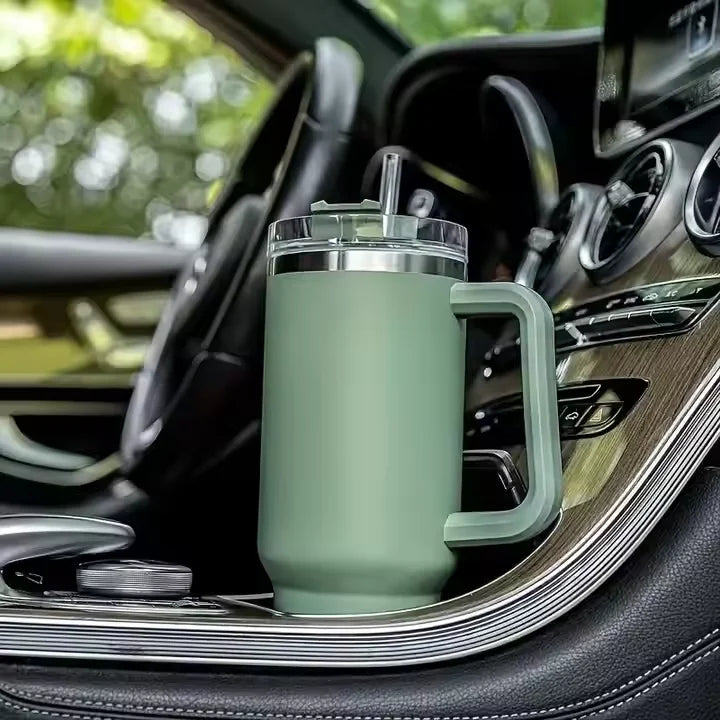
☕ Experience heat retention done right — upgrade your tumbler today.
Frequently Asked Questions About Insulated Tumblers Losing Heat
Why is my flask hot on the outside?
If the exterior becomes hot, the vacuum insulation may have failed, allowing heat to transfer through the metal walls.
Why is my thermos not keeping hot drinks warm?
The most common causes include vacuum seal failure, damaged lids, worn gaskets, and improper preheating.
How long does a hot water bottle stay hot?
Most insulated bottles keep beverages hot for 6 to 24 hours depending on construction, capacity, and usage conditions.
Can I fix a damaged vacuum seal at home?
No. Vacuum insulation chambers are factory sealed and generally cannot be repaired by consumers.
Do larger tumblers stay hot longer?
Yes. Larger volumes typically retain temperature longer because they have a lower surface-area-to-volume ratio.
Pillar Article: Travel Mug Leaks Easily? How to Finally Stop Spills Forever
Other Related Articles:
- Spill Proof Travel Mug Reviews: 5 Brands That Survived the Drop Test
- Ice Melts Too Quickly? Discover What Really Affects Cold Retention
- Hot Drinks Lose Warmth Quickly? Here’s How to Keep Them Cozy All Day
Explore More:













