

⏱ 8 min read
HydroFlush Ear Cleaner vs Electric Ear Cleaner: Which Is Better for Earwax Removal?
Choosing between a HydroFlush ear cleaner and an electric ear cleaner depends on the type of earwax, how much buildup you have, your comfort level, and whether home cleaning is appropriate for you. Water irrigation can loosen and flush suitable wax, while electric tools may offer more targeted removal for light, accessible buildup. This guide compares both options so you can choose the safer, more practical method for your situation.
HydroFlush Ear Cleaner vs Electric Ear Cleaner: Quick Comparison Table
| Feature | HydroFlush Water Ear Cleaner | Electric Ear Cleaner |
|---|---|---|
| Cleaning Method | Uses controlled water flow to soften and flush suitable earwax outward | Uses suction, a camera-guided silicone tip, vibration, or another mechanical method |
| Best Use Cases | Softened, loose, or moderate wax buildup when irrigation is appropriate | Light, accessible wax and routine maintenance |
| Effectiveness | Often more thorough for wax that can be safely softened and flushed | Can work well for visible, accessible wax but depends heavily on technique and device design |
| Safety | Requires appropriate water temperature, controlled pressure, and no contraindications | Requires avoiding deep insertion and aggressive contact with the ear canal |
| Ease of Use | Requires preparation, positioning, and cleanup | Usually quicker and more convenient for occasional use |
| Maintenance | Requires cleaning and drying the irrigation components | May require charging, cleaning, and replacing tips or attachments |
| Portability | Less convenient for travel because of water and setup | Usually easier to transport |
| Long-Term Value | Can offer good value for users who need occasional irrigation | May offer better convenience for frequent light maintenance |
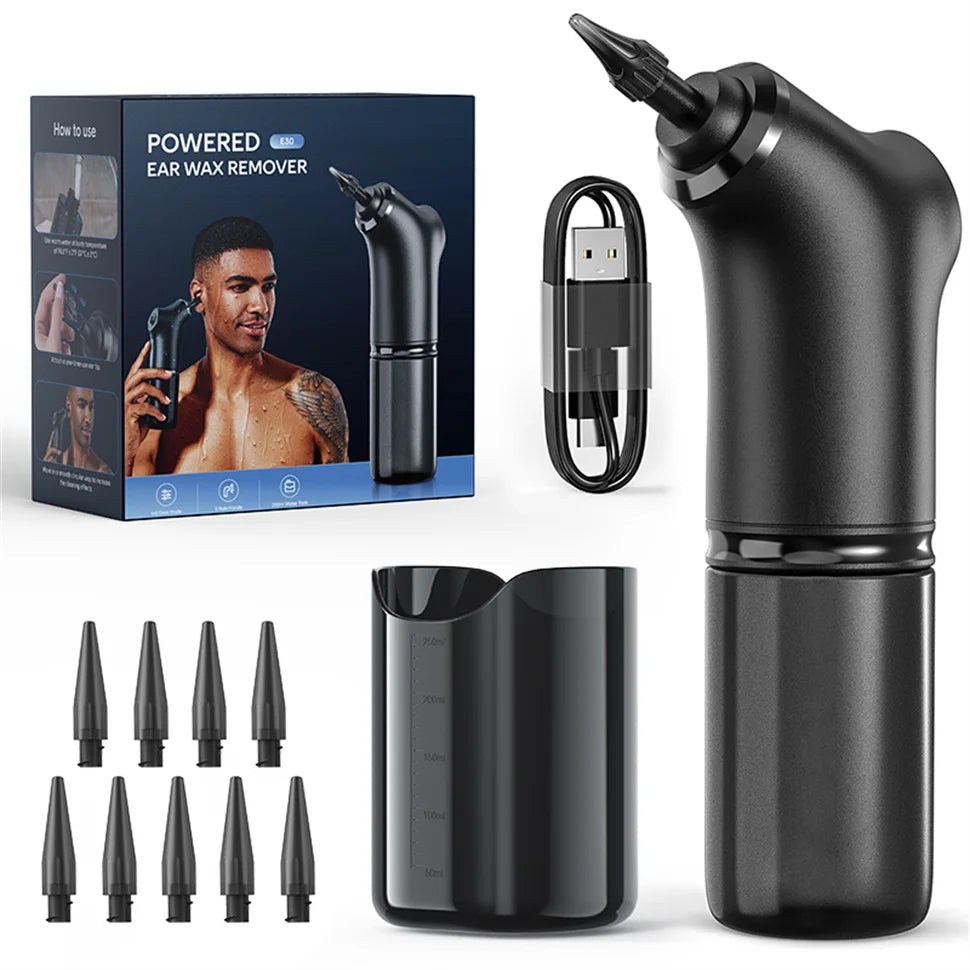
Water ear cleaner comparison at home — See it in action
How Does a HydroFlush Water Ear Cleaner Work?
A HydroFlush water ear cleaner uses controlled irrigation to help loosen and move suitable earwax toward the outer ear. Rather than scraping the ear canal with a rigid tool, the system relies on a directed flow of water to soften and dislodge buildup.
Warm, body-temperature water can help soften wax that has become dry or compacted. Once loosened, the water flow may help carry wax and debris outward, where it can be wiped away. This makes water irrigation different from mechanical ear cleaners that physically interact with wax.
- Softens suitable buildup: Moisture can help loosen dry or hardened wax.
- Flushes debris outward: Controlled water flow can help move loosened material toward the ear opening.
- Reduces scraping: The process does not require repeatedly scraping the ear canal walls.
However, water irrigation is not appropriate for everyone or every type of ear problem. It should not be used when there may be a perforated eardrum, ear tubes, an active infection, recent ear surgery, or other contraindications. It also should not be treated as a way to forcefully remove deeply impacted wax.
For more at-home wellness solutions, explore Body Care and Health Devices .
How Does an Electric Ear Cleaner Work?
An electric ear cleaner uses powered technology to help remove or collect earwax. Depending on the design, it may use gentle suction, a camera-guided silicone tip, vibration, or another mechanical approach.
- Camera-guided models: Use a small camera and viewing screen to improve visibility of the outer ear canal.
- Silicone-tip models: Use a soft attachment to collect or move accessible wax.
- Suction models: Attempt to draw loose wax outward rather than flushing the canal with water.
The main advantage is convenience and visibility. A camera can help users see the area being cleaned, while a powered system may require less setup than irrigation. The limitation is that the device still depends on careful technique. Pushing a tip too far into the canal, applying excessive pressure, or repeatedly disturbing sensitive tissue can cause irritation or injury.
The KentDO Electric Ear Cleaner is a popular example, combining controlled water flow with ergonomic design for everyday use.
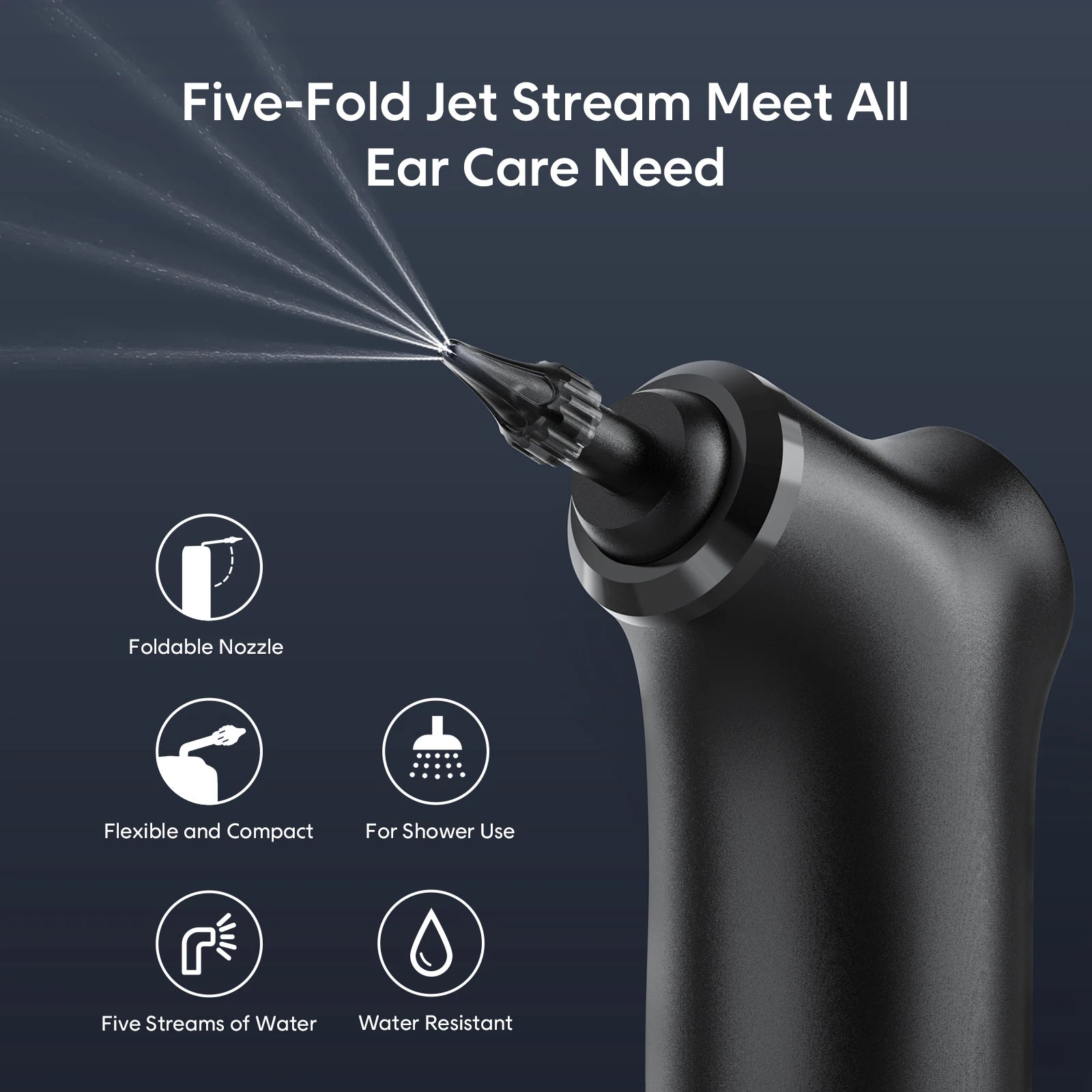
Electric ear water cleaner for home ear rinse — See it in action
Medical Safety: When Irrigation Is Appropriate and When It Is Not
Earwax is normal and often helps protect the ear canal. Cleaning is generally only necessary when excess wax causes symptoms such as a feeling of blockage or reduced hearing and professional guidance confirms that removal is appropriate.
Who Should Avoid Water Irrigation
Do not use a water ear cleaner without medical guidance if you have a known or suspected perforated eardrum, ear tubes, recent ear surgery, active ear infection, significant ear pain, or unexplained drainage or bleeding. Irrigation may also be inappropriate when wax is severely impacted or when you cannot determine whether symptoms are caused by wax.
Who Should Avoid Electric Ear Cleaners
Electric ear cleaners should not be used aggressively or inserted deeply into the ear canal. Extra caution is appropriate for anyone with a history of eardrum problems, ear surgery, recurrent infections, significant pain, or unexplained hearing changes.
Signs You Need Professional Earwax Removal
Seek professional evaluation if blockage persists, hearing changes suddenly, symptoms worsen, or you experience pain, bleeding, drainage, dizziness, or signs of infection. A healthcare professional can determine whether wax is actually causing the problem and remove it using an appropriate method.
HydroFlush Ear Cleaner vs Electric Ear Cleaner: Side-by-Side Comparison
Cleaning Effectiveness (Soft vs Impacted Wax)
A HydroFlush water ear cleaner may be more effective when wax is soft, loose, or can be safely softened before irrigation. Water can reach around loosened debris and help move it outward.
Electric ear cleaners are generally better suited to small amounts of accessible wax, particularly when the device allows the user to see the area clearly. They may be less suitable for large or deeply impacted buildup. Neither option should be used to forcefully remove wax that is painful, completely blocking the canal, or difficult to reach safely.
Safety and Risk of Injury
Both methods require correct technique. With water irrigation, the main considerations include appropriate water temperature, controlled pressure, and avoiding use when irrigation is medically contraindicated. Excessive pressure or inappropriate use can injure the ear.
With electric devices, the primary concern is mechanical contact. Deep insertion or aggressive scraping can irritate the ear canal or potentially damage delicate structures. A camera may improve visibility, but it does not eliminate the need for caution.
Comfort and User Experience
Some people prefer the sensation of gentle water flow because it avoids direct scraping. Others prefer an electric device because it feels faster and provides more control over visible, accessible wax.
Comfort varies from person to person. Stop immediately if any ear-cleaning method causes pain, significant discomfort, dizziness, or other concerning symptoms.
Ease of Use
Electric ear cleaners are usually quicker to set up and may be more convenient for occasional light cleaning. Water-based systems require water preparation, careful positioning, and cleanup afterward.
For users seeking a more thorough irrigation process, the additional setup may be worthwhile. For users prioritizing speed and portability, an electric option may be more practical.
Maintenance and Hygiene
Water ear cleaners need to be emptied, cleaned, and dried according to the manufacturer's instructions to reduce the risk of contamination. Electric devices also require regular cleaning, particularly around tips and attachments that contact the ear.
Regardless of the design, never share ear-cleaning tips or accessories without following appropriate cleaning and replacement instructions.
Portability and Travel
Electric ear cleaners generally have an advantage for travel because they are compact and do not require the same water setup. Water irrigation systems may be more convenient at home, where clean water and a suitable space are readily available.
Long-Term Cost
The overall value depends on how often you use the device and whether it requires replacement tips, filters, batteries, or other accessories. A water-based system may have fewer electronic components, while an electric model may offer greater convenience that justifies additional maintenance costs for some users.
Pros and Cons of Each Ear Cleaning Method
HydroFlush Water Ear Cleaner
- ✔ Can help soften and flush suitable earwax
- ✔ May provide a more thorough cleaning experience for appropriate users
- ✔ Avoids repeated scraping with rigid tools
- ✔ Useful for home-based cleaning when irrigation is appropriate
- ✘ Requires careful pressure and temperature control
- ✘ Requires preparation and cleanup
- ✘ Not appropriate for people with certain ear conditions
Electric Ear Cleaner
- ✔ Quick and convenient for light, accessible buildup
- ✔ Often easier to use while traveling
- ✔ Some models provide camera visibility
- ✔ May require less setup than irrigation
- ✘ Effectiveness varies by device design and technique
- ✘ Deep insertion can irritate or injure the ear canal
- ✘ May be less suitable for large or impacted wax
Which Ear Cleaner Is Best for Your Situation?
The best ear cleaner for earwax removal depends on the type of buildup, your symptoms, and whether home cleaning is appropriate.
Soft Earwax
For soft or loose wax, either method may be suitable when used correctly and when there are no medical reasons to avoid home cleaning. A water-based system may provide a more thorough flush, while an electric device may be more convenient for small amounts of accessible wax.
Hard or Impacted Wax
Hard or impacted wax should not automatically be treated with stronger pressure or deeper insertion. A healthcare professional may recommend softening the wax first or removing it using a clinical technique. If home treatment does not improve the blockage, professional care is safer than repeatedly trying to force the wax out.
Sensitive Ears
People with sensitive ears may prefer a method that minimizes scraping and direct contact. However, sensitivity does not make irrigation automatically safe. If you have pain, a history of ear problems, or other symptoms, seek medical guidance before using a device.
Children and Older Adults
Children should not use ear-cleaning devices independently. Older adults may also need additional caution because hearing changes can have causes other than earwax. Ask a healthcare professional for guidance when the person has ear disease, ear tubes, prior surgery, or unexplained symptoms.
Hearing Aid Users
Hearing aid users may experience wax buildup more often, but recurring blockage should not be managed by repeatedly inserting tools into the ear. Regular professional advice can help determine an appropriate cleaning routine, particularly when hearing aids are associated with repeated wax problems.
Best Ear Cleaner for Ear Wax Removal: How to Choose
When to Choose HydroFlush
Consider a water-based system when you want a more thorough flushing approach, have suitable soft or loosened wax, and have no medical contraindications to irrigation. Look for controlled water flow, an ergonomic design, and clear instructions for safe use and cleaning.
When to Choose an Electric Ear Cleaner
An electric ear cleaner may be more practical when convenience, portability, and visibility are your priorities. It can be useful for light, accessible buildup when you can avoid deep insertion and follow the device instructions carefully.
Features Worth Paying For
- Controlled operation: Avoid designs that encourage excessive pressure or force.
- Comfort-focused tips: Soft, properly designed attachments may reduce unnecessary irritation.
- Visibility: Camera features can help users see accessible areas but should not encourage deep insertion.
- Easy cleaning: Components should be simple to clean and dry thoroughly.
- Replacement parts: Check whether tips and other consumables are available when needed.
- Clear safety instructions: A good device should explain when not to use it.
For most buyers, the best choice is not necessarily the most powerful device. It is the option that matches the type of wax, the user's ability to use it carefully, and the medical safety considerations involved.
Complement your routine with wellness tools from Lifestyle collections for a balanced self-care approach.
How to Use Ear Cleaning Devices Safely at Home
Before Cleaning
- Read the manufacturer's instructions before using the device.
- Check whether you have any condition that makes home ear cleaning inappropriate.
- Do not use a device if you have significant pain, bleeding, drainage, or suspected infection.
- For water irrigation, use water at an appropriate lukewarm or body-temperature level as directed by the device instructions.
- Prepare a clean area and ensure the device and attachments are clean.
During Cleaning
- Use gentle, controlled pressure rather than force.
- Do not insert an electric tip deeply into the ear canal.
- Never attempt to forcefully dislodge a painful or deeply impacted blockage.
- Stop immediately if you experience pain, dizziness, significant discomfort, or other concerning symptoms.
Aftercare
- Clean and dry the device according to the manufacturer's instructions.
- Do not share ear-cleaning tips or accessories without appropriate sanitation.
- Do not repeat cleaning excessively if symptoms persist.
- Seek professional advice if blockage, hearing changes, pain, or other symptoms continue.
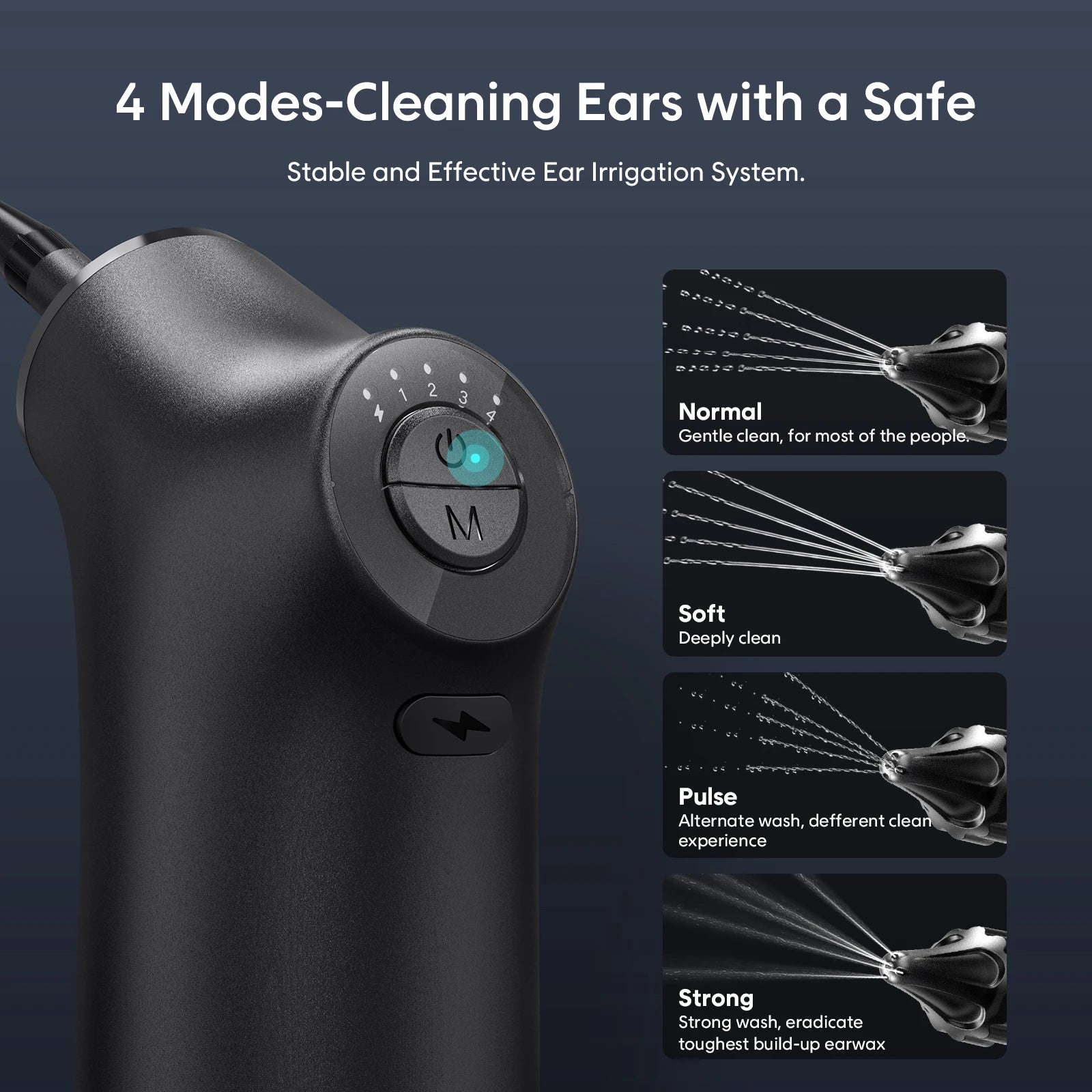
Safe ear cleaning methods at home — See it in action
For those upgrading their routine, the KentDO Electric Ear Cleaner is frequently praised for comfort and ease of use.
When You Should Not Clean Your Ears at Home
Home ear-cleaning devices are not appropriate for every situation. Avoid attempting to clean your ears at home and seek medical guidance if you have:
- Significant ear pain
- Bleeding or unusual drainage
- Signs of an ear infection
- A known or suspected perforated eardrum
- Ear tubes or recent ear surgery
- Severe or impacted wax that does not improve with appropriate care
- Persistent hearing loss or a sudden change in hearing
- Dizziness or other symptoms that begin during cleaning
These symptoms may indicate a problem that earwax removal devices cannot safely address. A healthcare professional can examine the ear and choose the appropriate method of treatment.
Frequently Asked Questions
Which ear cleaner is better: HydroFlush or an electric ear cleaner?
Neither is universally better. A HydroFlush water ear cleaner may be more effective for suitable soft or loosened wax that can be safely irrigated, while an electric ear cleaner may be more convenient for light, accessible buildup. The safest choice depends on your ear health and the type of wax present.
Is ear irrigation safe for everyone?
No. Ear irrigation is not appropriate for everyone. People with a perforated eardrum, ear tubes, certain ear infections, recent ear surgery, or other ear conditions may need to avoid irrigation unless a healthcare professional specifically recommends it.
Can an electric ear cleaner remove impacted earwax?
It may not be the best option for deeply impacted wax. Trying to force an electric tip deeper or applying excessive pressure can increase the risk of irritation or injury. Persistent or severe impaction is better evaluated by a healthcare professional.
Are water ear cleaners safe if I have ear tubes or a perforated eardrum?
Water irrigation may be unsafe in these situations. If you have ear tubes or a known or suspected perforated eardrum, do not use a water ear cleaner unless a healthcare professional has specifically advised you that it is appropriate.
Can you use a water flosser to clean your ears?
No. A dental water flosser is not designed for the ear canal and may produce pressure that is inappropriate for delicate ear structures. Do not substitute a water flosser for an ear-cleaning device designed and labeled for its intended use.
How often should you use an ear cleaning device?
There is no universal schedule for routine ear cleaning because many ears are self-cleaning. Use an ear-cleaning device only as needed and according to the manufacturer's instructions. Repeated cleaning can irritate the ear canal, so persistent symptoms should be evaluated rather than treated with increasingly frequent cleaning.
Which option is better for sensitive ears?
A method that minimizes unnecessary scraping or deep contact may be more comfortable, but sensitivity alone does not determine whether irrigation or an electric device is safe. If you experience pain or have a history of ear problems, seek medical guidance before using either method.
Should children use water or electric ear cleaners?
Children should not use ear-cleaning devices independently. Because ear canals and medical histories vary, parents and caregivers should ask a healthcare professional for guidance when a child has suspected earwax buildup or hearing changes.
Related Guide: Electric Ear Cleaner Comparison: Top Picks for Home Use













