

How to Relax Knee Joints: Step-by-Step Guide for Fast Relief at Home
How to relax knee joints at home starts with improving circulation, restoring comfortable movement, and reducing tension in the muscles that support the knee. The most effective ways to relax knee joints combine gentle mobility exercises, targeted stretching, heat therapy, and recovery techniques.
This guide is helpful for people experiencing mild knee tightness from sitting, exercise, daily activity, or general stiffness. Always avoid movements that cause sharp pain, and seek professional advice if symptoms are severe, persistent, or linked to an injury.
- Warm the knee with gentle movement or heat
- Improve mobility with controlled range-of-motion exercises
- Stretch tight muscles around the knee
- Strengthen supporting muscles for better stability
- Use recovery methods like massage or compression when needed
Consistent daily care for a few minutes can help your knees feel more flexible and comfortable over time.
Ways to Relax Knee Joints Step by Step at Home
Stiff knees can make everyday activities like walking, climbing stairs, or standing after sitting feel more difficult. Learning how to relax knee joints at home can help improve flexibility, reduce tightness, and support better movement without unnecessary strain.
⏱ 8 min read
Ways to relax knee joints at home with gentle support See it in action
How Knee Joints Become Tight (And What Actually Needs to Relax)
Knee tightness does not always come from the joint itself. In many cases, surrounding muscles, reduced movement, or temporary inflammation affect how freely the knee bends and straightens.
Joint Stiffness vs Muscle Tightness
Muscle tightness usually involves the quadriceps, hamstrings, or calves pulling on the knee and limiting comfortable movement. Joint stiffness feels like resistance inside the knee and may happen when the joint has been inactive or irritated.
Common Causes by Situation
- After waking up: Reduced overnight movement can make knees feel stiff in the morning.
- After sitting: Long periods at a desk or in one position may reduce circulation and increase tightness.
- After exercise: Repetitive activity can temporarily fatigue muscles around the knee.
- With aging: Natural changes in flexibility and joint comfort may affect mobility.
How Knee Mechanics Affect Mobility
The knee depends on balanced movement between muscles, tendons, ligaments, and the joint surface. When supporting muscles become weak or tight, the knee may feel restricted. Improving mobility requires relaxing tight tissues while keeping the muscles that support the joint active.
What Helps Relax Knee Joints Quickly?
If your knees feel tight, the fastest relief usually comes from combining gentle movement with techniques that improve circulation. The goal is to restore comfortable motion without forcing the joint.
5-Minute Relief Routine
- Apply gentle heat for 5 minutes if the knee feels stiff but not swollen.
- Perform slow heel slides or seated knee extensions.
- Massage the muscles around the knee.
- Walk gently for a few minutes to encourage circulation.
Heat vs Ice Comparison
| Method | Best Used For |
|---|---|
| Heat therapy | Stiffness, tight muscles, and reduced mobility before movement |
| Cold therapy | Temporary swelling or discomfort after activity |
When Gentle Movement Works Best
Gentle movement is often helpful when knees feel stiff from inactivity. Avoid aggressive stretching or intense exercise when the knee is swollen, unstable, or painful.
Step-by-Step Ways to Relax Knee Joints at Home
Follow this progressive sequence to safely improve knee comfort and mobility.
Step 1 – Warm the Joint
Begin with light activity such as walking in place or slow knee bends for 2–3 minutes. This increases circulation and prepares the tissues for movement.
Step 2 – Improve Range of Motion
Use controlled movements like heel slides and seated extensions. Move only through a comfortable range and avoid forcing the knee.
Step 3 – Stretch Tight Muscles
Stretch the hamstrings, quadriceps, and calves to reduce tension around the knee joint.
Step 4 – Activate Supporting Muscles
Gentle strengthening exercises help the muscles around the knee provide better support and improve long-term mobility.
Step 5 – Recover and Reassess
Finish with relaxation methods such as heat, massage, or compression. Your knee should feel easier to move, not more irritated.
Best Knee Joint Relaxation Exercises
These knee joint relaxation exercises support flexibility, mobility, and comfortable movement when performed consistently.
Heel Slides
Lie down with your legs straight. Slowly slide one heel toward your body, bending the knee comfortably, then return to the starting position.
Common mistake: Pulling too aggressively instead of using slow controlled movement.
Seated Knee Extensions
Sit upright and slowly straighten one leg. Hold briefly, then lower it with control. Repeat 8–10 times.
Hamstring Stretch
Extend one leg forward and gently lean toward your toes while keeping your back straight.
Quadriceps Stretch
Stand and gently pull your foot toward your glutes to stretch the front thigh.
Calf Stretch
Place your hands against a wall, step one foot back, and press the heel down to stretch the calf muscles.
Knee-to-Chest Mobility
While lying down, bring one knee toward your chest to improve comfortable range of motion.
Straight Leg Raise
Lie down with one leg bent and one straight. Tighten the thigh muscle and slowly lift the straight leg.
Who should avoid these exercises: Stop if you experience sharp pain, increased swelling, or worsening symptoms.
Natural Knee Relaxation Techniques That Work
Using multiple recovery methods can help reduce knee tightness naturally and support daily comfort.
Heat Therapy
Heat can help loosen stiff muscles and improve circulation before stretching or mobility exercises.
Cold Therapy
Cold therapy may be useful after activity when temporary swelling or irritation occurs.
Massage and Foam Rolling
Gentle massage around the thigh and calf muscles can reduce tension that affects knee movement.
Compression and Elevation
Compression supports comfort after activity, while elevation may help when mild swelling is present.
Hydration and Recovery
Maintaining hydration and allowing enough recovery time supports overall joint and muscle function.
Relaxation vibration for knee pain and tight muscles See it in action
Stretching vs Strengthening: Which Is Better for Tight Knees?
| Approach | Best For |
|---|---|
| Stretching | Tight muscles, reduced flexibility, stiffness after sitting |
| Strengthening | Improving knee support and long-term mobility |
The best approach combines both. Stretching helps loosen restricted tissues, while strengthening helps maintain stable knee movement.
How to Improve Knee Flexibility and Mobility Long Term
Long-term improvement depends on consistency, gradual progression, and choosing exercises appropriate for your current ability.
2-Week Progression Plan
- Week 1: Focus on gentle mobility and stretching.
- Week 2: Increase repetitions and add light strengthening.
Beginner Routine
Beginners should prioritize pain-free movement, shorter sessions, and proper form.
Advanced Routine
More experienced users can gradually increase resistance, repetitions, and strengthening exercises.
10-Minute Daily Knee Relaxation Routine
Morning Routine
- 2 minutes of gentle walking
- 2 minutes of heel slides
- 2 minutes of knee extensions
- 2 minutes of stretching
- 2 minutes of relaxation
After Sitting
Stand up every 30–60 minutes and perform light knee bends or walking to reduce stiffness.
Post-Workout Routine
Use gentle stretching and recovery techniques after exercise to support muscle relaxation.
Helpful Tools for Home Knee Care
Supportive tools can make a regular knee care routine easier to maintain.
Many people explore options within Body Care and Health Devices to improve joint comfort at home.
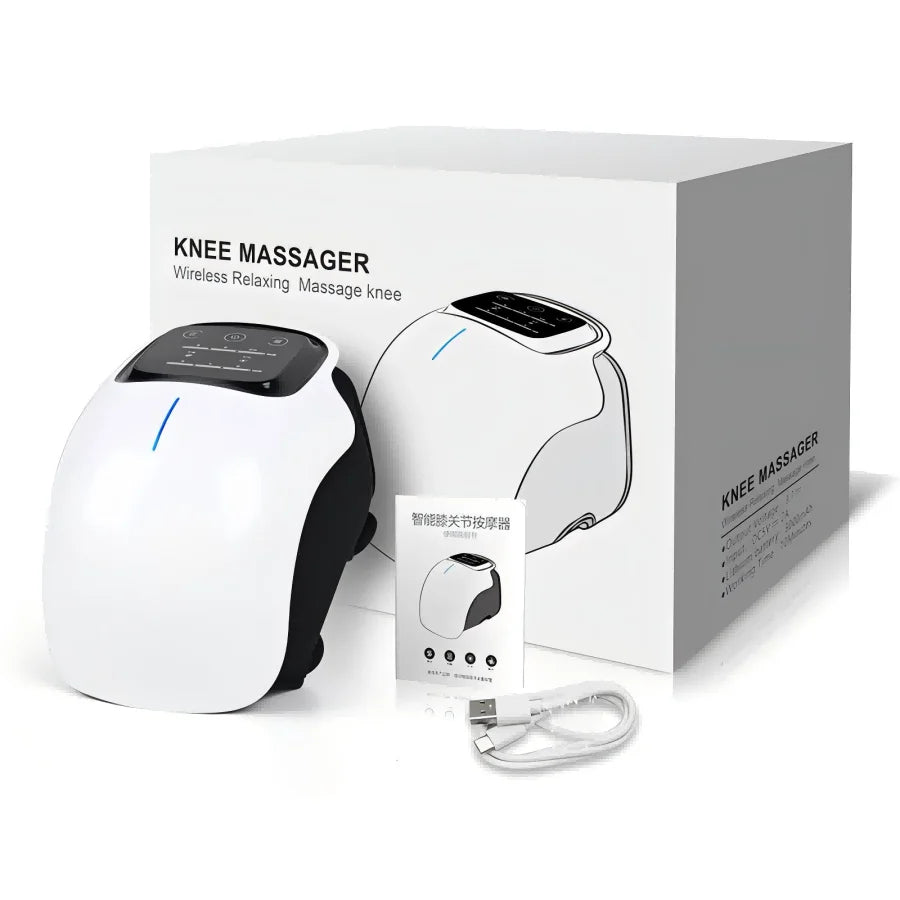
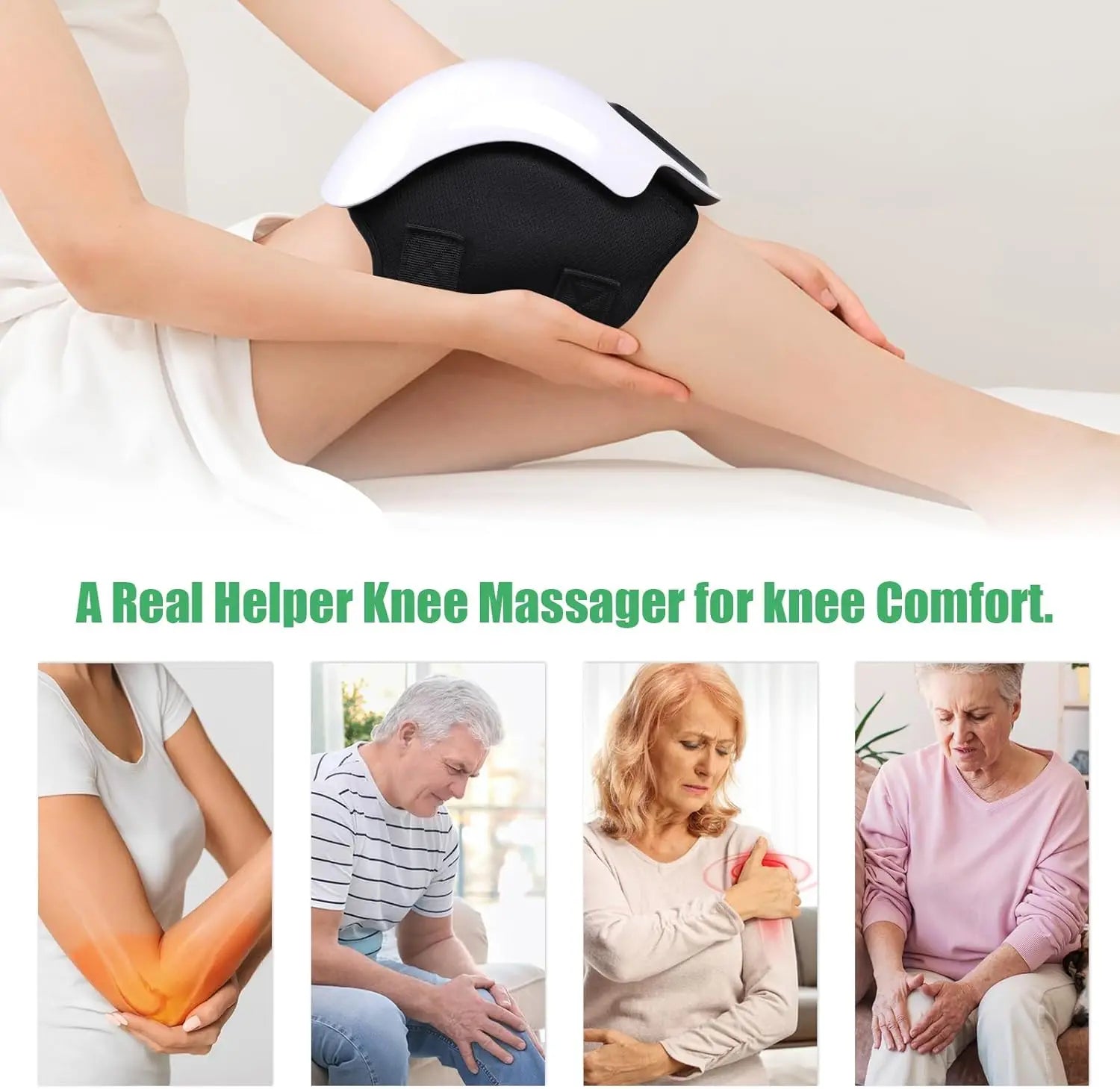
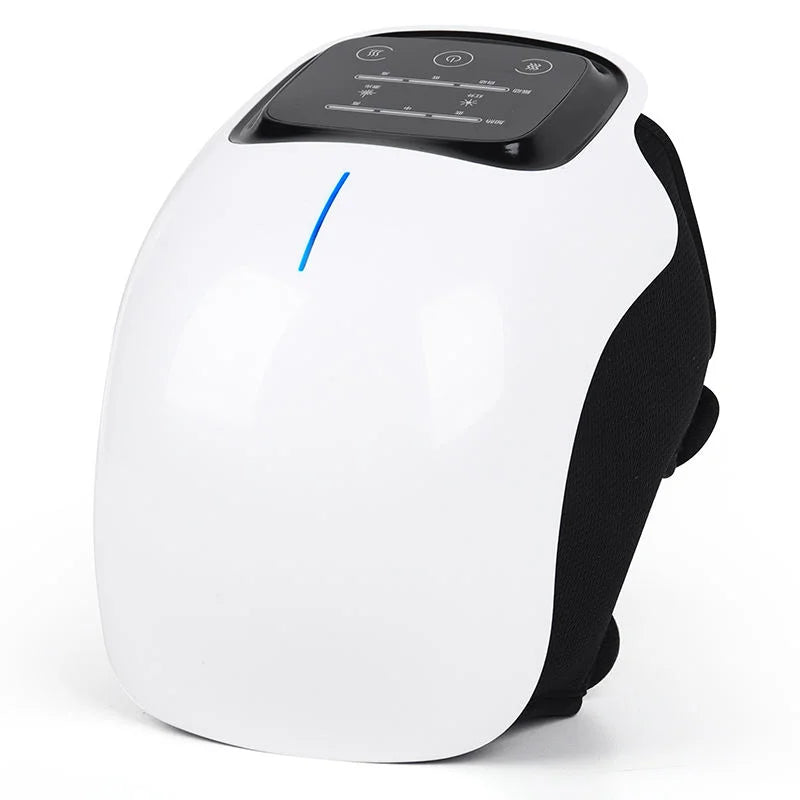
The cordless knee massager combines vibration, heat, and compression to support relaxation and recovery.
| Feature | Benefit |
|---|---|
| Relaxation vibration | Helps relax surrounding muscles |
| Gentle compression | Supports comfortable movement |
| Cordless design | Makes daily use convenient |
Everyday ways to relax knee joints with supportive tools See it in action
Prevent Knee Tightness From Returning
Desk Workers
Take regular movement breaks, adjust sitting posture, and avoid staying in one position for long periods.
Active Adults
Warm up before exercise, increase activity gradually, and include recovery days.
Older Adults
Maintain regular walking, mobility exercises, and gentle strengthening to preserve flexibility.
Common Mistakes That Make Knee Stiffness Worse
- Skipping warm-ups before activity
- Overstretching without control
- Ignoring increasing pain or swelling
- Resting too much and avoiding movement completely
- Using poor exercise form
When Knee Stiffness Needs Medical Evaluation
Home methods can help mild stiffness, but professional evaluation may be needed when symptoms suggest a more serious issue.
Warning Signs
- Persistent swelling
- Loss of normal knee motion
- Instability or the knee giving way
- Severe pain or recent injury
Frequently Asked Questions
Can tight muscles make my knee joint feel stiff?
Yes. Tight muscles around the thigh and calf can limit movement and make the knee feel restricted.
Should I stretch or strengthen first for tight knees?
Start with gentle mobility and stretching, then add strengthening as your knee becomes more comfortable.
Is walking good for stiff knee joints?
Light walking can help improve circulation and maintain mobility when it does not increase pain.
How long does it take to loosen stiff knees?
Some people notice improvement within minutes after gentle movement, while long-term flexibility improvements may take several weeks of consistent practice.
Can arthritis-related knee stiffness be improved at home?
Gentle exercise, mobility work, and healthy recovery habits may support comfort, but persistent symptoms should be discussed with a healthcare professional.
Should I use heat or ice before knee exercises?
Heat is often preferred before movement when stiffness is the main issue. Ice may be more appropriate after activity if swelling occurs.
Why are my knees stiff after sitting for a long time?
Reduced movement can decrease circulation and make muscles around the knee feel tight.
Can massage help relax knee joints?
Massage may help relax surrounding muscles and improve comfort, especially when tightness contributes to stiffness.













