Are Body Fat Scales Accurate? What Science Says About Smart Scale Measurements
Body fat scales can provide a useful estimate of body composition, but they are not perfectly accurate. Most smart scales use a technology called bioelectrical impedance analysis (BIA) to estimate body fat percentage based on how electrical signals move through the body.
For many people, these devices can track general trends over time , but individual readings may vary by several percentage points compared with clinical body composition tests. Hydration levels, recent exercise, and even the time of day can influence the result.
In other words, body fat scales do work—but they should be viewed as trend-tracking tools rather than precise diagnostic instruments . Understanding how the technology works can help you interpret the numbers more accurately.
A digital body fat scale might seem like a smart upgrade—but it's not perfect for every situation. While smart BMI scales offer high-tech insights, they can mislead people with certain medical conditions or unusual body shape measurements. And if your digital weight scale gives different readings each time, it’s not just you. Understanding how these devices work—and their limitations—can help you interpret your results more accurately.
⏱ 6 min read
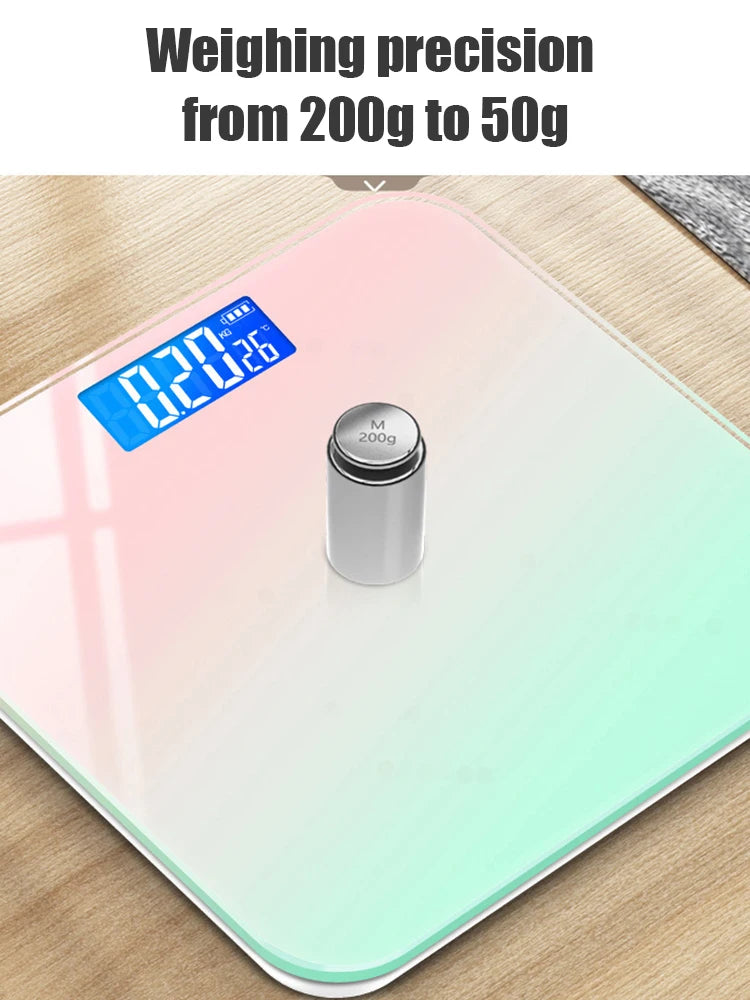
See it in action: digital body fat scale + smart BMI scales for full-body insights
The Short Answer: Are Body Fat Scales Accurate?
Body fat scales can estimate body fat percentage, but they are not perfectly accurate. Most home body fat scales use bioelectrical impedance analysis (BIA) to calculate body composition, and results can vary depending on hydration, recent exercise, meal timing, and individual body characteristics.
For many people, body fat scales provide a reasonable estimate rather than a precise measurement. While a smart scale may not match the accuracy of clinical methods such as DEXA scans, it can still be useful for monitoring long-term changes in body composition.
How Accurate Are Body Fat Scales for Most People?
The accuracy of body fat scales varies by device and user. Home scales may overestimate or underestimate body fat percentage by several percentage points compared with laboratory-based methods. This means the displayed number should be viewed as an approximation rather than an exact measurement.
Accuracy vs Consistency: An Important Difference
Many people focus on whether body fat scales are accurate, but consistency is often more important. A scale that produces similar readings under the same conditions can help track trends over time, even if its absolute body fat estimate is not perfectly correct.
- Accuracy refers to how close the reading is to your true body fat percentage.
- Consistency refers to whether the scale produces similar results over repeated measurements.
- Trend tracking is often the most practical use of a home body fat scale.
Do Body Fat Scales Actually Work?
Yes, body fat scales work by estimating body composition using bioelectrical impedance analysis (BIA). Rather than directly measuring body fat, they analyze how easily a small electrical current travels through the body and use mathematical models to estimate body fat percentage.
What Bioelectrical Impedance Analysis (BIA) Measures
BIA measures the resistance encountered by a low-level electrical signal as it passes through body tissues. Because different tissues contain different amounts of water, the scale can estimate the proportion of fat-free mass and body fat.
How Body Fat Scales Work
When you stand barefoot on the scale, electrodes send a harmless electrical current through your lower body. The device measures impedance and combines that information with personal data such as age, sex, height, and weight to estimate body composition. Learn more in our guide to body composition analysis .
- The scale sends a low electrical current through the body.
- The current encounters varying resistance from different tissues.
- The scale records impedance values.
- Algorithms estimate body fat percentage and related metrics.
- The results appear on the scale or companion app.
Why Fat, Muscle, and Water Conduct Electricity Differently
Muscle tissue contains more water and electrolytes than fat tissue, allowing electricity to pass more easily. Fat tissue contains less water and creates greater resistance. The scale uses these differences to estimate body composition.
How Body Fat Scales Estimate Body Composition
Smart scales estimate body composition using a combination of electrical measurements and predictive algorithms.
Step-by-Step: What Happens When You Stand on a Smart Scale
- You step barefoot onto metal electrodes on the scale.
- The scale sends a very small electrical current through your lower body.
- Sensors measure how much resistance the current encounters.
- The scale combines this measurement with personal information such as height, age, weight, and sex.
- An algorithm calculates an estimated body fat percentage.
The entire process takes only a few seconds, making smart scales a convenient way to monitor body composition at home.
Why Smart Scales Use Algorithms and Personal Data
Electrical resistance alone cannot determine body fat. To produce an estimate, scales rely on algorithms developed from population data that correlate impedance measurements with body composition outcomes.
Because these formulas rely on generalized models, results can vary depending on body shape, muscle distribution, age, and hydration levels.
How Accurate Are Body Fat Scales Compared to Medical Methods?
Body composition scale accuracy depends on the comparison method used. While smart scales provide convenient estimates at home, clinical assessment tools generally offer greater accuracy.
DEXA Scan (Clinical Reference Standard)
DEXA scans use low-dose X-rays to analyze fat mass, lean mass, and bone density. They are widely considered one of the most accurate body composition assessment methods available to the public.
Hydrostatic Weighing and Bod Pod Testing
Hydrostatic weighing estimates body composition based on water displacement, while Bod Pod testing uses air displacement. Both methods typically provide more accurate body fat estimates than consumer smart scales.
Skinfold Calipers vs Smart Scales
When performed by a trained professional, skinfold measurements can rival or exceed the accuracy of some consumer body fat scales. However, results depend heavily on technician skill and measurement consistency.
BMI and Waist Measurements vs Body Fat Scales
BMI estimates weight status based on height and weight but does not directly measure body fat. Waist circumference provides information about abdominal fat distribution. Body fat scales offer a more direct estimate of body composition than BMI alone. You can compare these approaches in our BMI guide .
Typical Error Range for Home Body Fat Scales
Most consumer body fat scales can differ from clinical measurements by several percentage points. Research commonly reports errors ranging from approximately 3–8 percentage points, although individual results vary depending on device quality, body type, and testing conditions.
How Accurate Are Body Fat Scales Compared With DEXA?
Compared with DEXA scans, body fat scales are generally less accurate but far more accessible and affordable. DEXA is better suited for obtaining precise body composition data, while smart scales are often more useful for routine monitoring and trend tracking at home.
What Affects Body Fat Scale Accuracy?
Several factors can influence body fat scale accuracy and cause readings to fluctuate even when actual body fat has not changed.
Hydration Levels
Hydration status is one of the largest influences on BIA measurements. Dehydration often causes higher body fat estimates, while excess fluid may lower estimated body fat percentages. Learn more about the relationship between hydration and body water .
Meal Timing and Digestion
Eating, drinking, and digestion can temporarily affect body water distribution, influencing impedance measurements and body fat estimates.
Exercise and Glycogen Levels
Recent exercise changes fluid balance, blood flow, and muscle glycogen storage. These shifts can affect body fat readings for several hours. For more detail, see our article on exercise recovery .
Foot Placement and Skin Contact
Proper foot placement and clean contact with the electrodes help improve measurement consistency. Dry skin, uneven stance, or poor contact can introduce additional variability.
Age, Sex, and Body Type
Smart scale algorithms rely on population averages. Athletes, older adults, highly muscular individuals, and people with atypical body compositions may receive less accurate estimates.
Differences Between Smart Scale Brands
Different manufacturers use different algorithms, sensor configurations, and predictive models. As a result, body fat percentages may vary between brands even when measuring the same person.
Why Your Body Fat Scale Gives Different Readings
Fluctuating body fat readings are common and do not necessarily indicate real changes in body composition.
Daily Body Water Fluctuations
Water retention, sweating, sodium intake, and hormonal changes can alter impedance measurements from day to day.
Algorithm Differences Between Brands
Each manufacturer uses proprietary formulas, meaning results may differ across devices.
Measurement Conditions at Home
Testing at different times of day, after exercise, after meals, or under different hydration conditions can significantly influence readings.
Why Readings Can Change Even When Body Fat Hasn't
Because BIA estimates body fat indirectly through water-related measurements, short-term changes in fluid balance can affect results without any true change in fat mass.
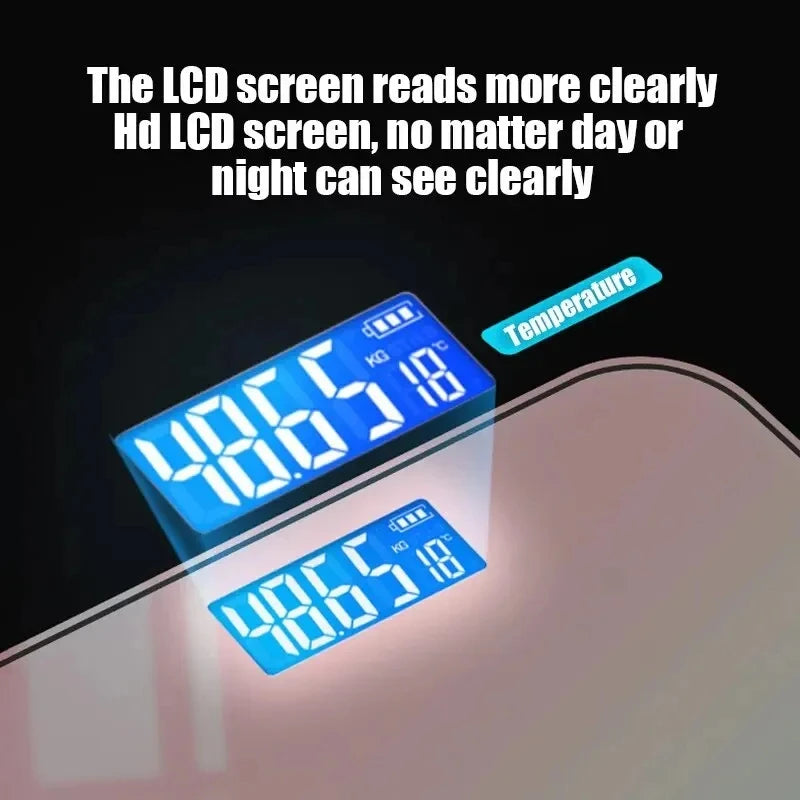
Track more accurately with smart BMI scales designed for real-world use
Are Smart Scales Accurate for Tracking Progress?
Although smart scale accuracy is imperfect, these devices can still be valuable for monitoring changes in body composition over time.
Can You Trust Body Fat Trends Over Time?
When measurements are taken under similar conditions, body fat scales can reveal useful trends. Consistent decreases or increases over weeks and months are often more meaningful than day-to-day fluctuations.
Why Trend Tracking Matters More Than Single Readings
A single reading may be affected by hydration or other temporary factors. Looking at long-term patterns reduces the influence of short-term variability.
When Changes in Body Fat Percentage Are Meaningful
Small day-to-day changes are often noise. Larger, sustained changes observed over multiple weeks are more likely to reflect genuine changes in body composition.
How to Get More Consistent Body Fat Scale Readings
Best Time of Day to Measure Body Fat
Measure under similar conditions each time, ideally in the morning after using the bathroom and before eating or drinking.
How Often You Should Use a Smart Scale
Daily or weekly measurements can work, provided they are taken consistently. The key is maintaining the same routine.
Measurement Best Practices
- Measure at the same time of day.
- Use the same scale every time.
- Avoid measuring immediately after exercise.
- Measure before large meals.
- Stand with consistent foot placement.
- Track trends over weeks rather than days.
Focus on Trends Instead of Single Readings
The most reliable way to use a body fat scale is to monitor long-term direction rather than focusing on exact percentages from individual measurements. For additional guidance, read our weight-loss progress tracking guide .
Are Smart Scales Safe to Use?
Are Body Fat Scales Safe for Most People?
For most healthy individuals, the electrical current used in smart scales is extremely small and generally considered safe.
Who Should Avoid Using Body Fat Scales
- Individuals with pacemakers or implanted medical devices
- Pregnant individuals
- People with severe fluid retention conditions
- Individuals undergoing certain medical treatments
Pacemakers and Medical Device Warnings
Because body fat scales send electrical signals through the body, manufacturers often advise people with pacemakers or similar implants to avoid using them as a precaution.
| Condition | Why Avoid? |
|---|---|
| Pacemaker users | Electrical signal may interfere with the device |
| Pregnancy | Unreliable fat estimates; not cleared for fetal safety |
| Severe obesity or underweight | Formulas become less accurate at extremes |
| Chronic kidney issues | Fluid retention skews measurements |
Is There a More Accurate Way to Measure Body Fat?
Yes. Several professional methods generally provide greater accuracy than consumer body fat scales.
DEXA Scans
DEXA scans provide detailed body composition data and are among the most accurate options available. See our complete body composition testing guide for details.
Bod Pod Testing
Bod Pod systems estimate body composition using air displacement technology and are commonly used in sports and research settings.
Hydrostatic Weighing
Hydrostatic weighing uses underwater measurements to estimate body density and body fat percentage.
Skinfold Measurements
When performed correctly, skinfold testing can provide useful body fat estimates at a relatively low cost.
Waist Circumference and Other Practical Alternatives
Waist measurements, progress photos, clothing fit, and performance metrics can provide additional context when tracking body composition changes. Learn proper technique in our waist measurement guide .
When Advanced Testing Is Worth It
Advanced testing may be beneficial for athletes, research participants, medical assessments, or individuals who require highly precise body composition data.
The RainbowFit Body Scaler stands out among smart BMI scales with enhanced calibration, better data syncing, and improved tracking over time—especially helpful for older adults or those with atypical body shapes using measurements.
| Pros | Cons |
|---|---|
| ✔️ High-precision multi-point sensors | ❌ Not suitable for pacemaker wearers |
| ✔️ Auto-syncs with health apps | ❌ Slight delay in app loading |
| ✔️ Trend tracking with visual graphs | ❌ Requires smartphone for full features |
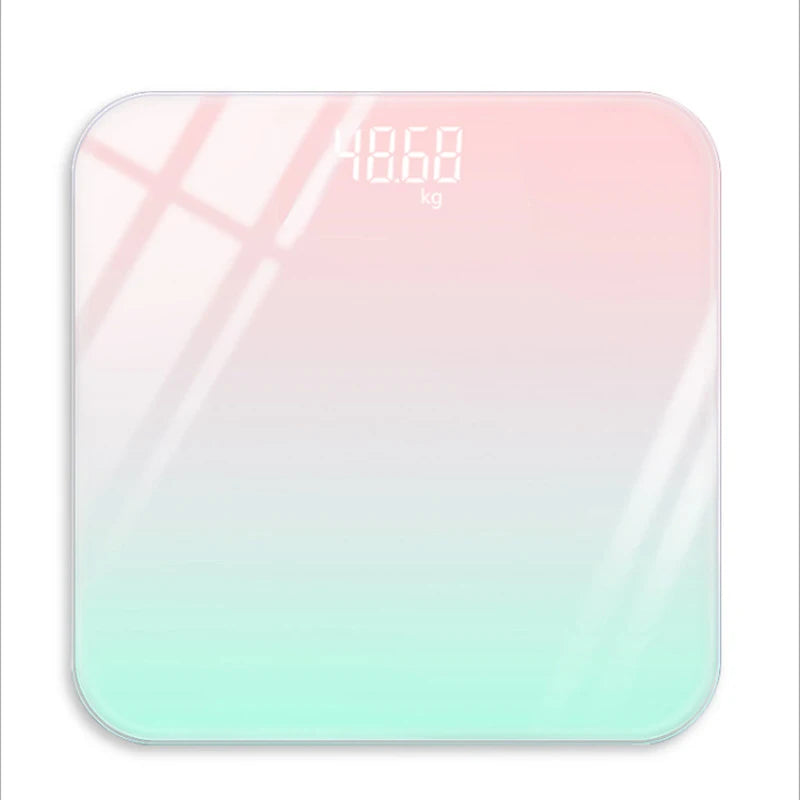
Precision matters: get your smart digital body fat scale today
FAQ: Body Fat Scale Accuracy and Safety
Are body fat scales accurate?
They provide estimates rather than exact measurements and are best used for monitoring trends over time.
How accurate are body fat scales?
Accuracy varies by device, user characteristics, and testing conditions, with results potentially differing from clinical measurements by several percentage points.
Are smart scales accurate for body fat?
Smart scales can estimate body fat reasonably well for many users but should not be considered diagnostic tools.
Can scales accurately measure body fat?
Scales estimate body fat indirectly through BIA technology rather than measuring body fat directly.
Do body fat scales work?
Yes. They work by analyzing electrical impedance and applying predictive algorithms to estimate body composition.
Why do body fat readings change so much?
Hydration, meals, exercise, and other factors can alter impedance measurements and affect body fat estimates.
What is more accurate than a body fat scale?
DEXA scans, Bod Pod testing, and hydrostatic weighing generally provide more accurate body composition measurements. You may also find our guide to body fat percentage ranges helpful when interpreting results.
Want more health tech insights? Browse our curated picks in the Body Care and Health Devices collection or explore related reads in the Body & Face Blog .
Pillar Article: Digital Body Weight Scale for Couples: One Scale, Multiple Goals