

Why are my clothes not drying?
Why are my clothes not drying after a full cycle? The most common causes are restricted airflow, insufficient heat, excess moisture, overloaded drums, or clothes entering the dryer with too much water. Clothes dry when warm air moves through the fabric and carries moisture away, so any problem with heat, airflow, or moisture removal can leave laundry damp.
If your clothes not drying problem keeps happening, this guide helps you identify whether the issue comes from the dryer, the washer, or your drying environment. Start with the symptoms, then follow the troubleshooting steps that match your situation.
Why Are My Clothes Not Drying and How to Fix It Fast
⏱ 7 min read
If your clothes aren’t drying even after a full cycle, the cause is usually related to airflow, heat, or humidity rather than the clothes themselves. A dryer needs consistent heat and proper ventilation to remove moisture efficiently. When one part of this process fails, clothes may stay damp, take multiple cycles, or develop a musty smell.
Use this guide to find the most likely reason your clothes are not drying and learn the fastest fixes before considering repairs.
Quick Diagnosis: Why Your Clothes Aren’t Drying (Start Here)
If your clothes are not drying properly, identify the symptom first. The problem may come from your dryer settings, blocked airflow, washer performance, or the conditions in the room where clothes are drying.
If clothes are wet after one dryer cycle
- Dryer is not producing enough heat
- Drum is overloaded and hot air cannot circulate
- Lint filter or exhaust vent is blocked
- Washer spin cycle is leaving excess water in fabrics
Next step: Check the load size, clean the lint filter, and confirm that warm air is reaching the clothes.
If clothes are damp after two cycles
- Airflow inside the dryer is restricted
- Drying settings are too short or too low for the fabric type
- Indoor humidity is slowing moisture removal
- Dryer sensors may not be detecting moisture correctly
Next step: Test with a smaller load and inspect ventilation before running another cycle.
If clothes won’t dry indoors
- High humidity prevents water from evaporating
- Air is not moving around the fabric
- Clothes are packed too closely on a rack
- Cold indoor temperatures slow drying speed
Next step: Increase airflow, separate garments, and reduce moisture buildup in the room.
Once you identify your situation, follow the targeted fixes below to solve the problem quickly.
Explore the folding clothes dryer
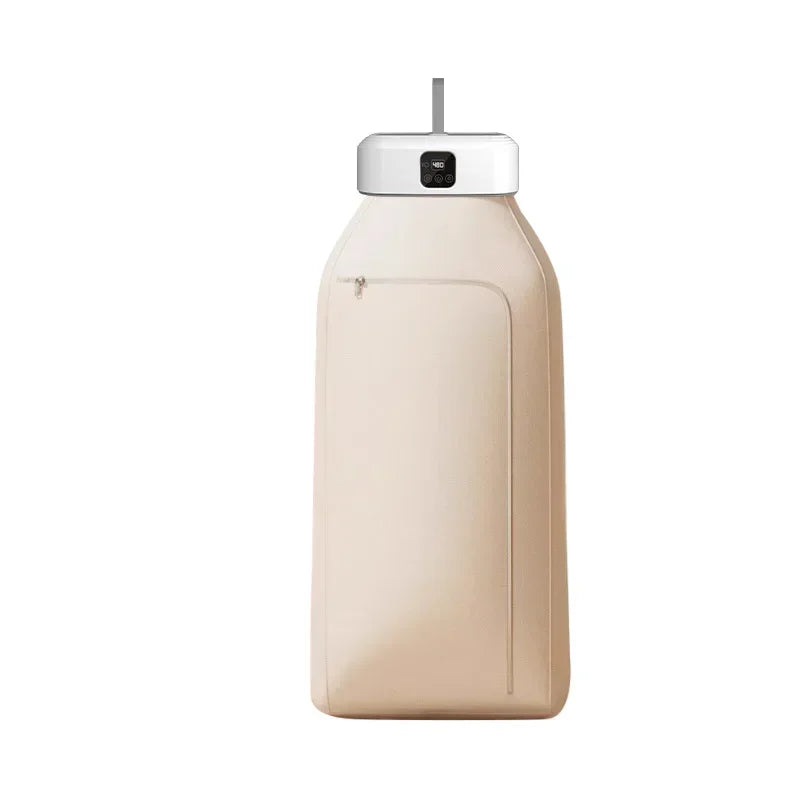
Clothes not drying properly at home? See it in action
Fast Fixes at a Glance (Save Drying Time Today)
When your dryer is not drying clothes, start with the highest-impact fixes before troubleshooting deeper problems. Most cases of clothes not drying in the dryer are caused by restricted airflow, excessive moisture, or simple loading mistakes.
- Reduce the load size: Leave enough space for warm air to move around each item instead of packing the drum tightly.
- Clean the lint filter before every cycle: A clogged filter reduces airflow and makes drying less efficient.
- Check the exhaust vent: Remove visible lint buildup or blockages that prevent moist air from leaving the dryer.
- Choose the correct drying cycle: Match heat level and cycle length to the fabric type and load size.
- Run an additional spin cycle: If clothes enter the dryer with too much water, drying time increases significantly.
- Improve room airflow: Open doors, improve ventilation, or use a fan when drying clothes indoors.
- Control humidity: Lower moisture levels in the room to help evaporation happen faster.
After making these adjustments, run a short test cycle and check whether clothes are drying more evenly. If the problem continues, inspect the specific causes below to determine whether the issue is related to the dryer, washer, or drying environment.
Why Are My Clothes Not Drying in the Dryer? (Common Causes + Fixes)
If you are wondering why are my clothes not drying in the dryer, the cause is usually connected to one of five areas: airflow, heat production, settings, load size, or moisture left behind after washing. A dryer needs a steady combination of warm air movement and moisture removal to fully dry fabrics.
Overloaded drum
A dryer packed with too many clothes cannot circulate hot air properly. When garments are pressed tightly together, moisture becomes trapped and some items may stay damp even after a complete cycle.
- Fix: Split large loads into smaller batches and leave enough room for clothes to tumble freely.
- Quick check: Clothes should be able to move around the drum instead of forming one heavy, compressed mass.
Blocked lint filter or exhaust vent
Restricted airflow is one of the most common reasons a dryer is not drying clothes. Lint buildup in the filter, vent hose, or exhaust path prevents humid air from leaving the machine efficiently.
- Fix: Clean the lint filter after each load and inspect the exhaust vent regularly for buildup or restrictions.
- Quick check: If the dryer feels unusually hot outside but clothes remain damp, poor ventilation may be the cause.
Dryer not producing enough heat
If the dryer runs but does not generate enough heat, clothes may tumble for a long time without becoming fully dry. Low heat can result from incorrect settings, airflow problems, or failing components.
- Fix: Confirm the selected heat setting and check whether warm air is being produced during the cycle.
- Quick check: A dryer that runs normally but leaves clothes cold and damp may require further inspection.
Wrong cycle or sensor setting
Using the wrong drying program can leave clothes damp, especially with heavier fabrics such as towels, denim, or bedding. Some sensor-based dryers may also stop early if moisture detection is affected.
- Fix: Choose a cycle designed for the fabric type and avoid using short cycles for heavy loads.
- Quick check: Test a small load using a standard or timed drying cycle to compare results.
Washer leaving clothes too wet
Sometimes the dryer is not the problem. If the washing machine does not remove enough water during the spin cycle, the dryer must work much harder to remove the remaining moisture.
- Fix: Check washer spin performance and run an additional spin cycle when clothes feel heavier or wetter than normal.
- Quick check: Compare a normally spun load with a second-spin load to see whether drying time improves.
Why Are My Clothes Not Drying Properly Indoors?
When clothes are not drying indoors, the problem is often the drying environment rather than the laundry itself. Indoor drying depends on evaporation, which requires moving air and a place for moisture to escape. When humidity is high, airflow is limited, or temperatures are low, water remains trapped in the fabric for much longer.
High humidity slowing evaporation
Moist air makes it harder for water to evaporate from clothes because the surrounding air is already holding a high amount of moisture. This is why clothes may take much longer to dry during rainy seasons or in naturally humid rooms.
- Fix: Use ventilation, fans, or a dehumidifier to reduce moisture in the air.
- Best practice: Avoid drying large amounts of laundry in small, closed rooms with limited airflow.
Poor air circulation
Without enough air movement, moisture stays trapped around fabrics instead of being carried away. Clothes hanging close together may feel damp for hours because the surrounding air cannot refresh properly.
- Fix: Place clothes where air can move freely around each item.
- Best practice: Leave gaps between garments and use a fan to improve circulation when needed.
Cold temperatures in winter
Clothes not drying in winter is a common issue because colder air slows evaporation. Even when indoor humidity is moderate, low temperatures can increase drying time by reducing how quickly moisture leaves fabrics.
- Fix: Dry clothes in a warmer room and avoid placing wet laundry in cold, poorly ventilated areas.
- Best practice: Combine gentle heat with airflow instead of relying on temperature alone.
Overcrowded drying racks
Placing too many clothes on a drying rack at once can create the same problem as an overloaded dryer. Fabrics touching each other block airflow and keep moisture trapped between layers.
- Fix: Spread garments apart and rotate heavier items during drying.
- Best practice: Hang thicker fabrics, towels, and denim where they receive the most airflow.
Using a dehumidifier correctly
A dehumidifier can help when clothes are not drying indoors because it removes moisture from the surrounding air. However, it works best when combined with good airflow rather than used in a sealed, crowded drying area.
- Fix: Place the dehumidifier near the drying area and keep doors or windows adjusted based on the room conditions.
- Best practice: Monitor humidity levels and avoid creating an overly damp environment during laundry sessions.
Does Humidity Affect Clothes Dryer and Air-Drying Performance?
Yes, humidity can affect clothes dryer and air-drying performance. High moisture levels in the air slow evaporation and make it harder for wet fabrics to release water. This effect is especially noticeable when drying clothes indoors, although very humid conditions can also reduce overall drying efficiency for some dryer setups.
How humidity slows evaporation
Drying works by transferring moisture from clothes into the surrounding air. When the air is already saturated with water vapor, there is less capacity for additional moisture, so fabrics remain damp longer.
Signs humidity is the problem
- Clothes feel damp even after extended drying times
- Drying takes much longer during rainy or humid weather
- The room feels heavy, sticky, or poorly ventilated
- Moisture collects on windows or nearby surfaces
Improving drying conditions
- Use a dehumidifier to remove excess moisture from the room
- Improve ventilation by opening doors, windows, or using fans when appropriate
- Avoid drying clothes in small enclosed spaces with little airflow
- Spread garments apart to increase exposed surface area
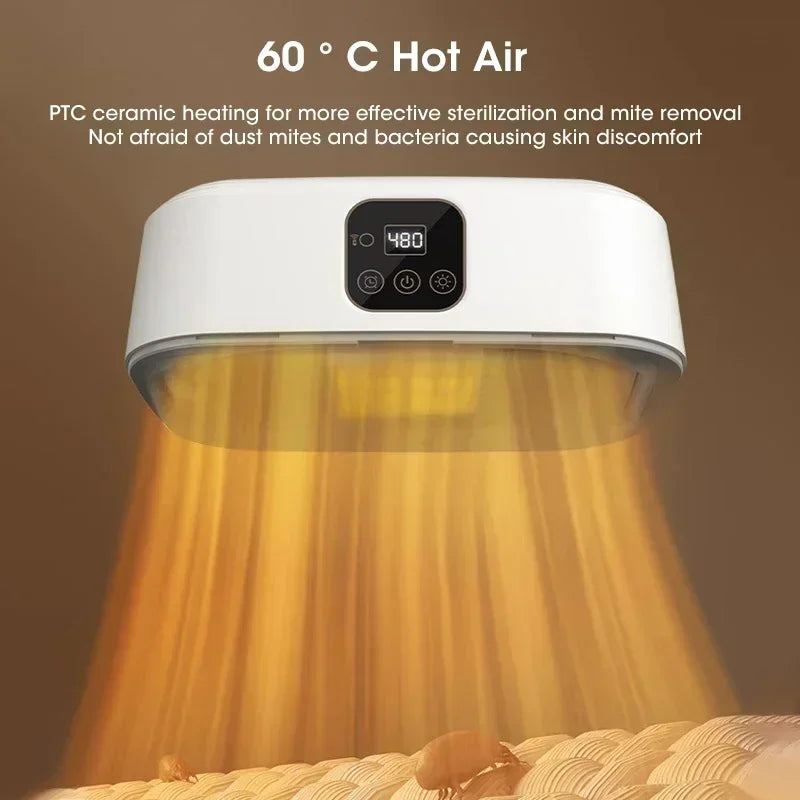
Does humidity affect clothes dryer results? See it in action
Step-by-Step Troubleshooting Checklist (Fix the Problem Fast)
Follow this troubleshooting order to find the reason your clothes are not drying without replacing parts unnecessarily. Start with simple checks first, then move to dryer performance and environmental factors.
Check washer spin performance
Before troubleshooting the dryer, confirm that your washing machine is removing enough water. Clothes that leave the washer heavily saturated require much more drying time and may appear as if the dryer is failing.
- Run an additional spin cycle if clothes feel unusually heavy or wet.
- Check whether the washer completes the spin cycle correctly.
- Compare drying time after a stronger spin cycle to identify whether excess water is the cause.
Reduce load size
An overloaded dryer prevents clothes from tumbling freely and limits airflow between fabrics. Smaller loads usually dry faster because warm air can reach more surface area.
- Separate bulky items such as towels and blankets from lighter clothing.
- Avoid filling the drum completely so clothes have room to move.
- Retest with a smaller load after making adjustments.
Clean lint filter and vents
Restricted airflow is one of the most common reasons a dryer is not drying clothes. Lint buildup can reduce ventilation, increase drying time, and make the appliance work harder.
- Clean the lint filter before each drying cycle.
- Check the exhaust vent for visible blockages or reduced airflow.
- Inspect the vent connection if drying performance suddenly decreases.
Verify heat output
A dryer needs enough heat to remove moisture effectively. If clothes remain cold or damp after a full cycle, the dryer may not be producing sufficient heat.
- Run a short cycle and check whether warm air is circulating.
- Confirm that the selected cycle and heat setting match the fabric type.
- If the dryer runs without proper heat, professional inspection may be needed.
Improve room airflow and humidity
For indoor drying, the surrounding environment plays a major role. High humidity and poor ventilation slow evaporation and can leave clothes damp for much longer.
- Increase airflow with a fan or better room ventilation.
- Keep clothes spaced apart on racks or hangers.
- Reduce excess moisture in the room when possible.
See the folding clothes dryer in use
Estimated Drying Times by Fabric and Conditions
Drying time depends on fabric thickness, moisture level, airflow, temperature, and whether clothes are dried indoors or outdoors. If clothes are taking much longer than expected, one of these factors may be affecting performance.
Cotton
Cotton shirts, sheets, and everyday clothing absorb a large amount of water and usually require more drying time than lightweight fabrics. Towels and cotton bedding may take even longer because of their thickness.
Synthetic fabrics
Materials such as polyester and nylon typically dry faster because they hold less moisture. However, they can still remain damp if airflow is poor or garments are packed too closely together.
Denim and towels
Heavy fabrics like jeans and towels are among the slowest items to dry. Thick layers trap moisture, so they benefit from longer cycles, better airflow, and extra spacing.
Indoor vs outdoor drying
Outdoor drying is often faster when there is sunlight, warmth, and moving air. Indoor drying can take longer during humid weather, winter months, or in rooms with limited ventilation.
| Fabric or Condition | Typical Drying Speed | Common Reasons for Longer Drying |
|---|---|---|
| Cotton clothing | Medium | High moisture absorption |
| Synthetic fabrics | Fast | Poor airflow or overcrowding |
| Denim and towels | Slow | Thick fibers trap moisture |
| Indoor drying | Variable | Humidity and limited ventilation |
Prevent Clothes from Staying Damp
Preventing clothes from staying damp is easier than repeatedly fixing slow drying problems. Regular maintenance, proper loading, and better drying habits help improve efficiency and reduce recurring issues.
Routine dryer maintenance
- Clean the lint filter after every load.
- Inspect airflow paths regularly.
- Keep the drying area clean and free from moisture buildup.
Best loading practices
- Avoid overfilling the dryer or drying rack.
- Separate heavy fabrics from lightweight clothing when needed.
- Allow enough space for air movement around garments.
Indoor drying tips
- Choose a room with good ventilation.
- Use fans or airflow solutions to move moisture away.
- Avoid leaving wet clothes in closed, humid spaces.
Seasonal maintenance schedule
- Check ventilation more often during humid seasons.
- Pay attention to longer drying times during winter.
- Clean and inspect drying equipment before heavy laundry periods.
What Happens If Your Clothes Don't Dry All the Way?
Clothes that remain slightly damp after drying should not be stored or worn immediately. Trapped moisture can affect fabric quality, create unpleasant odors, and encourage microbial growth over time.
Mold and mildew
Damp clothing provides an environment where mold and mildew can develop, especially when items are folded and stored before they are completely dry.
- Allow clothes to dry fully before placing them in drawers or closets.
- Improve ventilation in storage areas if dampness occurs frequently.
Odors
Moisture trapped inside fabric fibers can lead to musty smells that become harder to remove the longer clothes stay damp.
- Rewash items with persistent odors before wearing them again.
- Improve drying conditions to prevent the smell from returning.
Fabric damage
Repeatedly storing clothes while damp can weaken fabrics and affect their appearance over time. Proper drying helps maintain softness, shape, and overall garment quality.
- Avoid leaving wet laundry in the washer or dryer for extended periods.
- Use appropriate drying methods for delicate and heavy fabrics.
When to rewash
If clothes have developed a strong musty smell or have remained damp for a long period, rewashing may be the best option. Drying them completely afterward helps prevent the problem from repeating.
When to Repair or Replace Your Dryer
If your dryer is not drying clothes after basic troubleshooting, the issue may involve a component failure rather than a simple maintenance problem. Knowing when to repair or replace the appliance can prevent wasted time and repeated drying cycles.
Signs of component failure
- The dryer runs normally but produces little or no heat.
- Drying times continue increasing despite cleaning filters and vents.
- The dryer stops during cycles or shows unusual performance changes.
- Clothes remain damp after multiple correctly loaded cycles.
Parts commonly replaced
Some dryer problems may be related to worn or damaged components, including:
- Heating elements
- Thermal fuses or temperature sensors
- Ventilation components
- Moisture sensors
When to call a technician
Professional inspection is recommended when troubleshooting steps do not improve drying performance, especially if the dryer has electrical, heating, or airflow-related issues. Continuing to use a malfunctioning appliance can reduce efficiency and may create safety concerns.
Frequently Asked Questions
Why are my clothes still wet after one dryer cycle?
Clothes that are still wet after one cycle are often caused by an overloaded drum, restricted airflow, insufficient heat, or a washer spin cycle that leaves too much water in the fabric.
Why don't my clothes dry in the dryer even on high heat?
If clothes do not dry on high heat, check airflow, lint buildup, vent restrictions, and whether the dryer is actually producing heat. A high temperature setting cannot compensate for poor ventilation or mechanical problems.
Can a washer cause clothes to stay damp?
Yes. If the washer does not remove enough water during the spin cycle, clothes may enter the dryer too wet and require much longer drying times.
Does humidity affect clothes dryer performance?
Yes. High humidity can slow moisture removal, especially when drying clothes indoors. Better airflow and humidity control can improve drying results.
Why are my clothes not drying indoors during winter?
Cold temperatures, limited airflow, and higher indoor moisture levels can slow evaporation during winter. Using better ventilation and spacing clothes apart can help.
Why is my dehumidifier not drying clothes faster?
A dehumidifier works best when combined with airflow and proper clothing placement. If clothes are crowded together or the room has poor circulation, drying may still take longer.
How long should different fabrics take to dry?
Light synthetic fabrics usually dry faster, while cotton, denim, towels, and bedding take longer because they absorb and retain more moisture.
When should I call a technician for a dryer that won't dry clothes?
Call a technician when cleaning the lint filter, checking airflow, adjusting settings, and reducing load size do not solve the problem, or when the dryer shows signs of heating or electrical failure.
Upgrade to faster, odor-free drying
Related Guide: How to Air Dry Clothes Indoors Without Odors or Dampness













