

Why are my clothes not drying?
Why are my clothes not drying even after hours? In most cases, clothes not drying is caused by excess moisture left after washing, restricted airflow, insufficient heat, high indoor humidity, or an overloaded washer, dryer, or drying rack. The quickest way to solve the problem is to identify whether it starts after the wash cycle , inside the dryer , or while air drying indoors , then address the specific cause instead of simply waiting longer.
Why Are My Clothes Not Drying? (Complete Troubleshooting Guide + Fixes)
⏱ 7 min read
If your clothes are not drying properly, you're usually dealing with one of five issues: too much water left in the fabric, poor airflow, inadequate heat, excessive humidity, or a washer or dryer that isn't working as it should. Whether you're drying wet clothes indoors or relying on a tumble dryer, following a simple diagnostic process will help you find the root cause and restore normal drying times.
Quick Diagnosis: Is the Problem the Washer, Dryer, or Air-Drying Setup?
Before changing your laundry routine or assuming an appliance has failed, identify where the drying process breaks down. These quick checks help narrow the problem in just a few minutes.
Clothes Are Still Very Wet After Washing
If garments come out of the washer dripping or noticeably heavier than usual, the problem often begins before drying even starts.
- The washing machine may not be completing a full spin cycle.
- An overloaded or unbalanced load can reduce spin efficiency.
- Using too much detergent can leave fabrics holding excess moisture.
Dryer Runs but Clothes Stay Damp
If the washer removes most of the water but your laundry still won't dry in the dryer, focus on airflow and heat first.
- A clogged lint filter or restricted vent may reduce airflow.
- An overloaded dryer prevents warm air from circulating evenly.
- Reduced heating performance can dramatically increase drying time.
Clothes Are Not Drying Indoors
If you're air drying laundry inside your home, environmental conditions are usually responsible.
- Limited airflow slows evaporation.
- High humidity prevents moisture from leaving the fabric.
- Clothes hung too closely together block air circulation.
Once you've identified whether the issue starts after washing, during tumble drying, or while drying wet clothes indoors, you can apply the correct fix instead of relying on repeated drying cycles.
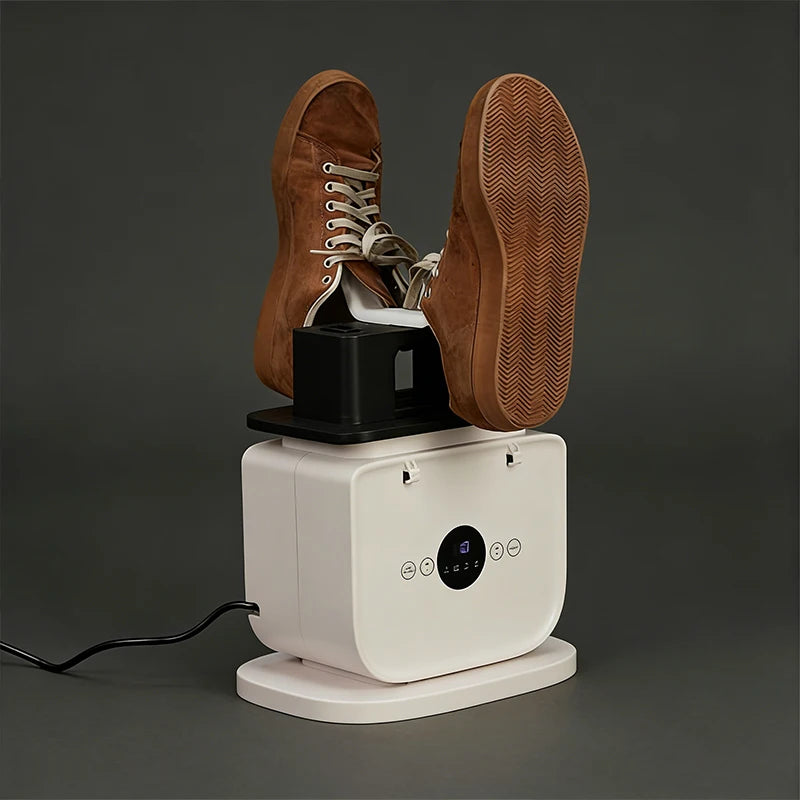
Clothes not drying indoors? See common setup mistakes that can dramatically increase drying time.
7 Common Reasons Clothes Are Not Drying (Cause → Check → Fix)
1. Clothes Leave the Washer With Too Much Water
Cause: Laundry starts the drying process with excess moisture because the washer fails to remove enough water.
Check: Clothes feel unusually heavy, drip after the wash cycle, or require much longer than normal to dry.
Fix:
- Run an additional spin cycle before drying.
- Avoid overloading the washing machine.
- Distribute bulky items evenly to prevent an unbalanced spin.
2. The Load Is Too Large or Packed Too Tightly
Cause: Air cannot circulate freely when garments are crowded together on a drying rack or inside a dryer.
Check: The outside of the load dries first while items in the center remain damp.
Fix:
- Leave several inches of space between garments.
- Dry large loads in smaller batches when possible.
- Separate thick towels and heavy fabrics from lightweight clothing.
3. Airflow Is Restricted by a Lint Filter or Vent
Cause: Dryers rely on steady airflow to remove moisture. Restricted airflow slows drying and can become a safety concern.
Check: The dryer runs normally but clothes remain damp after a full cycle, or the outside of the machine feels unusually hot.
Fix:
- Clean the lint filter after every load.
- Inspect the external vent for lint buildup or obstructions.
- Ensure the vent hose is not crushed or kinked.
4. The Dryer Is Not Producing or Retaining Enough Heat
Cause: Insufficient heat prevents moisture from evaporating efficiently.
Check: Clothes feel cool or only slightly warm after an entire drying cycle.
Fix:
- Confirm the correct drying program is selected.
- Avoid opening the dryer repeatedly during operation.
- If heating remains inconsistent after basic maintenance, the appliance may require servicing.
5. The Drying Room Is Too Humid
Cause: Air that is already saturated with moisture cannot absorb much more water from damp clothing.
Check: Windows become foggy, the room feels damp, or laundry dries noticeably slower during rainy or cold weather.
Fix:
- Improve ventilation by opening windows when conditions allow.
- Use a dehumidifier to lower indoor moisture levels.
- Choose the driest room available for indoor drying.
6. Clothes Are Positioned Poorly for Air Drying
Cause: Garments folded over rails or hung too closely together prevent air from reaching damp areas.
Check: Sleeves, waistbands, pockets, or folded sections stay wet long after the rest of the garment has dried.
Fix:
- Hang each item fully open whenever possible.
- Keep gaps between garments on the drying rack.
- Turn or reposition thick items halfway through drying.
7. The Washer or Dryer Has a Mechanical Problem
Cause: Mechanical faults can prevent the washer from spinning effectively or stop the dryer from removing moisture properly.
Check: Drying performance suddenly worsens despite using the same laundry routine and load size.
Fix:
- Look for washer error codes or drainage problems.
- Verify the dryer completes its full cycle without stopping early.
- If routine maintenance does not improve performance, arrange professional inspection.
Why Clothes Are Not Drying Indoors
Drying wet clothes indoors depends on one simple process: moisture must evaporate from the fabric into the surrounding air. When the room is humid, poorly ventilated, or overcrowded with laundry, evaporation slows dramatically and clothes stay damp much longer than expected.
High Humidity Slows Evaporation
Humidity is one of the biggest reasons clothes not drying indoors. When the air already contains a high level of moisture, it has little capacity to absorb additional water from wet fabrics. This is why laundry often takes much longer to dry during rainy weather or in tightly sealed homes.
Moving air carries moisture away from clothing, allowing evaporation to continue. Without adequate airflow, damp air remains around each garment and drying slows significantly.
- Open windows when outdoor conditions are suitable.
- Place a fan so air moves across, not directly into, the drying rack.
- Avoid placing drying racks in corners with little air circulation.
Overcrowding Prevents Air From Reaching the Fabric
Even in a well-ventilated room, garments packed tightly together dry much more slowly because air cannot circulate between layers of fabric.
- Leave space between every item.
- Spread out thick fabrics such as towels and hoodies.
- Use an additional drying rack rather than stacking clothing.
The Room or Drying Setup Is Working Against You
The location you choose can have a major impact on drying time. Bathrooms, laundry rooms without ventilation, and small enclosed spaces often trap humidity, while larger rooms with good air circulation help clothes dry faster.
- Choose a warm, well-ventilated room whenever possible.
- Position the drying rack near natural airflow instead of against a wall.
- If outdoor drying is not practical, combine ventilation with a fan or dehumidifier to improve drying efficiency.
How to Dry Wet Clothes Indoors Faster
If you're drying wet clothes indoors, the goal is to remove moisture as efficiently as possible. Better airflow and lower humidity usually have a greater impact on drying time than simply increasing the room temperature.
Improve Airflow Around Every Garment
Air must circulate freely around each item for moisture to evaporate evenly. Even small changes in how you hang laundry can noticeably reduce drying time.
- Leave several inches of space between garments.
- Hang shirts, trousers, and dresses fully open instead of folded.
- Spread out thick fabrics such as towels, blankets, and hoodies.
- Rotate or reposition bulky items if one side dries more slowly.
Reduce Humidity With Ventilation or a Dehumidifier
High humidity is one of the biggest reasons clothes not drying indoors. Lowering moisture levels allows fabrics to release water much more quickly.
- Open windows when outdoor conditions are dry enough.
- Use a dehumidifier in enclosed rooms to remove excess moisture.
- Avoid drying multiple loads simultaneously in small spaces.
Use a Fan and Choose the Right Drying Location
A fan improves evaporation by moving moist air away from clothing. Place your drying rack in a room with consistent air circulation instead of a damp bathroom or enclosed utility room.
- Position a fan so air flows across the drying rack.
- Choose a warm, well-ventilated room whenever possible.
- Keep drying racks away from cramped corners where air becomes stagnant.
Remove More Water Before Hanging Clothes
The less water clothing contains at the start, the faster it will dry.
- Run an extra spin cycle if garments still feel heavy.
- Avoid overloading the washer so the spin cycle works efficiently.
- Shake out each garment before hanging to improve airflow through the fabric.
Explore smart solutions like a portable clothes dryer designed for apartments, laundry rooms, and other small spaces where air drying alone can take too long.
Dryer Not Drying Properly? Troubleshoot by Symptom
The Dryer Runs but Clothes Stay Cold
If the drum turns but your laundry remains cool, the appliance may not be producing enough heat.
- Verify the correct drying program has been selected.
- Check that the power supply or gas supply is functioning correctly.
- If the dryer consistently produces little or no heat, professional service may be required.
The Dryer Gets Hot but Clothes Remain Damp
When heat is present but clothing still won't dry, airflow is often the limiting factor.
- Clean the lint filter before every load.
- Inspect the vent for lint buildup or external obstructions.
- Reduce load size so warm air can circulate around every garment.
Clothes Dry Unevenly or Take Multiple Cycles
Uneven drying usually indicates restricted airflow or mixed fabric weights.
- Separate heavy towels from lightweight clothing.
- Avoid tightly packed loads.
- Redistribute bulky items if they become tangled during the cycle.
The Dryer Stops Early or Does Not Complete the Cycle
Some modern dryers use moisture sensors that can end a cycle prematurely if airflow is restricted or sensors become dirty.
- Clean moisture sensors according to the manufacturer's instructions.
- Confirm vents are unobstructed to allow proper airflow.
- If the dryer repeatedly stops unexpectedly despite normal maintenance, schedule professional diagnosis.
Indoor Drying Methods Compared: Which Works Best?
The best indoor drying method depends on your room conditions, laundry volume, and how quickly you need clothes to dry. Methods that combine good airflow with humidity control consistently outperform those that rely on heat alone.
| Drying Method | Drying Speed | Humidity Control | Best For |
|---|---|---|---|
| Drying rack + fan | Fast | Good | Everyday laundry in well-ventilated rooms |
| Heated airer | Fast | Moderate | Cold weather and thick fabrics |
| Drying rack + dehumidifier | Very fast | Excellent | Humid homes and frequent indoor drying |
| Near an open window | Moderate | Depends on outdoor conditions | Dry, breezy weather |
| Bathroom drying | Slow | Poor | Only when no better location is available |
For most households, the most effective combination is adequate spacing between garments, continuous airflow from a fan, and low indoor humidity.
Common Mistakes That Keep Clothes Damp for Hours
Even with the right equipment, a few common mistakes can make laundry take much longer to dry. Correcting these issues often improves drying performance without changing your appliances.
- Overloading the dryer or drying rack: Crowded garments restrict airflow, leaving moisture trapped in the middle of the load.
- Using a low spin setting: Clothes that leave the washer holding excess water require significantly more drying time.
- Drying in a closed, humid room: Moisture builds up quickly and slows evaporation, especially during wet or cold weather.
- Mixing heavy and lightweight fabrics: Thick towels and blankets dry much more slowly than shirts or lightweight clothing, causing uneven results.
- Running repeated dryer cycles without fixing the cause: If airflow is restricted or humidity is too high, extra drying time alone may not solve the problem.
- Ignoring routine appliance maintenance: Basic maintenance, such as cleaning accessible filters and ensuring unobstructed airflow, helps maintain consistent drying performance.
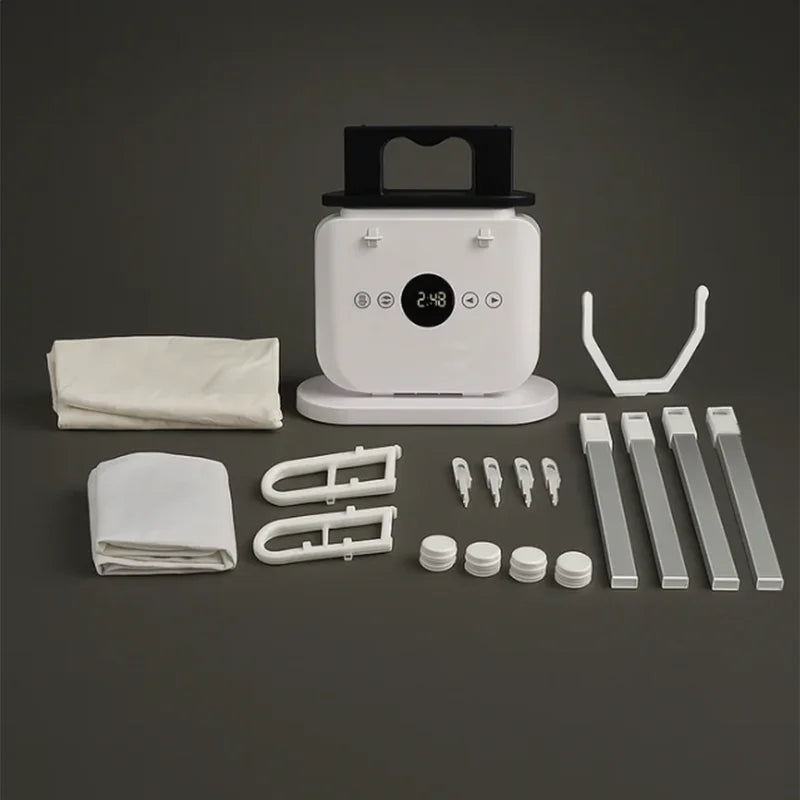
Air drying clothes indoors works best when garments are properly spaced and fresh air can circulate around every item.
Quick 5-Minute Checks Before Calling for Repair
Check the Load Size and Drying Cycle
Start with the simplest causes. Make sure the dryer is not overloaded and that you're using the correct drying program for the fabric type. Heavy items such as towels and bedding often require longer cycles than lightweight clothing.
Clean the Lint Filter
A lint filter clogged with fibers restricts airflow and reduces drying performance. Clean it after every load and inspect the filter housing for any remaining lint.
Check Airflow and Venting
If clothes remain damp after a complete cycle, inspect the dryer vent for blockages or crushed ducting. Good airflow is essential for removing moisture efficiently and helps reduce overheating risks.
Confirm the Washer Is Spinning Properly
If laundry leaves the washer unusually wet, run another spin cycle. Persistent problems may indicate an issue with the washer's spin function or drainage system rather than the dryer.
When to Stop Troubleshooting and Call for Professional Service
Signs of a Dryer Heating or Electrical Fault
Arrange professional service if the dryer repeatedly runs without producing heat, trips electrical breakers, produces unusual burning smells, or displays recurring error codes.
Signs of a Serious Ventilation or Airflow Problem
If the outside of the dryer becomes excessively hot, lint continues to accumulate unusually quickly, or airflow from the exterior vent is weak despite cleaning, the vent system may require professional inspection.
When Repeated Troubleshooting Does Not Fix Damp Clothes
If you've cleaned accessible filters, reduced load size, verified washer spin performance, and improved airflow but laundry is still not drying properly, the appliance may have a mechanical fault that requires diagnosis by a qualified technician.
Mini FAQ: Clothes Not Drying
Why are my clothes not drying overnight?
Overnight drying usually fails because the room has high humidity, poor ventilation, or limited airflow around the garments. Improving air circulation and reducing indoor moisture can significantly shorten drying time.
Why do clothes stay wet after washing?
Clothes often stay wet after washing when the spin cycle leaves too much water in the fabric. Overloaded washers, unbalanced loads, or drainage problems are common causes.
Why are my clothes still wet after drying?
If clothes remain damp after a dryer cycle, check for restricted airflow, an overloaded drum, or insufficient heat. Indoor air-dried clothing may also stay wet if the room is humid or poorly ventilated.
Is air drying clothes indoors bad?
Air drying clothes indoors is generally safe, but it can raise indoor humidity. Opening windows, using a fan, or running a dehumidifier helps prevent excess moisture from building up.
What is the fastest way to dry wet clothes indoors?
The fastest approach combines an effective washer spin cycle, proper spacing between garments, continuous airflow from a fan, and low indoor humidity. These factors usually have a greater impact than increasing heat alone.
Related Guide: Indoor Heated Air Clothes Drying Honest Review and Results
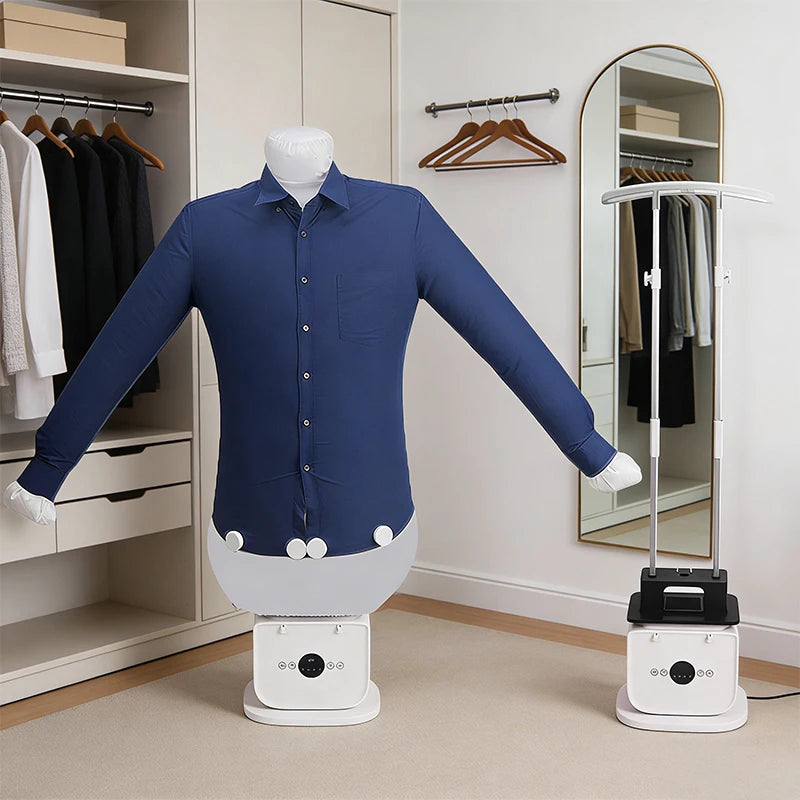
Create better airflow and moisture control for faster, more consistent indoor drying.
Experience faster drying with a compact solution designed to reduce drying time and help keep indoor spaces more comfortable.
Conclusion: Find the Moisture, Airflow, or Heat Problem
If your clothes are not drying properly, extending the drying time isn't always the answer. The most effective solution is to identify whether the problem starts with excess moisture after washing, restricted airflow, insufficient heat, high indoor humidity, or an equipment issue.
Work through the checks in order—washer spin performance, load size, airflow, ventilation, heat, and appliance condition. Once you address the root cause instead of the symptom, laundry will dry faster, more evenly, and with fewer repeated drying cycles.













