

Does cold legs mean something is wrong?
Cold legs are often caused by temporary circulation changes, nerve sensitivity, cold environments, or how your body regulates body temperature. Most cases are harmless and improve with movement or warming up, but persistent cold legs—especially when accompanied by pain, numbness, weakness, or skin color changes—may indicate an underlying circulation or nerve condition that should be evaluated.
⏱ 8 min read
Why Are My Legs Cold? Common Causes, What It Means, and When to Worry
Cold legs can feel uncomfortable and confusing—especially when the rest of your body feels warm. Whether both legs feel cold, only one leg is affected, or the sensation occurs mainly below the knees, understanding the pattern can help identify the most likely cause. This medically grounded guide explains why your legs feel cold, how to tell temporary symptoms from potential medical conditions, and when it's time to seek professional care.

Lower legs feeling cold is more common than you think — see it in action
What Does It Mean When Your Legs Feel Cold?
Cold legs can result from changes in blood circulation, altered nerve signaling, or reduced heat retention. The sensation may be temporary after sitting still or being in a cool environment, or it may occur more frequently because of an underlying health condition.
How Blood Flow Regulates Leg Temperature
Your body keeps your core organs warm by adjusting blood flow to the arms and legs. When blood vessels narrow because of cold weather, inactivity, or circulation problems, less warm blood reaches the lower legs, making them feel cold.
How Nerve Problems Create Cold Sensations
Nerves transmit temperature information to the brain. When they're irritated or damaged, they may send false signals that make a leg feel unusually cold, burning, or numb even when skin temperature is completely normal.
Cold Feeling vs Cold Skin
If your legs actually feel cold to the touch, reduced blood flow is more likely. If they only feel cold while remaining warm to someone else's touch, nerve-related causes become more likely. Paying attention to this difference can help guide further evaluation.
Common Reasons Your Legs Feel Cold
Poor Circulation and Blood Flow Problems
Reduced circulation is one of the most common reasons people wonder, "Why are my legs always cold?" Blood vessels may narrow temporarily or become less efficient at delivering warm blood to the lower limbs.
- Long periods of sitting
- Cold temperatures
- Reduced physical activity
- Narrowed arteries
- Smoking
Learn more about improving circulation in our Body & Face Blog .
Nerve-Related Causes (Neuropathy and Sciatica)
Peripheral nerves affected by neuropathy, sciatica, or nerve compression can produce cold sensations without actual cooling of the skin. Symptoms often occur alongside tingling, numbness, burning, or electric-shock sensations.
Explore related topics in our Beauty & Self-Care Blog .
Anemia and Low Oxygen Levels
Low red blood cell levels reduce oxygen delivery throughout the body. Along with fatigue and weakness, cold hands and cold legs may develop because tissues receive less oxygen-rich blood.
Thyroid and Hormonal Conditions
An underactive thyroid slows metabolism, making many people feel unusually sensitive to cold. Persistent cold legs together with dry skin, fatigue, or weight gain may warrant thyroid evaluation.
Environmental and Lifestyle Factors
Many everyday habits contribute to cold legs, including prolonged sitting, dehydration, wearing light clothing in winter, or spending long periods on cold floors. Fortunately, these causes usually improve with simple lifestyle adjustments.
Why Is Only One Leg Cold?
Circulation Problems
If one leg feels noticeably colder than the other, reduced blood flow to that limb may be responsible. Pressure on blood vessels, anatomical differences, or arterial narrowing can all contribute.
Nerve Compression
A compressed nerve in the lower back or hip may create a random cold sensation in one leg. Symptoms often extend along the path of the affected nerve and may include tingling, weakness, or altered sensation.
When One Cold Leg Needs Urgent Care
Seek immediate medical attention if one leg suddenly becomes cold together with severe pain, inability to move the foot, absent pulses, blue or pale skin, or rapidly worsening numbness. These symptoms require prompt evaluation.
Why Are My Legs Cold From the Knee Down?
Cold legs from the knees down are commonly caused by temporary circulation changes, nerve irritation, or normal heat loss from the lower limbs. The farther a body part is from the heart, the more noticeable reduced circulation or cooler temperatures can become.
Quick Symptom Assessment
- Both legs affected equally usually suggest environmental or circulation-related causes.
- One-sided symptoms deserve closer attention.
- Warm skin with a cold sensation points toward nerve involvement.
- Cold skin with color changes may indicate reduced blood flow.
When It's Usually Temporary
Cold legs below the knee often improve after walking, stretching, putting on warmer clothing, or changing positions after prolonged sitting. Symptoms that disappear quickly are generally less concerning.
When It May Signal a Medical Condition
Persistent cold legs from the knees down—particularly when accompanied by pain while walking, numbness, weakness, slow-healing wounds, or skin discoloration—should be assessed by a healthcare professional to rule out circulation or neurological disorders.
Blood Flow Problems vs Nerve Problems: How to Tell the Difference
Although both conditions can make your legs feel cold, they often present differently.
| Feature | Blood Flow Problem | Nerve Problem |
|---|---|---|
| Skin temperature | Usually cold to the touch | Often normal |
| Color changes | Possible pale or bluish skin | Usually absent |
| Numbness | Sometimes | Common |
| Tingling or burning | Less common | Common |
| Pain with walking | More likely | Variable |
Why Do My Legs Feel Cold at Night or Even Under a Blanket?
Many people notice cold legs most when trying to fall asleep. Body temperature naturally drops slightly at night, and reduced movement means less heat is generated by the muscles.
If your legs stay cold even under a blanket, consider factors such as room temperature, reduced circulation, anemia, thyroid disorders, or nerve-related conditions. If nighttime symptoms occur regularly or are associated with pain or numbness, it's worth discussing them with your healthcare provider.
Why Do My Legs Feel Cold Even When They're Not Cold to the Touch?
If your legs feel cold but remain warm to the touch, nerve-related signaling is the most likely explanation. Rather than reflecting actual skin temperature, the brain is receiving altered sensory information from irritated or damaged nerves.
Symptoms That Can Help Identify the Cause
The symptoms accompanying cold legs often provide valuable clues.
- Pain while walking: may suggest reduced blood flow.
- Numbness or tingling: commonly indicates nerve involvement.
- Swelling: may point toward vein or circulation problems.
- Pale, blue, or shiny skin: deserves prompt medical evaluation.
- Weakness: can indicate neurological or vascular conditions requiring assessment.
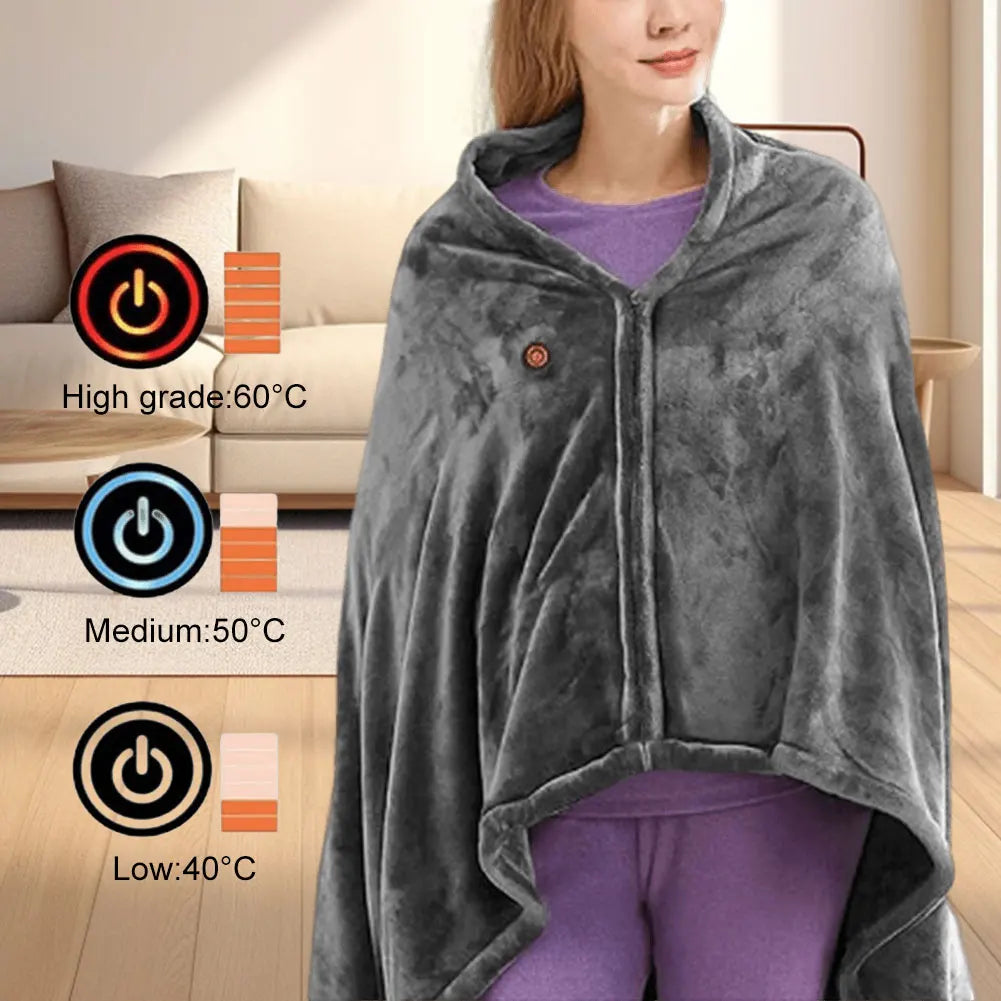
Legs always cold from knees down? See simple warmth solutions in action
How Doctors Diagnose Persistent Cold Legs
Medical History
Your healthcare provider will ask when symptoms began, whether one or both legs are affected, what makes symptoms better or worse, and whether you have diabetes, smoking history, thyroid disease, or circulation problems.
Physical Examination
The examination may include checking skin temperature, pulses, sensation, muscle strength, and skin appearance while comparing both legs.
Common Diagnostic Tests
- Ankle-brachial index (ABI) to evaluate blood flow
- Blood tests for anemia, thyroid disorders, diabetes, or vitamin deficiencies
- Ultrasound when circulation problems are suspected
- Neurological testing when nerve disorders are suspected
When Cold Legs Could Be a Sign of Something Serious
Emergency Warning Signs
- Sudden onset of one cold leg
- Severe pain
- Blue, pale, or black skin
- Loss of movement or sensation
- No detectable pulse in the foot
When to Schedule a Medical Appointment
Arrange a medical evaluation if your legs remain cold for weeks despite lifestyle changes, symptoms continue to worsen, walking becomes painful, wounds heal slowly, or numbness and weakness continue to progress. You can also explore more signs in our related guides .
How to Improve Circulation and Warm Cold Legs
Movement and Exercise
Regular movement is one of the most effective ways to improve circulation naturally.
- Stand and walk every 45–60 minutes.
- Perform ankle pumps and calf stretches.
- Aim for daily walking or other moderate exercise.
Safe Heat Therapy
Gentle, consistent heat may improve comfort and temporarily encourage circulation. Many people use a USB heated blanket to provide steady warmth while relaxing or before bedtime.
Lifestyle Changes
- Stay hydrated.
- Avoid smoking.
- Dress appropriately in cold weather.
- Maintain a healthy weight.
- Limit prolonged sitting whenever possible.
When Self-Care Is Enough
If cold legs occur only occasionally after cold exposure or inactivity and improve with movement or warming, home care is generally appropriate. Persistent or progressively worsening symptoms should be evaluated by a healthcare professional.
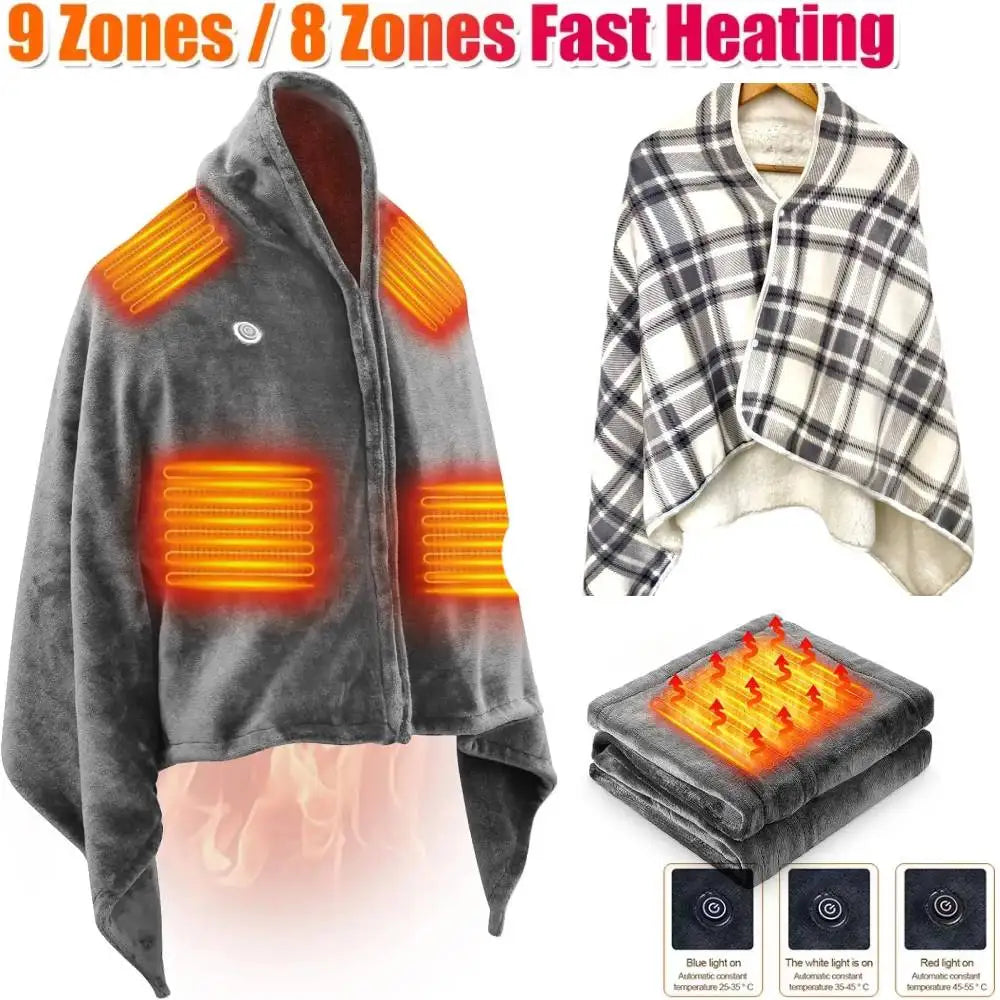
Targeted warmth can help support circulation and comfort
Quick Questions People Ask
Why are my legs cold from the knee down but my feet are warm?
This pattern may occur because circulation and nerve function differ throughout the lower leg. Temporary positioning is common, but persistent symptoms should be evaluated.
Why does one leg feel colder than the other?
One-sided coldness may result from differences in blood flow or nerve function. Sudden symptoms with pain or color changes require urgent medical assessment.
Can anxiety make my legs feel cold?
Yes. Anxiety activates the body's stress response, which can temporarily narrow blood vessels and create cold sensations in the hands and legs.
Why do my legs feel cold but are warm to the touch?
This usually suggests altered nerve signaling rather than an actual drop in skin temperature.
Why are my legs cold even under a blanket?
Persistent cold sensations despite adequate warmth may be related to circulation, anemia, thyroid disorders, or nerve conditions rather than room temperature alone.
When should I worry about cold legs?
Seek medical evaluation if cold legs are persistent, occur with pain, weakness, numbness, skin color changes, or suddenly affect one leg.
Can poor circulation cause cold legs without pain?
Yes. Mild circulation problems may initially cause cold sensations before pain develops, especially during inactivity.
Can diabetes cause a cold sensation in the legs?
Yes. Diabetes can damage peripheral nerves and blood vessels over time, leading to cold sensations, numbness, tingling, or reduced feeling in the legs and feet.













