

Does a wind resistant camping stove really work in harsh weather?
Yes. A wind resistant camping stove helps maintain a stable flame by shielding the burner from crosswinds, directing heat toward the cookware, and reducing energy lost to moving air. In real outdoor conditions, this translates into shorter boil times, lower fuel consumption, and more reliable cooking than a standard backpacking stove exposed to the same wind.
While no stove is completely unaffected by severe weather, the right combination of burner design, wind protection, and safe setup can make cooking in exposed campsites far more efficient and predictable.
Wind Resistant Camping Stove Guide for Harsh Weather Trips
Cooking outdoors becomes much more challenging when wind strips heat from your pot or repeatedly disrupts the flame. This wind resistant camping stove guide explains why that happens, how modern stove designs improve performance, and which setup techniques help you cook safely and efficiently in demanding conditions.
⏱ 7 min read
Learn how burner design, wind protection, and proper setup work together to keep your meals on schedule when conditions turn rough.
Quick reality check: Wind does more than blow out a flame. It carries heat away from your cookware, forces your stove to burn more fuel, and creates uneven cooking temperatures. Understanding these effects is the first step toward choosing and using a stove that performs well in harsh weather.
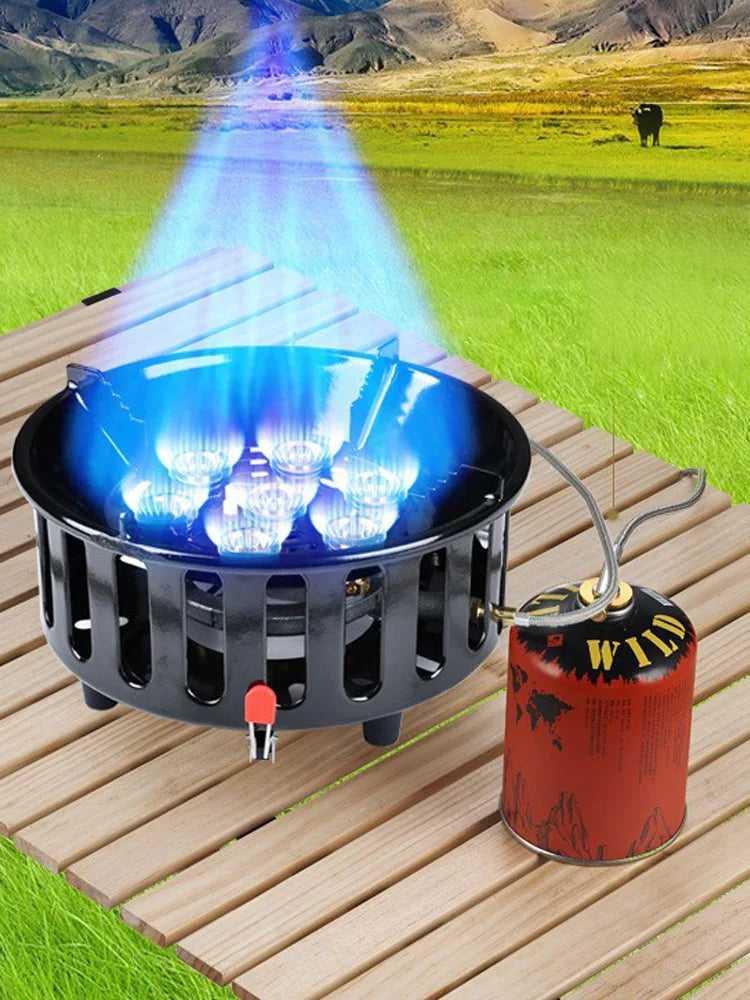
Wind resistant camping stove guide overview — steady flame starts here. See it in action.
What Makes a Camping Stove Wind Resistant?
A wind resistant camping stove is engineered to keep combustion stable even when airflow changes around the burner. Instead of allowing wind to scatter heat, these designs concentrate the flame where it is needed, helping maintain consistent cooking performance while improving fuel efficiency.
Several factors contribute to effective outdoor stove wind resistance, including burner geometry, integrated shielding, pot stability, and the way heat is transferred to the cookware. Together, these features reduce wasted energy without sacrificing safe ventilation.
Integrated Wind Protection vs External Shields
Many modern backpacking stoves incorporate recessed burners, protective burner collars, or heat-exchanger systems that reduce direct wind exposure. These integrated solutions generally provide more consistent performance because they are designed as part of the stove itself.
External windscreens remain useful, particularly for lightweight canister systems, but they must be positioned correctly. A properly placed windscreen blocks direct gusts while leaving enough airflow around the fuel canister to prevent overheating.
Burner Design and Flame Control
Burner design plays a larger role than maximum heat output alone. Low-profile burners, pressure regulators, and concentrated flame patterns help maintain steady combustion instead of allowing flames to lift or flicker in changing wind conditions. Stable flame control improves cooking consistency and reduces the need for constant adjustments.
Fuel Efficiency in Windy Conditions
Every gust that carries heat away from the pot forces your stove to burn additional fuel to achieve the same cooking result. Wind-resistant designs reduce this heat loss, allowing more energy to reach the cookware instead of the surrounding air. For multi-day backpacking trips, this improved efficiency can reduce the number of fuel canisters required while making meal preparation more predictable.
Real-World Wind Testing: Performance Comparison
Laboratory measurements provide useful benchmarks, but backpacking stove performance is best evaluated in realistic outdoor conditions where changing wind direction, uneven terrain, and fluctuating temperatures affect cooking efficiency. Field testing reveals how well different stove designs balance flame stability, fuel economy, and ease of use.
Boil Time in Moderate Wind (10–20 km/h)
In moderate wind, well-designed integrated systems often boil one liter of water noticeably faster than unprotected backpacking stoves because less heat escapes around the cookware. Faster boil times are achieved through better heat retention rather than simply increasing flame intensity.
As wind speeds increase, exposed burners become increasingly difficult to control. Flames may flicker, spread unevenly beneath the pot, or extinguish completely. Wind-resistant systems continue delivering usable heat by protecting the combustion zone, reducing interruptions during cooking.
Flame Stability and Fuel Consumption
Reliable flame stability is one of the clearest indicators of effective wind resistance. Stoves that require frequent relighting or constant valve adjustments consume more fuel and lengthen cooking times. Systems that maintain a steady flame allow safer, more efficient cooking while minimizing unnecessary fuel waste in challenging weather.
Choose the Right Stove for Windy Backpacking Conditions
The best wind resistant backpacking stove depends less on brand and more on where you camp, how much gear you carry, and the weather you expect. Instead of looking for the highest heat output, prioritize stable flame performance, efficient fuel use, and safe operation in exposed environments.
Canister Stoves for Lightweight Trips
Canister stoves remain the most popular choice for backpacking because they are compact, easy to ignite, and simple to operate. When paired with a correctly positioned windscreen or an integrated wind-resistant design, they provide an excellent balance of weight, convenience, and cooking efficiency for three-season adventures.
Liquid Fuel Stoves for Harsh Weather
Liquid fuel stoves perform reliably in cold temperatures and sustained wind, making them well suited to alpine expeditions, winter camping, and extended backcountry travel. Although they require more maintenance and weigh more than canister models, they deliver dependable performance when conditions become challenging.
Integrated Stove Systems for Extreme Wind
Integrated cooking systems combine the burner, pot, and heat exchanger into a single unit that minimizes heat loss. These systems generally achieve the fastest boil times in windy conditions because the flame remains well protected while more heat reaches the cookware.
Budget-Friendly Setups
A basic backpacking stove can still perform well when used with thoughtful campsite selection and an appropriately positioned windscreen. Learning proper setup techniques often provides greater improvements than simply choosing a more powerful burner.
Wind Performance Comparison Table
The table below compares common stove categories based on wind resistance, fuel efficiency, stability, and portability. Rather than identifying a single winner, it highlights the trade-offs that matter most for different styles of camping.
| Stove Type | Wind Resistance | Boil Time (Windy) | Fuel Efficiency | Weight | Best For |
|---|---|---|---|---|---|
| Integrated System | Excellent | Fast | High | Medium | Alpine trips and consistently windy conditions |
| Canister + Windscreen | Good | Moderate | Medium | Light | General backpacking and weekend camping |
| Liquid Fuel Stove | Very Good | Moderate | High | Heavy | Cold weather and extended expeditions |
| Basic Backpacking Stove | Poor | Slow | Low | Very Light | Sheltered campsites with minimal wind |
Wind Protection Techniques That Improve Stove Performance
Shielded Burners That Keep Flames Focused
Effective burner shields redirect airflow instead of completely sealing it off. This allows sufficient oxygen for clean combustion while protecting the flame from crosswinds that would otherwise reduce heating efficiency or extinguish the burner.
Pot Support That Minimizes Heat Loss
Stable pot supports help keep cookware centered over the burner, allowing more heat to transfer directly into the pot. A secure cooking surface also reduces the chance of spills when wind causes cookware to shift unexpectedly.
Fuel Efficiency Under Stress
In windy conditions, efficient stove systems conserve fuel by maintaining a consistent flame rather than requiring frequent adjustments or repeated ignition. Combining a stable burner with good wind protection helps stretch fuel supplies during longer trips without compromising cooking performance.
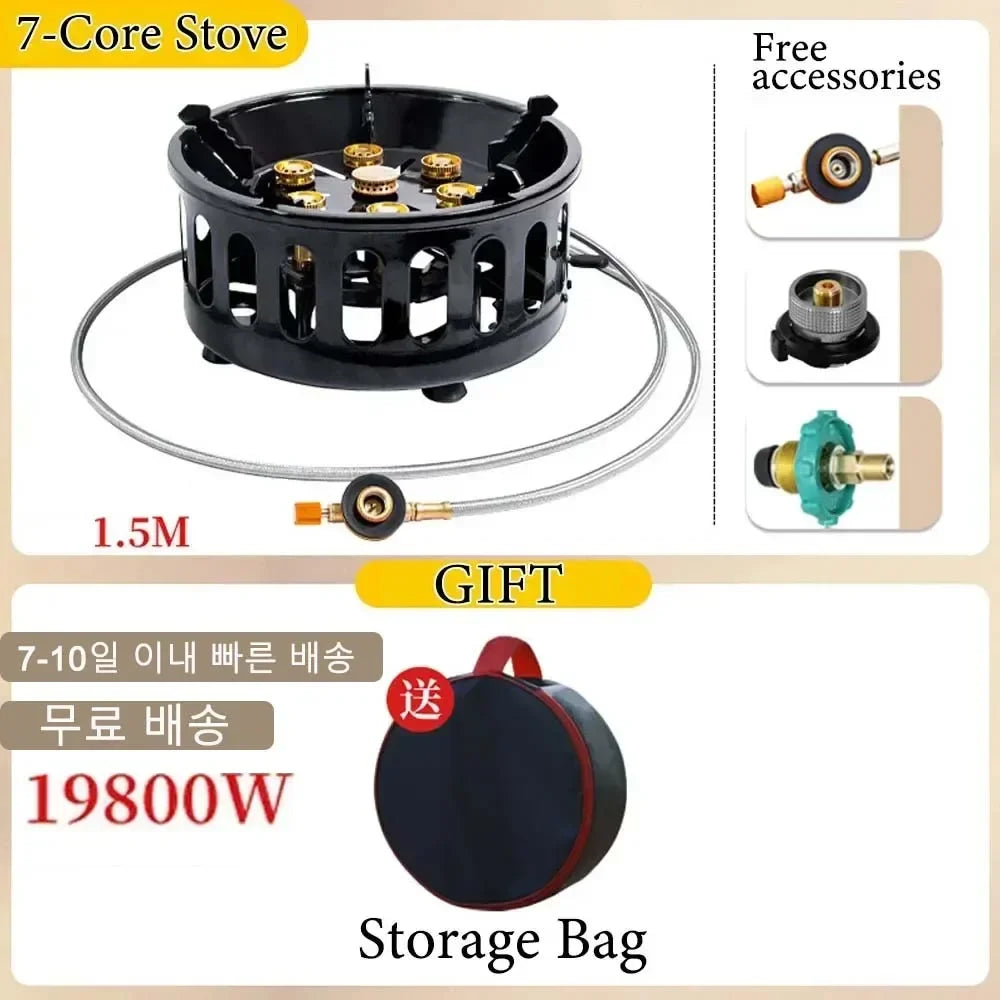
Burner camping stove detail — thoughtful wind protection improves cooking control and fuel efficiency. See it in action.
Matching Stove Types to Real Trip Needs
The safest and most efficient stove is the one that matches your environment, cooking style, and expected weather. Wind exposure varies dramatically between locations, so selecting the right setup is often more important than choosing the highest-powered burner.
Alpine vs Forest vs Coastal Conditions
Alpine terrain: Strong, consistent winds and lower temperatures favor integrated stove systems or liquid fuel stoves with excellent wind protection. Choose sheltered cooking locations whenever possible.
Forest campsites: Trees naturally reduce airflow, allowing lightweight canister stoves to perform well without excessive wind protection. Even so, avoid cooking directly beneath low branches or dry vegetation.
Coastal environments: Ocean winds frequently shift direction and may carry moisture that cools cookware. Stable burners, secure pot supports, and effective wind management become especially valuable in these conditions.
Solo Backpacking vs Group Cooking
Solo backpackers often prioritize low pack weight and fuel efficiency, making compact canister systems an excellent choice for most three-season trips. Larger groups benefit from wider, more stable cooking platforms that accommodate bigger pots and longer cooking sessions without sacrificing stability.
Campers looking for greater cooking capacity may appreciate a high-output option such as the portable camping gas stove 19800W , which combines strong heat output with a burner design intended to provide reliable performance in challenging outdoor conditions.
How to Set Up a Camping Stove Safely in Wind
Proper setup has as much influence on safety and cooking performance as the stove itself. A few careful adjustments can improve flame stability, conserve fuel, and reduce the risk of accidents.
Choose a Protected Cooking Location
Select naturally sheltered areas behind rocks, logs, embankments, or terrain features that reduce direct wind exposure without trapping heat. Always cook on a stable, level surface away from tents, dry grass, and other combustible materials.
Use Stove Wind Shields Correctly
Position a windscreen to block prevailing winds while maintaining adequate ventilation around the burner and fuel source. Never fully surround a canister stove, as trapped heat can increase fuel canister pressure and create a serious safety hazard.
Create a Stable Stove Setup
Ensure the stove sits securely before lighting it. Keep cookware centered over the burner, avoid overfilling large pots, and adjust the flame only after confirming it is burning evenly. If gusts become too strong to maintain a stable flame, postpone cooking until conditions improve.
Integrated vs External Wind Protection: Which Is Better?
Both approaches can be effective when used appropriately, but each offers different advantages depending on your priorities.
Integrated wind protection surrounds or recesses the burner as part of the stove's design, improving heat transfer and reducing flame disruption. These systems typically deliver the most consistent performance in exposed environments but may weigh more and occupy additional pack space.
External windscreens are lightweight, adaptable, and compatible with many backpacking stoves. They allow users to customize protection based on campsite conditions, although their effectiveness depends on correct placement and safe ventilation.
For most backpackers, integrated systems provide the simplest solution for consistently windy destinations, while experienced campers can achieve excellent results with a standard stove paired with a properly positioned external windscreen.
Why Uneven Heat Distribution Ruins Camp Cooking
Even when a stove remains lit, wind can push the flame away from the center of the pot, causing uneven heating and inefficient cooking. Instead of transferring energy directly into the cookware, valuable heat escapes into the surrounding air.
- Longer boil times and delayed meal preparation
- Scorched food around the edges with undercooked centers
- Higher fuel consumption from prolonged cooking
- Flames that flicker or become difficult to control
Reducing wind exposure through proper campsite selection, correct windscreen placement, and a stable burner design helps improve cooking consistency while conserving fuel.
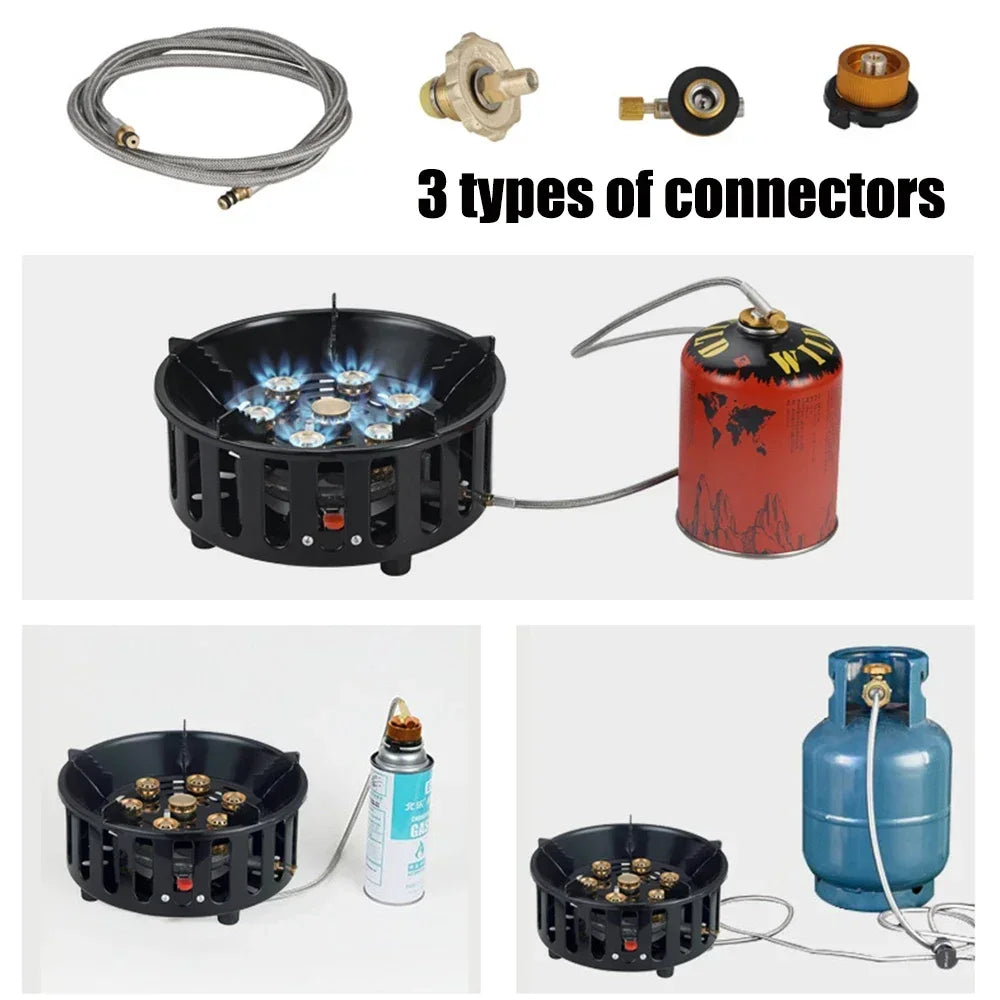
Harsh weather cooking becomes more predictable with proper wind protection and safe stove setup. See it in action.
Reliable flame control helps make outdoor cooking safer, faster, and more fuel efficient in challenging weather.
Frequently Asked Questions About Using Backpacking Stoves in Wind
How can I safely use a backpacking stove in windy conditions?
Cook on a stable surface in a naturally sheltered location whenever possible. Use a properly positioned windscreen that protects the burner without trapping heat around the fuel canister, and continuously monitor the flame while cooking.
Do backpacking stove windscreens really work?
Yes. A correctly used windscreen reduces heat loss, improves flame stability, and can shorten cooking times. It should never completely enclose a canister stove because adequate ventilation is essential for safe operation.
What type of camping stove works best in wind?
Integrated stove systems generally offer the best wind resistance because their burners and cookware are designed to work together. Liquid fuel stoves also perform well in harsh weather, while lightweight canister stoves benefit from careful wind protection.
Can wind make a camping stove unsafe?
Yes. Strong wind can cause unstable flames, increase fuel consumption, and encourage unsafe windscreen placement. If gusts prevent stable cooking or create hazardous conditions, wait until the weather improves or move to a safer, sheltered location.
How do I stop my camping stove flame from blowing out?
Reduce direct wind exposure by using natural barriers, positioning the stove carefully, and using an appropriate windscreen. Keep the burner clean and ensure the cookware remains centered over the flame for the most stable performance.
Related Guide: Reliable Emergency Cooking Gas Stove for Power Outages













