

Does Winter Camping Gear Really Work in Freezing Conditions?
Yes. Quality winter camping gear is specifically engineered to help you stay warm, dry, and safe in sub-freezing environments by combining insulation, weather protection, and moisture management. Rather than relying on a single piece of equipment, an effective cold weather camping gear setup uses a complete system—including shelter, sleep, and clothing—to reduce heat loss and protect against wind, snow, and frozen ground. With gear matched to the expected temperature and conditions, winter camping can be both comfortable and safe.
Winter Camping Gear That Works for Freezing Adventures
Winter camping offers peaceful landscapes, quieter campsites, and unforgettable outdoor experiences—but only when you're equipped with the right winter camping gear. Whether you're planning your first overnight trip just below freezing or preparing for multi-day adventures in deep snow, choosing equipment designed for cold weather makes the difference between an enjoyable trip and an uncomfortable one. This guide explains how to build a reliable cold weather camping gear system, what features matter most, and how to choose equipment based on temperature, terrain, and experience level.
⏱ 8 min read
Explore proven gear and systems that experienced cold-weather campers rely on.
If you've ever woken up shivering despite packing extra blankets or wearing too many layers while hiking, you've experienced how winter camping is about efficiency—not simply carrying more gear. The goal is to retain body heat, prevent moisture buildup, and block environmental heat loss through a well-balanced system.
Quick check: Are you losing heat through the frozen ground, cold air, wind exposure, or damp clothing? Identifying the source helps you choose the winter camping gear that will have the biggest impact.
Layered winter camping gear setup for camping in cold weather. See it in action.
What Makes Winter Camping Gear Effective?
The most effective winter camping gear combines insulation, weather resistance, durability, and packability into a complete system. Instead of evaluating individual products in isolation, experienced campers focus on how every piece works together to reduce heat loss while remaining practical to carry and use in freezing conditions.
Insulation and heat retention
Insulation is the foundation of essential winter camping gear. Sleeping bags, insulated clothing, and sleeping pads work together to trap warm air while minimizing conductive heat loss from frozen ground. Matching insulation levels to expected temperatures is far more effective than simply adding extra layers.
Weather protection
Camping gear for cold weather must also defend against wind, snow, and moisture. Waterproof outer fabrics, wind-resistant shelters, and breathable clothing help keep insulation dry, since damp materials lose much of their ability to retain heat.
Durability in snow and ice
Winter conditions place greater stress on equipment than three-season camping. Stronger tent poles, reinforced fabrics, durable zippers, and reliable hardware help gear perform consistently during heavy snowfall, freezing temperatures, and repeated exposure to ice.
Weight vs performance
The warmest setup is not always the heaviest. Modern down insulation, advanced synthetic fills, lightweight aluminum poles, and high-performance fabrics allow many winter camping systems to balance warmth, durability, and packability. Choose equipment that provides the protection you need without carrying unnecessary weight.
When selecting cold weather camping gear, match your system to the expected temperature range:
- 0°C to -5°C: Layered clothing, insulated sleeping bags, and quality sleeping pads are typically sufficient for most beginner winter trips.
- -5°C to -15°C: Upgrade to true winter camping equipment with a 4-season tent, higher R-value sleeping pads, and additional insulation.
- Below -15°C: Expedition-grade gear becomes essential, including specialized shelters, high-performance sleep systems, and equipment designed for prolonged exposure to extreme cold.
Every reliable winter camping setup includes three interconnected systems:
- Shelter system: Protects against wind, snow, precipitation, and heat loss.
- Sleep system: Combines a temperature-rated sleeping bag, insulated pad, and appropriate accessories to maintain overnight warmth.
- Clothing system: Uses moisture-wicking, insulating, and weatherproof layers to regulate body temperature throughout changing activity levels.
Building these systems together—not simply purchasing the warmest individual products—is the key to staying comfortable during freezing-weather adventures.
Best Winter Camping Gear List (Top Picks by Category)
The best winter camping gear depends on where you camp, expected temperatures, and your experience level. The categories below represent the foundation of a dependable cold-weather camping kit.
Best Winter Sleeping Bags for Sub-Zero Temperatures
Select a sleeping bag with a comfort rating approximately 5–10°C lower than your expected overnight low. Down insulation delivers exceptional warmth-to-weight performance for dry conditions, while synthetic insulation retains more warmth if exposed to moisture.
Best 4-Season Tents for Snow and Wind
Winter tents feature stronger pole structures, reinforced fabrics, and aerodynamic designs that resist snow loading and high winds while providing greater weather protection than standard three-season shelters.
Best Sleeping Pads for Insulation from Ground Cold
A sleeping pad with an R-value of at least 4.5 is recommended for most winter trips. Pairing a closed-cell foam pad beneath an insulated inflatable pad significantly improves protection against frozen ground.
Best Winter Camping Stoves for Freezing Conditions
Liquid fuel stoves remain the preferred choice in sustained sub-zero temperatures because they continue performing reliably when canister pressure drops. They also excel at melting snow for drinking water during extended winter trips.
Best Layering Clothing Systems for Extreme Cold
A complete layering system combines moisture-wicking base layers, insulating mid layers, and waterproof, windproof outer shells. This approach allows you to regulate body temperature throughout changing weather and activity levels while minimizing sweat buildup.
Best Lighting, Navigation and Safety Gear
Winter days are shorter, making dependable lighting and navigation essential. Carry a high-output headlamp with spare batteries stored close to your body, a map and compass or GPS, and emergency signaling equipment suitable for remote winter conditions.
Winter Camping Gear List (Complete Checklist)
A well-planned winter camping gear list reduces the risk of forgotten essentials and helps ensure every critical system—shelter, sleep, clothing, cooking, and safety—is covered before you leave home. Use this winter camping equipment checklist as a practical packing reference, then adjust it based on forecast temperatures, trip duration, and terrain.
Essential Winter Camping Gear Checklist
- 4-season tent suitable for snow, wind, and freezing temperatures
- Cold-rated sleeping bag (typically -10°C or lower for most winter trips)
- High R-value sleeping pad or a dual-pad sleep system
- Moisture-wicking base layers, insulated mid layers, and waterproof outer shells
- Winter-rated stove with sufficient fuel for cooking and melting snow
- Headlamp with extra batteries stored where they stay warm
- Insulated gloves, warm hat, and spare dry socks
- Wide-mouth or insulated water bottles to reduce freezing
Optional Comfort & Safety Gear
- Sleeping bag liner for additional warmth
- Hot water bottle for pre-heating your sleeping bag
- Chemical hand and foot warmers
- Emergency bivy sack for unexpected overnight situations
- Snow shovel for campsite preparation and emergency use
- Cold-resistant portable power bank to keep electronics operational
Printable Winter Camping Equipment Checklist
Before every trip, confirm that each item has been packed, tested, and matched to the expected weather conditions. Prioritize shelter, sleep, insulation, water, food, navigation, and emergency equipment before adding comfort items. A simple checklist helps prevent overlooking small but critical pieces of essential winter camping gear.
Learn how experienced campers layer sleep systems for maximum warmth.
Shelter Systems That Block Cold and Wind
Why winter tents matter
A winter shelter does much more than keep snow off your sleeping bag. Four-season tents use stronger pole architectures, reinforced fabrics, and reduced mesh panels to withstand snow loading, resist high winds, and improve heat retention. Choosing the right shelter is one of the most important decisions when building dependable gear for camping in freezing weather.
3-season vs 4-season tents (when each fails)
- 3-season tents: Lightweight and well ventilated, but they can deform under heavy snow, allow cold drafts, and provide limited protection during severe winter storms.
- 4-season tents: Heavier and more robust, with stronger pole systems and weather-resistant construction designed for snow accumulation, sustained wind, and freezing temperatures.
For winter trips where snowfall, exposed campsites, or temperatures below freezing are expected, investing in a quality 4-season tent significantly improves comfort, safety, and long-term durability.
Sleep Systems for Cold Camping Nights Warmth
Sleeping bag temperature ratings
Select a sleeping bag using its comfort rating rather than its survival rating whenever possible. A model rated slightly below your expected overnight low typically provides a more comfortable night's sleep while reducing the risk of cold-related discomfort.
Sleeping pad R-value guide
Frozen ground continuously pulls heat away from your body. A sleeping pad with an appropriate R-value provides the insulation needed to block conductive heat loss, and stacking a closed-cell foam pad beneath an insulated inflatable pad offers even greater protection in severe cold.
Down vs synthetic insulation
Down insulation delivers excellent warmth for its weight and compresses easily for backpacking, making it ideal in dry winter conditions. Synthetic insulation remains a dependable choice in wet environments because it continues insulating more effectively if moisture is introduced.
Layered sleep system
- Cold-rated sleeping bag as the primary source of insulation
- Sleeping bag liner to add warmth and help manage moisture
- High R-value pad or dual-pad system to reduce conductive heat loss from frozen ground
Using these components together creates a balanced sleep system that is substantially warmer and more reliable than depending on a single insulated item alone.
Winter Clothing and Layering Guide
Base layers
Your base layer sits directly against the skin and should move perspiration away from your body to prevent chilling. Merino wool offers excellent temperature regulation and odor resistance, while high-quality synthetic fabrics dry quickly and perform well during high-output activities.
Mid layers
Mid layers provide the primary insulation that traps warm air. Fleece is breathable and performs well during active hiking, while down or synthetic insulated jackets offer superior warmth when resting around camp or sleeping.
Outer shells
A waterproof, windproof shell protects your insulating layers from snow, freezing rain, and strong winds. Look for breathable fabrics that allow moisture vapor to escape while preventing external moisture from reaching your inner layers.
Boots, gloves and headwear
Extremities lose heat quickly in freezing conditions. Waterproof insulated boots, warm gloves with removable liners, and an insulated hat or balaclava help maintain circulation and reduce overall body heat loss. Carrying spare gloves and socks is also recommended in case your primary pair becomes wet.
Common layering mistakes
- Overheating during movement, leading to sweat-soaked clothing
- Wearing cotton, which absorbs moisture and loses insulating ability
- Ignoring wind protection during exposed hikes or campsites
- Keeping damp clothing on instead of changing into dry layers before bed
An adaptable layering system allows you to add or remove clothing throughout the day, helping regulate body temperature without accumulating excess moisture.
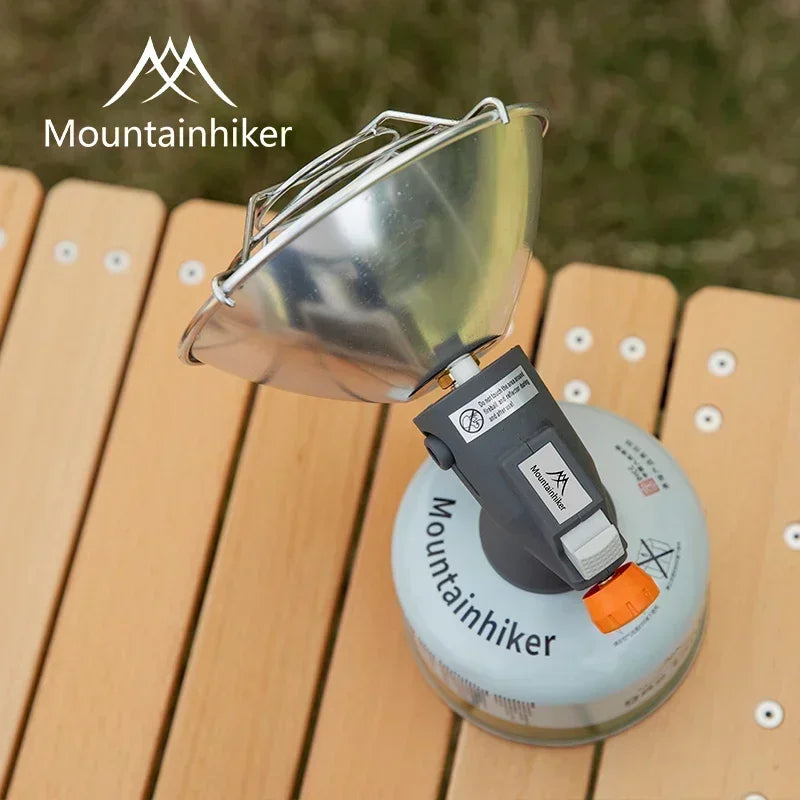
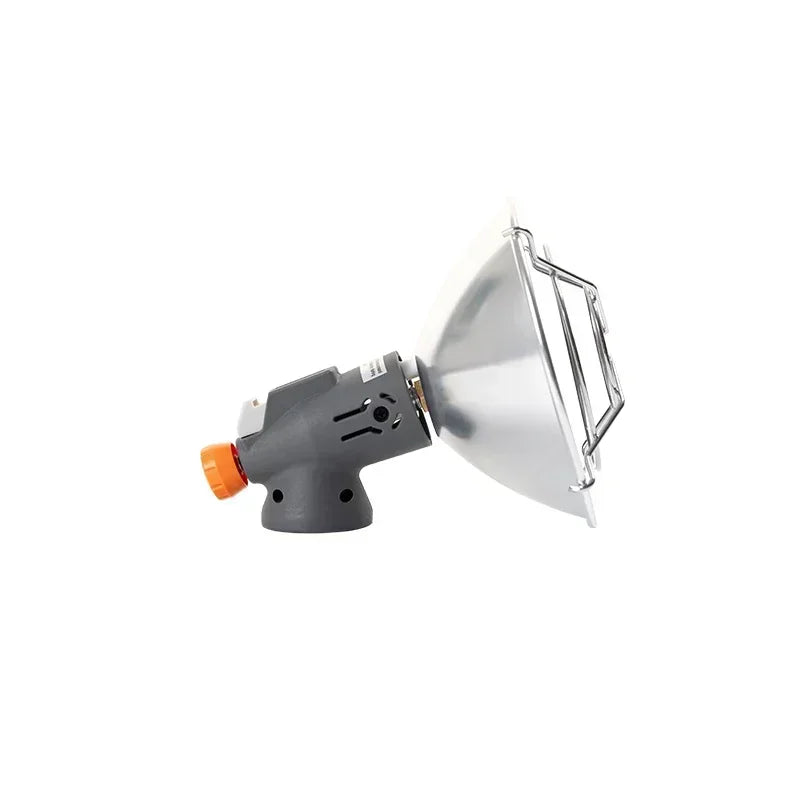
For campers who want an additional heat source outside their sleep system, the portable camping gas heater stove provides fast ignition, adjustable heat output, and a compact design. As with any fuel-burning heater, it should only be used according to the manufacturer's instructions and with adequate ventilation to reduce carbon monoxide risk.
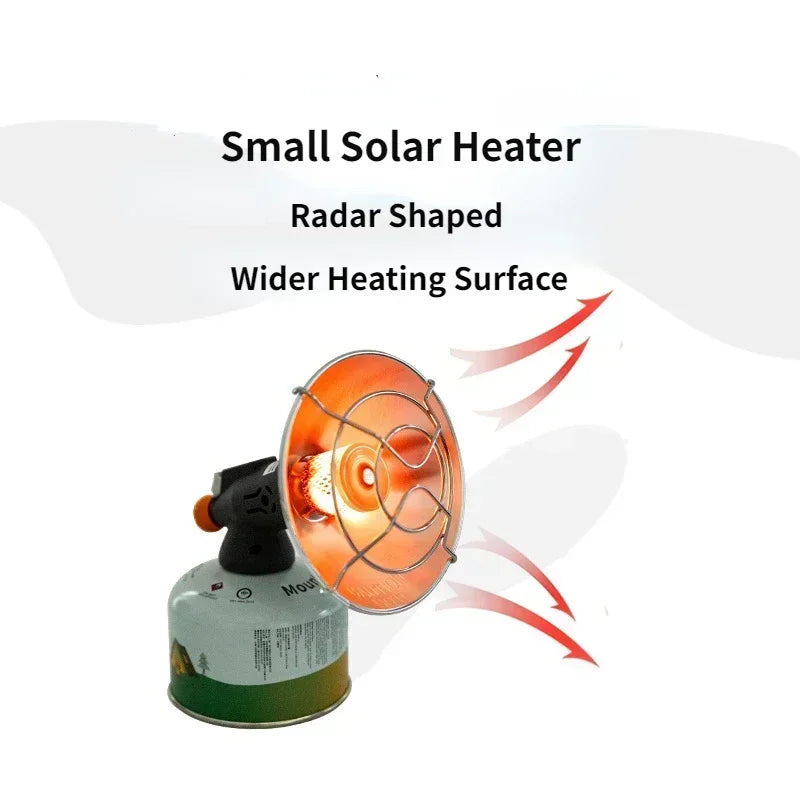
Portable heating can complement a winter camping setup when used safely and responsibly. See it in action.
How to Stay Warm Winter Camping
Knowing how to stay warm winter camping involves more than purchasing quality equipment. Small decisions throughout the day—from campsite selection to clothing management—have a major impact on overnight comfort and safety.
Camp setup tips
- Choose a campsite sheltered from prevailing winds whenever possible.
- Pack down snow before pitching your tent to create a stable platform.
- Avoid camping in low areas where cold air naturally settles overnight.
- Keep essential gear inside the tent or vestibule so it remains accessible.
Sleep warmer
- Eat a warm, calorie-rich meal before going to bed to support overnight heat production.
- Change into completely dry sleep clothing before entering your sleeping bag.
- Fill a durable hot water bottle and place it near your feet or core for additional warmth.
- Wear a warm hat if temperatures are especially cold, since significant heat can be lost from exposed skin.
Manage moisture
- Adjust layers before overheating during hikes.
- Ventilate your clothing and shelter to reduce condensation.
- Dry damp gloves, socks, and base layers whenever conditions allow.
- Store tomorrow's clothing inside your sleeping bag overnight if temperatures are extremely low.
Avoid heat loss
- Insulate your head, hands, and feet throughout the day and overnight.
- Keep your sleeping pad fully inflated and properly positioned beneath your sleeping bag.
- Use the restroom before sleeping or carry a dedicated pee bottle to minimize repeated trips into the cold.
- Stay hydrated, as dehydration reduces your body's ability to regulate temperature effectively.
Combining smart camp routines with a properly matched shelter, clothing, and sleep system is the most reliable way to stay warm, comfortable, and safe during winter camping adventures.
Winter Camping Gear Comparison (Quick Decision Table)
| Gear Category | Option 1 | Option 2 | Best Choice |
|---|---|---|---|
| Sleeping Bag | Down: lighter, highly compressible, excellent warmth-to-weight ratio | Synthetic: performs better in damp conditions and dries faster | Down for cold, dry climates; synthetic for wet winter environments |
| Tent | 3-season: lightweight and well ventilated | 4-season: stronger structure with better snow and wind resistance | 4-season for freezing temperatures or expected snowfall |
| Stove | Canister: simple and convenient in mild winter conditions | Liquid fuel: dependable performance in sustained sub-zero temperatures | Liquid fuel for extended cold-weather expeditions |
| Sleeping Pad | Closed-cell foam: durable and reliable | Insulated inflatable: higher comfort and insulation | Combine both for maximum winter insulation |
Many campers also explore comfort-focused tools from the Lifestyle collection to support recovery and relaxation after long winter days outdoors.
Upgrade your setup with winter camping gear trusted by freezing-weather adventurers.
Reliable winter camping gear for staying warm while camping. See it in action.
How to Choose the Best Winter Camping Gear for Your Conditions
Gear for 0°C to -5°C conditions
Most first-time winter campers can remain comfortable with a quality layering system, a cold-rated sleeping bag, an insulated sleeping pad, and a shelter capable of handling light snow and moderate wind. Prioritize moisture management and avoid overdressing while hiking.
Gear for -5°C to -15°C conditions
As temperatures drop, upgrade to a true four-season shelter, sleeping pads with higher R-values, insulated footwear, and sleep systems designed for extended overnight warmth. Reliable cooking equipment and additional emergency supplies also become increasingly important.
Gear for extreme sub-zero expeditions
Expedition-level winter camping requires specialized equipment, including reinforced shelters, high-performance sleeping systems, multiple insulation layers, liquid fuel stoves, and redundant safety equipment. Experience, route planning, and weather awareness are just as important as the gear itself.
Beginner vs advanced setups
Beginners should start with shorter trips in predictable weather while building experience with essential winter camping gear. More experienced campers can safely expand into colder temperatures, remote terrain, and longer expeditions once they understand how each component of their gear system performs in winter conditions.
Winter Camping Gear FAQ
What temperature rating should winter camping gear have?
Choose sleeping bags and other temperature-rated equipment with comfort ratings approximately 10–15°F (6–8°C) below your expected overnight low. This provides a practical safety margin for changing weather and individual differences in how people sleep.
Is winter camping gear heavier than regular gear?
Some winter equipment weighs more because of additional insulation and stronger construction. However, modern materials have significantly reduced weight while maintaining excellent warmth, durability, and packability.
Can beginners use winter camping gear safely?
Yes. Beginners can safely enjoy winter camping by choosing moderate weather, practicing close to home, learning proper layering techniques, and using a complete winter camping gear system rather than relying on individual pieces of equipment.
What R-value do I need for winter camping?
For most winter camping conditions, an R-value of at least 4.5 is recommended. In colder environments, combining a closed-cell foam pad with an insulated inflatable pad provides additional protection against heat loss through frozen ground.
Is down or synthetic insulation better for winter camping?
Down offers exceptional warmth for its weight and packs smaller, making it ideal for cold, dry climates. Synthetic insulation performs better when exposed to moisture and continues insulating even if it becomes damp, making it a dependable choice in wetter winter conditions.













