

Does winter car seat safety really protect your family?
Winter car seat safety protects your family when it is treated as part of a broader winter-driving plan. Heated seats can improve comfort, but they do not improve traction, braking, visibility, or vehicle control. The most important winter car seat safety tips are to use heating features as directed, maintain proper seating position, avoid distractions, prepare the vehicle, and adjust driving for snow and ice. In short, heated car seats are generally safe in winter when used correctly, but comfort should never replace safe driving habits or vehicle preparation.
⏱ 9 min read
Winter Driving Mistakes: Seat Heating Risks Most Drivers Ignore
Winter driving mistakes are not limited to speeding on icy roads. Drivers can also create avoidable risks by relying too heavily on comfort features, ignoring vehicle maintenance, driving with poor visibility, or using heated seat accessories incorrectly. Heated seats can make a cold commute more comfortable, but winter car seat safety depends on using them as a comfort feature—not as a substitute for proper preparation, safe following distances, appropriate speed, or attentive driving.
Explore safer winter seating options
Top 10 Winter Driving Mistakes That Increase Crash Risk
The most common winter driving safety mistakes often involve judgment rather than a single piece of equipment. Cold temperatures, reduced visibility, snow, ice, and fatigue can all change how a vehicle responds. Understanding these risks helps put seat heating in the right context: useful for comfort, but only one small part of a safe winter setup.
- Relying on heated seats instead of proper winter preparation: Heated seats can warm the driver and passengers, but they do not improve tire grip, braking performance, visibility, or traction. Vehicle preparation still comes first.
- Driving too fast for snow and ice: Posted speed limits do not guarantee that a speed is safe for current conditions. Snow, ice, and freezing rain can significantly reduce available traction.
- Following too closely: Winter surfaces can increase stopping distances. Leaving more space gives you additional time to react and brake smoothly.
- Ignoring visibility and defrosting: Frost, fog, snow, and dirty glass can reduce the time available to identify hazards. Clear all windows and mirrors before driving.
- Skipping winter vehicle checks: Tires, battery condition, fluids, lights, wipers, and emergency supplies all deserve attention before severe winter weather.
- Making sudden steering or braking inputs: Abrupt movements can make it harder to maintain control on slippery surfaces.
- Assuming all-wheel drive solves every problem: AWD can help with acceleration in some conditions, but it does not eliminate the need for suitable tires or careful braking.
- Using damaged or poorly installed seat-heating equipment: Frayed wiring, unusual hot spots, burning smells, or malfunctioning controls should not be ignored.
- Driving while overly relaxed or fatigued: A warm cabin and long winter drive can contribute to reduced alertness. Comfort should never replace regular attention to the road.
- Failing to adjust to changing conditions: A road that appears clear can quickly become hazardous when temperatures drop, precipitation begins, or black ice forms.
Relying on heated seats instead of proper winter preparation
One of the most important winter driving common mistakes involving seat heating is confusing warmth with safety. A heated seat can make a cold vehicle more comfortable, but it cannot compensate for worn tires, an undercharged battery, obstructed windows, or unsafe speed. Use heating features to improve comfort while keeping the fundamentals of winter driving in place.
Driving too fast for snow and ice
Snow and ice reduce traction, which can affect acceleration, steering, and braking. Slow down when conditions require it and avoid assuming that a vehicle's technology can overcome limited tire-road grip.
Following too closely
More space between vehicles gives you more time to respond if the vehicle ahead brakes suddenly or loses control. This is especially important when road surfaces are slippery or visibility is reduced.
Ignoring visibility and defrosting
Do not begin driving with only a small area of the windshield cleared. Remove snow and ice from the vehicle and use the defroster appropriately so you can see traffic, pedestrians, signs, and changing road conditions.
Skipping winter vehicle checks
A quick pre-drive inspection can reveal problems before they become more serious. Pay particular attention to tire condition and pressure, battery performance, lights, windshield washer fluid, wipers, and the vehicle's heating and electrical systems.
How Heated Seats Help—and Where They Fall Short
Heated seats are primarily a comfort feature. They can help make a cold vehicle feel more comfortable during the initial part of a journey, but their benefits should not be confused with active safety systems. Understanding the limits of heated car seats helps drivers use them more responsibly.
Comfort versus real safety systems
Heated seats may reduce the discomfort associated with cold temperatures and can help some drivers feel less stiff when beginning a journey. However, they do not replace winter tires, anti-lock braking systems, electronic stability control, proper lighting, or attentive driving.
Heated seats do not improve traction or braking
There is no direct connection between a warmer seat and better tire grip or shorter stopping distances. If the road is icy, the correct response is to reduce speed, increase following distance, avoid sudden inputs, and remain alert to changing conditions.
Safe situations for using seat heating
Using heated seats during a cold start or a winter commute can be reasonable when the system is functioning normally and used according to the vehicle or accessory manufacturer's instructions. Lower or moderate settings are generally more appropriate for extended use than maximum heat, and the driver should remain aware of discomfort, excessive warmth, and any unusual behavior.
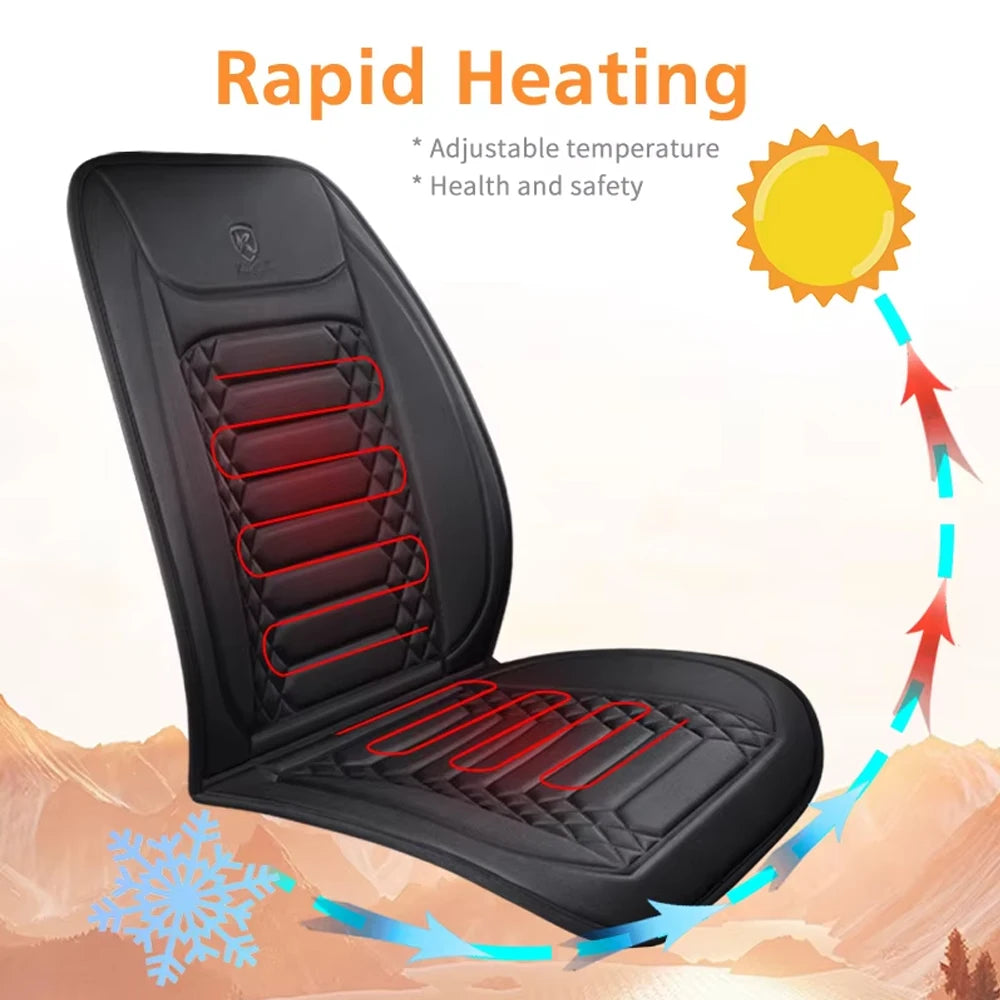
Understanding winter car seat safety beyond reviews can prevent costly mistakes See it in action
Common Heated Seat Safety Mistakes
Most heated seat safety problems are preventable. The main risks involve prolonged exposure to excessive heat, damaged components, poor installation, or using warmth as a reason to ignore fatigue and other driving risks.
Using maximum heat too long
Maximum heat may feel comfortable at first but can become excessive over time. If the seat feels uncomfortably hot, reduce the setting or turn it off rather than continuing to use it simply because the system is available.
Ignoring damaged wiring or warning signs
Uneven heating, sudden changes in temperature, exposed wiring, unusual noises, a burning smell, or controls that do not respond normally are reasons to stop using the system and have it inspected. Do not continue operating a seat heater that appears damaged or malfunctioning.
Using unsafe aftermarket seat heaters
Aftermarket heated seat covers and accessories should be installed and used exactly as directed. Compatibility, wiring, power connections, and placement matter. Avoid modifying electrical components or using equipment that shows signs of damage.
Relying on warmth instead of taking breaks
Warmth can make a long drive more comfortable, but it does not eliminate fatigue. On longer journeys, take appropriate breaks and reassess your alertness rather than relying on a heated seat to keep you comfortable.
Hidden Risks of Heated Car Seats
Are heated car seats safe in winter? In most situations, properly functioning systems used according to manufacturer instructions are designed for safe operation. However, heated car seats safety risks can increase when the equipment is damaged, used improperly, or combined with reduced sensitivity to heat.
Heat-related skin concerns
Prolonged direct exposure to high heat can cause discomfort and, in some circumstances, skin injury. People who may have reduced sensitivity to heat should use extra caution because they may not notice excessive warmth quickly. Follow the manufacturer's instructions and avoid prolonged exposure to settings that feel uncomfortably hot.
Driver distraction and fatigue
Discomfort can distract a driver, while excessive warmth may contribute to a relaxed or drowsy feeling. Neither situation is desirable behind the wheel. If you feel unusually tired, stop driving when it is safe to do so rather than trying to solve the problem by adjusting the seat heater.
Electrical failure and fire risk
Electrical components can become hazardous when wiring is damaged, connections are improperly installed, or a component malfunctions. A burning smell, smoke, visible damage, or unusual overheating should be treated as a serious warning. Stop using the equipment and seek appropriate inspection or service.
View the heated car seat cover
Vehicle Preparation Before Every Winter Trip
A safe winter drive starts before the vehicle moves. A practical pre-drive checklist reduces risks that seat heating cannot address and helps ensure the vehicle is ready for cold-weather conditions.
Winter tires and tire pressure
Check tire condition and inflation regularly. Cold temperatures can affect tire pressure, and worn or unsuitable tires can reduce available traction. Use tires appropriate for your vehicle and local winter conditions.
Battery and charging system
Cold weather can place additional demands on a vehicle battery. If the battery is aging or the vehicle has shown signs of difficult starting, have the battery and charging system checked before severe winter weather.
Emergency supplies
Keep suitable emergency supplies in the vehicle for the conditions and distance you expect to travel. Useful items may include warm clothing or blankets, a flashlight, basic first-aid supplies, water, and other appropriate emergency equipment.
Testing seat heaters safely
Before relying on a heated seat during a long winter trip, check that the controls respond normally and that the heating is even. Do not use a system that has damaged wiring, unexplained hot spots, a burning smell, or other signs of malfunction.
Driving Safely in Snow, Ice, Slush, and Freezing Rain
Different winter conditions create different hazards. The safest response is to adjust speed, following distance, steering, braking, and visibility practices to the surface and weather conditions rather than relying on a single vehicle feature.
Black ice
Black ice can be difficult to see, especially on bridges, overpasses, shaded roads, and areas where temperatures are near freezing. Reduce speed when conditions suggest a risk of ice and avoid sudden steering, acceleration, or braking.
Heavy snow
Heavy snow can reduce visibility and obscure lane markings. Use appropriate lights, increase following distance, reduce speed, and avoid driving if conditions are unsafe or travel is not necessary.
Slush
Slush can affect steering response and may cause vehicles to feel less stable. Maintain a controlled speed, avoid abrupt movements, and remain alert for areas where slush has refrozen.
Extreme cold
Very low temperatures can affect batteries, tire pressure, fluids, and other vehicle systems. Allow enough time for proper preparation and do not treat a warm cabin as evidence that the vehicle itself is fully ready for the journey.
Winter Safety Myths Every Driver Should Ignore
Some winter driving beliefs create a false sense of security. Separating comfort features from actual safety systems helps drivers make better decisions.
Myth: AWD solves everything
All-wheel drive can help a vehicle transfer power to the wheels in certain conditions, but it does not eliminate the laws of traction. AWD does not guarantee shorter braking distances on ice or make unsafe speeds safe.
Myth: Heated seats make winter driving safer
Heated seats can make the cabin more comfortable, but they do not directly improve traction, braking, visibility, or vehicle control. Their role is comfort, not replacing core winter safety practices.
Myth: Remote start eliminates preparation
Warming a vehicle before departure may improve comfort, but drivers still need to clear snow and ice, check visibility, consider road conditions, and ensure the vehicle is ready to drive safely.
Seat Heater Safety Guidelines Every Driver Should Follow
Good seat heater safety guidelines are simple: use the equipment as intended, monitor how it feels, and stop using it if something appears abnormal. Manufacturer instructions should take priority over generic advice because systems differ between vehicles and accessories.
Recommended temperature settings
Use the lowest setting that provides adequate comfort rather than automatically selecting maximum heat. If the seat becomes uncomfortably hot, reduce the setting or turn it off.
Time limits
There is no single universal time limit that applies to every heated seat because systems, settings, and users differ. Follow the manufacturer's instructions and avoid prolonged exposure to excessive heat. Reassess comfort during long drives instead of leaving maximum heat on continuously.
Passengers needing extra caution
Extra caution is appropriate for anyone who may have reduced sensitivity to heat or difficulty recognizing discomfort. Follow specific medical advice where applicable and avoid assuming that a person will notice excessive heat quickly.
When to stop using heated seats
Stop using a heated seat or accessory if you notice a burning smell, smoke, visible wiring damage, unusual hot spots, sudden overheating, repeated electrical problems, or controls that fail to work normally. Have the equipment inspected before using it again.
Drivers who value vehicle electrical safety often extend this mindset to other wellness tools, like those found in the Body Care and Health Devices collection, where protection and comfort go hand in hand.

Safe heating starts with proper electrical protection See it in action
Real-World Winter Driving Scenarios
Small decisions can make a significant difference when winter conditions change quickly. These examples show how seat heating fits into broader winter driving decisions.
Safe driver response
A driver notices that temperatures are dropping and the road may be icy. Before leaving, they clear the windows, check the vehicle, reduce speed, leave additional space, and use the seat heater at a comfortable setting. When the seat becomes warm enough, they lower or turn off the heating feature and continue focusing on the road.
Unsafe driver response
A driver relies on a warm seat for comfort, assumes the vehicle's traction technology will handle the road, follows traffic closely, and continues driving at normal speed despite icy conditions. The seat heater may be working perfectly, but the overall driving approach remains unsafe.
Lessons learned
- Comfort is not the same as control: A warm seat cannot create traction or shorten braking distance.
- Preparation reduces avoidable risks: Vehicle checks and clear visibility matter before the journey begins.
- Unusual equipment behavior should not be ignored: Electrical or heating problems deserve attention before continued use.
- Conditions should determine driving behavior: Speed and following distance should reflect the actual road surface and visibility.
See the heated car seat cover details
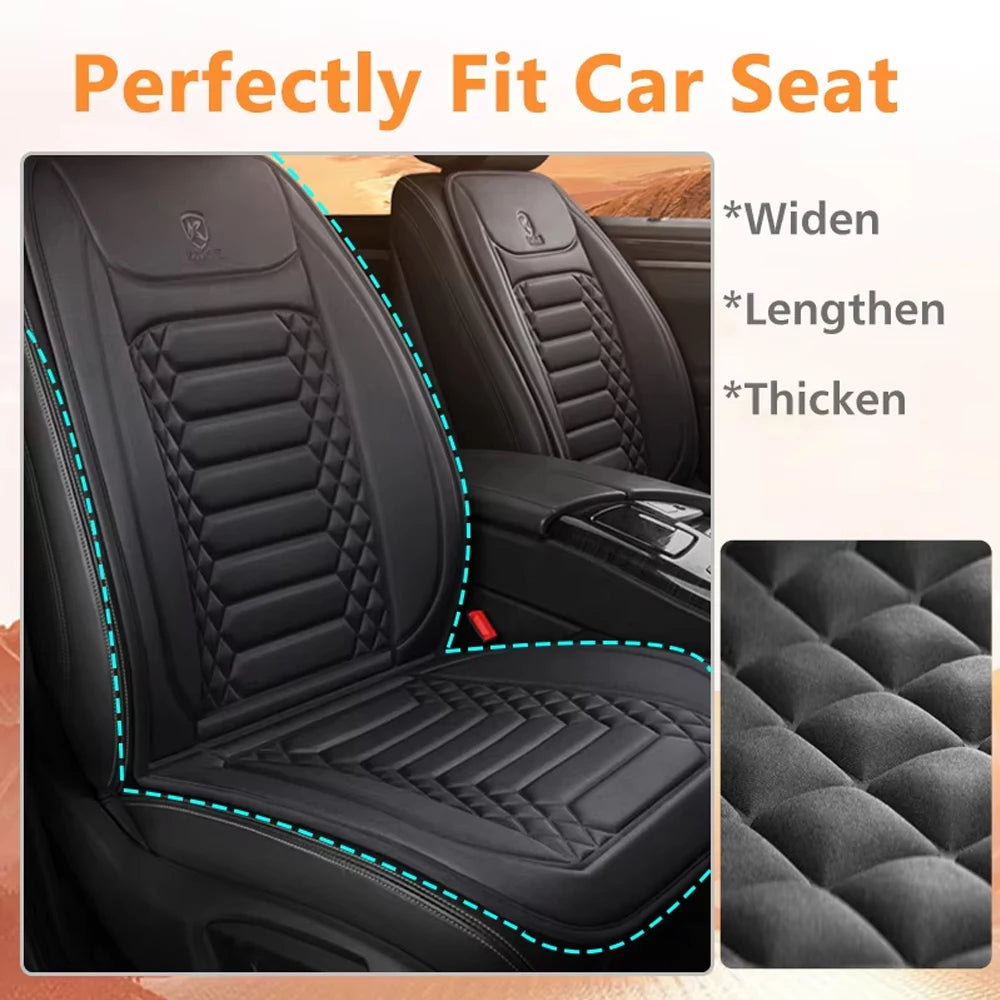
Comfort, protection, and confidence in winter driving See it in action
Winter Car Seat Safety FAQ
Do heated seats improve driving safety on snow?
No. Heated seats can improve comfort, but they do not improve tire traction, braking, visibility, or vehicle control on snow and ice. Safe speed, suitable tires, proper following distance, and attentive driving remain more important.
How long should heated seats stay on during winter driving?
There is no universal time limit for every vehicle or accessory. Follow the manufacturer's instructions, avoid prolonged exposure to excessive heat, and reduce or turn off the heating when you are comfortable.
Can heated car seats drain the battery?
Using a factory-installed heated seat while the vehicle is operating is generally part of the vehicle's intended electrical system. However, electrical problems, an aging battery, or improperly installed aftermarket equipment can create issues. If you notice starting problems or unusual electrical behavior, have the vehicle inspected.
Are aftermarket heated seat covers safe?
They can be safe when the product is appropriate for the vehicle, installed correctly, and used exactly as directed. Poor installation, damaged wiring, incompatible equipment, or modifications can increase electrical and overheating risks.
Who should avoid prolonged heated seat use?
People who may have reduced sensitivity to heat should use extra caution with prolonged exposure because they may not notice excessive warmth quickly. Follow relevant medical guidance and the product manufacturer's instructions.
Can heated seats overheat or catch fire?
A properly functioning system used as directed is designed for normal operation, but damaged components, electrical faults, or improper installation can create overheating risks. Stop using a system that shows unusual heating, visible damage, smoke, or a burning smell.
What should I do if my seat heater smells like burning?
Turn the seat heater off as soon as it is safe to do so and stop using it until the cause has been properly inspected. A burning smell should not be treated as normal operation.
Do heated seats work safely in electric vehicles?
Factory-installed heated seats in electric vehicles are designed as part of the vehicle's electrical system and should be used according to the manufacturer's instructions. As with any vehicle, damaged components or improperly installed aftermarket accessories can create electrical safety concerns.
Is seat heating safe in winter?
Yes, when used properly. Moderate settings, reasonable exposure, functional equipment, and attention to manufacturer guidance help keep seat heating a comfort feature rather than an avoidable safety concern.
What are the most common heated seat safety mistakes?
Common mistakes include using maximum heat for too long, ignoring unusual smells or hot spots, using damaged or poorly installed aftermarket equipment, and relying on warmth instead of addressing fatigue or unsafe winter driving conditions.
Order the heated car seat cover today
Related Guide: Winter Car Comfort Upgrades: Honest Review Before You Buy













