

Are Car Seat Heaters Safe?
Yes, car seat heaters are generally safe when used correctly . Modern heated seats are designed with temperature controls, sensors, and safety features that help prevent overheating. However, car seat heater safety depends on proper use, installation quality, and the user’s ability to recognize excessive heat.
What manufacturers say
Vehicle manufacturers typically design factory-installed heated seats with built-in temperature regulation systems. These systems are tested to provide controlled warmth rather than continuous high heat, helping reduce the chance of overheating during normal use.
When heated seats are generally safe
Heated seats are safest when used at moderate settings, for reasonable periods, and with fully functioning temperature controls. Using a lower heat setting after the seat warms up and avoiding unnecessary continuous heating can help maintain comfort while reducing risk.
Situations requiring extra caution
Extra caution is needed when using aftermarket seat warmers, when the heater shows signs of malfunction, or when passengers have reduced heat sensitivity. Long periods of direct heat exposure can increase the chance of skin irritation or burns, even when the temperature feels comfortable at first.
Car Seat Heater Safety: Risks, Temperature Limits & Safe Use in Winter
Cold winter mornings can make every drive uncomfortable, but a warm seat can make commuting much easier. Still, many drivers ask: are car seat heaters safe, or can heated seats cause burns, electrical problems, or health concerns? This guide explains how heated seats work, safe temperature considerations, realistic risks, and how to use a winter car seat warmer responsibly.
⏱ 6 min read
Which option fits your winter driving habits best? Read on to understand the safest way to stay warm.
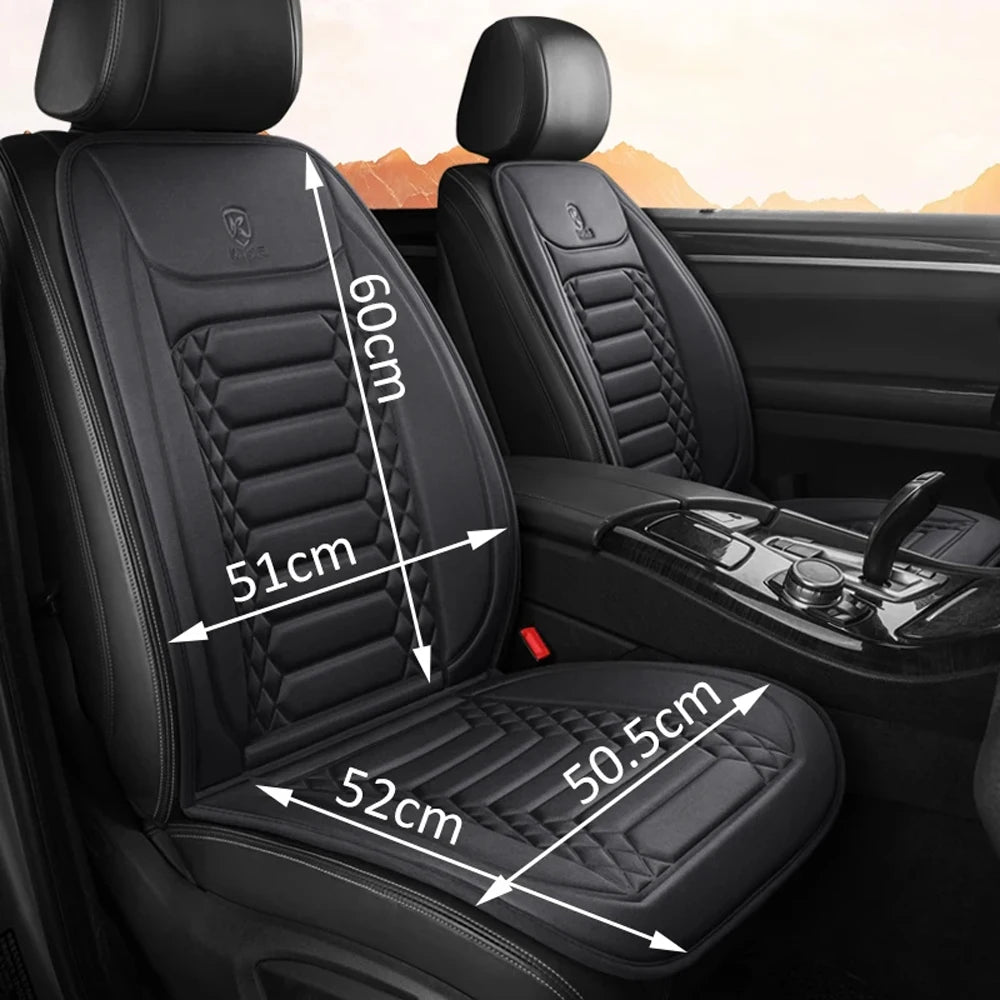
A winter car seat warmer designed for daily comfort and safety See it in action
How Car Seat Heaters Work
Understanding how car seat heaters work helps explain why most systems are safe when properly designed and maintained. Heated seats use electrical heating components placed beneath the seat upholstery to create controlled warmth.
Heating elements and sensors
Thin heating elements made from conductive materials generate heat when electricity passes through them. Sensors monitor temperature changes and help maintain a consistent level of warmth across the seat surface.
Temperature regulation
Modern heated seats use thermostats or electronic control modules to cycle heating on and off. Instead of continuously increasing temperature, the system adjusts power output to maintain the selected heat level.
Automatic shutoff and fail-safe features
Many factory-installed systems include safeguards such as temperature sensors and automatic regulation. These features help reduce overheating risks, although damaged components or poorly installed aftermarket products may not offer the same protection.
Safe Temperature for Heated Car Seats
The safest heated seat temperature depends on both the heat level and how long the body remains exposed. Comfort and injury risk are not determined by temperature alone—duration plays a major role.
Typical operating temperatures
Most heated seats are designed to provide gentle warming rather than extreme heat. Settings vary between vehicles and products, but users should choose the lowest setting that provides comfort instead of relying on maximum heat continuously.
Burn thresholds
Skin damage can occur at temperatures around 43°C (109°F) when exposure lasts long enough. Higher temperatures can increase burn risk and shorten the time required for injury.
Why duration matters
A heated seat that feels comfortable for a few minutes may become irritating or harmful after prolonged exposure. Long drives, thin clothing, and reduced heat sensitivity can increase the chance of heated seat burns.
OEM Heated Seats vs Aftermarket Seat Warmers
The safety of a winter car seat warmer depends heavily on design quality, temperature control, and installation. Factory systems usually provide the highest level of integration, while aftermarket products vary widely.
Factory-installed systems
OEM heated seats are generally considered the most reliable option because they are integrated into the vehicle design. They typically include tested wiring, built-in controls, and safety systems developed specifically for that vehicle.
Universal seat heaters
Universal seat heaters can provide safe performance when installed correctly and made with quality components. However, improper installation, poor wiring, or missing temperature regulation can increase electrical and overheating risks.
Heated seat covers
Heated seat covers are convenient because they can be added without modifying the vehicle. However, safety depends on product quality, heat distribution, automatic temperature control, and correct installation.
View heated car seat cover
Who Should Use Extra Caution?
Although most drivers can safely use heated seats, some people should take additional precautions because they may not notice excessive heat quickly.
People with diabetes or neuropathy
Conditions affecting nerves can reduce the ability to sense temperature changes. People with reduced heat sensitivity may not notice when a seat becomes too warm, increasing burn risk.
Pregnant individuals
Many people use heated seats during pregnancy, but prolonged high heat exposure should be avoided. Anyone with pregnancy-related concerns should discuss individual recommendations with a healthcare professional.
Children and older adults
Children may have more sensitive skin, while older adults may experience reduced sensation or slower responses to discomfort. Both groups may require closer monitoring during use.
People with reduced mobility
Passengers who cannot easily adjust position or respond quickly to discomfort may face increased risk from prolonged heat exposure.
Real Heated Car Seat Health Risks
Heated car seat health risks are usually related to excessive heat exposure, faulty equipment, or improper use. For most users, serious problems are uncommon when systems are used correctly.
Burns and skin injuries
Extended exposure to heated surfaces can cause redness, irritation, or burns. The risk increases when high settings are used for long periods or when users cannot easily sense heat changes.
Electrical faults
Damaged wiring, worn components, or poor-quality aftermarket installations can create electrical problems. Regular inspection and avoiding damaged products can reduce risk.
Fire hazards
Vehicle fires related to seat heaters are rare, but electrical failures can become dangerous if warning signs are ignored. Burning smells, unusual heat, or malfunctioning controls should be treated seriously.
Prolonged heat exposure
Continuous heat exposure may cause skin discomfort and irritation. Taking breaks and adjusting settings during long drives helps reduce unnecessary exposure.
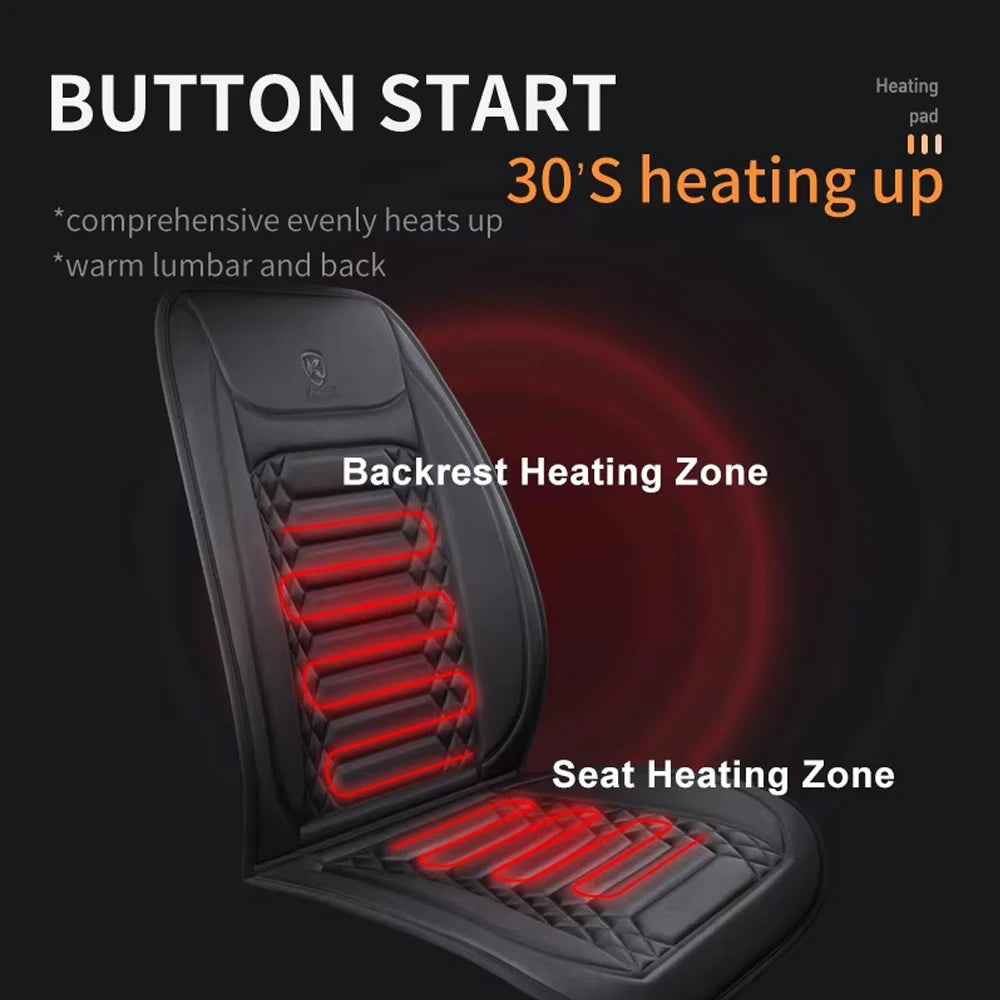
Balanced heating helps reduce common heated car seats health issues See it in action
Car Seat Heater Myths vs Facts
Cancer myths
There is no strong evidence that properly functioning heated car seats cause cancer. Concerns often come from misunderstanding how heat works, but normal heated seat use is not considered a cancer risk.
Fertility concerns
Some discussions raise concerns about heat exposure and fertility. While prolonged high temperatures can affect the body in certain situations, typical heated seat use is not comparable to medical or occupational heat exposure.
Circulation claims
Heated seats may feel relaxing because warmth can improve comfort and reduce feelings of stiffness. However, they should not be considered a treatment for circulation problems or medical conditions.
Car Seat Warmer vs Built-In: Which Is Safer?
Choosing between a car seat warmer and built-in heated seats depends on safety features, installation quality, and intended use.
- Built-in systems: Usually safest because they are integrated, tested, and designed with vehicle controls.
- Universal seat heaters: Can be safe when professionally installed and properly regulated.
- Heated seat covers: Convenient but require careful product selection and inspection.
Safety comparison
Factory-installed systems generally provide the most predictable performance. Aftermarket options can work well, but quality differences make careful evaluation important.
Reliability
Reliable heated seats should provide even warming, consistent temperature control, and durable wiring. Uneven heating or frequent overheating indicates a possible problem.
Best use cases
Built-in systems are ideal for permanent vehicle comfort upgrades, while portable heated seat covers may suit drivers who want flexibility between vehicles.
What to Do If Your Seat Heater Malfunctions
Warning signs
- Seat becomes excessively hot
- Uneven heating or noticeable hot spots
- Burning smell or electrical odor
- Controls stop responding normally
Immediate safety steps
Turn off the heater immediately if something seems wrong. Avoid continued use until the system has been inspected, especially if there are signs of electrical damage.
When repairs are necessary
Professional inspection is recommended when problems involve wiring, power connections, or repeated overheating.
Safe Car Seat Heater Checklist
Before driving
- Check that the heater and controls work normally
- Inspect aftermarket covers for damage
- Confirm wiring and connections are secure
During use
- Start with a moderate setting
- Reduce heat once comfortable
- Avoid sleeping while the heater is operating
Maintenance tips
- Inspect seasonal wear before winter use
- Replace damaged heated seat products
- Keep electrical connections clean and secure
Choosing the Best Car Seat Heater Safely
The best car seat heater is not necessarily the hottest option. A safer choice prioritizes temperature control, reliable construction, and proper installation.
Safety certifications
Look for products from reputable manufacturers that provide clear safety information, quality materials, and tested electrical components.
Automatic temperature control
Automatic regulation helps prevent excessive heat buildup. Products without reliable temperature control may create unnecessary risk.
Installation quality
Correct installation is essential for universal seat heaters. Poor wiring or incorrect placement can reduce safety and performance.
Many drivers exploring comfort upgrades also browse curated options in the Lifestyle collection for winter-ready essentials that enhance daily routines.
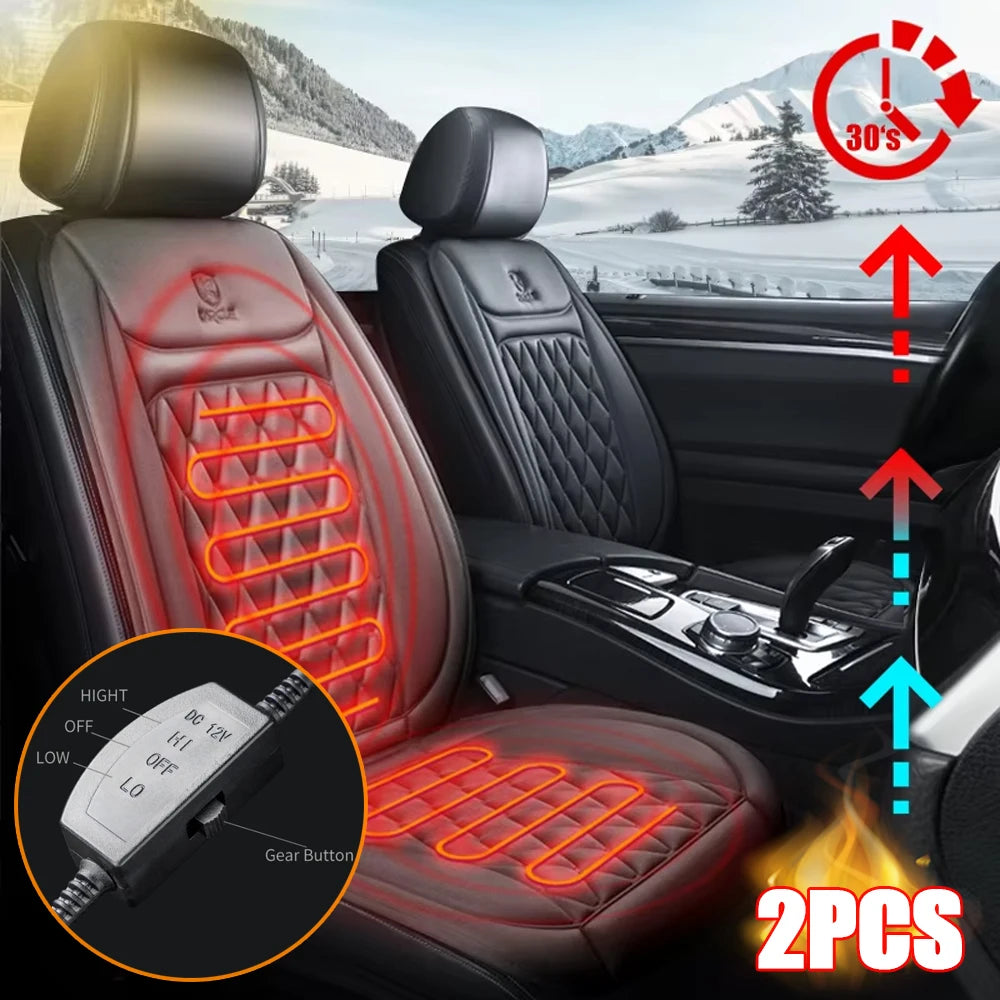
A universal winter car seat warmer built for safety and comfort See it in action
Frequently Asked Questions
Are car seat heaters safe to use every day?
Yes. Daily use is generally safe when heated seats are used correctly, with moderate settings and functioning temperature controls.
What is the safest temperature for heated car seats?
There is no single safe temperature for every person or product. The safest approach is using the lowest comfortable setting and avoiding prolonged high heat exposure.
Can heated seats cause skin burns?
Yes. Heated seats can cause burns if the temperature is too high, exposure lasts too long, or the user cannot properly sense heat.
Are heated seats safe during pregnancy?
Many pregnant individuals use heated seats safely, but prolonged high heat exposure should be avoided. Personal medical concerns should be discussed with a healthcare provider.
Are aftermarket seat heaters as safe as factory-installed systems?
Not always. Quality aftermarket systems can be safe when properly installed, but factory-installed systems usually offer better integration and testing.
Can child car seats be used on heated seats?
Parents should follow child car seat manufacturer instructions because heated seats may affect compatibility or installation requirements.
Do heated seats increase cancer or fertility risks?
Current evidence does not show that normal heated seat use causes cancer or significant fertility problems.
How do automatic shutoff systems prevent overheating?
Temperature sensors and electronic controls monitor heat output and reduce power when the desired temperature is reached, helping prevent excessive heating.
Shop the heated car seat cover
Related Guide: Seat Warmers for Car: Best Options Compared













