

What to Wear Skiing: The Ultimate Layering Guide for Warmth, Comfort & Performance
What to Wear Skiing (Quick Answer for Beginners)
If you're wondering what to wear skiing, follow this simple three-layer system for warmth, comfort, and mobility:
- Base layer: Moisture-wicking thermal top and bottoms made from merino wool or synthetic fabric
- Mid layer: Insulating fleece, synthetic insulated jacket, or lightweight down jacket
- Outer layer: Waterproof, windproof, breathable ski jacket and ski pants
Complete your ski outfit with insulated gloves or mittens, ski socks, goggles, a certified ski helmet, and a neck gaiter or balaclava. Avoid cotton garments because they absorb sweat, stay wet, and significantly reduce insulation.
Whether you're planning your first ski vacation or preparing for a full week in the mountains, the best ski outfit balances warmth, dryness, breathability, and freedom of movement. The exact layers you wear will depend on temperature, wind, snowfall, and how intensely you expect to ski.
Winter clothing gear is a strategic combination of winter thermals, insulating mid-layers, and a weatherproof outer shell that traps body heat while releasing moisture. The right winter clothes outdoor keep you warm, dry, and mobile in subzero temperatures, especially when layering winter clothes correctly for skiing or snow play.
Winter clothing gear can make or break your ski trip or snow day adventure. The right winter clothes outdoor keep you warm without bulk, while high-performance winter thermals and smart layering winter clothes lock in heat and wick away sweat.
⏱ 7 min read
Planning your snow trip? Discover the best options for your cold-weather comfort and mobility.
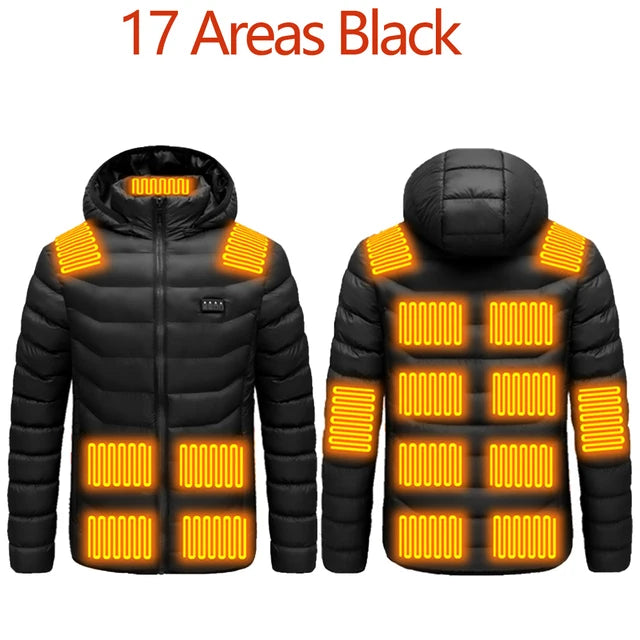
High-performance winter clothing gear for ski trip essentials. See it in action.
Why What You Wear Skiing Matters More Than You Think
Stay Warm Without Overheating
Skiing combines periods of intense movement with chairlift rides and rest breaks. Your clothing should retain enough heat while allowing excess warmth to escape. A proper layering system lets you unzip vents, remove a mid layer, or add insulation as mountain conditions change throughout the day.
Moisture Control Is the #1 Priority
Sweat is often a bigger problem than cold air. Moisture trapped next to your skin cools rapidly when you stop moving, making you feel much colder. Breathable base layers and waterproof outer shells work together to move perspiration away from your body while preventing snow and wind from getting inside.
Avoid Common Ski Clothing Mistakes
Many beginners assume thicker clothing is always warmer, but bulky layers often restrict movement and increase sweating. Cotton hoodies, jeans, and fashion winter coats also perform poorly because they absorb moisture instead of transporting it away. Choosing technical winter clothing for skiing improves comfort, safety, and performance from your first run to your last.
The 3-Layer System Explained (Base, Mid, Outer)
Base Layer (Moisture-Wicking Thermals)
Your base layer sits directly against your skin and manages moisture. Merino wool offers excellent warmth, odor resistance, and temperature regulation, while synthetic fabrics dry quickly and typically cost less. Both options are suitable for ski base layers and thermals, but cotton should always be avoided.
Mid Layer (Insulation for Heat Retention)
The mid layer traps warm air around your body. Lightweight fleece works well in mild conditions, while synthetic insulation or down jackets provide additional warmth during colder weather. Since weather changes throughout the day, this is usually the layer you'll adjust most often.
Outer Layer (Waterproof & Windproof Protection)
Your shell jacket and pants protect against wind, snow, and rain while allowing moisture vapor to escape. Look for breathable waterproof fabrics and fully taped seams if you expect heavy snowfall or wet conditions. Ski-specific jackets also include practical features like powder skirts, adjustable cuffs, helmet-compatible hoods, and ventilation zippers.
How to Adjust Layers for Changing Temperatures
No single ski outfit works in every condition. On warmer days, you may only need a lightweight base layer beneath your shell. During colder weather, add a thicker insulating layer while keeping the waterproof outer shell unchanged. Dressing in removable layers makes it much easier to stay comfortable throughout the day.

Layering winter clothes with advanced winter thermals for outdoor comfort. See it in action.
Complete Ski Trip Clothing List (Head-to-Toe Checklist)
Upper Body Essentials
- Moisture-wicking thermal base layer
- Fleece or insulated mid layer
- Waterproof ski jacket with ventilation
Lower Body Essentials
- Thermal leggings or ski base layer bottoms
- Waterproof ski pants or insulated bibs
- Comfortable moisture-wicking underwear
Ski Socks and Footwear
- One pair of ski-specific wool or synthetic socks
- Properly fitted ski boots or rental boots
- Avoid wearing multiple pairs of socks, which can reduce circulation and make your feet colder.
Cold Weather Accessories You Should Never Skip
- Certified ski helmet
- UV-protective ski goggles
- Waterproof insulated gloves or mittens
- Neck gaiter or balaclava
- Helmet liner or thin beanie for off-slope use
- Lip balm and sunscreen for high-altitude protection
What to Wear Skiing by Weather Conditions
Mild Snow (0°C to -5°C / 32°F–23°F)
Wear a lightweight moisture-wicking base layer, a thin fleece or light insulated jacket, and a waterproof shell. Open pit zips or front zippers if you begin to overheat during long runs.
Cold Weather (-5°C to -15°C / 23°F–5°F)
Choose a medium-weight thermal base layer, an insulated fleece or synthetic jacket, and waterproof ski outerwear. Add insulated gloves, warm socks, and a neck gaiter to reduce heat loss.
Extreme Cold Below -15°C / 5°F
Use heavyweight thermal base layers together with a warm insulating jacket beneath your shell. Protect exposed skin with a balaclava, insulated mittens, and quality goggles to reduce wind exposure. Keep spare gloves available in case your first pair becomes damp.
Wet Snow and Spring Skiing Conditions
When temperatures rise above freezing, waterproof protection becomes even more important than insulation. Wear lighter layers beneath a breathable waterproof shell so you stay dry without overheating during sunny afternoon conditions.













