Best Heated Winter Coat (2026): Top Picks, Reviews & Buying Guide
Best Heated Winter Coats of 2026: Quick Comparison Table
Choosing the best heated winter coat comes down to balancing warmth, battery runtime, durability, and value. The comparison below highlights leading heated jackets based on heating coverage, expected battery life, and the type of user each model suits best.
| Product | Best For | Heating Zones | Battery Life | Key Feature |
|---|---|---|---|---|
| Ororo Heated Jacket | Overall performance | 3 zones | Up to 10 hrs | Excellent balance of comfort, warmth, and everyday versatility |
| Milwaukee M12 Heated Jacket | Outdoor work | 5 zones | Up to 8 hrs | Jobsite-ready durability with broad heat coverage |
| Venture Heat Jacket | Extreme cold | 4 zones | Up to 12 hrs | High heat output for prolonged exposure to freezing weather |
| DEWBU Heated Coat | Budget option | 3 zones | Up to 8 hrs | Affordable entry into battery-powered heated jackets |
When comparing a heated winter coat, don't focus on battery runtime alone. Consider the number of heating zones, insulation quality, weather resistance, and overall fit to determine which model delivers the best value for your budget and intended activities.
7 Best Heated Winter Coats for Cold Weather (Tested & Reviewed)
To identify the best heated winter jackets, we compared leading models across the factors that matter most in real-world winter conditions: warmth, battery efficiency, comfort during extended wear, build quality, and intended use. Whether you need a rechargeable heated jacket for commuting, outdoor work, or harsh winter adventures, the options below represent some of the strongest performers available.
Best Overall Heated Winter Coat
A great all-around heated winter coat combines dependable battery performance, effective heat distribution, quality insulation, and a comfortable fit for everyday wear. Models with at least three heating zones, adjustable temperature settings, and 8 to 10 hours of runtime provide the best balance for most users, whether commuting, traveling, or spending time outdoors.
Best Budget Heated Jacket
Affordable heated jackets can still deliver impressive warmth if they prioritize the essentials. Look for reliable heating panels across the chest and back, a rechargeable battery with respectable runtime, and durable weather-resistant materials. Budget-friendly options are ideal for occasional winter use without paying for premium features you may not need.
Best Heated Coat for Outdoor Work
Construction workers, delivery drivers, farmers, and other professionals working outside benefit from jackets designed for demanding environments. Reinforced fabrics, multiple heating zones, dependable battery performance throughout long shifts, and durable weather protection are the most important features for a heated coat used on the job.
Best Lightweight Heated Jacket
Lightweight heated jackets are designed for mobility without sacrificing warmth. Their slimmer construction makes them easy to wear while driving, walking, commuting, or layering beneath a heavier shell when temperatures drop further. They are an excellent choice for active users who value flexibility and comfort.
Best Heated Coat for Extreme Cold
When temperatures fall well below freezing, insulation becomes just as important as the heating system itself. The best heated winter jackets for extreme cold combine windproof and water-resistant outer shells with efficient heating elements and extended battery life, helping maintain consistent core warmth during prolonged outdoor exposure.
Best Rechargeable Heated Jacket for Daily Use
For everyday wear, comfort and convenience matter as much as heat output. A rechargeable heated jacket should feel lightweight enough for daily activities, feature intuitive temperature controls, include a removable battery for easy charging, and be simple to maintain throughout the winter season.
Best Premium Electric Heated Jacket
Premium electric heated jackets justify their higher price with upgraded fabrics, improved weather protection, longer-lasting batteries, refined temperature controls, and enhanced durability. They are an excellent investment for users who spend significant time outdoors and want dependable performance throughout multiple winter seasons.
Do Heated Winter Coats Really Work in Extreme Cold?
Yes—when chosen for the right conditions, a heated winter coat can provide noticeably greater comfort than a standard insulated jacket alone. Instead of relying solely on trapped body heat, a winter coat with heater actively warms key areas such as the chest and back using rechargeable heating elements. This targeted warmth helps maintain a comfortable core temperature during long periods outdoors, particularly in windy or damp weather.
Performance depends on several factors, including outside temperature, insulation quality, wind exposure, battery capacity, and the selected heat setting. While no electric heated jacket replaces proper cold-weather safety practices in severe environments, it can significantly reduce the need for bulky layers during commuting, outdoor work, hiking, and other winter activities.
⏱ 7 min read
Feeling the chill already? Discover how a heated battery powered jacket can make cold-weather commuting, work, and outdoor adventures more comfortable throughout the winter season.
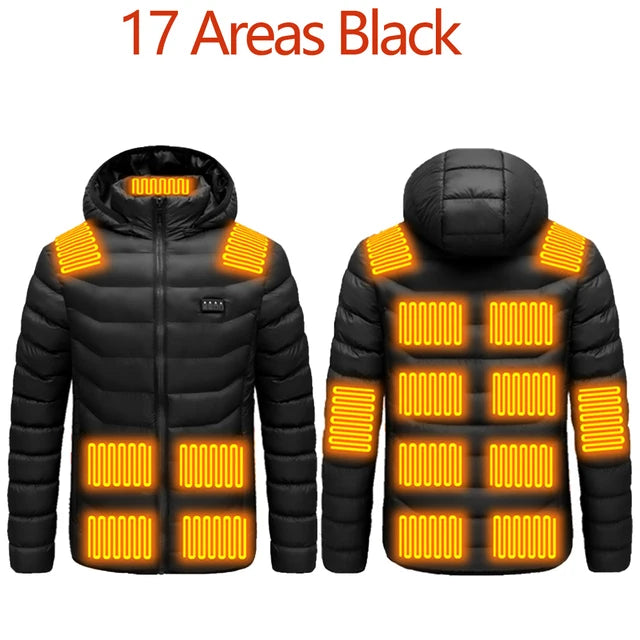
A modern winter coat with heater designed for everyday wear, commuting, and demanding outdoor work in cold weather.
Expected Temperature Performance
Most premium heated winter jackets perform best in temperatures ranging from cool autumn mornings to well below freezing when paired with appropriate base layers. Adjustable heat settings allow users to increase warmth during periods of inactivity and conserve battery power while moving.
Runtime vs Heat Level
Higher heat settings deliver faster warmth but consume more battery power, while medium and low settings typically provide the longest runtime. Most battery heated coats offer multiple heat levels, allowing you to balance warmth and operating time based on changing weather conditions.
Who Benefits Most
- Outdoor workers spending hours in cold environments
- Daily commuters exposed to low temperatures
- Hikers and campers during shoulder and winter seasons
- Spectators at sporting events and outdoor festivals
- Anyone who prefers fewer bulky clothing layers while staying warm
The best heated jacket isn't necessarily the hottest one—it's the model that balances warmth, insulation, battery life, and comfort for your specific environment.
How a Heated Winter Coat Works
A battery heated coat combines lightweight insulation with integrated heating technology to provide controllable warmth exactly where it is needed. Modern electric heated jackets use thin, flexible heating elements that remain comfortable while delivering even heat across the body's core.
Heating Elements
Most heated winter coats use carbon fiber or advanced composite heating panels because they warm quickly, distribute heat evenly, and remain flexible during movement. Depending on the design, these elements typically reach operating temperature within 30 to 60 seconds.
Battery System
Rechargeable lithium-ion battery packs power the heating elements through a secure connection inside the jacket. Most batteries are removable for convenient charging and can be recharged hundreds of times before replacement becomes necessary. Runtime varies by heat setting and battery capacity, with detailed battery comparisons covered later in this guide.
Heating Zones
Heating panels are commonly positioned across the chest and upper back, with some premium models adding heating in the collar, shoulders, lower back, or pockets. Additional heating zones improve warmth distribution rather than simply increasing temperature, making the jacket feel more comfortable during extended outdoor use.
A thermal heated jacket relies on more than its electrical components. Wind-resistant shells, water-resistant finishes, and high-quality synthetic insulation help retain generated heat while reducing energy loss. Better insulation also allows the heating system to operate more efficiently, extending usable battery life in cold conditions.
Key Features That Actually Matter in a Heated Winter Coat
Beyond heat output, the best heated winter coat delivers a balance of comfort, durability, weather protection, and reliable performance. Evaluating the following features will help you compare models more effectively and choose a jacket that performs well throughout multiple winter seasons.
Heating Zones
Strategically placed heating panels improve comfort by warming your body's core rather than generating excessive heat in a single location. Three heating zones are sufficient for everyday use, while premium jackets often include additional panels for broader coverage.
- Even warmth across the chest and upper back
- Optional neck, shoulder, or pocket heating on premium models
- Independent or adjustable heat settings
- More consistent comfort during extended outdoor use
Targeted heating zones provide efficient warmth where your body loses heat fastest, helping improve comfort without adding unnecessary bulk.
Battery Life
Battery performance determines how long your heated jacket can maintain warmth between charges. Actual runtime depends on battery capacity, outside temperature, and the selected heat level. Larger battery packs generally extend operating time but may add slightly more weight. A detailed battery performance comparison appears later in this guide.
- Multiple adjustable heat levels
- Typical runtime of 6 to 10 hours under normal use
- Rechargeable lithium-ion battery packs
- Removable batteries for convenient charging
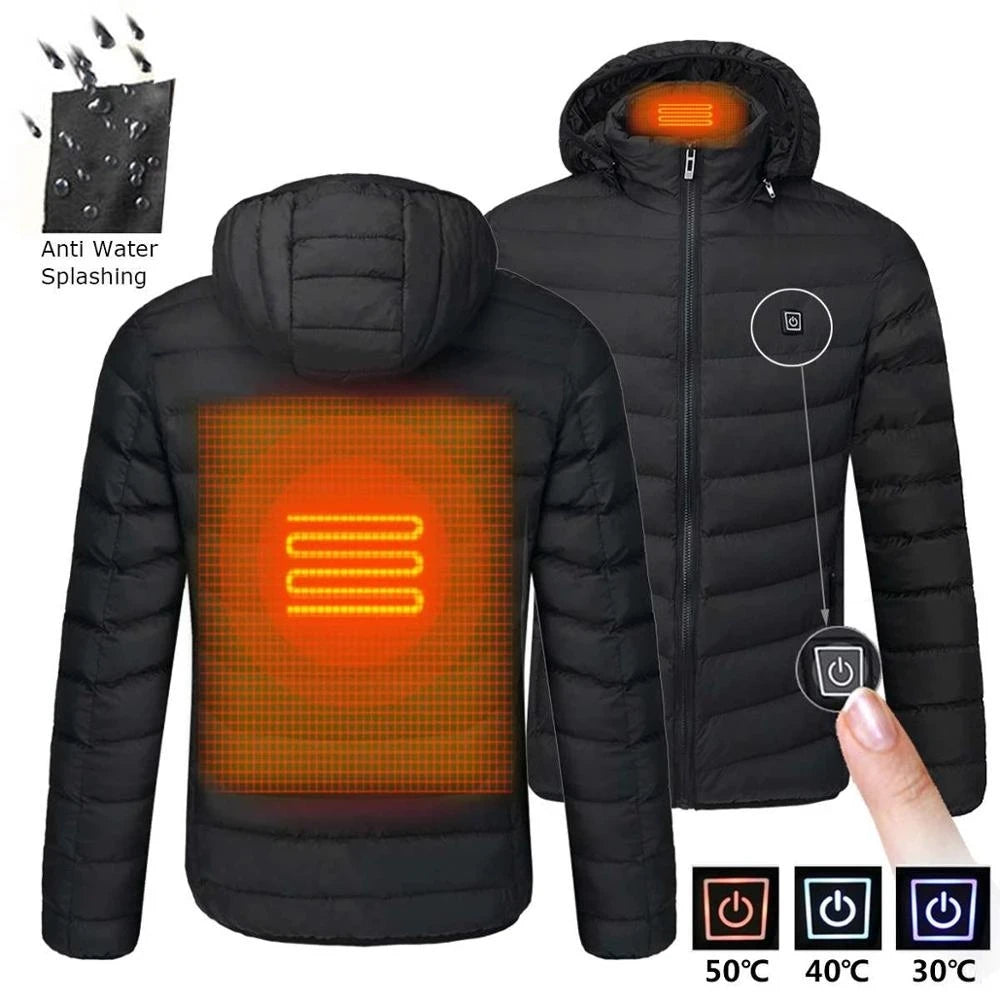
A battery-powered heated coat combines rechargeable power with efficient insulation for dependable warmth during work and winter activities.
Weather Resistance & Insulation
Heating technology performs best when paired with quality insulation and protective outer materials. Windproof construction reduces heat loss, while water-resistant fabrics help maintain comfort during light snow and rain. Effective insulation also improves battery efficiency by retaining generated warmth.
- Wind-resistant outer shell
- Water-resistant finish for changing weather
- Insulated lining to retain heat longer
- Breathable materials that help manage moisture
Fit & Mobility
A heated jacket should remain comfortable whether you're commuting, working, or enjoying outdoor recreation. Modern designs use lightweight insulation and flexible fabrics that allow unrestricted movement without compromising warmth.
- Lightweight construction that reduces fatigue
- Comfortable fit for layering when needed
- Flexible materials that support natural movement
- Practical pocket placement and adjustable cuffs or hems
Safety Features & Temperature Control
Reputable manufacturers incorporate multiple safety systems to ensure dependable operation during everyday use. These features help regulate heat output while protecting both the battery and heating elements.
- Built-in overheat protection
- Stable voltage regulation for consistent performance
- Water-resistant electrical components
- Secure battery connectors and durable wiring
- Easy-to-use controls with multiple heat settings
Heated Jacket vs Traditional Winter Coat
Both heated jackets and conventional insulated coats have their strengths, but they serve different needs. A winter coat with heater actively generates warmth using rechargeable heating elements, while a traditional coat depends entirely on insulation to retain body heat. The comparison below highlights the key differences.
| Feature | Winter Coat with Heater | Traditional Winter Coat |
|---|---|---|
| Warmth | ✅ Active heating with adjustable temperature settings | ⚪ Passive insulation only |
| Weight | ✅ Lightweight construction with fewer bulky layers | ⚪ Often heavier due to thicker insulation |
| Battery Dependence | ⚪ Requires a charged battery for active heating | ✅ No battery required |
| Temperature Control | ✅ Multiple selectable heat levels | ❌ Fixed insulation level |
| Long Outdoor Use | ✅ Consistent warmth throughout extended exposure | ⚪ Warmth gradually decreases as body heat is lost |
| Best Use Cases | Outdoor work, commuting, hiking, sporting events, winter recreation | Everyday casual wear and moderate cold conditions |
Warmth
A heated jacket maintains a more consistent core temperature because it actively generates heat instead of relying solely on body warmth. This makes it especially beneficial during prolonged periods of inactivity or exposure to strong wind.
Weight
Because the heating system supplements insulation, many heated winter coats achieve comparable warmth with less bulk than traditional heavy winter jackets, improving comfort and mobility.
Battery Dependence
The primary trade-off is battery management. While a heated jacket continues functioning as a normal insulated coat after the battery is depleted, active heating requires a charged battery pack. Many users carry a spare battery or portable power bank during extended outings.
Best Use Cases
A heated winter coat offers the greatest advantage for people who spend extended periods outdoors, including construction workers, delivery drivers, winter commuters, hikers, hunters, anglers, and spectators attending outdoor sporting events.
How to Choose the Best Heated Winter Coat
Selecting the right heated winter coat starts with understanding your environment, activity level, and expected weather conditions. Focus on the features that directly affect comfort, reliability, and long-term value rather than choosing solely based on maximum heat output.
Choose the Right Heating Zones
For most users, three heating zones covering the chest and back provide excellent everyday performance. If you regularly experience sub-freezing temperatures or prolonged outdoor exposure, consider jackets with additional heating panels around the neck, shoulders, or pockets.
Choose a battery capacity that matches your typical daily use. Longer work shifts and outdoor adventures benefit from larger battery packs or compatible replacement batteries, while commuters may find a standard battery sufficient.
Pick Insulation & Waterproofing
Look for wind-resistant outer fabrics, water-resistant finishes, and quality insulation that complements the heating system. Better insulation helps preserve warmth while improving overall battery efficiency.
Get the Right Fit
A heated jacket should fit close enough to allow the heating panels to remain near your body without restricting movement. If you frequently wear thick base or mid-layers, consider sizing accordingly while maintaining a comfortable range of motion.
Consider Warranty
Since heated jackets include electronic components and rechargeable batteries, choose brands that offer clear warranty coverage, responsive customer support, and replacement batteries or accessories when available.
How long does a heated winter coat battery last?
Most rechargeable heated jackets operate between 4 and 12 hours depending on battery capacity, outside temperature, and the selected heat setting.
Are heated winter coats safe to wear in snow and rain?
Yes. Most quality heated jackets feature water-resistant fabrics and protected electrical components designed for normal winter weather. Always follow the manufacturer's care and usage instructions.
Can you wash a battery heated coat?
In many cases, yes. Remove the battery before washing and follow the garment's care label. Most heated jackets are machine washable on a gentle cycle after disconnecting the power source.
Do heated jackets work without the battery turned on?
Yes. Even without active heating, a heated winter coat continues to function as an insulated jacket, although it will not generate additional warmth.
How many heating zones should a heated jacket have?
Three heating zones are sufficient for most users, while four or five zones provide more even heat distribution for colder climates and extended outdoor activities.
Are replacement batteries available for heated jackets?
Many manufacturers sell compatible replacement batteries separately. Availability varies by brand and model, so verify compatibility before purchasing.
What is the warmest heated winter coat for extreme cold?
The warmest models combine multiple heating zones, high-capacity batteries, windproof construction, and premium insulation rather than relying on higher temperatures alone.
Which heated coat is best for outdoor work?
Look for rugged construction, extended battery life, reinforced materials, weather resistance, and dependable heating performance that can withstand demanding daily use.
Can you take a heated jacket on an airplane?
Yes. Heated jackets are generally permitted for air travel, but lithium-ion batteries should typically be carried in your carry-on baggage according to airline and aviation regulations.
Should you size up for a heated winter coat?
Not necessarily. Most heated jackets are designed to fit true to size. If you plan to wear thick insulating layers underneath, sizing up may improve comfort without significantly affecting heating performance.