

Best Winter Cycling Gloves (2026): Tested Picks for Cold, Wet & Freezing Rides
⏱ 6 min read
The best winter cycling gloves keep your hands warm without compromising braking, shifting, or handlebar control. Whether you commute through rainy mornings, tackle fast road rides, or ride snowy trails, choosing gloves that match your riding style and typical temperature makes every winter ride safer and more comfortable.
Which winter cycling gloves are best for different riding styles?
The best winter cycling gloves depend on temperature, weather exposure, riding intensity, and the amount of dexterity you need. For most cyclists, thermal softshell gloves provide the ideal balance of warmth, breathability, and control. Riders facing persistent rain benefit from waterproof winter cycling gloves, while lobster gloves and heated gloves excel below 0°C (32°F).
Road Cycling
Road cyclists generate more body heat but also face constant wind at higher speeds. Slim thermal cycling gloves with windproof outer fabrics preserve precise braking and shifting while preventing overheating during sustained efforts.
Mountain Biking
Trail riders need durable insulated gloves with reinforced palms and dependable grip. Abrasion-resistant materials, secure cuffs, and moderate insulation help maintain control on rough terrain without making the hands feel bulky.
Gravel Riding
Gravel rides often combine long hours, changing weather, and mixed surfaces. Softshell cycling gloves with water-resistant shells and breathable insulation offer the versatility needed for unpredictable conditions.
Commuting
For daily commuting, prioritize waterproof winter cycling gloves featuring windproof membranes, reflective details, and touchscreen-compatible fingertips. These features keep hands warm while making stops, navigation, and phone use more convenient.
Freezing Conditions
When temperatures fall well below freezing, cycling gloves for cold weather should prioritize heat retention over maximum dexterity. Lobster gloves reduce heat loss by grouping fingers together, while heated cycling gloves provide active warmth for riders with poor circulation or extended winter outings.
- Commuting: Waterproof winter cycling gloves with windproof membranes and reflective details.
- Road cycling: Lightweight thermal cycling gloves that maximize bar feel and shifting precision.
- Mountain biking: Durable insulated gloves with textured palms for confident grip.
- Gravel riding: Breathable softshell gloves that balance warmth and weather protection.
- Freezing temperatures: Lobster gloves or heated cycling gloves for maximum insulation.
Selecting the right cycling gloves for cold weather improves comfort, preserves hand strength, and helps maintain confident control throughout long winter rides.
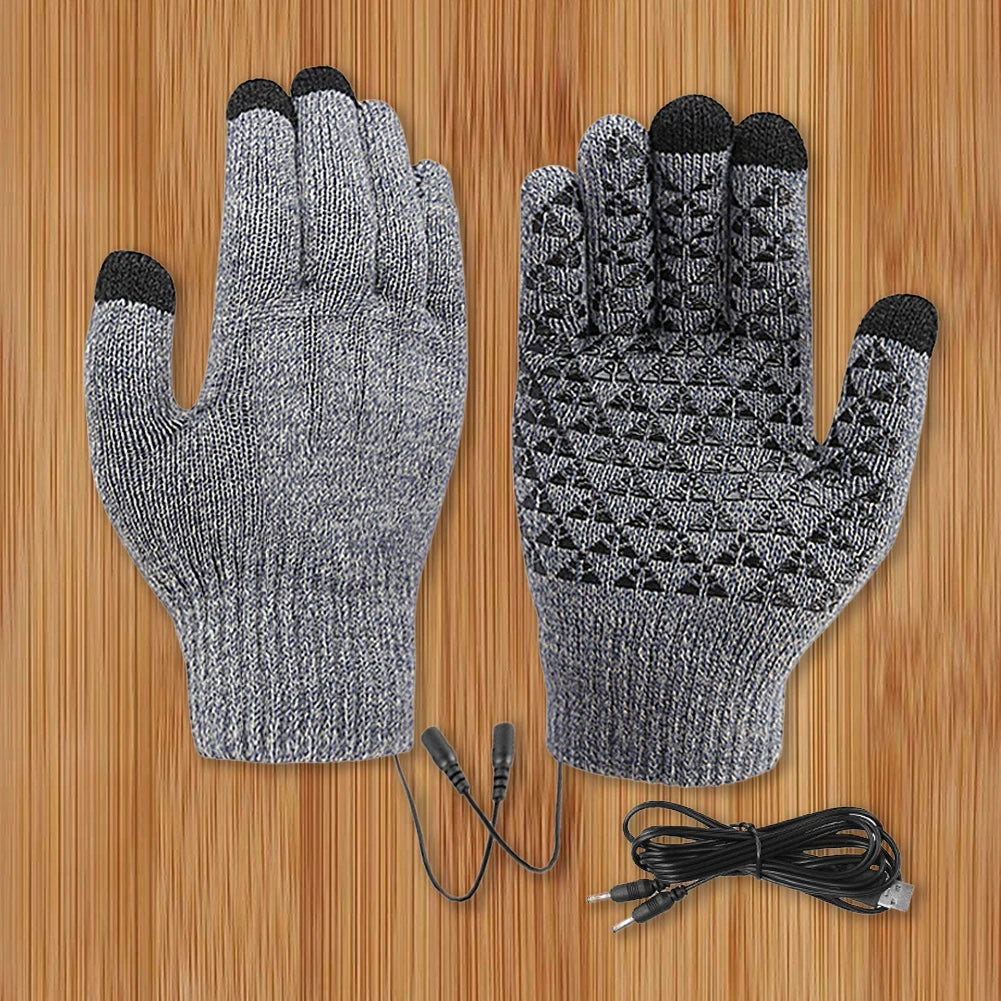
winter cycling gloves compared for warmth and control — See it in action
Best Winter Cycling Gloves by Use Case (Quick Picks)
Best Overall Winter Cycling Gloves
Best for: Most riders between 0°C and 10°C.
Thermal softshell gloves deliver the best overall balance of warmth, wind protection, breathability, and dexterity. They perform equally well for fitness rides, weekend road cycling, and everyday commuting.
Best for Freezing Temperatures
Best for: Sub-zero rides and long winter training sessions.
Lobster gloves maximize heat retention by reducing exposed finger surface area, making them the preferred choice for riders who regularly cycle below freezing.
Best Waterproof Winter Cycling Gloves
Best for: Rain, sleet, wet snow, and unpredictable weather.
Waterproof winter cycling gloves combine windproof membranes with insulated liners to keep hands dry while maintaining warmth throughout extended wet rides.
Best Budget Option
Best for: Casual riders and occasional winter commuting.
Basic thermal cycling gloves provide dependable wind resistance and insulation without the premium price, making them an excellent value for moderate winter conditions.
Best for Commuting
Best for: Daily urban riding.
Look for comfortable gloves with reflective accents, touchscreen compatibility, and weather-resistant construction for reliable day-to-day use.
Best Road Cycling Gloves
Best for: Fast-paced road riding.
Low-profile thermal gloves preserve excellent handlebar feel while shielding hands from cold wind generated at higher cycling speeds.
Best Mountain Bike Gloves
Best for: Technical trails and mixed terrain.
Insulated mountain bike gloves emphasize grip, durability, and impact resistance while providing enough flexibility for confident braking and steering.
Best Lightweight Winter Gloves
Best for: Mild winter days between 5°C and 15°C.
Lightweight insulated gloves offer just enough warmth for high-output rides and can easily be paired with liner gloves when temperatures begin to drop.
Winter Cycling Gloves Comparison Table (Temperature, Waterproofing, Insulation)
| Glove Type | Best Temp Range | Waterproof Protection | Insulation | Touchscreen | Typical Price | Best Use |
|---|---|---|---|---|---|---|
| Softshell Thermal Gloves | 0°C to 10°C | Water-resistant | Fleece-lined | Often available | $$ | Road riding & commuting |
| Lobster Gloves | -10°C to 5°C | Often waterproof | Synthetic insulation | Limited | $$$ | Cold endurance rides |
| Heated Gloves | -20°C to 5°C | Usually waterproof | Battery-powered heating | Some models | $$$$ | Extreme cold conditions |
| Liner Gloves | 5°C to 15°C | No | Minimal | Often available | $ | Mild winter rides & layering |
In-Depth Reviews of the Best Winter Cycling Gloves
Best Overall: Thermal Softshell Cycling Gloves
Thermal softshell gloves are the most versatile choice for riders who regularly cycle between 0°C and 10°C. They combine windproof outer fabrics with breathable fleece insulation, delivering dependable warmth while preserving the dexterity needed for braking, shifting, and handling technical corners.
Ideal for: Daily commuting, road cycling, gravel riding, and weekend fitness rides.
- Pros: Excellent balance of warmth and dexterity, breathable, comfortable for long rides, reliable grip.
- Cons: May not provide sufficient insulation for extended rides well below freezing.
Best for Freezing Temperatures: Lobster Cycling Gloves
Lobster gloves are among the best cycling gloves for freezing temperatures because they allow neighboring fingers to share body heat while maintaining enough independence for confident braking and gear changes. They excel on long winter rides where heat retention matters more than maximum finger mobility.
Ideal for: Endurance riding, winter training, and sub-zero conditions.
- Pros: Outstanding warmth, excellent wind protection, reduced heat loss.
- Cons: Less finger dexterity than conventional full-finger gloves.
Best Waterproof: Insulated Waterproof Gloves
Waterproof winter cycling gloves combine insulated liners with waterproof and windproof membranes to prevent rain, sleet, and melting snow from soaking your hands. Keeping hands dry is often just as important as insulation because wet skin loses heat rapidly.
Ideal for: Wet climates, winter commuting, and variable weather.
- Pros: Excellent weather protection, durable construction, dependable comfort in prolonged rain.
- Cons: Slightly bulkier than lightweight thermal gloves.
Best Budget: Basic Thermal Cycling Gloves
Budget-friendly thermal gloves provide enough insulation and wind resistance for riders who only encounter occasional cold weather. While they may lack premium waterproof membranes or advanced materials, they remain a practical choice for shorter rides.
Ideal for: Casual riders and occasional commuters.
- Pros: Affordable, lightweight, good value for moderate winter conditions.
- Cons: Less durable and generally less weather-resistant than premium options.
Best Heated: Heated Cycling Gloves
Heated cycling gloves use rechargeable batteries to deliver consistent warmth throughout the fingers and back of the hand. Riders with poor circulation or those tackling extended rides in severe winter weather often benefit the most from this active heating system.
Ideal for: Extreme cold, alpine riding, and cyclists prone to cold hands.
- Pros: Maximum warmth, adjustable heat settings, excellent comfort in harsh conditions.
- Cons: Higher price, additional weight, batteries require charging.
Best MTB: Insulated Mountain Bike Gloves
Mountain bike gloves prioritize grip, durability, and protection against trail impacts. Moderate insulation, reinforced palms, and flexible construction allow riders to maintain precise bike control on technical terrain while staying comfortable in cold weather.
Ideal for: Trail riding, enduro, and technical singletrack.
- Pros: Secure grip, durable construction, excellent handlebar control.
- Cons: Usually not as warm as dedicated winter road or lobster gloves.
Best Road: Lightweight Thermal Road Gloves
Road-focused winter gloves minimize bulk while providing effective wind protection. Their close-fitting design helps preserve bar feel and shifting accuracy during higher-speed rides where aerodynamics and control remain important.
Ideal for: Fast-paced road cycling and training rides.
- Pros: Excellent dexterity, lightweight feel, breathable during hard efforts.
- Cons: Limited insulation in prolonged freezing conditions.
How Different Winter Cycling Gloves Solve Cold Hands
Cold hands usually result from a combination of wind chill, moisture, restricted circulation, and prolonged exposure. The most effective winter cycling gloves address all four factors while maintaining enough flexibility for confident bike handling.
Wind Protection
Windproof cycling gloves use tightly woven outer fabrics or protective membranes that reduce heat loss caused by fast-moving air. This feature becomes increasingly important as riding speed increases because wind chill dramatically lowers skin temperature.
Water Protection
Waterproof membranes prevent rain, slush, and melting snow from soaking insulation. Dry hands stay significantly warmer than wet hands, making waterproof construction especially valuable during long winter commutes and mixed-weather rides.
Insulation
Thermal cycling gloves rely on fleece linings or synthetic insulation to trap warm air without excessive bulk. Premium insulation continues providing warmth even if minor moisture enters the glove, helping maintain comfort throughout extended rides.
Grip and Control
Textured palms, pre-curved fingers, and flexible construction improve grip on handlebars while reducing hand fatigue. The best insulated cycling gloves balance warmth with enough dexterity for smooth braking, shifting, and steering.
Types of Winter Cycling Gloves Explained
Liner Gloves
Liner gloves are lightweight base layers designed for temperatures above 5°C or for pairing beneath insulated outer gloves. They add warmth while preserving flexibility and are especially useful during changing weather.
Softshell Gloves
Softshell gloves combine wind resistance, breathable insulation, and excellent dexterity, making them the most versatile option for everyday winter riding. They suit a wide range of road, gravel, and commuting conditions.
Lobster Gloves
Lobster gloves group two or more fingers together to improve heat retention while still allowing effective braking and shifting. They remain one of the best choices for cycling gloves for freezing temperatures.
Heated Gloves
Heated gloves incorporate rechargeable heating elements that provide adjustable warmth during long rides in severe winter weather. They are particularly beneficial for riders with poor circulation or those frequently exposed to sub-zero temperatures.
Split-Finger Gloves
Split-finger designs sit between traditional full-finger gloves and lobster gloves. They offer improved warmth over standard gloves while preserving more dexterity than full lobster-style construction, making them a practical compromise for cold-weather performance.
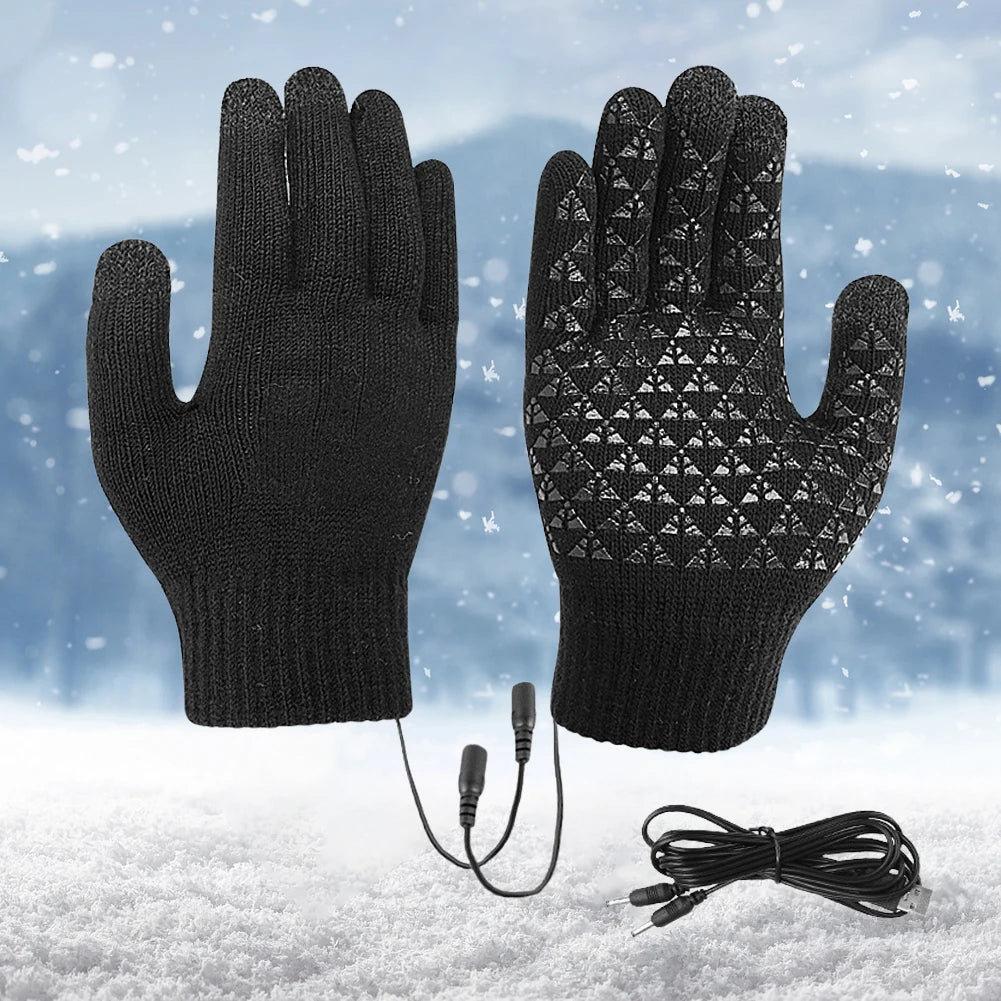
cycling gloves for cold weather during long winter rides — See it in action
How to Choose the Best Gloves for Cycling in Cold Weather
Temperature Ratings
One of the most important factors when choosing the best gloves for cycling in cold weather is matching the glove to your typical riding temperature rather than the coldest day of the year. Overly warm gloves can cause sweaty hands, while under-insulated gloves quickly lose their ability to keep fingers comfortable.
- 5°C to 15°C: Lightweight thermal or liner gloves.
- 0°C to 10°C: Softshell thermal cycling gloves for balanced warmth and dexterity.
- Below 0°C: Lobster gloves or heated gloves for maximum protection.
Waterproof vs Water-Resistant
Waterproof winter cycling gloves are the better choice for riders who regularly encounter rain, slush, or melting snow. Water-resistant gloves, however, are lighter, breathe better, and are often more comfortable during dry winter rides where moisture is less of a concern.
Insulation Technologies
Modern cycling gloves for cold weather typically use fleece linings, synthetic insulation, or layered softshell construction. Synthetic insulation continues to perform even when exposed to moisture, while fleece provides excellent comfort, flexibility, and moisture management during high-effort rides.
Fit and Dexterity
A close but comfortable fit improves braking precision, shifting accuracy, and overall handlebar control. Gloves should allow full finger movement without creating pressure points that restrict circulation.
Cuff Design
Extended cuffs help seal the gap between your gloves and jacket sleeves, preventing cold air and water from entering. Adjustable hook-and-loop or elastic closures also improve fit and keep warmth trapped inside during long rides.
Palm Grip
Look for textured palms made from silicone or synthetic leather to maintain a secure grip on wet handlebars. Light padding can also reduce pressure on the hands without sacrificing bike control or handlebar feel.
How Proper Fit Prevents Numb Hands When Cycling
Even the warmest winter cycling gloves cannot perform well if they fit incorrectly. Gloves that are too tight reduce blood circulation and contribute to cold, numb fingers, while oversized gloves leave excess air pockets that allow heat to escape and reduce braking precision.
- Choose a size that allows your fingertips to lightly reach the end of each finger without compression.
- Make sure the wrist closure seals out wind while remaining comfortable during extended rides.
- Grip your handlebars or brake levers before buying to confirm natural finger movement.
- Leave enough room to add thin liner gloves if temperatures vary throughout the season.
Riders often explore cold-weather comfort solutions alongside gear from the Body Care and Health Devices collection to stay relaxed and ready year-round.
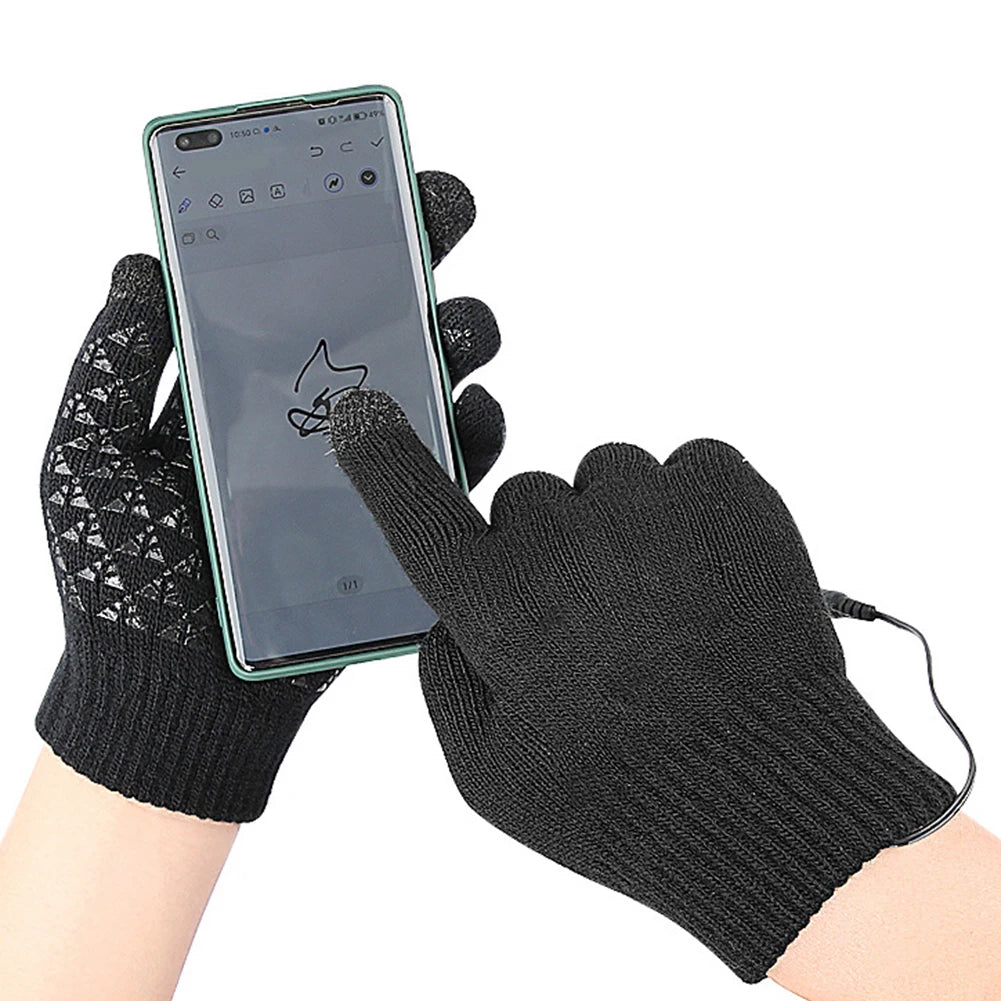
best gloves for cycling in cold weather with all-day comfort — See it in action
How to Keep Hands Warm While Cycling (Pro Tips)
Layering
- Wear lightweight liner gloves beneath insulated gloves on exceptionally cold rides.
- Keep your core warm with proper layering to support healthy blood circulation to your hands.
- Avoid gloves that fit too tightly, as restricted circulation often causes cold fingers even with thick insulation.
Handlebar Setup
- Maintain a relaxed grip to reduce pressure on the palms and nerves.
- Use padded handlebar tape or ergonomic grips to minimize vibration during longer rides.
- Consider handlebar covers or pogies for commuting or riding in severe winter conditions.
Ride Preparation
- Start every ride with warm, dry hands instead of waiting for your gloves to generate warmth.
- Check the weather forecast and choose gloves that match both temperature and precipitation.
- Carry a spare pair of dry gloves on longer rides if rain or snow is expected.
Quick FAQs About Winter Cycling Gloves
Are waterproof gloves always warmer?
Not necessarily. Waterproof winter cycling gloves keep moisture out, which helps preserve warmth during wet rides, but insulation level and wind protection have a greater impact on overall warmth. In dry conditions, a breathable thermal glove may feel more comfortable than a fully waterproof model.
Should winter cycling gloves fit tight or loose?
They should fit snugly without restricting circulation. A proper fit allows comfortable finger movement, maintains handlebar control, and leaves enough room for thin liner gloves if additional insulation is needed.
What temperature are lobster gloves best for?
Lobster gloves perform best at temperatures around 0°C and below, especially during long rides where wind chill significantly increases heat loss. They provide more warmth than standard full-finger gloves while retaining sufficient control for braking and shifting.
Can touchscreen gloves work reliably?
Yes. Many modern winter cycling gloves include conductive fingertips that allow basic smartphone and GPS operation. Performance is generally best when the gloves fit correctly and the touchscreen-compatible panels remain clean and dry.
How do I prevent numb hands when cycling in winter?
Prevent numb hands when cycling by choosing properly fitted insulated gloves, avoiding excessive grip pressure on the handlebars, keeping your core warm to support circulation, and selecting gloves that match the weather rather than simply choosing the thickest pair.
Related Guide: Best Gloves for Winter Cycling: Top Picks Compared
Final Verdict: Which Winter Cycling Gloves Should You Buy?
The best winter cycling gloves depend on where and how you ride. For most cyclists, thermal softshell gloves deliver the best combination of warmth, dexterity, and comfort across a wide range of winter conditions. Riders who regularly encounter heavy rain should prioritize waterproof winter cycling gloves, while those tackling sub-freezing temperatures will benefit most from lobster gloves or heated models.
Budget-conscious riders can stay comfortable with basic thermal gloves for moderate winter weather, whereas commuters may appreciate features such as reflective details, touchscreen compatibility, and extended cuffs for everyday convenience.
Ultimately, the best winter cycling gloves are the pair that match your local climate, riding intensity, and personal cold tolerance while allowing confident braking, shifting, and control on every ride.













