

Does winter driving staying warm really work?
Yes. Staying warm in a car during winter is most effective when you combine layered clothing, smart heat-retention techniques, and appropriate warming tools such as a heated car blanket. Instead of relying only on your vehicle's heater, reducing heat loss helps you stay comfortable, maintain focus behind the wheel, and travel more safely in cold-weather conditions.
How to Stay Warm in a Car in Winter (Complete Safety & Survival Guide)
Whether you're commuting, taking a winter road trip, or preparing for unexpected delays, knowing how to stay warm in a car in winter is essential. Cold cabins, icy seats, and constant heat loss can quickly drain your energy and concentration. The safest approach combines proper clothing, efficient use of your vehicle's heating system, and practical insulation strategies that keep warmth where it belongs—around you.
⏱ 7 min read
Discover simple comfort strategies that work on both short commutes and long winter drives.
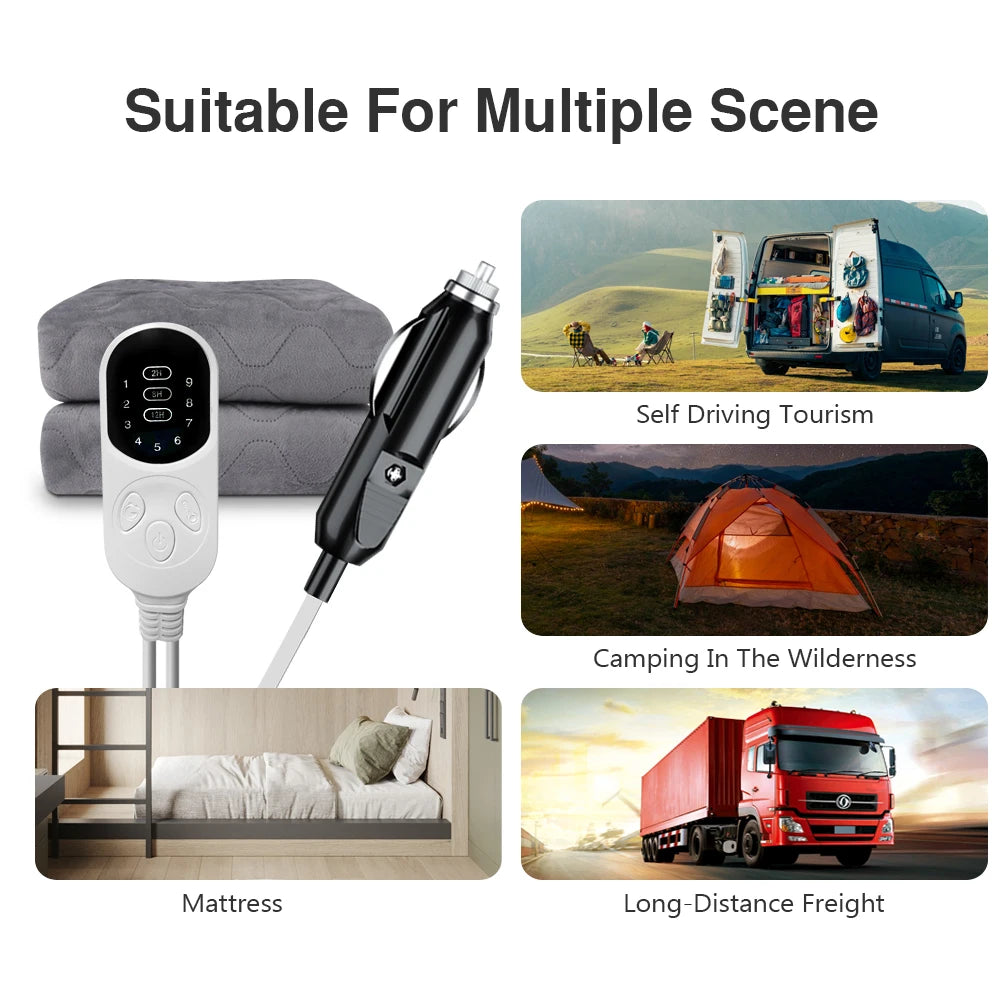
Staying warm starts with the right setup. See it in action.
Why Cars Get So Cold in Winter (And Why Heat Escapes Fast)
If you've ever wondered, "Why is my car cold inside even after turning on the heater?" , the answer lies in how quickly vehicles lose heat. Unlike homes, cars have thin metal panels, large glass windows, and very little insulation, allowing valuable warmth to escape almost as quickly as it's produced.
Heat Loss Explained (Metal, Glass, Air Gaps)
Your vehicle constantly exchanges heat with the cold outdoor environment. Metal body panels conduct heat away rapidly, while windows release warmth through the glass. Even small gaps around doors, weather stripping, and ventilation systems allow cold air to enter and warm air to escape.
Because the cabin holds relatively little air, its temperature can drop quickly whenever the heater cycles off, a door is opened, or outside temperatures fall further. Understanding these heat-loss points makes it easier to choose effective cold car solutions during winter.
Why Your Car Heater Might Not Be Enough
Your vehicle's heater depends on heat generated by the engine's cooling system. During short trips, stop-and-go traffic, or extremely cold weather, the engine may never reach its most efficient operating temperature, limiting the amount of warm air entering the cabin.
Even with the heater running, cold windows, drafty seals, and inadequate clothing can cause your body to lose heat faster than the cabin replaces it. That's why experienced winter drivers combine the heater with layered clothing, reduced drafts, and heat-retention techniques instead of depending on cabin heat alone.
What to Do Immediately If You’re Cold in a Car
If you begin feeling cold while driving or waiting inside your vehicle, act early. Restoring body warmth before you become chilled is easier, safer, and helps maintain concentration behind the wheel.
Quick Actions to Warm Up Fast
- Add dry insulating layers immediately, prioritizing your chest, neck, hands, and feet.
- Use your vehicle's heater once the engine has warmed sufficiently, if it is safe to do so.
- Wrap yourself in a blanket or spare jacket to trap body heat instead of relying only on warm cabin air.
- Reduce drafts by fully closing doors, windows, and unnecessary vents.
- Drink a warm beverage or eat a light snack if available to help your body generate heat naturally.
Mistakes That Make You Colder
- Waiting too long before adding extra clothing.
- Remaining in damp or sweat-soaked clothing.
- Turning the heater off as soon as the cabin feels warm.
- Depending entirely on the vehicle heater without insulating your body.
- Ignoring cold hands and feet, which often lose heat first and can make your entire body feel colder.
How to Stay Warm While Driving in Cold Weather
Knowing how to stay warm while driving in cold weather is about balancing comfort with safety. Dress for changing conditions, use your vehicle's heating system efficiently, and reduce unnecessary heat loss so you remain comfortable without sacrificing visibility or concentration.
Layering Strategy for Drivers
- Base layer: Wear a moisture-wicking synthetic or merino wool layer to keep perspiration away from your skin.
- Mid layer: Add fleece or wool to trap warm air without creating excessive bulk.
- Outer layer: Choose a wind-resistant, breathable jacket that protects against cold drafts while allowing comfortable movement.
A layered clothing system keeps you warm during the drive while making it easy to adjust if the cabin temperature changes. Avoid oversized winter coats that interfere with seat belt positioning or restrict steering movements.
Smart Heating Habits While Driving
- Preheat the vehicle when possible before starting your trip.
- Switch to recirculation mode once the cabin has warmed to retain heated air.
- Aim warm airflow toward your feet and lower body first, then balance airflow throughout the cabin.
- Keep windows closed unless ventilation is necessary for defogging.
- Use your defroster whenever needed to maintain clear visibility without overheating the cabin.
- Monitor your fuel level during long winter drives since extended heater use increases engine running time.
How to Stay Warm in a Parked or Stranded Car (Critical Safety Guide)
If your vehicle becomes disabled or you're forced to remain parked during severe winter weather, conserving body heat while minimizing safety risks should be your highest priority.
Safe Ways to Use the Engine for Heat
- Run the engine for approximately 10 to 15 minutes each hour if conditions allow.
- Before starting the engine, make sure the exhaust pipe is completely clear of snow, ice, or debris.
- Open a window slightly to improve ventilation while the engine is running.
- Turn the engine off once the cabin has warmed to conserve fuel.
Preventing Carbon Monoxide Risk
Carbon monoxide is colorless, odorless, and potentially fatal. Never idle your vehicle continuously inside enclosed spaces or when the exhaust pipe is blocked by snow. Check the exhaust regularly after heavy snowfall or drifting snow to reduce the risk of dangerous fumes entering the cabin.
How to Retain Heat Overnight
- Wrap yourself in insulated blankets or a cold-weather sleeping bag.
- Cover windows with spare clothing, towels, or blankets to reduce radiant heat loss.
- If traveling with others, stay close together to conserve body heat.
- Avoid overheating or excessive sweating, since damp clothing cools the body quickly.
- Keep your head, hands, and feet covered because these areas lose heat rapidly.
Best Ways to Stay Warm in a Car Without a Heater
If your heating system stops working, the best ways to stay warm in a car without a heater focus on preserving body heat instead of trying to warm the entire cabin. Proper insulation and safe portable warming methods can significantly improve comfort until help arrives.
Insulation Techniques That Actually Work
- Cover windows with blankets, towels, or other insulating materials to reduce heat loss.
- Use insulated seat cushions to create a barrier between your body and cold seats.
- Seal noticeable drafts around doors or windows using spare clothing or fabric.
- Keep blankets wrapped closely around your legs and torso to trap warm air.
Body Heat Retention Tricks
- Dress in multiple dry layers instead of one heavy garment.
- Cover your head, neck, hands, and feet with insulated accessories.
- Move your fingers, toes, and legs periodically to maintain healthy circulation.
- Eat snacks and stay hydrated if supplies are available to support your body's natural heat production.
Safe Portable Heat Sources
- Disposable hand warmers and toe warmers provide localized heat for several hours.
- Rechargeable electric hand warmers are convenient if they are fully charged before your trip.
- Insulated blankets and cold-weather sleeping bags help retain body heat without requiring power.
- Avoid using open flames, charcoal grills, camping stoves, propane heaters not designed for vehicle use, or any fuel-burning device inside your car because they present serious fire and carbon monoxide hazards.
How to Keep Your Car Warm in Winter (Before You Drive)
Preparing your vehicle before setting off is one of the easiest ways to stay comfortable throughout a winter journey. A few minutes of planning can help your cabin warm up faster, improve heater performance, and reduce heat loss once you're on the road.
Pre-Warming Strategies
- Start the engine a few minutes before departure if local laws and conditions permit.
- Use a windshield cover overnight to reduce frost buildup and shorten defrosting time.
- Park in a garage, covered parking area, or sheltered location whenever possible.
- Clear snow and ice from windows, mirrors, lights, and air intakes before driving.
- Allow the defroster to improve visibility before beginning your trip.
Simple Car Prep That Makes a Big Difference
- Test your heater and defroster before winter weather arrives.
- Keep extra blankets, gloves, hats, and warm clothing inside the vehicle.
- Check coolant and antifreeze levels according to your manufacturer's recommendations.
- Inspect weather seals around doors and windows for drafts or damage.
- Make sure your battery is in good condition, as cold temperatures reduce starting power.
Winter Driving Safety Tips for Cold Weather
Staying warm is important, but winter driving safety should always come first. Planning ahead and carrying essential emergency supplies can make a significant difference if weather or road conditions unexpectedly change.
Emergency Kit Essentials
- Warm blankets or cold-weather sleeping bags.
- Extra hats, gloves, socks, and insulated clothing.
- Non-perishable snacks and bottled water.
- Flashlight with spare batteries.
- Fully charged phone charger or portable power bank.
- Ice scraper, snow brush, and a small shovel.
- Reflective warning triangles or emergency flares.
- Basic first-aid kit.
When to Stay in Your Car vs Leave
If you become stranded during severe winter weather, remaining inside your vehicle is usually the safest choice because it provides shelter and is easier for rescuers to locate. Leave your vehicle only if you can clearly see nearby help and reaching it can be done safely without exposing yourself to dangerous weather conditions.
Heated Car Blankets: Do They Actually Help?
Heated car blankets can provide effective supplemental warmth during cold-weather travel, particularly on long drives or in vehicles where the cabin heater takes time to warm up. They work best as a personal heating solution rather than a replacement for your vehicle's heating system.
Unlike a traditional blanket, a 12v electric blanket plugs into your vehicle's 12-volt outlet and delivers direct warmth to your body within minutes, helping you stay comfortable without raising the cabin temperature excessively.
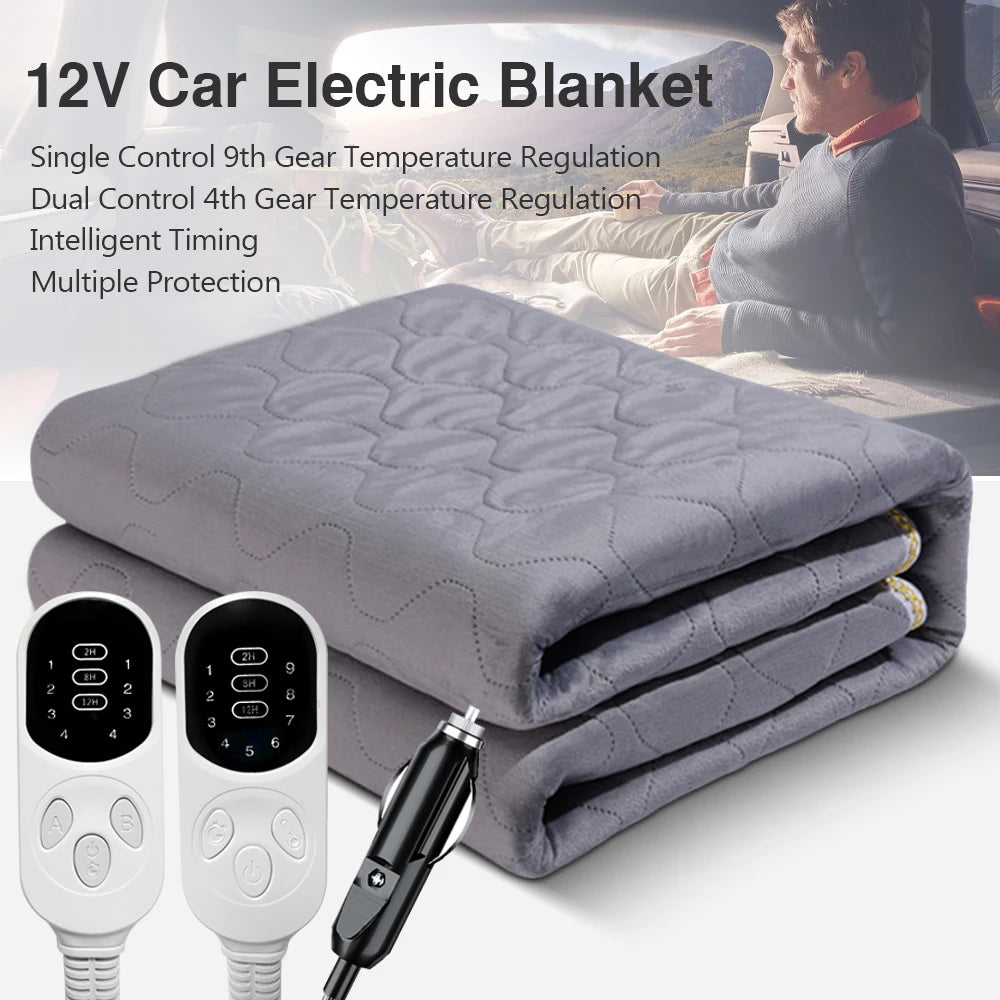
Targeted warmth beats blasting the heater. See it in action.
Key Benefits Drivers Notice Immediately
- Provides faster personal warmth than waiting for the entire cabin to heat up.
- Delivers consistent heat directly to your legs and torso.
- Helps improve comfort on long-distance winter journeys.
- May reduce the need to keep the cabin heater at maximum output once you're comfortable.
When They’re Most Useful (Driving vs Stranded)
Heated blankets are most useful while driving with the engine running and the vehicle's electrical system supplying power. They can also provide added comfort during short stops, but they should be viewed as a supplemental warming tool rather than an emergency survival solution. Always follow the manufacturer's instructions and avoid prolonged use if the vehicle is not running to help protect the battery.
Compare Safe Ways to Stay Warm in a Car
Different warming methods serve different purposes. The safest approach is usually to combine several strategies instead of relying on a single heat source.
| Warmth Method | Warmth Level | Power Required | Best Used For | Safety Notes |
|---|---|---|---|---|
| Vehicle heater | High | Engine running | Everyday driving | Most effective after the engine reaches operating temperature. |
| Layered clothing | Moderate to High | No | All winter travel | Provides continuous insulation even outside the vehicle. |
| Blankets or sleeping bags | Moderate | No | Parked vehicles and emergencies | Excellent for retaining body heat. |
| 12V heated blanket | High | 12V vehicle outlet | Long drives and passenger comfort | Use according to manufacturer instructions while power is available. |
| Cabin insulation | Moderate | No | Cold-weather emergencies | Helps reduce heat loss through windows and drafts. |
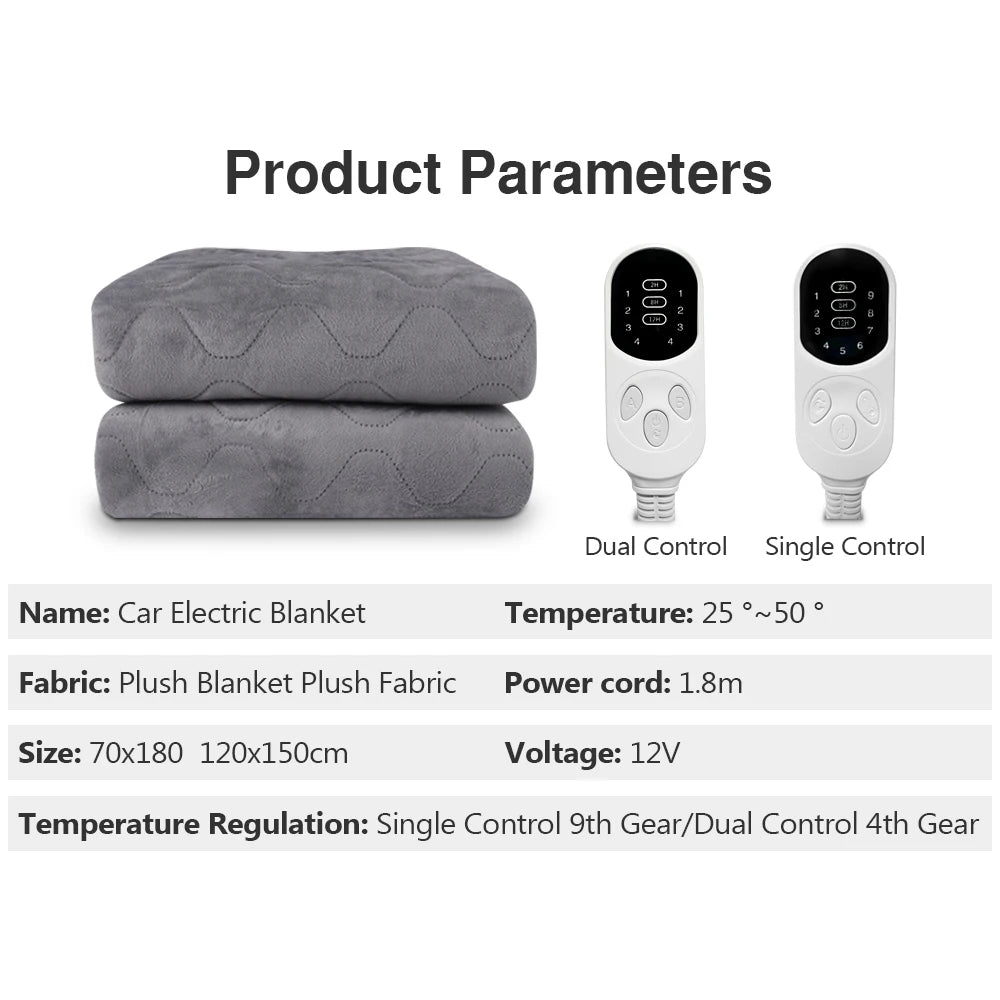
Comfort that lasts throughout every winter journey. See it in action.
Experience winter driving staying warm on your next trip
Frequently Asked Questions About Staying Warm in a Car
Why is my car cold inside even with the heater on?
Your cabin may stay cold if the engine hasn't reached operating temperature, the coolant level is low, the thermostat or heater core isn't working properly, or your vehicle is losing heat through windows, doors, and poor insulation. Using recirculation mode after the cabin begins warming and reducing drafts can help retain heat more effectively.
How long can you stay warm without heat?
There is no universal answer because it depends on outside temperature, wind chill, your clothing, available insulation, and whether you remain dry. Layered clothing, blankets, insulated sleeping bags, and minimizing heat loss can significantly extend comfort, but prolonged exposure to freezing temperatures can still become dangerous.
Is it safe to sleep in a car in winter?
It can be, provided you take proper precautions. If you run the engine for heat, make sure the exhaust pipe remains completely clear of snow, crack a window slightly for ventilation, and never idle continuously in enclosed areas. If stranded during a snowstorm, staying with your vehicle is generally safer than attempting to walk for help unless assistance is clearly visible nearby.
What is the fastest way to warm up?
Put on dry insulating layers immediately, cover your head, hands, and feet, use the vehicle heater if it is safe to do so, and wrap yourself in blankets to trap body heat. Eating a high-energy snack and drinking a warm beverage, when available, can also help your body generate heat.
Can you stay warm in a car without running the engine?
Yes. Multiple clothing layers, insulated blankets or sleeping bags, blocking drafts, covering windows with insulating materials, and using disposable hand warmers or rechargeable warming devices can help conserve body heat without consuming fuel.
How often should you run the engine if stranded in winter?
If conditions allow and the exhaust pipe is completely clear, many winter safety authorities recommend running the engine for about 10 to 15 minutes each hour to provide heat while conserving fuel. Always monitor fuel levels and maintain ventilation.
Can a heated blanket drain a car battery?
Yes. A 12V heated blanket draws power from your vehicle, so it should generally be used while the engine is running unless your vehicle manufacturer indicates otherwise. Avoid leaving powered heating devices plugged in after shutting off the engine for extended periods.
What should you do if your car heater stops working in winter?
Switch to insulating strategies immediately by adding clothing layers, using blankets, reducing drafts, and planning to have the heating system inspected. Low coolant, thermostat issues, blower motor problems, or a clogged heater core are common causes of heater failure.
How much fuel should you keep during a winter road trip?
Whenever possible, avoid letting your fuel level fall below half a tank during winter travel. Maintaining extra fuel provides a larger safety margin if traffic slows, weather worsens, or you need to periodically run the engine for warmth.
Is it safe to crack a window while sleeping in a car during winter?
If the engine is running, opening a window slightly improves ventilation and helps reduce carbon monoxide risk. It does not replace the need to keep the exhaust pipe completely free of snow, ice, or debris.
What clothing keeps you warmest inside a cold vehicle?
A moisture-wicking base layer, an insulating fleece or wool middle layer, and a wind-resistant outer layer provide the best balance of warmth and mobility. Complete the setup with warm socks, insulated gloves, and a hat to reduce heat loss from your extremities.
Should you leave your car if stranded in a snowstorm?
In most situations, no. Your vehicle offers shelter, is easier for emergency responders to locate, and provides access to supplies. Leave only if you are certain that help or a safe shelter is very close and can be reached without unnecessary risk.
Related Guide: Step-by-Step Guide to Using a Heating Blanket Dual Control













