

Do Winter Ear Coverings Really Keep Sensitive Ears Comfortable?
Yes. Well-designed winter ear coverings help reduce heat loss, block cold wind, and create a protective layer over ears that are sensitive to low temperatures. While they cannot eliminate every source of discomfort, they are one of the most effective ways to support winter ear care during daily commutes, outdoor work, exercise, and winter recreation.
Ears are especially vulnerable because they contain very little insulating fat and are constantly exposed to the environment. When temperatures drop, blood vessels narrow to conserve body heat, reducing circulation to the outer ear. This natural response can lead to aching, burning, tingling, or temporary numbness—particularly for people with ears sensitive to cold .
Learning how to keep ears warm in winter is about prevention as much as comfort. Choosing properly fitted winter ear coverings before symptoms develop can help reduce wind irritation, maintain warmth, and make outdoor activities more enjoyable.
Winter Ear Coverings for Sensitive Ears and Active Lifestyles
⏱ 8 min read — If stepping outside during colder months makes your ears ache, sting, or distract you from enjoying the moment, you’re not alone. Winter ear coverings offer practical comfort for ears sensitive to cold while supporting movement, confidence, and daily performance. This guide explains why ears react to cold weather, how to choose appropriate protection, and which features work best for different winter activities.
Curious which solution fits your routine best? Explore options designed for comfort and flexibility here: /products/winter-ear-warmers-headband
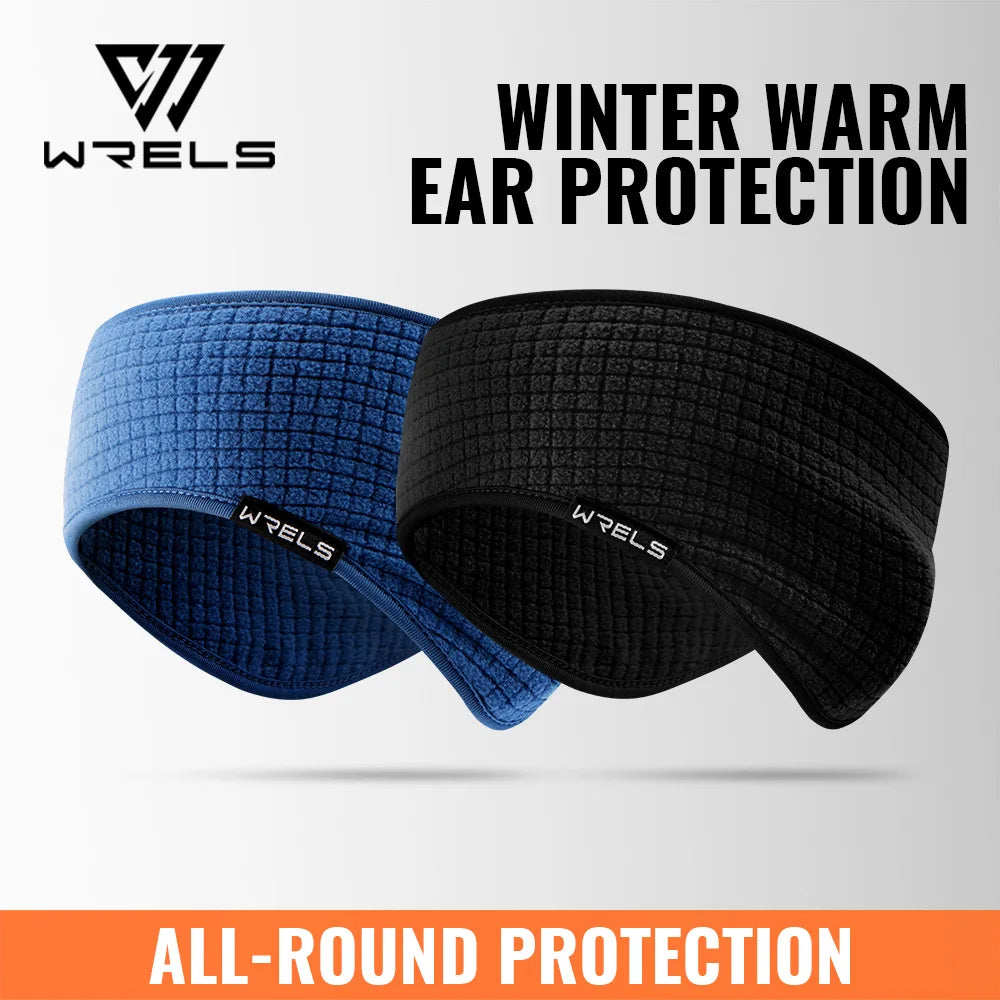
Winter ear coverings that protect ears from wind while supporting ears sensitive to cold. See it in action at /products/winter-ear-warmers-headband
Why Cold Weather Affects Your Ears
How Low Temperatures Cause Ear Pain and Sensitivity
Cold air causes small blood vessels in the outer ear to constrict, reducing circulation so the body can preserve heat for vital organs. Although this response is normal, it can leave the ears feeling painfully cold much sooner than other body parts. People with circulation concerns, frequent winter exposure, or naturally sensitive skin often notice symptoms earlier.
Common signs include:
- Sharp or aching ear pain
- Tingling or burning sensations
- Temporary numbness
- Heightened sensitivity after returning indoors
Why Wind Exposure Increases Ear Discomfort
Wind removes the thin layer of warm air surrounding the skin, making ears cool even faster. Dry winter air can also strip moisture from exposed skin, increasing irritation, flaking, and discomfort. Combining wind-resistant accessories with good winter ear care habits helps protect ears from wind while reducing unnecessary exposure.
Winter Ear Problems to Watch For
Frostbite Signs and Early Warning Symptoms
In extremely cold conditions, prolonged exposure may increase the risk of frostbite. Early warning signs include persistent numbness, pale or waxy-looking skin, and skin that feels unusually firm. As tissue begins to rewarm, significant pain or throbbing may occur.
If skin becomes white, gray, blue, or black, or sensation does not return after warming, seek prompt medical evaluation.
Cold-Related Ear Dryness and Skin Irritation
Winter weather commonly causes dry, itchy skin around the ears. Frequent exposure to cold wind, low humidity, or rough fabrics can worsen irritation. Soft fleece or moisture-managing materials are often more comfortable than coarse fabrics for prolonged wear.
When Ear Pain Requires Medical Attention
Normal cold discomfort usually improves after gradual warming indoors. However, consult a healthcare professional if ear pain is severe, persists after warming, is accompanied by swelling, drainage, hearing changes, fever, or follows suspected frostbite.
Why Choosing the Right Winter Ear Coverings Instantly Improves Comfort
Not all winter ear coverings provide the same level of protection. The ideal option depends on temperature, wind exposure, activity level, and whether you'll be wearing a helmet or hat.
- Running: Lightweight, breathable, moisture-wicking fabrics that stay secure during movement.
- Skiing and snowboarding: Wind-resistant, insulated, helmet-compatible designs.
- Walking or commuting: Soft, full-ear coverage that balances warmth with comfort.
Selecting the appropriate combination of insulation, breathability, and fit helps reduce unnecessary pressure while keeping ears comfortably warm throughout winter.
How to Protect Your Ears During Winter Activities
Cold Weather Ear Protection for Running and Cycling
Active outdoor exercise generates body heat, but ears often remain exposed to cold wind. Lightweight ear warmers with moisture-wicking fabrics help maintain warmth while allowing excess heat to escape, reducing sweat buildup during longer workouts.
Protecting Ears During Skiing and Outdoor Work
Long periods outdoors increase exposure to freezing temperatures and strong winds. Choose windproof ear warmers or helmet-compatible designs that maintain full coverage without interfering with safety equipment. Layering with insulated hats may provide additional protection during severe weather.
Winter Ear Care for Children and Older Adults
Children lose heat more quickly because of their smaller body size, while older adults may have reduced circulation. Both groups benefit from checking ear coverage regularly, replacing damp accessories promptly, and limiting prolonged exposure during extreme cold.
Popular Winter Ear Covering Styles Compared
- Earmuffs: Excellent insulation for casual wear and commuting but may interfere with helmets.
- Ear warmers and winter headbands: Lightweight, breathable, and ideal for runners, walkers, and cyclists.
- Hat-integrated ear coverings: Provide full head warmth but may feel warmer during high-intensity activities.
Windproof Ear Warmers for Active Use
Windproof ear warmers combine insulating materials with protective outer fabrics that reduce cold airflow without excessive bulk. They're especially useful for winter running, hiking, cross-country skiing, cycling, and other activities where both movement and weather protection matter.
Material and Fit: Choosing Comfortable Winter Ear Protection
Material selection influences warmth, breathability, and long-term comfort.
- Fleece: Soft, insulating, moisture-managing, and comfortable against sensitive skin.
- Thermal performance fabrics: Retain warmth while remaining lightweight.
- Windproof outer layers: Reduce chilling from strong gusts.
- Stretch fabrics: Help maintain secure positioning without creating uncomfortable pressure points.
A proper fit should completely cover the ears while remaining comfortable during movement. Accessories that are too tight may create pressure, while loose designs can shift and expose skin to cold air. Regular washing also helps remove sweat, oils, and debris that can irritate sensitive skin.
Learn practical styling and comfort tips for everyday use — see how adaptable designs integrate into routines here: /products/winter-ear-warmers-headband
Winter Ear Care Tips for Hearing Aid Users
Cold weather can affect hearing aid batteries and increase condensation when moving between outdoor and indoor environments. Wearing appropriately fitted winter ear coverings helps shield hearing devices from direct wind while reducing rapid temperature changes.
Allow hearing aids to dry thoroughly if moisture develops, replace batteries as needed during cold weather, and avoid covering devices with overly tight accessories that may interfere with comfort or positioning.
How to Wear Winter Ear Coverings for Maximum Comfort
- Position the covering so both ears are fully protected.
- Adjust for a snug but comfortable fit without excessive pressure.
- Avoid trapping too much heat during vigorous exercise by choosing breathable materials.
- Replace damp accessories after heavy sweating or snowfall.
- Wash according to manufacturer instructions and allow complete drying before storage.
- Store flat to help maintain elasticity and shape.
Proper positioning, routine cleaning, and moisture management help winter ear coverings remain comfortable throughout the season.
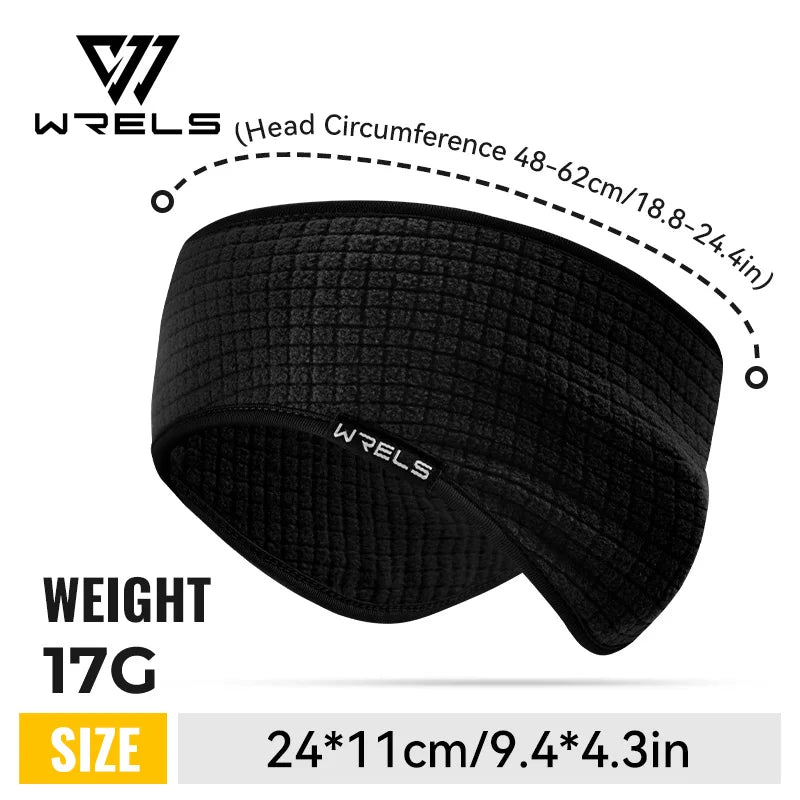
Cold weather ear protection for ears sensitive to cold that protect ears from wind — explore details now at /products/winter-ear-warmers-headband
Best Lightweight Ear Warmers for Active Lifestyles
The best ear protection for cold weather balances insulation, breathability, and stability during movement. Lightweight windproof ear warmers are particularly well suited for:
- Running and jogging
- Cycling and hiking
- Skiing and snowboarding under helmets
- Walking, commuting, and everyday winter errands
Look for moisture-wicking fabrics, wind-resistant construction, soft inner linings, and a secure fit that stays comfortable throughout changing weather conditions.

Winter ear coverings offering cold weather ear protection for ears sensitive to cold — Try yours today at /products/winter-ear-warmers-headband
Secure yours today and stay ready for colder days ahead — availability may fluctuate: /products/winter-ear-warmers-headband
Winter Ear Care Checklist
- Cover your ears before heading outdoors.
- Choose wind-resistant protection on especially windy days.
- Keep ear coverings dry and replace damp accessories promptly.
- Warm ears gradually after returning indoors.
- Watch for persistent numbness, color changes, or severe pain.
- Use soft, breathable materials if your skin is easily irritated.
- Combine ear coverings with hats during extreme cold for added protection.
FAQ
Why do my ears hurt when it is cold outside?
Cold temperatures reduce blood flow to the outer ear, while wind speeds heat loss. This combination may cause aching, burning, tingling, or temporary numbness until circulation improves after warming.
How do I keep my ears warm in winter without overheating?
Choose breathable, moisture-wicking ear warmers that provide insulation while allowing excess heat to escape during physical activity. Adjust layers according to your activity level.
Can cold weather damage your ears?
Prolonged exposure to severe cold can contribute to frostbite or skin damage. Most mild discomfort resolves after warming, but persistent numbness, skin discoloration, or severe pain should be medically evaluated.
Are earmuffs better than winter headbands for sensitive ears?
It depends on your activity. Earmuffs generally provide greater insulation for casual wear, while winter headbands and ear warmers offer better breathability and compatibility with helmets during exercise.
When should I see a doctor for winter ear pain?
Seek medical care if ear pain continues after warming, if you notice significant swelling, drainage, hearing loss, fever, or symptoms consistent with frostbite such as persistent numbness or skin color changes.













