

Winter Car Batteries Tested: Why They Fail in Cold Weather and How to Avoid Being Stranded
⏱ 8 min read — Winter mornings are one of the toughest tests for any vehicle. If your engine won't crank on a freezing day, the problem often isn't the temperature alone—it's a battery that was already losing strength. Understanding how winter affects battery performance, how to diagnose problems correctly, and how to prepare before temperatures drop can help you avoid unexpected breakdowns.
View the emergency car jump starter drivers rely on
Do winter car batteries really fail faster in cold weather?
Yes—but cold weather doesn't automatically ruin a healthy battery. Instead, freezing temperatures reduce the battery's ability to deliver power while simultaneously increasing the amount of power your engine needs to start.
This is why many drivers believe cold weather kills car batteries . In reality, winter usually exposes batteries that are already weakened by age, repeated deep discharges, corrosion, or inadequate charging.
Battery performance changes dramatically with temperature:
- Mild weather (50–80°F / 10–27°C): Batteries typically deliver close to full rated capacity.
- Freezing temperatures (32°F / 0°C): Available starting power begins to decrease noticeably.
- Extreme cold (0°F / -18°C): Many batteries can lose up to half of their available cranking power while the engine requires even more energy to start.
Cold weather by itself usually doesn't permanently damage a battery. However, if a weak battery repeatedly becomes fully discharged during winter, its lifespan can shorten significantly.
How Cold Weather Affects Your Car Battery and Engine Starting
Why Battery Power Drops in Freezing Temperatures
A standard lead-acid battery produces electricity through a chemical reaction between lead plates and sulfuric acid. As temperatures fall, these chemical reactions slow down, reducing the amount of electrical current the battery can deliver.
This is why a car battery dead in cold weather often surprises drivers. The battery may have started the vehicle normally during warmer days but no longer has enough available current once temperatures plunge.
Winter car batteries under freezing conditions demonstrate how available starting power decreases as temperatures fall.
Why Engines Need More Power in Winter
At the same time your battery produces less power, your engine demands more.
- Engine oil becomes thicker in cold temperatures, increasing resistance.
- Internal engine components require greater cranking force.
- Cabin heaters, defrosters, heated seats, and lighting increase electrical demand.
- Modern vehicles continue supplying power to computers and security systems even while parked.
This combination explains why a car won't start in cold weather because of the battery even when it seemed fine only a few days earlier.
Common Reasons Your Car Battery Dies in Winter
Winter weather often reveals an existing problem rather than creating one. Identifying the root cause helps prevent unnecessary battery replacement.
Old or Weak Battery
Most automotive batteries last approximately three to five years depending on climate, driving habits, and maintenance. As batteries age, they lose their ability to hold a full charge and deliver high cold-cranking current.
Short Trips and Low Charging
Frequent short drives may not allow the alternator enough time to fully recharge the battery after starting the engine. Repeated partial charging gradually weakens battery performance throughout winter.
Hidden Electrical Drains
Interior lights, dash cameras, faulty accessories, or electrical faults can slowly drain the battery overnight. If the alternator is also underperforming, the battery may never recover to full charge.
Early Signs Your Car Battery Is Weak Before Winter Failure
Recognizing signs of a weak car battery in winter gives you time to test or replace it before becoming stranded.
- Slow engine cranking: The starter turns noticeably slower than normal.
- Repeated clicking: The starter solenoid clicks without enough battery power to crank the engine.
- Dim headlights: Lights fade while starting.
- Dashboard battery warning: Charging system or battery warning lights remain illuminated.
- Needing repeated jump starts: A battery requiring frequent boosts usually needs inspection rather than another jump.
If multiple symptoms appear together, testing battery voltage before winter arrives is usually the safest approach.
How to Diagnose a Dead or Weak Car Battery in Winter
Quick Battery Inspection Checklist
- Inspect battery terminals for corrosion or loose connections.
- Check for swollen battery casing or visible damage.
- Measure resting voltage with a multimeter after the vehicle has been parked.
- If available, perform a battery load test to verify cold-cranking performance.
- Review battery age—units older than four years deserve closer inspection before winter.
Battery vs Alternator: How to Tell the Difference
Not every winter starting problem is caused by the battery.
| Symptom | Likely Cause | Recommended Action |
|---|---|---|
| Engine starts after a jump but dies again overnight | Weak battery | Test battery health and capacity |
| Battery repeatedly loses charge while driving | Charging system issue | Inspect alternator output |
| Lights dim while driving | Alternator or electrical fault | Check charging voltage |
| No crank after sitting several days | Battery drain or parasitic load | Inspect for electrical drains |
Diagnosing the actual cause prevents replacing a battery when the charging system is responsible.
How an Emergency Jump Starter Helps When Your Battery Dies in Winter
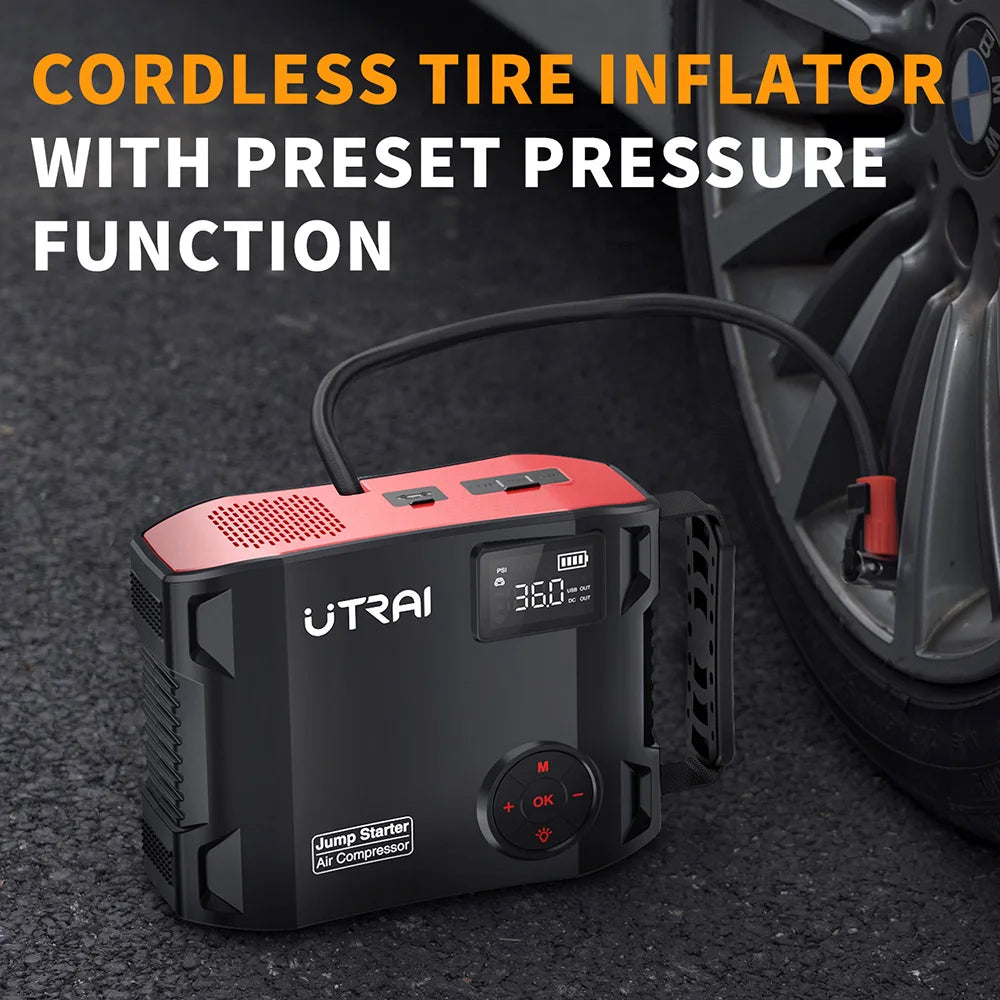
A portable emergency jump starter provides temporary starting power without requiring another vehicle. While it doesn't repair a failing battery, it can help you restart your vehicle safely and reach a repair facility.

Portable backup power can help restart a vehicle when winter battery performance suddenly drops.
When to Use a Jump Starter
- Battery unexpectedly loses starting power after an overnight freeze.
- You are parked where another vehicle isn't available.
- You need a temporary start before testing or replacing the battery.
- Emergency roadside assistance would take significant time to arrive.
Jump Starter Safety Tips in Cold Weather
- Follow the manufacturer's connection sequence carefully.
- Ensure positive and negative clamps are connected correctly.
- Allow the battery to recharge by driving or using an appropriate charger after starting.
- Remember that repeated jump starts indicate an underlying battery or charging problem that needs diagnosis.
Many modern jump starters also include USB charging capabilities and emergency lighting, making them useful additions to a winter emergency kit. Pairing winter preparedness with smart lifestyle upgrades—like those found in the Lifestyle collection—helps keep daily routines smooth even in harsh seasons.
Secure your emergency car jump starter today

A portable jump starter provides added confidence during freezing winter mornings.
How to Prevent Your Car Battery from Dying in Winter
Keep Your Battery Charged
- Test battery health before winter begins.
- Drive long enough for the alternator to fully recharge the battery.
- Use a maintenance charger if the vehicle sits unused for extended periods.
Protect Your Battery from Extreme Cold
- Park inside a garage whenever possible.
- Use a battery blanket or insulated battery wrap in severe climates.
- Keep battery terminals clean to reduce resistance.
Adjust Winter Driving Habits
- Reduce unnecessary electrical loads before shutting off the engine.
- Combine short trips into longer drives whenever practical.
- Inspect the charging system during routine vehicle maintenance.
- Have batteries older than three years tested annually before freezing weather.
These preventative habits greatly reduce the likelihood of winter battery problems.
Winter Car Battery FAQ
Does winter drain car battery life permanently?
Cold temperatures alone usually do not permanently damage a healthy battery. However, repeated deep discharges during winter accelerate wear and shorten battery lifespan.
Why was my car battery suddenly dead overnight?
Cold weather reduces available battery capacity while increasing engine starting demands. Existing battery weakness or a small electrical drain may only become obvious after a freezing night.
Can cold weather damage a new car battery?
A properly charged new battery should perform well in winter. Extremely low temperatures temporarily reduce available power but normally do not cause permanent damage.
How do I keep my car battery warm in winter?
Parking in a garage, using an insulated battery blanket, minimizing unnecessary electrical loads, and keeping the battery fully charged all improve cold-weather performance.
When should I replace my car battery before winter?
If your battery is approaching four to five years old or load testing shows declining capacity, replacing it before winter is often more reliable than waiting for a failure during freezing weather.
Quick Winter Battery Troubleshooting Checklist
- Engine cranks slowly? ✅ Test battery voltage
- Clicking noise only? ✅ Battery may be discharged—test before replacing.
- Headlights dim while starting? ✅ Inspect battery terminals and voltage.
- Battery older than four years? ✅ Schedule professional testing.
- Vehicle repeatedly needs jump starts? ✅ Inspect both battery and alternator.
- Car parked in extreme cold? ✅ Consider insulated battery protection.
Best Car Battery Options for Winter Conditions
Rather than focusing solely on brand names, choose a battery that matches your vehicle's manufacturer specifications and climate. The most important specifications include:
- Cold Cranking Amps (CCA): Higher CCA ratings generally provide stronger cold-weather starting performance.
- Battery type: AGM batteries often perform better under heavy electrical loads and repeated winter starts than conventional flooded batteries.
- Correct size: Always install the battery group size recommended for your vehicle.
- Fresh manufacturing date: A newer battery typically provides better long-term reliability.
| Battery Model | CCA | Typical Strength |
|---|---|---|
| Optima RedTop | 800 | High cold-weather starting performance and frequent short-trip driving |
| ACDelco Advantage | 700 | Balanced all-season reliability |
| DieHard Gold | 720 | Solid combination of winter performance and value |
Regardless of brand, proper maintenance, regular testing, and choosing an appropriate CCA rating have a greater impact on winter reliability than brand name alone.
Related Guide: Portable Jump Starter With Power Bank Review: Worth It













