Winter Ear Warmers for Men: Best Options for Cold, Wind & Everyday Use
Winter ear warmers for men are often underestimated, yet they can completely change how you experience cold mornings, windy commutes, and outdoor workouts. Instead of enduring stinging ears, headaches, or bulky winter hats, the right ear warmers offer targeted warmth, comfort, and freedom of movement without overheating or flattening your hair.
⏱ 7 min read
Best Earmuffs for Cold Weather 2026: Editor's Top Picks
If you're shopping for the best earmuffs for cold weather 2026 , focus on warmth, wind protection, comfort, and the activities you enjoy most. While many people use the terms earmuffs and ear warmers interchangeably, lightweight winter ear warmers remain the preferred choice for everyday mobility.
- Best Overall: Windproof fleece ear warmers that balance warmth, breathability, and everyday comfort.
- Best Budget: Stretch fleece models offering reliable protection for commuting and casual walks.
- Best Premium: Multi-layer insulated earmuffs with advanced wind-blocking shells for harsh winter climates.
- Best Sport Pick: Moisture-wicking ear warmers that stay secure during running, hiking, and cycling.
Quick Comparison Table
| Style | Warmth | Windproof | Material | Foldable | Best Use |
|---|---|---|---|---|---|
| Fleece Ear Warmers | ★★★★☆ | ★★★☆☆ | Fleece | Yes | Daily commuting |
| Windproof Ear Warmers | ★★★★★ | ★★★★★ | Fleece + windproof shell | Some models | Cold windy days |
| Thermal Earmuffs | ★★★★★ | ★★★★☆ | Thermal insulation | Often | Extreme winter |
| Sport Ear Warmers | ★★★★☆ | ★★★★☆ | Performance fabric | Yes | Running & cycling |
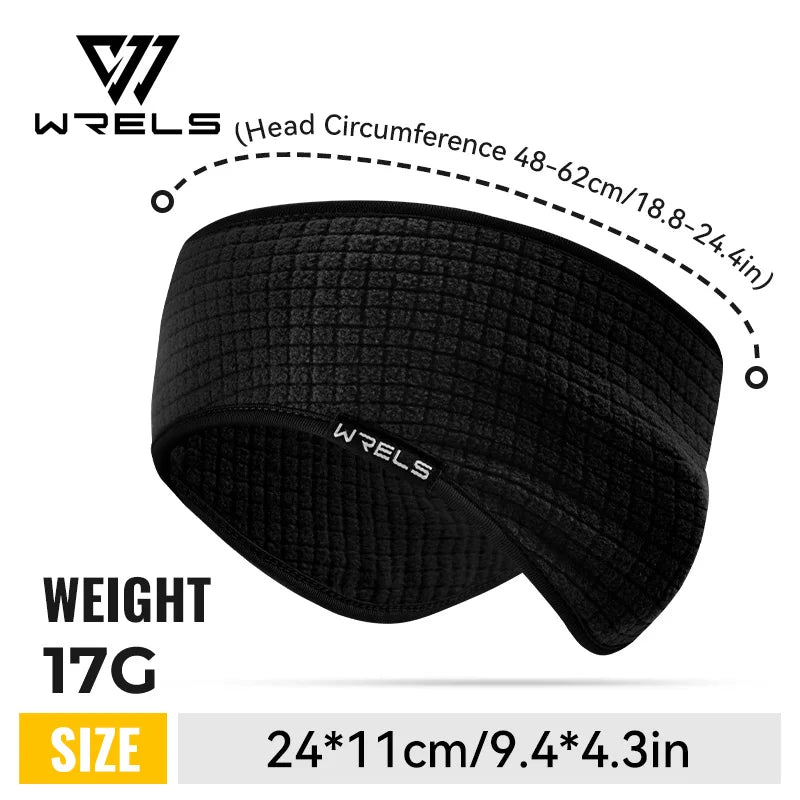
Winter ear warmers for men designed to protect ears from wind. See it in action.
How We Tested and Rated These Earmuffs
Testing Criteria
Recommendations were evaluated using common cold-weather conditions including windy commutes, outdoor walks, winter running, and below-freezing temperatures. We focused on wind resistance, thermal insulation, comfort during extended wear, durability, breathability, and packability.
Scoring System
Each style was assessed across five categories:
- Warmth retention
- Wind resistance
- Comfort and fit
- Portability and foldability
- Long-term durability
Why Cold Weather Earmuffs Matter
Your ears lose heat quickly because they contain very little insulating fat and remain fully exposed to cold air. Effective cold weather ear protection helps reduce discomfort, maintain body warmth, and improve concentration during outdoor activities.
Compared with bulky hats, quality ear warmers deliver targeted insulation while preventing overheating. They also pair well with helmets, glasses, and winter jackets, making them practical for commuting, hiking, and exercise.
Ear Muffs vs Ear Warmers: Which Is Better?
Key Differences
- Ear Warmers: Flexible, lightweight, breathable, and designed for active movement.
- Ear Muffs: Larger insulated cups that maximize warmth during prolonged exposure.
Best Choice by Activity
Running, cycling, hiking, and commuting generally benefit from slim ear warmers. Static activities like spectating outdoor sports or waiting in freezing temperatures often favor insulated earmuffs.
When to Choose Each
If mobility, helmet compatibility, and low bulk matter most, choose winter ear warmers. If maximum insulation is your priority in severe cold, insulated earmuffs are typically the better option.
Do Ear Warmers Work in Wind?
Yes. High-quality windproof ear warmers can significantly reduce cold airflow reaching the ears, helping maintain warmth even during strong gusts.
How Windproof Designs Retain Heat
Modern designs combine insulating fleece with tightly woven outer fabrics that reduce convective heat loss while trapping warm air close to the skin.
Ear Warmers vs Hats in Strong Wind
Winter hats warm the entire head but may become too hot during exercise. Ear warmers provide focused protection while allowing excess body heat to escape. During extreme wind chill, combining both provides the best overall protection.
Best Earmuffs by Activity
Best for Commuting
Choose foldable fleece ear warmers that fit easily into a backpack or coat pocket while blocking icy wind.
Look for lightweight moisture-wicking fabrics with secure stretch construction that won't slip during movement.
Best for Skiing
Low-profile windproof models fit comfortably beneath helmets while protecting ears on chairlifts and exposed slopes.
Best for Hiking and Walking
Thermal fleece designs provide an excellent balance between insulation and breathability over longer distances.
Best for Travel
Foldable earmuffs or compact behind-the-head ear warmers save luggage space without sacrificing warmth.
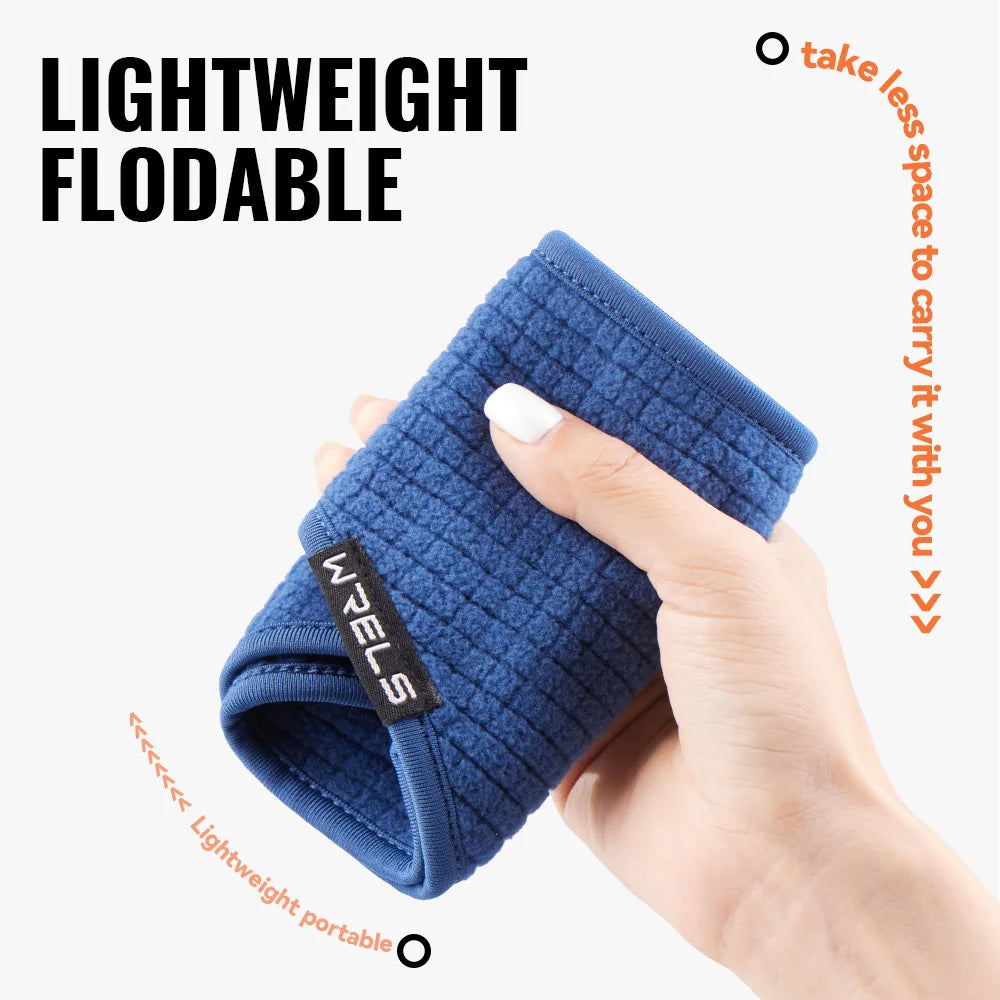
Cold weather ear protection without bulk. See it in action.
What Makes the Best Cold Weather Earmuffs?
Fleece vs Wool
Fleece dries faster and remains lightweight, while wool naturally regulates temperature and continues insulating even when slightly damp.
Faux Fur vs Thermal Insulation
Faux fur delivers plush comfort, whereas technical thermal insulation provides greater warmth with less bulk.
Windproof Shells
An outer wind-resistant layer dramatically improves performance during exposed winter conditions.
Moisture Management
Performance fabrics wick sweat away from the skin, preventing dampness that can increase heat loss during exercise.
Comfort and Fit Guide
Behind-the-Head vs Over-the-Head
Behind-the-head designs work well with hats and helmets, while over-the-head styles often provide a more familiar fit.
Foldable Designs
Foldable earmuffs are convenient for travel and daily commuting without compromising insulation.
All-Day Comfort
- Soft fleece lining minimizes irritation.
- Stretch construction accommodates different head sizes.
- Slim profiles work with glasses and many helmet styles.
- Lightweight materials reduce pressure during prolonged wear.
Temperature Guide: Which Earmuffs for Your Climate?
Mild Winter
Light fleece ear warmers are typically sufficient for temperatures above freezing with minimal wind.
Freezing Conditions
Choose windproof insulated ear warmers that combine fleece interiors with weather-resistant outer fabrics.
Extreme Wind Chill
Layer ear warmers beneath a hood or insulated hat when temperatures fall well below freezing or winds become severe.

Protect ears from wind anywhere. See it in action.
How to Choose the Right Winter Earmuffs
- Select insulation appropriate for your local climate.
- Match the style to your primary activity.
- Look for breathable materials if you'll exercise.
- Prioritize a secure but comfortable fit.
- Choose the best balance between performance and budget.
Many shoppers also browse related cold-weather essentials including winter jackets and heated clothing, winter gloves and hand warmers, cold weather running gear, ski and snow accessories, and winter commuting essentials to build a complete winter outfit.
Care, Cleaning and Storage
- Hand wash or machine wash fleece on a gentle cycle according to the care label.
- Air dry whenever possible to preserve elasticity and insulation.
- Avoid high heat that may damage technical fabrics.
- Store clean and dry during warmer months to prevent odors and maintain loft.
What Real Users Are Saying
- Commuters consistently praise improved comfort during windy morning travel.
- Runners appreciate secure fits that stay in place without trapping excessive heat.
- Many users report fewer cold-induced headaches after switching from thin hats alone.
- Long-term owners frequently mention durable stitching and reliable insulation after multiple seasons.
Frequently Asked Questions
What are the best earmuffs for cold weather in 2026?
The best models combine windproof outer materials, soft insulation, comfortable fit, and enough breathability for your intended activity.
Are earmuffs warmer than ear warmers?
Traditional insulated earmuffs generally provide more warmth, while ear warmers offer better mobility and ventilation during active use.
Do ear warmers really block cold wind?
Yes. Windproof designs substantially reduce airflow over the ears and help retain body heat in cold weather.
What material keeps ears warm the longest?
Multi-layer thermal insulation paired with a wind-resistant shell offers the highest overall warmth. Fleece remains an excellent balance of comfort and breathability.
Can you wear earmuffs while running?
Yes. Lightweight sport ear warmers or low-profile earmuffs are designed specifically for running and other aerobic activities.
Which earmuffs work best with glasses?
Slim, flexible designs with soft padding reduce pressure against eyeglass arms and improve long-term comfort.
Are foldable earmuffs as warm as regular ones?
Many quality foldable models provide similar insulation while offering greater portability for travel and commuting.
How do I wash fleece earmuffs?
Follow the manufacturer's instructions. Most fleece models can be washed on a gentle cycle with mild detergent and then air dried to maintain their shape and insulation.