

Does a winter heated apparel power bank really keep you warm all day?
Short answer: Yes—if you choose a heated apparel power bank that matches your garment's voltage requirements and has enough battery capacity for your intended use. A quality power bank for heated clothing can provide consistent warmth throughout a workday, commute, or outdoor activity, but actual runtime depends on battery size, heat setting, ambient temperature, and the efficiency of your heated gear.
Cold weather naturally reduces lithium battery performance, so expect shorter runtimes in freezing conditions than under mild temperatures. The detailed runtime charts, compatibility guide, and buying recommendations below explain how to maximize battery life while keeping your heated clothing operating safely.
Heated Apparel Power Bank: Best Options, Compatibility & Buying Guide (2026)
Cold mornings, icy commutes, and long outdoor hours can quickly drain both your body heat and your gear. The real performance of heated clothing doesn't come from the jacket itself—it comes from the power source behind it. Choosing the best power bank for heated apparel ensures consistent warmth, reliable runtime, and fewer interruptions whether you're commuting, working outdoors, hiking, or traveling.
⏱ 8 min read
What Is a Heated Apparel Power Bank?
A heated apparel power bank is a rechargeable battery designed to supply stable electrical power to heated jackets, heated vests, gloves, pants, socks, and other heated clothing. Unlike ordinary phone charging, heated garments place a continuous load on the battery, making output stability and compatibility just as important as battery capacity.
How it differs from a standard USB power bank
Many heated vests operate using standard 5V USB power banks, but not every USB battery is suitable. A quality heated jacket battery pack delivers consistent current over long periods without frequent voltage drops or overheating. Models with USB-C fast charging also recharge more quickly between uses.
- 5V USB power banks: Common for heated vests and entry-level heated jackets.
- 7.4V DC battery packs: Often used by premium heated jackets and gloves.
- 12V battery systems: Designed for higher-output heated apparel and specialty outdoor gear.
- Proprietary battery packs: Brand-specific systems that cannot always be replaced with universal power banks.
How heated apparel power systems work
Heating elements sewn into the garment convert electrical energy into heat. The battery management system regulates power delivery while the clothing's controller adjusts temperature settings. Choosing the correct heated apparel power bank helps maintain stable heating, protects the electronics, and extends battery lifespan.
Best Heated Apparel Power Banks (Tested & Compared)
Choosing the best power bank for heated apparel depends on connector compatibility, voltage requirements, battery capacity, and how long you need continuous warmth. Rather than focusing on the largest battery available, match the power bank to your heated clothing and typical winter activities.
Quick Comparison Table (Capacity, Voltage, Runtime)
| Capacity | Voltage | Best Use | Estimated Runtime |
|---|---|---|---|
| 10,000mAh | 5V USB | Heated vests | 3–5 hours |
| 20,000mAh | 5V USB | Heated jackets | 5–8 hours |
| 7.4V / 12V DC | DC Output | Gloves, premium gear | 4–8 hours |
| 30,000mAh+ | Mixed | Outdoor use | 8–12+ hours |
Best Overall Power Bank for Heated Clothing
A 20,000mAh USB-C power bank with stable 5V/3A output offers the best balance between runtime, portability, charging speed, and compatibility. It comfortably powers most heated vests and many USB-powered heated jackets throughout a typical workday.
Best Budget Heated Jacket Battery Pack
Compact 10,000mAh batteries remain an excellent option for commuters or casual users who only need warmth during morning and evening travel. They're lighter, easier to carry, and recharge quickly.
Best High-Capacity Power Bank for Long Outdoor Use
For skiing, hunting, hiking, camping, or field work, batteries with 30,000mAh or greater capacity deliver significantly longer heating times, though they add extra weight to pockets or backpacks.
Best DC Output Power Bank for Heated Gear
Premium heated gloves, jackets, and motorcycle apparel often require dedicated 7.4V or 12V DC battery systems. Always verify connector type and voltage before purchasing a replacement heated clothing battery.
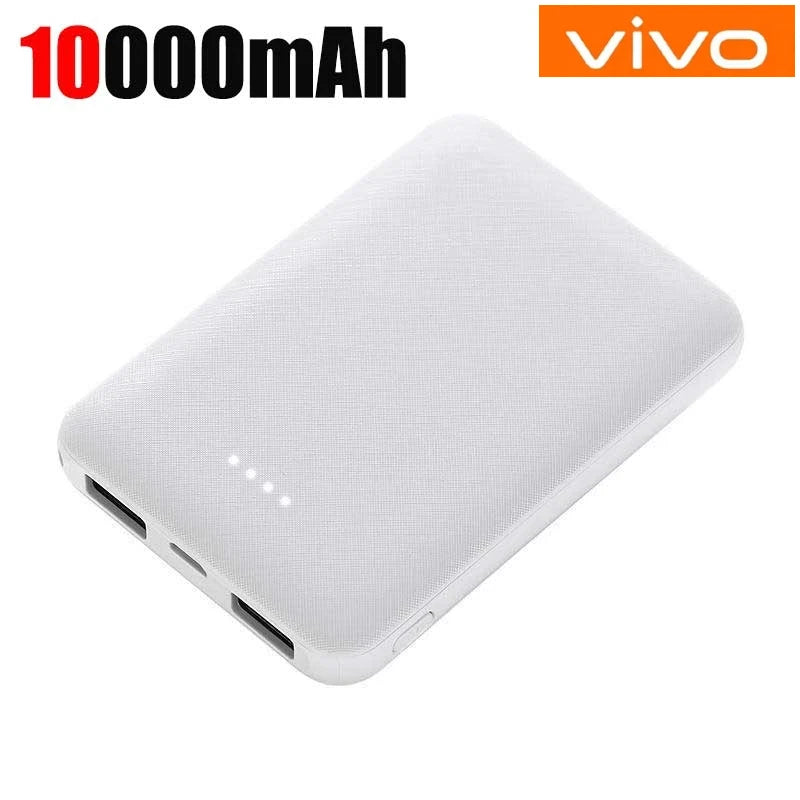
Lightweight warmth starts with the right heated gear power source See it in action
Compatibility Guide: USB vs DC vs Proprietary Connectors
Not every power bank works with every heated garment. Checking voltage, connector type, and manufacturer recommendations helps prevent poor performance or accidental damage.
USB Heated Clothing (5V Systems)
Most heated vests and many heated hoodies use standard 5V USB power banks. They offer the greatest flexibility because replacement batteries are widely available.
DC Output Heated Gear (7.4V / 12V Systems)
Many premium heated jackets, gloves, socks, and motorcycle garments require dedicated DC battery packs. These systems generate higher heat levels but demand precise voltage matching.
Brand-Specific Battery Packs (When You Can't Swap)
Some manufacturers use proprietary connectors or battery management systems that only accept official battery packs. Before purchasing a heated clothing battery replacement, verify both connector shape and electrical specifications.
Compatibility chart by garment type
| Garment | Typical Power | Recommended Battery |
|---|---|---|
| Heated vest | 5V USB | 10,000–20,000mAh USB power bank |
| Heated jacket | 5V USB or 7.4V DC | Match manufacturer specifications |
| Heated gloves | 7.4V DC | Dedicated DC battery pack |
| Heated socks | Proprietary or DC | Brand-approved battery |
Voltage, Amperage & Wattage Explained (Avoid Damage)
Using the wrong battery can reduce heating performance or potentially damage heated clothing. Understanding three basic electrical specifications helps you choose safely.
Matching Voltage Safely
Always match the battery voltage to your garment. A 5V heated vest should only use a compatible 5V power bank, while a 7.4V heated jacket requires the correct DC battery pack.
How Amps Affect Heating Performance
Higher available current allows heating elements to maintain their designed output. For many USB heated garments, a 5V/3A power bank performs more consistently than a lower-output alternative.
Why Wrong Power Banks Fail or Overheat
Incorrect voltage, unstable output, or poor-quality battery cells may cause reduced heating, automatic shutdowns, charging errors, or overheating. Following manufacturer specifications remains the safest approach.
How Long Will a Heated Gear Power Bank Last? (Runtime Examples)
Actual runtime depends on battery capacity, garment efficiency, heat setting, and outside temperature.
Battery capacity (mAh vs Wh) explained
Milliamp-hours (mAh) measure battery capacity, while watt-hours (Wh) provide a more accurate comparison across different voltages. Batteries with higher Wh ratings generally deliver longer operating times.
| Garment | 10,000mAh | 20,000mAh |
|---|---|---|
| Heated vest | 3–5 hours | 5–8 hours |
| Heated jacket | 2–4 hours | 4–7 hours |
Heated Vest Runtime Estimates
- Low heat: up to 8 hours with a 20,000mAh battery.
- Medium heat: approximately 5–6 hours.
- High heat: roughly 3–5 hours depending on ambient temperature.
Heated Jacket Runtime Scenarios
- Medium heat: 4–7 hours.
- High heat: 2–4 hours.
- Premium insulated jackets may extend runtime by retaining heat more efficiently.
Cold Weather Battery Performance Reality
Freezing temperatures can reduce usable battery capacity by approximately 20–40%. Carrying your heated apparel power bank inside an insulated pocket close to your body helps maintain battery temperature and improve overall runtime.
Common Battery Problems in Cold Weather
Reduced runtime
Cold temperatures slow the chemical reactions inside lithium batteries, leading to shorter heating times than the rated capacity suggests.
Charging issues
Very cold batteries may charge slowly or temporarily refuse charging until they warm up. Allow batteries to return to room temperature before recharging whenever possible.
Troubleshooting checklist
- Verify voltage compatibility.
- Inspect cables and connectors for wear.
- Fully charge the battery before extended use.
- Store batteries in insulated pockets during outdoor activities.
- Replace aging batteries that show noticeably reduced runtime.
Li-Polymer vs Li-Ion: Which Performs Better in Winter?
Both battery chemistries are common in heated apparel, but each has advantages depending on how and where you use your gear.
Key Advantages You'll Notice
- Li-Polymer: Lighter construction, improved form factor flexibility, and generally more stable performance in cold environments.
- Li-Ion: Excellent energy density and long-term value, though performance can decline more noticeably during freezing weather.
For frequent winter use, Li-Polymer battery packs often provide more consistent heating performance, especially during prolonged outdoor exposure.
How to Choose the Best Power Bank for Heated Apparel
Selecting the right heated apparel power bank means balancing compatibility, runtime, portability, safety, and travel requirements.
Capacity (mAh vs Wh)
For everyday users, 20,000mAh offers an excellent balance between battery life and portability. Heavy outdoor users may benefit from larger capacities.
Output Ports & Connectors
Confirm whether your garment requires USB-A, USB-C, 7.4V DC, 12V DC, or a proprietary connector before buying a replacement battery.
Safety Features
- Overcharge protection
- Short-circuit protection
- Temperature monitoring
- Overcurrent protection
Portability vs Power Tradeoffs
Larger batteries increase runtime but also add weight. Commuters usually prioritize compact size, while hikers and outdoor professionals often value maximum runtime.
Airline compliance
If you travel frequently, choose a battery with a clearly labeled watt-hour rating that meets airline carry-on requirements.
For users seeking a versatile option, this winter heated apparel power bank is designed to support extended use across multiple scenarios.
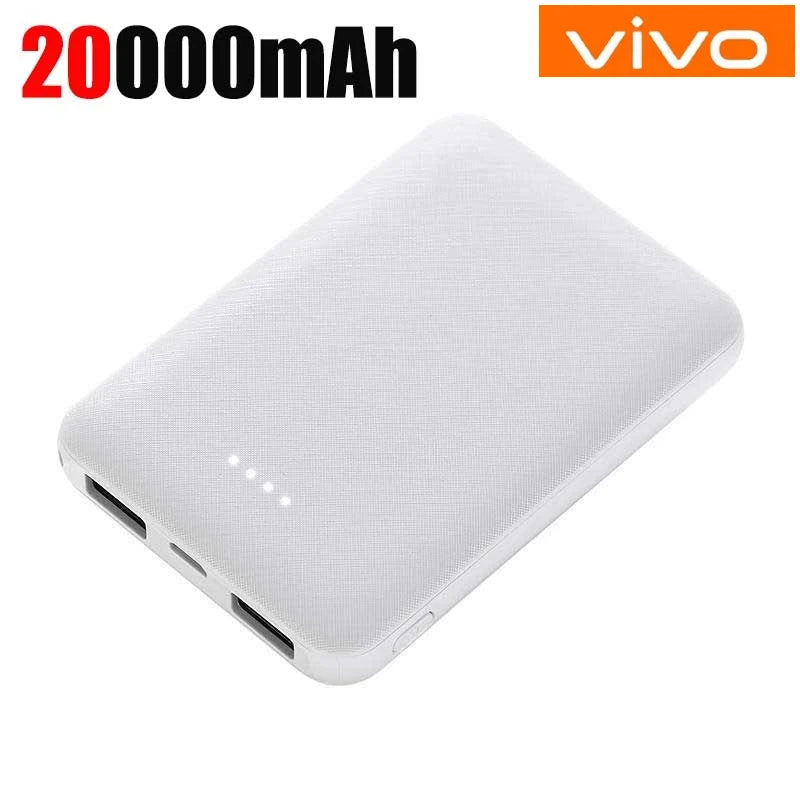
Power that keeps up with your winter routine See it in action
Charging, Battery Maintenance & Safety
Charging best practices
- Use the manufacturer's recommended charging cable and adapter.
- Avoid leaving batteries connected to chargers for extended periods after reaching full charge.
- Recharge before batteries become completely depleted whenever possible.
Storage and lifespan
Store batteries in a cool, dry location away from direct sunlight. For seasonal storage, keeping lithium batteries partially charged helps preserve long-term capacity.
Cold-weather safety precautions
Do not attempt to warm frozen batteries using direct heat sources such as heaters or open flames. Allow batteries to warm naturally before charging or extended use.
Air Travel and TSA Battery Rules
Carry-on limits
Most rechargeable lithium batteries for heated apparel should be packed in carry-on baggage rather than checked luggage.
Wh limits explained
Airlines typically base restrictions on watt-hours (Wh), not mAh. Most heated clothing power banks fall within commonly accepted carry-on limits, but always verify your airline's current policy before traveling.
Travel tips
- Carry batteries individually protected from short circuits.
- Keep terminals covered when transporting spare batteries.
- Bring charging cables in your carry-on for convenient recharging.
FAQs About Heated Clothing Power Banks
Will this power bank work with most heated clothing?
Most heated vests and many heated jackets use 5V USB batteries, but premium garments may require proprietary or DC battery systems. Always verify compatibility first.
Does cold weather reduce battery life?
Yes. Freezing temperatures commonly reduce usable battery capacity by 20–40%, making proper storage important during winter use.
Is it safe for daily use?
Yes. A quality heated apparel power bank with built-in protection features is safe when used according to the manufacturer's instructions.
Can I replace my heated clothing battery?
Many USB-powered heated garments allow replacement with compatible third-party batteries. However, garments using proprietary battery systems often require the original manufacturer's replacement battery.
Can I use any USB power bank?
No. The power bank should meet your heated clothing's voltage and current requirements while providing stable output throughout operation.
How many hours does a heated vest battery last?
A typical heated vest powered by a 20,000mAh battery runs for approximately 5–8 hours under moderate conditions, although runtime varies with temperature and heat settings.
Choosing the right heated apparel power bank isn't just about staying warm—it's about dependable performance, safe operation, and having confidence that your heated clothing will keep working when winter conditions become challenging.













