Do winter insulated coats really keep you warm in extreme cold?
Yes— winter coats with the best insulation material can keep you warm even in extreme cold, but only when three elements work together: insulation, wind protection, and moisture control. Insulation traps body heat, the outer shell blocks cold wind, and breathable design prevents sweat buildup that can make you feel colder.
The warmest insulation doesn’t always mean the thickest coat. Modern winter coat insulation focuses on heat retention efficiency , not bulk—using lightweight materials that trap warm air while allowing mobility and comfort.
Winter Coat with Best Insulation Material: Ultimate Comparison & Top Picks
Choosing a winter coat with the best insulation material shouldn’t feel like guessing. Many coats look warm but fail in real conditions due to poor insulation balance, weak wind protection, or lack of breathability. This upgraded guide explains how insulation works, compares materials, and helps you choose the right coat for your climate and lifestyle.
⏱ 8 min read
Have you ever stepped outside fully layered, only to feel cold air cutting through your coat? The issue isn’t just temperature—it’s how your coat handles insulation, wind, and moisture together.
Winter insulated coats designed for warmth and mobility See it in action
How Winter Coat Insulation Works
How insulation traps heat
Winter coat insulation works by trapping warm air in tiny pockets within the material. Your body generates heat, and insulation slows the rate at which that heat escapes. The more air a material can trap (without collapsing), the warmer it feels.
Why shell fabric blocks wind
Even the warmest insulation fails without a windproof shell. Cold air strips away heat through convection, which is why wind-resistant fabrics are essential for any insulating coat. A proper outer layer seals warmth inside.
Loft, air pockets, and warmth
Loft refers to how much space insulation creates to trap air. Higher loft equals better insulation. Down insulation excels here, while synthetic fibers maintain loft even when wet—making both valuable depending on conditions.
A winter coat is not a conductor—it acts as an insulator , reducing heat transfer and keeping your body warm.
Types of Insulation for Winter Coats
Down insulation (fill power & fill weight)
Down is widely considered the warmest insulation for winter jackets due to its exceptional warmth-to-weight ratio. Fill power (500–900+) measures loft, while fill weight determines how much insulation is used.
- Extremely warm and lightweight
- Highly compressible for travel
- Best for dry, freezing climates
- Loses performance when wet (unless treated)
Synthetic insulation
Synthetic insulation uses engineered fibers to mimic down while improving moisture resistance.
- Retains warmth when wet
- Durable and easy to maintain
- More affordable
- Slightly heavier than down
Wool insulation
Wool offers natural breathability and moisture regulation, making it ideal for everyday wear.
- Comfortable and odor-resistant
- Performs well in mild to moderate cold
- Less efficient in extreme temperatures
Hybrid insulation
Hybrid designs combine multiple insulation types to balance warmth, weight, and moisture resistance.
Down vs Synthetic vs Wool: Comparison Table
| Material | Warmth-to-Weight | Water Resistance | Compressibility | Best Use |
|---|---|---|---|---|
| Down | Excellent | Low | High | Dry, extreme cold |
| Synthetic | Good | High | Moderate | Wet, variable climates |
| Wool | Moderate | Moderate | Low | Urban / daily wear |
| Hybrid | Balanced | Balanced | Moderate | Mixed conditions |
Understanding Fill Power, Fill Weight, and Temperature Ratings
To choose the best insulation for winter jackets, you need to understand three key factors:
- Fill Power: Indicates loft and heat-trapping ability (600–700 = good, 800+ = extreme cold)
- Fill Weight: Total amount of insulation used
- Temperature Rating: Real-world estimate influenced by layering and wind protection
Higher fill power doesn’t always mean warmer—it must be paired with sufficient fill weight and proper shell design.
Warmest Winter Coats Comparison (Top Picks by Use Case)
Best for extreme cold
High-fill-power down coats (700–900+) with windproof shells deliver maximum insulation for sub-zero temperatures.
Best for wet climates
Synthetic insulated coats with waterproof shells maintain warmth in snow and rain.
Best for hiking and travel
Lightweight down or hybrid coats offer portability and efficient warmth.
Best everyday commuting
Wool blends and hybrid insulation provide comfort, breathability, and style.
Best value insulated coat
Synthetic coats often deliver the best balance of price, durability, and performance.
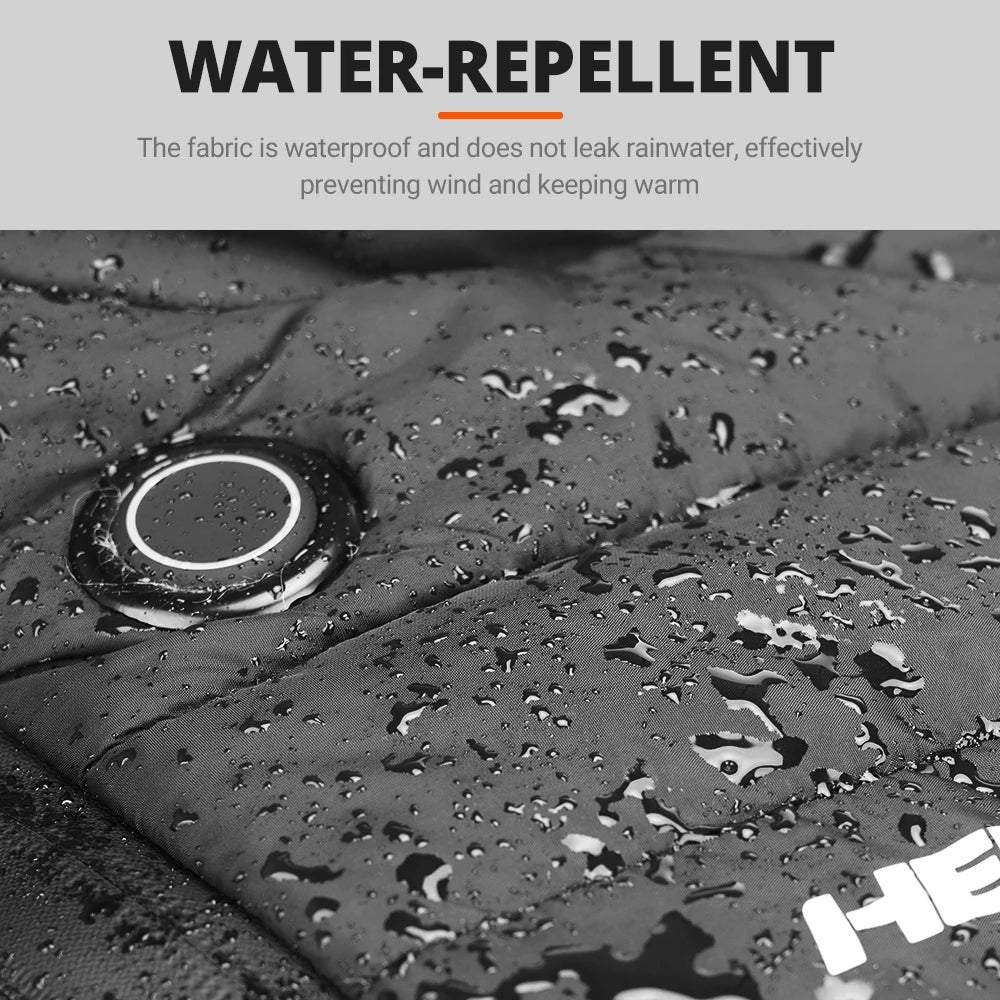
Windproof shell technology paired with insulation layer See it in action
Winter Coat Insulation Comparison Table
- Down: Warmest insulation, lightweight, best for dry cold
- Synthetic: Water-resistant, durable, versatile
- Wool: Breathable, stylish, moderate warmth
- Hybrid: Balanced performance across conditions
How to Choose an Insulated Winter Coat
Match insulation to climate
Cold, dry climates favor down, while wet or variable weather requires synthetic insulation.
Choose by activity
Active use (hiking, travel) benefits from lightweight insulation, while commuting may prioritize comfort and style.
Shell fabric and weather protection
Windproof and water-resistant shells dramatically improve insulation performance.
Fit and layering
A proper fit allows layering without restricting movement, maximizing warmth.
Budget considerations
Down is typically more expensive, while synthetic offers strong value for most users.
Care and Maintenance by Insulation Type
Down care
Wash gently with specialized detergent and dry thoroughly to restore loft. Learn more in the How to wash down jackets .
Synthetic care
Machine washable and easier to maintain, but avoid high heat to preserve fiber structure.
Storage tips
Store coats loosely in a dry place to maintain insulation loft and extend lifespan.
Confidence and warmth combined in winter insulated coats See it in action
Explore compatible cold-weather solutions in the Lifestyle collection.
For holistic winter comfort, visit Body Care and Health Devices .
Final Verdict: Which Insulation Material Is Best for You?
- Extreme cold: Choose high-fill-power down
- Wet climates: Choose synthetic insulation
- Daily use: Choose wool or hybrid
- Best value: Synthetic offers the most versatility
The best winter coat with thermal insulation is the one matched to your climate, activity, and comfort needs.
Frequently Asked Questions
Is down or synthetic insulation warmer?
Down is warmer in dry conditions due to superior loft, while synthetic performs better in wet environments.
What fill power is best for winter?
600–700 works for everyday winter, while 800+ is ideal for extreme cold.
What materials keep winter coats warm and windproof?
Insulation materials like down or synthetic trap heat, while outer shells made from nylon or polyester block wind.
Is a winter coat a conductor or insulator?
A winter coat is an insulator—it slows heat loss by trapping warm air.
How long does insulation last?
High-quality insulation can last 5–10 years or more with proper care and storage.