

What Is the Best Winter Layering Guide to Stay Warm Step by Step?
A winter layering guide helps you stay warm by following a simple three-layer system: a moisture-wicking base layer, an insulating mid layer, and a weather-resistant outer shell. Each layer has a different job, and together they regulate body temperature, reduce sweat buildup, and protect you from wind, rain, and snow.
Whether you're commuting to work, traveling, skiing, hiking, or simply walking the dog, learning how to layer for winter allows you to adapt your clothing as temperatures and activity levels change. Instead of relying on one bulky coat, you can add or remove layers throughout the day while staying comfortable and mobile.
In this guide, you'll learn how each layer works, which fabrics perform best, how to dress for different temperature ranges, and when modern heated clothing can provide an extra boost in extreme cold.
Winter Layering Guide: How to Layer for Warmth Without Bulk
This winter layering guide breaks down winter layering tips that actually work, helping you master layering winter clothes without bulk or overheating. Discover how winter thermals trap heat efficiently, why fabric order matters more than thickness, and how smart outdoor winter wear choices can keep you comfortable from morning commutes to mountain hikes.
⏱ 9 min read
What Is Winter Layering and Why It Matters
Winter layering is the practice of wearing multiple clothing layers that work together to regulate body temperature, manage moisture, and protect against cold weather conditions. Instead of relying on one bulky jacket, a proper winter layering system allows you to stay warm, dry, and comfortable in changing temperatures.
A well-structured winter layering guide focuses on three key functions: keeping sweat away from your skin, trapping heat efficiently, and blocking wind or moisture from the outside. This approach is more effective, flexible, and comfortable than wearing a single heavy garment.
- Better temperature control throughout the day
- Improved comfort for sensitive skin
- Adaptability for indoor and outdoor environments
- Reduced bulk while maintaining warmth
Discover the smartest way to layer without bulk and stay warm outdoors all season.
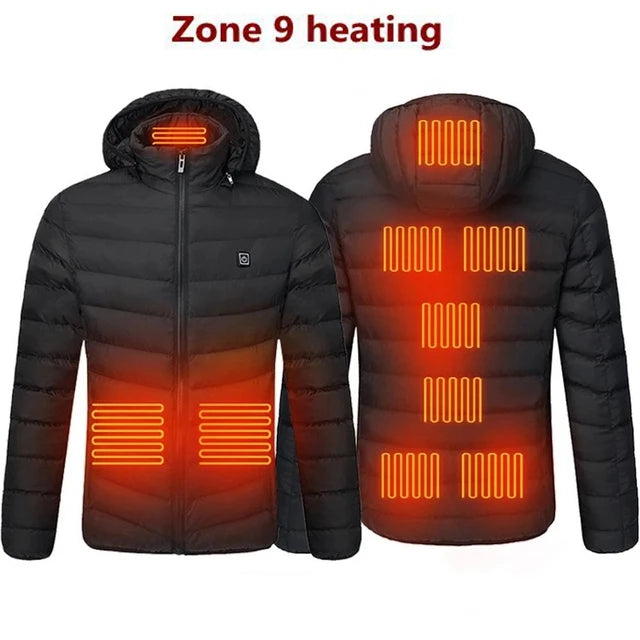
Master layering winter clothes with confidence using the proven three-layer system.
The 3-Layer Winter Layering System Explained
The most effective way to stay warm is by combining three specialized layers rather than wearing one oversized coat. Each layer performs a unique function while supporting the others to maximize comfort.
Base Layer (Moisture Management)
The base layer sits directly against your skin. Its job is to move perspiration away from your body so moisture can evaporate instead of cooling you down.
- Best materials: merino wool, bamboo, moisture-wicking synthetics
- Avoid cotton because it absorbs sweat and dries slowly
- Choose a close but comfortable fit
Mid Layer (Insulation & Heat Retention)
The mid layer traps warm air created by your body. Lofted materials such as fleece and insulated jackets create tiny air pockets that improve insulation without excessive weight.
- Popular choices: fleece, lightweight down, synthetic insulated jackets
- Add thicker insulation as temperatures drop
- Maintain freedom of movement by avoiding overly bulky garments
Outer Layer (Weather Protection)
The shell protects the insulation underneath from wind, rain, and snow. It should also allow excess heat and moisture to escape during activity.
- Look for waterproof or water-resistant fabrics with wind protection
- Ventilation zippers improve comfort during exercise
- A properly sized shell should fit comfortably over your insulation layer
How the Layers Work Together
Learning how to layer in winter is less about wearing more clothing and more about wearing the right clothing in the right order. The base layer keeps skin dry, the mid layer traps heat, and the outer shell protects that insulation from weather. Because every layer serves a specific purpose, you can easily remove or add clothing as conditions change without sacrificing warmth.
Best Winter Layer Materials Compared
Merino Wool
Merino wool offers an excellent warmth-to-weight ratio while naturally regulating temperature and resisting odors. It's one of the best choices for base layers, especially during multi-day trips.
Modern polyester performance fabrics dry quickly, wick moisture efficiently, and remain affordable. They're ideal for high-output activities such as hiking and winter running.
Fleece
Fleece layers for winter provide lightweight insulation, breathe well, and continue insulating even when slightly damp. They're a versatile mid-layer option for everyday wear and outdoor adventures.
Down & Synthetic Insulation
Down delivers exceptional warmth with minimal weight, making it ideal for dry, very cold climates. Synthetic insulation performs better in wet conditions and generally dries faster after exposure to moisture.
| Material | Warmth | Moisture Performance | Best Use |
|---|---|---|---|
| Merino Wool | Excellent | Excellent | Base layers |
| Polyester | Good | Excellent | High activity |
| Fleece | Very Good | Good | Mid layers |
| Down | Outstanding | Poor when wet | Dry extreme cold |
| Synthetic Insulation | Very Good | Very Good | Wet winter climates |
How to Layer for Winter Based on Temperature
Temperature is only one factor when building your winter outfit. Wind, precipitation, and activity level can dramatically change how warm you'll feel.
Cool (0°C to 10°C / 32°F to 50°F)
- Lightweight moisture-wicking base layer
- Thin fleece or sweater
- Windbreaker or light shell
Freezing (-10°C to 0°C / 14°F to 32°F)
- Thermal base layer
- Fleece or insulated jacket
- Water-resistant insulated shell
Sub-Zero (-20°C to -10°C / -4°F to 14°F)
- Heavyweight thermal base layer
- Thicker fleece or down mid layer
- Windproof waterproof shell
- Warm gloves, insulated boots, wool socks
Extreme Cold (Below -20°C / -4°F)
- Heavy thermal base layer
- Multiple insulating mid layers
- Expedition-weight shell
- Face protection and insulated accessories
- Consider heated clothing for prolonged exposure
| Conditions | Recommended Layers |
|---|---|
| Daily commute | Light base + fleece + shell |
| Cold hiking | Merino base + fleece + waterproof shell |
| Snow sports | Thermal base + insulated mid + waterproof shell |
| Extreme cold | Heavy base + insulated layers + shell + heated clothing if needed |
Best Fabrics for Winter Layering (Sensitive Skin Included)
- Merino wool: naturally breathable, insulating, and odor resistant.
- Bamboo fabric: soft, moisture-wicking, and gentle on sensitive skin.
- Fleece: lightweight insulation with excellent comfort.
- Synthetic blends: durable, quick drying, and ideal for active use.
Sensitive Skin Tips
If wool feels itchy, choose fine merino wool or wear a soft bamboo or synthetic base layer underneath. Avoid rough seams and overly tight garments that may cause irritation during long periods of wear.
Cotton vs Performance Fabrics
Cotton absorbs moisture and holds it against your skin, increasing heat loss once you stop moving. Performance fabrics continue moving moisture outward, helping maintain warmth and reducing the risk of becoming chilled.
Winter Layering Tips for Everyday Use and Outdoor Activities
Commuting
Select lightweight layers that can easily be removed indoors. Breathable fabrics prevent overheating during public transportation or office work.
Hiking
Prioritize moisture management because uphill climbs generate body heat quickly. Carry an extra insulating layer for rest stops and changing weather.
Skiing & Snow Sports
Waterproof outer shells are essential. Wear insulating layers that maintain warmth while allowing unrestricted movement on the slopes.
Winter Running
Dress slightly cooler than the outside temperature feels. Breathable synthetic base layers and lightweight wind-resistant shells usually outperform bulky insulation during vigorous exercise.
Casual Everyday Wear
For shopping, travel, or daily errands, a lightweight base layer paired with fleece and a weather-resistant jacket provides an excellent balance between warmth and comfort.
How Modern Thermal and Heated Layers Fit Into a Layering System
When temperatures fall well below freezing or you expect extended periods of inactivity outdoors, heated clothing can supplement traditional layering without significantly increasing bulk.
When Heated Clothing Helps
- Long outdoor events
- Winter commuting
- Ice fishing or hunting
- Low-activity work environments
- People who naturally feel cold
Layering Around Heated Gear
Heated garments work best when worn over a moisture-wicking base layer and beneath a protective shell. This setup allows the heating elements to warm your core efficiently while reducing heat loss from wind.
Choose batteries appropriate for the expected duration of your trip, avoid compressing heating panels with excessively tight clothing, and follow the manufacturer's safety recommendations.
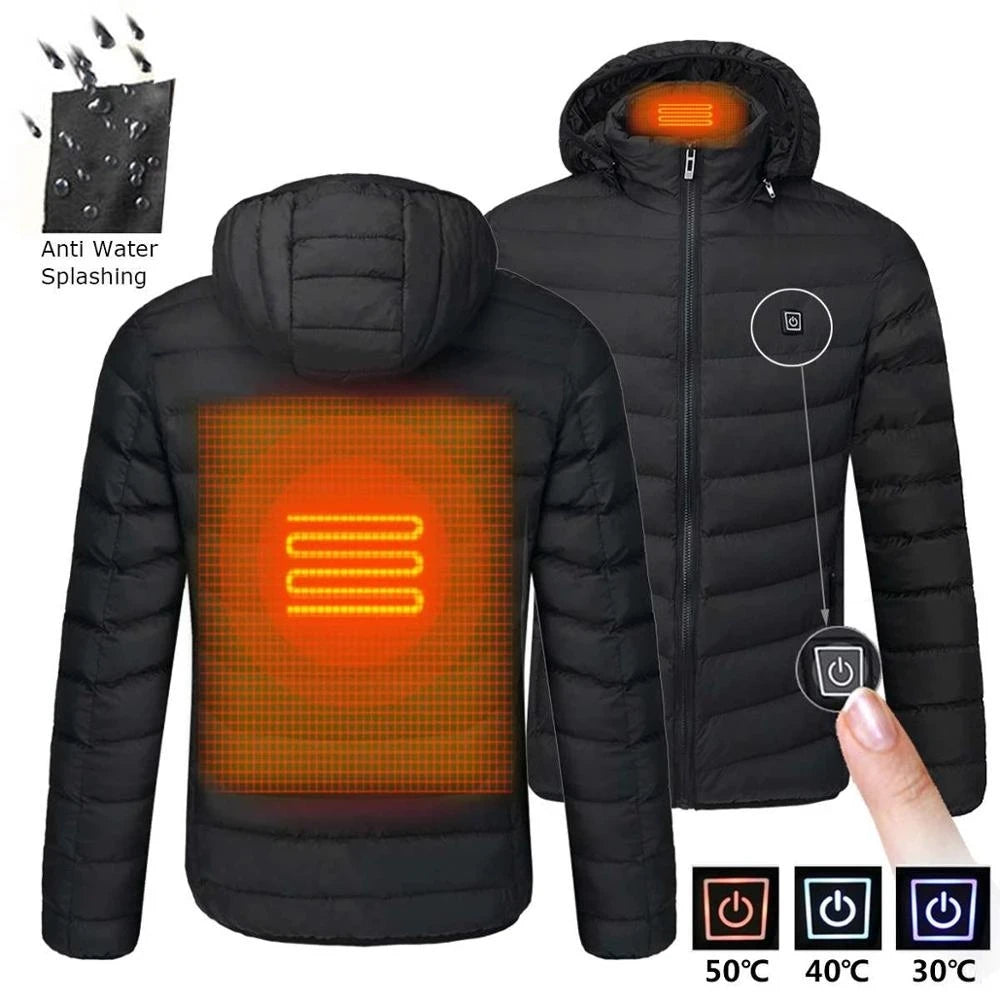
Men Heated Jacket integrates heating panels to provide consistent warmth without bulk.
Step-by-Step: How to Layer in Winter (Quick Guide)
- Choose a moisture-wicking base layer.
- Add an insulating fleece, synthetic, or down mid layer.
- Finish with a windproof, waterproof outer shell.
- Add accessories before heading outdoors.
- Adjust clothing throughout the day instead of waiting until you become too hot or cold.
Layering Checklist
- ✓ Dry moisture-wicking base layer
- ✓ Insulating mid layer
- ✓ Weather-resistant shell
- ✓ Comfortable fit without compression
- ✓ Ventilation options available
- ✓ Gloves, hat, socks, and neck protection
Common Winter Layering Mistakes to Avoid
Wearing Cotton
Cotton traps moisture and dramatically reduces insulation once wet. Replace it with merino wool or moisture-wicking synthetic fabrics.
Overdressing
Too many layers increase sweating, which eventually makes you colder. Start slightly cool and add insulation when needed.
Ignoring Ventilation
Open pit zips, remove hats, or unzip jackets during strenuous activity to release excess heat before sweat accumulates.
Poor Fit
Tight clothing compresses insulating air pockets and restricts circulation, while oversized garments reduce efficiency. Aim for comfortable, unrestricted movement.
How Accessories Complete Cold Protection
Head
A thermal beanie or insulated hat helps reduce heat loss while remaining breathable.
Hands
Insulated gloves or mittens keep fingers warm and should match expected weather conditions.
Feet
Merino wool socks combined with insulated waterproof boots help keep feet warm and dry throughout the day.
Neck & Face
Neck gaiters, scarves, and face coverings protect exposed skin from cold wind while improving overall comfort.
For recovery after cold exposure, explore Body Care and Health Devices.
Moisture Management and Preventing Overheating
Staying dry is just as important as staying warm. Sweat trapped inside clothing eventually cools, reducing insulation and increasing discomfort.
- Remove a layer before strenuous activity begins.
- Use ventilation zippers whenever possible.
- Replace damp base layers after prolonged exercise.
- Carry an extra insulating layer for rest breaks.
- Avoid waterproof shells when weather protection isn't necessary.
Winter Layering Decision Chart
| Weather | Activity | Recommended System |
|---|---|---|
| Dry & Cool | Walking | Light base + fleece |
| Cold & Windy | Commuting | Thermal base + fleece + shell |
| Snow | Skiing | Thermal base + insulated mid + waterproof shell |
| Extreme Cold | Low activity | Heavy base + insulated layers + shell + heated jacket |
Frequently Asked Questions
How to layer for winter?
Wear a moisture-wicking base layer, an insulating mid layer, and a weather-resistant outer shell. Adjust insulation based on temperature and activity level.
What are the best practices for layering clothing to maximize warmth in winter?
Choose breathable performance fabrics, avoid cotton, maintain proper fit, and add or remove layers before overheating.
Why should you avoid cotton in winter?
Cotton absorbs moisture and dries slowly, increasing heat loss after sweating or exposure to snow and rain.
What is the warmest mid-layer?
Down offers the highest warmth-to-weight ratio in dry conditions, while synthetic insulation performs better in wet environments.
How do you adjust layers during exercise?
Reduce insulation before vigorous activity, use ventilation features, and add layers again during rest periods to prevent chilling.
How many layers should I wear in winter?
Most people stay comfortable with three functional layers, although extremely cold conditions may require additional insulation.
Do you need multiple layers with heated jackets?
Yes. Heated jackets supplement a proper layering system but do not replace moisture management or weather protection.













