

Are winter mens hoodies actually warm enough for cold weather?
Yes. The best winter mens hoodies provide dependable warmth when they combine heavyweight fabrics, effective insulation, and thoughtful construction. Features such as brushed fleece linings, higher fabric weights, wind-blocking cuffs, and durable stitching help retain body heat without adding unnecessary bulk. While a hoodie cannot fully replace an insulated winter jacket in severe weather, the right design offers excellent comfort for everyday winter wear, commuting, outdoor work, and layering.
Best Warm Hoodies for Winter (2026): Tested Picks for Extreme Cold, Everyday Wear & Layering
⏱ 6 min read
Finding the best warm hoodies for winter is about more than choosing the thickest sweatshirt. Fabric weight, insulation, breathability, and overall construction determine how well a hoodie performs in real cold-weather conditions. Whether you need reliable warmth for freezing commutes, outdoor activities, or comfortable everyday wear, this guide explains what separates the best winter hoodies from ordinary fleece sweatshirts.
Explore the comparisons below to discover which materials, weights, and designs deliver the best balance of warmth, comfort, and value.
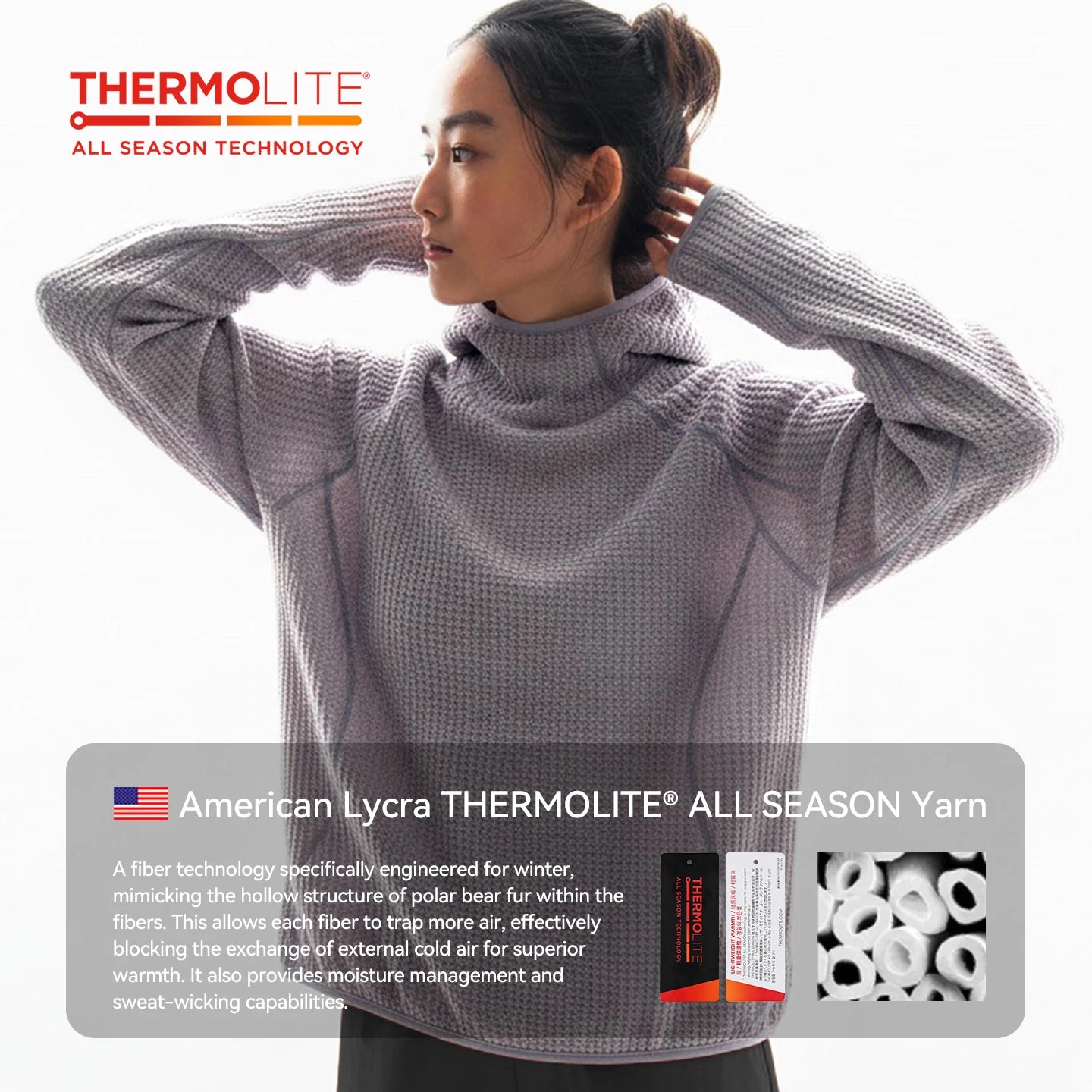
Warmth meets clean design — winter mens hoodies that work hard outdoors. See it in action.
What Makes a Hoodie Truly Warm in Winter? (Fabric, Weight & Insulation Explained)
The warmest hoodies for winter rely on a combination of material quality, fabric density, insulation, and construction rather than thickness alone. Understanding these factors helps you choose the best hoodie for your climate and intended use.
Fleece, Cotton & Insulation
Brushed fleece interiors create tiny air pockets that trap body heat, while cotton-poly blends improve durability and moisture management. Thermal linings and multi-layer construction further increase insulation without making the garment excessively heavy.
Understanding Fabric Weight (GSM)
Fabric weight, measured in grams per square meter (GSM), is one of the strongest indicators of warmth:
- 250–300 GSM: Suitable for cool weather and indoor comfort.
- 300–350 GSM: A versatile choice for everyday winter use.
- 400+ GSM: Heavyweight construction designed for freezing temperatures and prolonged outdoor exposure.
Construction Details That Matter
- Thermal linings: Brushed fleece or waffle-knit interiors retain warm air close to the body.
- Dense fabric: Higher GSM materials resist cold air and improve heat retention.
- Layered construction: Multiple fabric layers outperform standard lightweight hoodies.
- Ribbed cuffs and hems: Help seal in warmth by reducing heat loss.
- Double-layer hoods: Offer additional protection against wind and cold.
In practical use, a well-made 320–400 GSM fleece hoodie with a brushed interior often feels warmer than a thicker hoodie made from loosely woven fabric.
Quick Comparison Table: Best Winter Hoodies at a Glance
Need a quick recommendation? This overview compares the best winter hoodies based on warmth, fabric weight, ideal use, and overall value so you can narrow your options before reading the detailed reviews.
| Category | Warmth | Typical Weight | Best For | Value |
|---|---|---|---|---|
| Warmest Overall | ★★★★★ | 400+ GSM | Freezing temperatures | Excellent |
| Best All-Around | ★★★★☆ | 320–350 GSM | Daily winter wear | Excellent |
| Best Budget | ★★★☆☆ | 280–320 GSM | Casual everyday use | Very Good |
| Best Heavyweight | ★★★★★ | 400+ GSM | Outdoor work | Excellent |
| Best for Layering | ★★★★☆ | 300–330 GSM | Under winter jackets | Very Good |
| Best Fleece-Lined | ★★★★★ | 350–400 GSM | Maximum comfort | Excellent |
Use this comparison as a starting point, then continue to the detailed recommendations to determine which hoodie best matches your climate, activity level, and budget.
Best Warm Hoodies for Winter (Top Picks by Category)
Best Overall Winter Hoodie
A midweight-to-heavyweight cotton-poly blend hoodie (around 320–350 GSM) delivers the best combination of warmth, durability, and comfort for most people. It performs well during commuting, casual outdoor activities, and everyday winter wear while remaining breathable enough for indoor use.
Warmest Hoodie for Extreme Cold
For prolonged exposure to freezing temperatures, choose a heavyweight fleece hoodie with a fabric weight of 400+ GSM. Dense construction, brushed interiors, and reinforced cuffs help retain body heat during outdoor work, winter sports, and windy conditions. Pairing this style with a weatherproof outer shell provides even better protection.
Best Winter Hoodie for Men
Men looking for one hoodie that handles daily winter use should prioritize balanced insulation, durable stitching, and moisture-resistant fabric blends. A structured hood, ribbed cuffs, and a relaxed fit make these hoodies suitable for both casual wear and light outdoor activities.
Best Budget Warm Hoodie
Affordable fleece hoodies can still provide dependable warmth when made from quality brushed fleece. While they may not match premium models for longevity or resistance to pilling, they offer excellent value for everyday winter wear.
Best Heavyweight Hoodie
Heavyweight hoodies emphasize maximum insulation and durability. Their thicker fabric, reinforced seams, and substantial feel make them a practical choice for cold job sites, camping, and extended time outdoors.
Best Fleece-Lined Hoodie
Fleece-lined and sherpa-lined hoodies create an exceptionally soft interior while trapping warm air close to the body. They are especially comfortable for relaxed outdoor activities, travel, and lounging in colder climates.
Best Hoodie for Outdoor Activities
For hiking, camping, and active winter use, look for hoodies that combine moderate insulation with moisture management. Performance fabric blends help regulate body temperature during movement while maintaining warmth during rest breaks.
Best Hoodie for Layering
Thermal or slim-profile hoodies are ideal beneath insulated jackets because they provide warmth without restricting movement. A streamlined fit reduces bulk while allowing additional outer layers when temperatures drop.
Comparison: Heavyweight, Fleece-Lined, Sherpa & Thermal Hoodies
| Hoodie Type | Warmth | Breathability | Weight | Best Conditions |
|---|---|---|---|---|
| Heavyweight Fleece | ★★★★★ | ★★★☆☆ | Heavy | Extreme cold and outdoor work |
| Fleece-Lined | ★★★★☆ | ★★★★☆ | Medium | Daily winter wear |
| Sherpa-Lined | ★★★★★ | ★★★☆☆ | Heavy | Very cold climates and casual use |
| Thermal | ★★★★☆ | ★★★★★ | Light | Layering and active movement |
| Performance | ★★★☆☆ | ★★★★★ | Light | Hiking, running, and outdoor exercise |
Each hoodie category serves a different purpose. Heavyweight and sherpa-lined designs maximize insulation, while thermal and performance hoodies prioritize mobility, breathability, and efficient layering.
Choosing the right fabric weight and insulation often improves cold-weather comfort more than simply buying a thicker sweatshirt.
Modern insulated hoodies combine warmth, mobility, and comfort for everyday winter wear. See it in action.
Real-World Testing: How These Hoodies Perform
Testing Methodology
To evaluate the best winter hoodies, we compared common hoodie constructions based on insulation, warmth retention, comfort during movement, durability after repeated washing, moisture management, and overall value. The assessment focuses on the performance characteristics that matter most during everyday winter use rather than brand-specific marketing claims.
What Users Love
- Heavyweight hoodies retain body heat well during freezing temperatures and windy conditions.
- Brushed fleece and sherpa linings feel warm almost immediately after putting the hoodie on.
- Thermal hoodies provide excellent freedom of movement while fitting comfortably beneath winter jackets.
- Quality stitching, ribbed cuffs, and dense fabrics maintain their shape through repeated washing.
- Cotton-poly blends strike a strong balance between warmth, breathability, and long-term durability.
Common Drawbacks
- Lower-quality fleece fabrics may pill or lose softness after frequent laundering.
- Ultra-heavyweight hoodies can feel bulky during indoor wear or high-activity situations.
- Poor moisture management may leave 100% cotton hoodies feeling damp after strenuous activity.
- Low-density fabrics tend to lose insulation performance more quickly over time.
- Improper sizing can reduce warmth by limiting effective layering or allowing cold air to circulate.
How to Choose the Warmest Hoodie for Winter (Buyer’s Guide)
Choose the Right Material
The fabric has the greatest influence on warmth and comfort. Brushed fleece offers one of the best warmth-to-weight ratios, cotton provides natural softness, while polyester blends improve durability, shape retention, and moisture resistance. For harsh winter climates, fleece-lined and sherpa-lined constructions generally provide the highest level of insulation.
Pick the Right Weight (GSM)
Fabric weight helps determine how much insulation a hoodie provides.
- 250–300 GSM: Best for cool autumn weather or indoor use.
- 300–350 GSM: Ideal for most winter climates and everyday wear.
- 400+ GSM: Recommended for freezing temperatures, outdoor work, and prolonged cold exposure.
Fit, Sizing & Layering
Select a fit based on how you plan to wear the hoodie. A relaxed fit allows room for thermal base layers, while a trim fit works well beneath insulated jackets. Ensure the cuffs, hem, and hood fit securely without restricting movement.
Features Worth Paying For
- Brushed fleece or sherpa lining for improved insulation.
- Double-layer hood for added wind protection.
- Wide rib-knit cuffs and waistband to reduce heat loss.
- Reinforced seams that withstand frequent washing.
- Quality zippers, drawstrings, and durable fabric finishes.
Care & Longevity
Following the manufacturer's washing instructions helps preserve insulation and fabric softness. Washing in cold water, avoiding excessive heat during drying, and minimizing the use of fabric softeners can extend the life of fleece materials while reducing shrinkage and pilling.
For downtime or recovery routines at home, many readers also explore options from the Lifestyle collection.

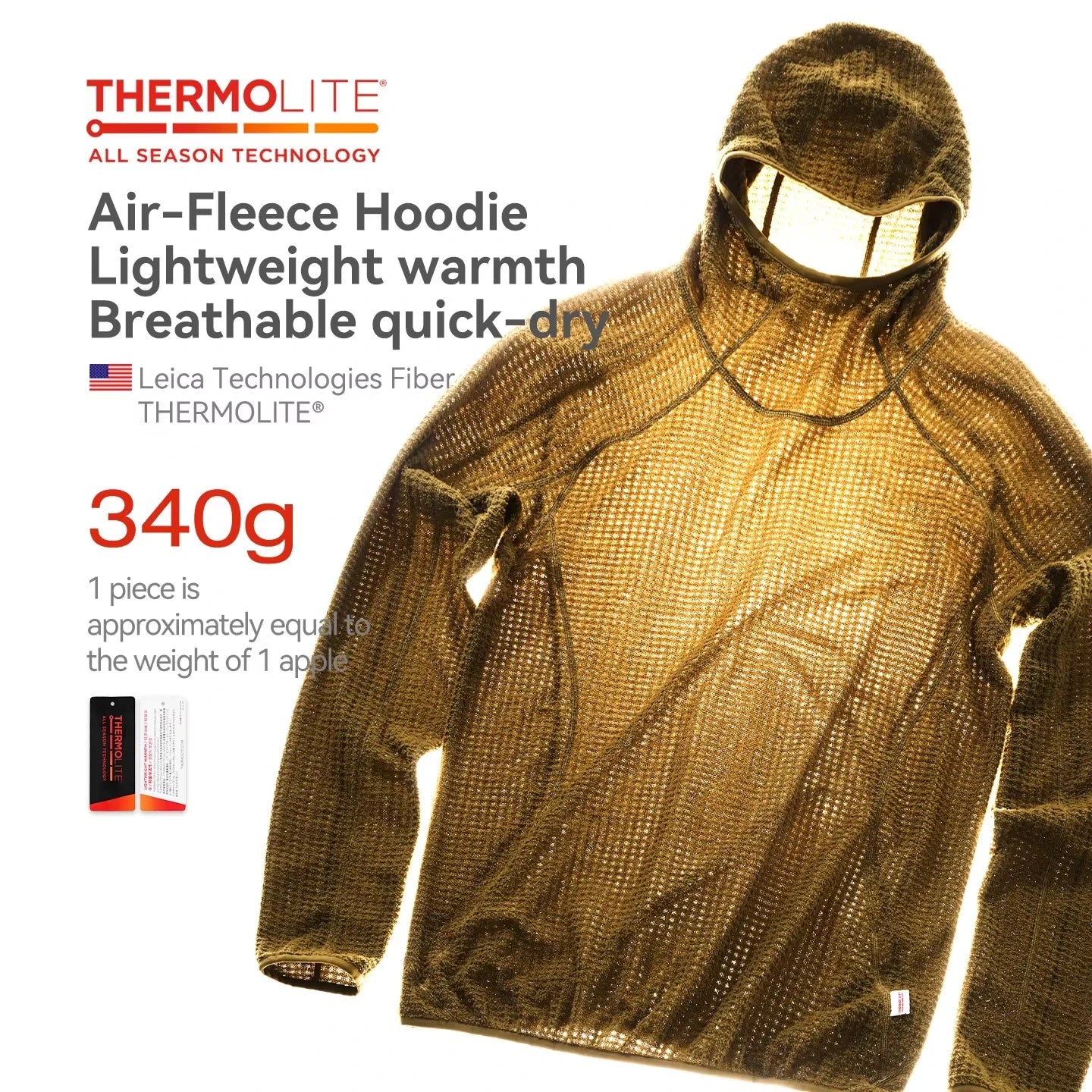
A closer look at an insulated winter hoodie designed for warmth without unnecessary bulk. See it in action.
If you're looking for lightweight insulation instead of maximum bulk, you can explore the Thermolite Hooded Sweatshirt alongside other winter hoodie options to compare features, warmth, and layering performance.
For additional cold-weather comfort during recovery after outdoor activities, explore products in the Body Care and Health Devices collection.
FAQs About the Best Winter Hoodies
Do winter hoodies replace jackets?
In cool or mildly cold weather, a heavyweight hoodie may be sufficient on its own. During freezing temperatures, snow, or strong winds, the best approach is to wear a hoodie as a warm mid-layer beneath an insulated or waterproof jacket.
Are insulated hoodies too warm indoors?
It depends on the insulation level. Sherpa-lined and 400+ GSM heavyweight hoodies can become too warm in heated indoor spaces, while midweight fleece hoodies are generally more comfortable for all-day wear.
How should a winter hoodie fit?
A winter hoodie should fit comfortably without feeling tight. Leave enough room for a thermal base layer if needed, while ensuring the cuffs, waistband, and hood fit closely enough to reduce heat loss.
What is the warmest type of hoodie?
Heavyweight fleece and sherpa-lined hoodies with fabric weights around 400 GSM or higher generally provide the greatest insulation. Models with brushed interiors, double-layer hoods, and wind-resistant construction offer even better cold-weather performance.
What features should I look for in a warm winter hoodie?
Prioritize high-quality fleece or sherpa lining, fabric weight appropriate for your climate, reinforced stitching, ribbed cuffs, a structured hood, and durable materials that resist pilling after repeated washing.
Which hoodie is best for outdoor activities?
For hiking, camping, and active outdoor use, choose a thermal or performance hoodie that balances warmth with breathability and moisture management. For stationary activities or outdoor work, a heavyweight fleece hoodie is typically the better choice.
How heavy should a winter hoodie be?
For most winter conditions, hoodies between 300 and 350 GSM offer an excellent balance of warmth and comfort. If you regularly experience sub-freezing temperatures, a 400+ GSM heavyweight hoodie provides superior insulation.
What GSM is considered warm?
A fabric weight of approximately 300 GSM is considered warm enough for typical winter weather. Hoodies rated between 350 and 400 GSM provide additional insulation, while 400+ GSM designs are best suited for severe cold and prolonged outdoor exposure.
Explore the Thermolite Hooded Sweatshirt to see how lightweight insulation can deliver dependable winter warmth while remaining comfortable for everyday layering.
Related Guide: Warmest Hooded Sweatshirt: 9 Top Picks Compared for Real Cold













