

Do Heated Gloves for Winter Sports Really Work?
Yes. Heated gloves for winter sports use rechargeable battery-powered heating elements—typically thin carbon-fiber or micro-alloy wires—positioned across the fingers and back of the hand to deliver steady, adjustable warmth. Unlike traditional insulated gloves that only retain existing body heat, heated models actively generate heat, helping reduce numbness, maintain finger dexterity, and improve comfort in freezing temperatures, strong winds, and wet snow. The best heated gloves for winter sports are especially valuable for skiers, snowboarders, winter cyclists, hikers, snowmobilers, and anyone who spends extended periods outdoors in cold conditions.
Most quality heated gloves offer multiple heat settings and provide approximately 2 to 8 hours of runtime depending on battery capacity, selected temperature level, and outside conditions. Combined with waterproof construction and effective insulation, they help keep hands warmer for longer while preserving grip and control during demanding winter activities.
⏱ 7 min read
Best Heated Gloves for Winter Sports (Tested & Compared by Sport Type)
Cold hands can quickly turn an enjoyable winter adventure into an uncomfortable experience. Whether you're skiing steep alpine runs, snowboarding through powder, cycling in icy headwinds, or tackling other cold-weather activities, inadequate hand protection reduces comfort, grip strength, and overall performance. The best heated gloves for winter sports combine active heating technology, weather-resistant materials, and sport-specific design to help keep your hands warm without sacrificing mobility. Choosing the right pair for your activity can improve endurance, maintain dexterity, and make long days in cold conditions far more enjoyable.
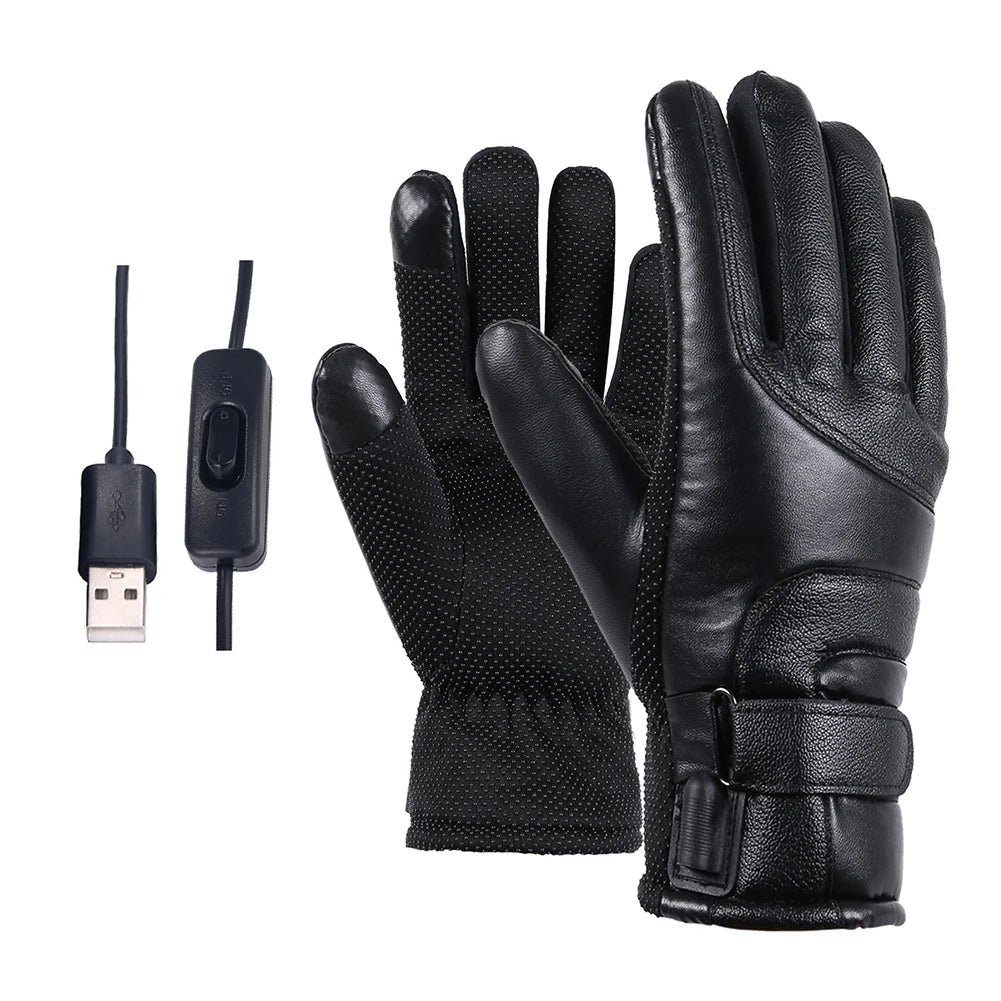
Winter sports heated gloves designed for performance and comfort — See it in action
How We Tested & Ranked Heated Gloves for Winter Sports
To identify the strongest performers, we evaluated heated gloves for winter sports using a consistent testing process focused on real-world cold-weather performance rather than manufacturer specifications alone. Every model was assessed for warmth, battery efficiency, weather protection, comfort, and usability across activities including skiing, snowboarding, and winter cycling.
Testing Conditions (Cold, Wind, Moisture)
Testing simulated the environments where heated gloves are expected to perform best. Gloves were evaluated in sub-zero temperatures, exposed to sustained wind chill, and used in wet snow and slushy conditions to assess heat consistency, insulation effectiveness, waterproof performance, and overall comfort during extended wear.
Scoring Criteria (Warmth, Battery, Waterproofing, Dexterity)
- Warmth: Heating coverage, temperature consistency, and how effectively fingers and hands stayed warm over time.
- Battery Life: Runtime across low, medium, and high heat settings, along with charging convenience.
- Waterproofing: Resistance to snow, slush, moisture, and melting conditions without compromising insulation.
- Dexterity: Grip security, flexibility, and ease of operating ski poles, handlebars, zippers, and gear.
- Durability: Construction quality, reinforced wear areas, seam integrity, and expected long-term performance after repeated outdoor use.
Best Heated Gloves for Winter Sports (2026 Top Picks by Category)
Based on performance testing, the best heated gloves for winter sports vary depending on activity, weather exposure, and mobility needs. A glove that excels on a ski lift may feel too bulky for winter cycling, while a lightweight cycling design may not provide enough protection for long days in deep snow.
Best Overall Heated Gloves
The best overall heated gloves balance warmth, battery performance, waterproof protection, and everyday usability. They are ideal for users who participate in multiple winter activities and need reliable heating without excessive bulk.
- Adjustable heat settings for changing temperatures
- Long-lasting battery performance for extended outdoor sessions
- Water-resistant construction for snow and moisture protection
- Comfortable fit for skiing, commuting, and general winter use
Best for Skiing
Heated gloves for skiing prioritize maximum insulation, wind protection, and all-day warmth. Skiers often spend extended periods exposed to freezing temperatures while riding lifts or waiting between runs, making battery endurance and heat retention essential.
- Extended cuffs to block snow and cold air
- Strong insulation for lift rides and downhill runs
- Durable outer materials designed for repeated winter use
Best for Snowboarding
The best heated gloves for snowboarding combine warmth with flexibility. Snowboarders need enough dexterity for board adjustments, bindings, and balance control, while also benefiting from reinforced materials that handle frequent contact with snow.
- Flexible construction for natural hand movement
- Reinforced palms for improved durability
- Secure wrist closures to prevent snow entry
Best for Cycling in Winter
Heated gloves for cycling in winter focus on wind resistance, grip control, and a slimmer profile. Bulky insulation can interfere with braking and handlebar control, so cycling-specific designs prioritize mobility while delivering targeted warmth.
- Windproof outer layers for cold air protection
- Flexible fit for braking and gear changes
- Heating zones positioned around vulnerable areas
Best Budget Heated Gloves
Budget heated gloves are a practical choice for occasional winter activities, commuting, or users who need extra warmth without premium features. They typically provide adjustable heating and basic weather protection while keeping the cost lower.
- Suitable for casual outdoor use
- Simple temperature controls
- Good option for short winter outings
Why Sport-Specific Heated Gloves Matter
Heated gloves by sport type are designed around different performance priorities. Choosing the right style means balancing warmth, dexterity, protection, and comfort instead of simply selecting the glove with the highest heat output.
Warmth vs Dexterity
More insulation usually provides better heat retention but can reduce hand flexibility. Skiers and snowmobilers often benefit from thicker heated gloves because warmth is the priority during long periods outdoors. In contrast, cyclists and snowboarders may prefer a more flexible design that allows precise hand movements and better equipment control.
Protection by Activity
- Skiing: Requires strong insulation, wind resistance, and weather protection for long exposure on slopes and lifts.
- Snowboarding: Needs a balance of warmth, flexibility, and impact-resistant construction for active movement.
- Cycling: Demands lightweight materials, windproofing, and reliable grip control for safe handling.
The right heated gloves improve comfort by matching the demands of each activity. Understanding these differences helps prevent choosing gloves that are either too bulky for movement or insufficiently protective for extreme cold.
Heated Gloves by Sport Type (Detailed Reviews)
The best heated gloves by sport type are designed around different challenges, including temperature exposure, movement requirements, moisture levels, and grip demands. A glove that performs well for skiing may not provide the flexibility needed for cycling, while lightweight designs may not offer enough protection for extreme outdoor activities.
Heated Ski Gloves (Warmth + Protection)
Heated gloves for skiing are designed for long periods in cold, windy environments where insulation and weather protection are the top priorities. Skiers often experience extended exposure while riding lifts, waiting between runs, or spending full days on mountain slopes, making reliable heating and waterproof construction essential.
Best for: Resort skiers, backcountry skiers, and anyone spending several hours outdoors in freezing conditions.
- Full-finger heating coverage to maintain warmth during extended sessions
- Waterproof outer shells to protect against snow and moisture
- Extended cuffs that help block cold air and snow entry
- Long battery performance for all-day skiing
Potential limitation: Thicker insulation can slightly reduce flexibility compared with lighter gloves, making fit and sizing especially important for users who prioritize maximum hand mobility.
Heated Snowboarding Gloves (Flexibility + Impact Resistance)
Heated gloves for snowboarding focus on balancing warmth with freedom of movement. Snowboarders frequently adjust bindings, use their hands for balance, and experience more direct contact with snow, so flexibility and durability are just as important as heat output.
Best for: Freestyle riders, park snowboarders, and active users who need better control during movement-heavy sessions.
- Flexible insulation materials for improved hand movement
- Reinforced palms for durability during falls and board handling
- Waterproof protection against wet snow conditions
- Secure wrist closures to prevent snow from entering
Potential limitation: Highly flexible snowboard gloves may provide slightly less insulation than heavier ski-focused models in extremely low temperatures.
Heated Gloves for Cycling in Winter (Windproof + Grip Control)
Heated gloves for cycling in winter are built around control and dexterity. Unlike bulkier snow sports gloves, cycling designs need to maintain a secure grip on handlebars while protecting hands from wind chill during longer rides.
Best for: Cold-weather commuters, winter cyclists, and riders who need precise braking and gear control.
- Windproof outer layers to reduce heat loss during rides
- Slim profile for comfortable handlebar control
- Targeted heating zones around fingers and exposed areas
- Flexible construction for braking and shifting
Potential limitation: Lightweight cycling designs may not be the best choice for prolonged stationary exposure or extreme snow conditions where maximum insulation is required.
Heated Gloves for Snowmobiling
Snowmobiling places unique demands on hand protection because riders face high wind speeds, freezing temperatures, and long periods gripping handlebars. Heated snowmobile gloves prioritize powerful insulation, wind resistance, and durable materials that can withstand demanding outdoor conditions.
Best for: Snowmobile riders, winter explorers, and outdoor enthusiasts exposed to severe cold.
- Heavy-duty insulation for extreme temperatures
- Strong wind protection during high-speed riding
- Durable materials for rugged environments
- Extended battery runtime for longer trips
Heated Gloves for Winter Hiking
Heated gloves for winter hiking provide a balance between warmth, weight, and mobility. Hikers often need enough flexibility for using trekking poles, adjusting equipment, and navigating changing terrain while still protecting hands from cold weather.
Best for: Winter hikers, campers, and outdoor travelers who need versatile cold-weather protection.
- Lightweight construction for easier movement
- Breathable materials to manage moisture
- Adjustable heating for changing temperatures
- Comfortable fit for extended wear
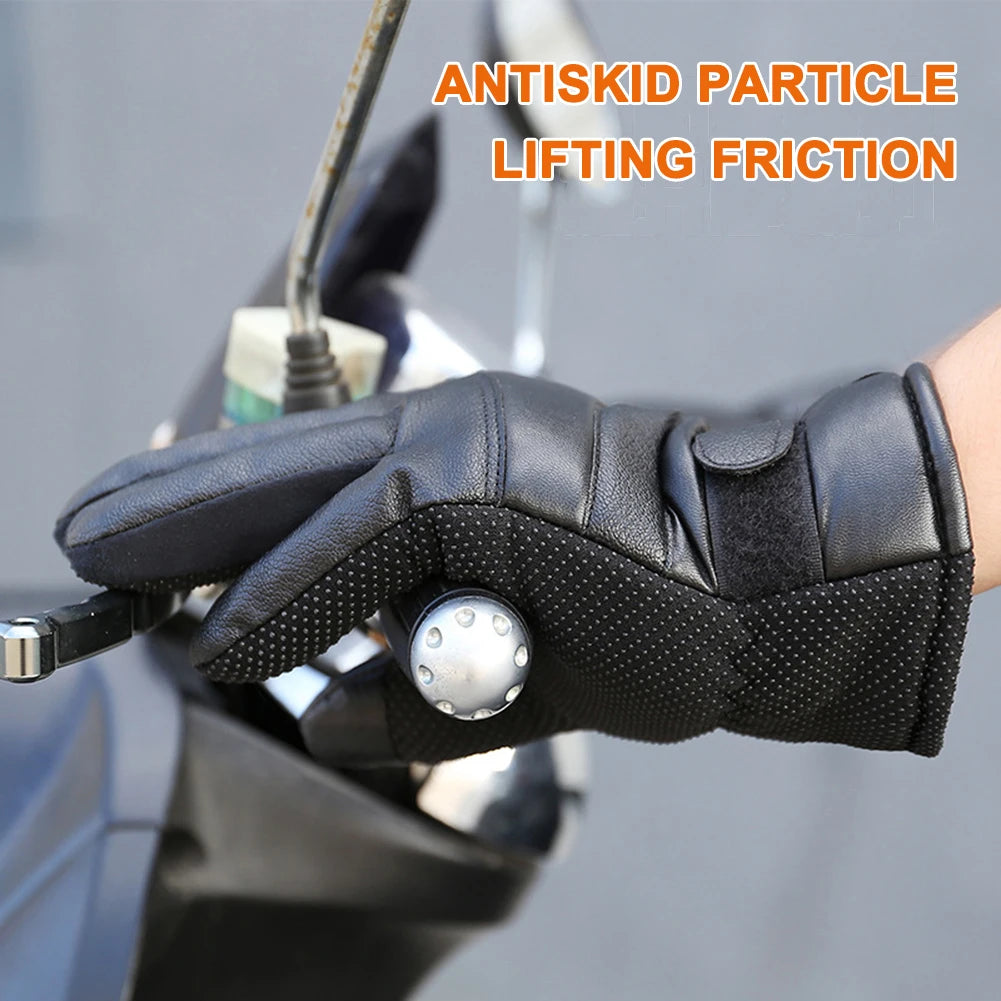
Designed heating zones for winter sports gloves See it in action
Heated Gloves Comparison Table (Battery, Warmth, Waterproofing & Features)
This comparison highlights the key differences between heated gloves for winter sports, including battery expectations, weather protection, and activity-specific performance.
| Sport Type | Primary Challenge | Key Features | Ideal User |
|---|---|---|---|
| Skiing | Long exposure, lift downtime, freezing wind | High insulation, waterproof shell, extended battery | All-day resort and backcountry skiers |
| Snowboarding | Flexibility, falls, wet snow | Flexible materials, reinforced palms, secure fit | Freestyle and active snowboarders |
| Cycling | Wind chill, grip control, hand mobility | Windproof design, slim profile, targeted heating | Cold-weather commuters and cyclists |
| Snowmobiling | Extreme cold and high wind exposure | Heavy insulation, rugged construction, long runtime | Winter riders and outdoor explorers |
| Winter Hiking | Temperature changes and mobility needs | Lightweight warmth, breathable materials, adjustable heat | Hikers and outdoor adventurers |
Heated Gloves Skiing vs Snowboarding vs Cycling (Key Differences)
Choosing between heated gloves for skiing, snowboarding, and cycling depends on how each activity affects hand temperature, movement, and protection needs. The ideal pair should match your balance between warmth, mobility, and weather resistance.
- Skiing: Prioritizes maximum insulation, wind protection, and long battery performance for lift rides and extended slope time.
- Snowboarding: Requires a balance of warmth and flexibility, with durable materials that support active movement and frequent contact with snow.
- Cycling: Focuses on lightweight warmth, wind resistance, and enough dexterity to maintain secure handlebar control.
When comparing heated gloves skiing vs snowboarding, skiers typically benefit from thicker insulation and stronger cold protection, while snowboarders often prefer designs that allow more hand movement. Winter cyclists need a different approach, with slimmer gloves that reduce bulk while protecting against wind chill.
For readers building a complete cold-weather routine, the Lifestyle collection complements winter gear with comfort-focused essentials.
How to Choose Heated Gloves for Winter Sports
Choosing heated gloves for winter sports requires more than selecting the highest heat setting. The best pair should match your activity level, climate, fit preferences, and expected outdoor conditions.
Battery Life & Heating Technology
Look for heated gloves with reliable lithium-ion batteries, adjustable heat settings, and efficient heating elements that distribute warmth evenly across vulnerable areas such as fingers and the back of the hand. Battery capacity should match your activity duration, with longer runtime being especially important for skiing, snowmobiling, and extended outdoor trips.
Waterproofing & Breathability
Waterproof heated winter gloves should protect against snow, moisture, and wet conditions while allowing excess heat and sweat to escape. Look for water-resistant outer materials, sealed seams, and breathable insulation layers to help maintain dry, comfortable hands during changing weather.
Fit, Dexterity & Grip
A proper fit improves both heating efficiency and hand control. Gloves that are too loose may allow heat to escape, while overly tight gloves can restrict movement and reduce comfort. Cyclists and snowboarders should prioritize flexible designs that maintain grip control, while skiers may prefer additional insulation and protection.
Sizing Guide
Measure the widest part of your hand and compare it with the manufacturer's sizing chart before purchasing. A snug fit around the fingers and palm helps heating elements work effectively without limiting circulation or movement.
- Choose a closer fit for cycling and activities requiring precise control.
- Select slightly more room for skiing or hiking when layering with liners.
- Avoid oversized gloves that create empty space and reduce heat retention.
Safety & Durability
Durable heated gloves should include dependable temperature controls, reinforced high-wear areas, and materials designed for repeated exposure to cold environments. Quality construction helps protect the heating system while improving long-term reliability.
One popular option among multi-sport users is the USB heated gloves , designed to balance warmth, flexibility, and easy charging.
Battery Care & Maintenance
Proper battery care helps maintain performance throughout multiple winter seasons. Follow manufacturer charging recommendations, avoid storing batteries completely empty for long periods, and keep electronic components protected from excessive moisture.
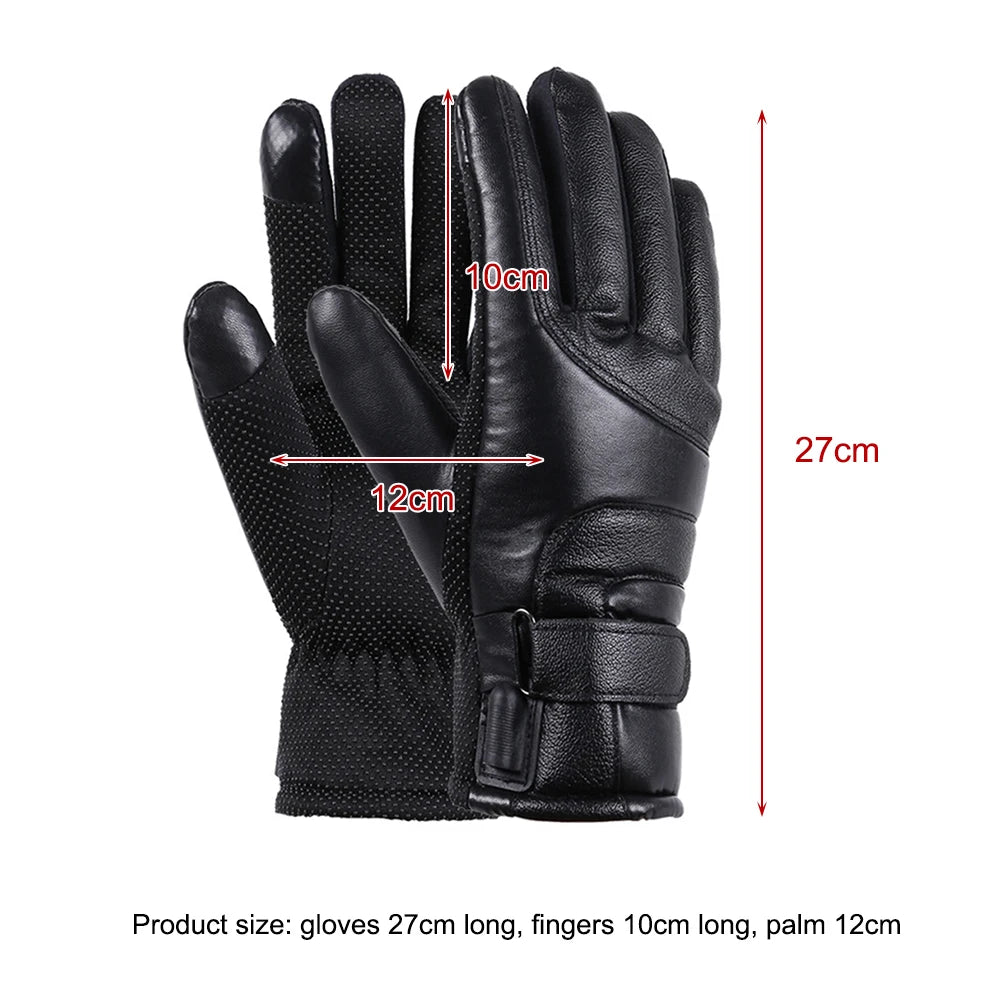
Battery heated gloves for cold weather performance See it in action
What Real Users Notice First (Pros & Cons Breakdown)
Based on user feedback and real-world winter use, the best heated gloves for winter sports tend to stand out in a few consistent areas. Most users appreciate the immediate warmth and improved comfort during long outdoor sessions, while common complaints usually involve battery management, added bulk, and higher purchase costs compared with traditional gloves.
-
Pros:
- Reliable warmth in freezing conditions: Active heating helps reduce cold-hand discomfort during skiing, snowboarding, cycling, and other winter activities.
- Improved comfort during extended use: Consistent heat can make long outdoor sessions more enjoyable, especially in windy or wet environments.
- Adjustable temperature control: Multiple heat settings allow users to adapt warmth based on weather conditions and activity level.
- Better cold-weather performance: Quality heated gloves can help maintain grip and finger mobility when temperatures drop.
-
Cons:
- Requires battery management: Users need to charge batteries before trips and monitor runtime during longer activities.
- Slightly bulkier than standard gloves: Heating components and batteries can add weight and thickness.
- Higher upfront cost: Heated models typically cost more than traditional insulated winter gloves.
- Additional maintenance: Batteries and electronic components require proper care to maintain long-term performance.
Frequently Asked Questions About Heated Gloves for Winter Sports
Which heated gloves have the longest battery life for skiing?
The longest-lasting heated gloves typically use higher-capacity lithium-ion batteries and efficient heating systems. For skiing, look for models that provide extended runtime on lower heat settings while still offering enough power for colder lift rides and full-day outdoor use.
Are heated gloves safe in wet snow?
Yes, quality heated gloves designed for winter sports are built with water-resistant or waterproof materials and insulated heating components. Waterproof heated winter gloves help protect hands from snow and moisture while maintaining comfortable warmth during wet conditions.
How long do heated gloves last per charge?
Most heated gloves provide approximately 2 to 8 hours of runtime depending on heat level, battery capacity, outdoor temperature, and usage conditions. Lower settings generally provide longer battery life, while maximum heat output uses more power.
Can you use heated gloves across different sports?
Yes, heated gloves can often be used across multiple activities, but sport-specific designs usually perform better. Skiers may need maximum insulation, snowboarders often benefit from flexibility, and cyclists typically need a slimmer profile for grip control.
Are waterproof heated winter gloves worth it?
For snow sports and cold-weather activities, waterproof heated winter gloves are usually worth considering. Keeping hands dry helps reduce heat loss and improves overall comfort during skiing, snowboarding, hiking, and outdoor work.
How long do heated glove batteries last before replacement?
Battery lifespan depends on charging habits, storage conditions, and usage frequency. With proper care, rechargeable batteries can often provide multiple seasons of reliable performance. Following recommended charging and storage practices helps extend battery life.
Can heated gloves go on airplanes?
In most cases, heated gloves with removable rechargeable lithium-ion batteries can be transported on airplanes, but airline rules may vary. Check current airline battery requirements before traveling and keep removable batteries stored according to the carrier’s guidelines.
Are heated gloves warm enough without the heating turned on?
Many heated gloves include insulation that provides warmth even when the heating function is off. However, their primary advantage comes from the active heating system, which provides additional warmth during colder conditions.
Can heated gloves be washed safely?
Heated gloves should be cleaned according to the manufacturer’s instructions. Many models require gentle hand cleaning and removing batteries before washing to protect electronic components.
What waterproof rating is best for skiing and snowboarding?
For skiing and snowboarding, choose gloves with strong waterproof protection designed for prolonged snow exposure. A combination of waterproof materials, sealed seams, and breathable insulation provides better performance than waterproofing alone.
Do heated gloves work in sub-zero temperatures?
Yes, heated gloves are specifically designed to improve comfort in very cold environments. Performance depends on battery capacity, insulation quality, wind protection, and how well the gloves fit.
How do I choose the right heated glove size for winter sports?
The right size should provide a snug but comfortable fit without restricting finger movement. Measure your hand according to the manufacturer's sizing guide and consider whether you plan to wear additional liners underneath.
For broader wellness and recovery solutions that support cold-weather routines, explore the Body Care and Health Devices collection.
Related Guide: Heated Ski Gloves Compared: Best Options for Winter













