Are Winter Thermal Clothes Worth It for Sensitive Skin?
For many people with eczema, dry skin, or fabric sensitivities, the answer is yes. Modern winter thermal clothes for sensitive skin are designed to retain body heat while remaining breathable, lightweight, and gentle against delicate skin. Unlike bulky winter layers that can trap sweat and create friction, quality thermal clothing helps regulate temperature, wick away moisture, and reduce irritation throughout the day.
Whether you're commuting, hiking, working outdoors, or simply trying to stay comfortable indoors, choosing the right thermal clothing for sensitive skin can help you stay warm without compromising your skin barrier.
⏱ 7 min read
Winter Thermal Clothes for Sensitive Skin: A Complete Comfort & Fabric Guide
Cold weather shouldn't mean itchy fabrics, stiff layers, or sacrificing comfort for warmth. Today's winter thermal clothes combine advanced textile engineering with skin-friendly construction to deliver lightweight insulation, reliable moisture control, and all-day comfort. By choosing breathable, low-irritation materials, you can reduce common winter skin problems while staying warm in changing temperatures.
Have you ever noticed that traditional winter clothing keeps you warm—but leaves your skin feeling dry, tight, or itchy after several hours?
You're not alone. Many people rely on thick layers instead of breathable thermal systems that regulate temperature, reduce sweat buildup, and minimize friction against sensitive skin.
Soft-touch winter thermals designed for comfort and mobility • See it in action
How Cold Weather Affects the Skin Barrier
Cold air, low humidity, and indoor heating can weaken the skin's natural protective barrier. As moisture escapes more quickly, skin becomes dry, rough, and more vulnerable to irritation. When rough fabrics, trapped perspiration, or poorly ventilated clothing are added to the mix, flare-ups of eczema, contact dermatitis, and sensitive skin symptoms often become more frequent.
High-quality thermal clothing helps create a balanced microclimate around your body by keeping warmth close to the skin while allowing excess moisture and heat to escape. This combination reduces temperature swings that often trigger itching and discomfort.
Who Benefits Most
Winter thermal clothes for sensitive skin are especially helpful for:
- People with eczema, psoriasis, or contact dermatitis.
- Individuals who experience dry, easily irritated skin during winter.
- Outdoor workers, hikers, skiers, and commuters exposed to prolonged cold.
- Anyone looking to reduce bulky layering while maintaining consistent warmth.
Choosing breathable thermal clothing for sensitive skin is an investment in both comfort and skin health, particularly if you spend long hours outdoors or frequently transition between heated indoor spaces and cold outdoor environments.
Why Traditional Winter Fabrics Trigger Sensitive Skin (Eczema, Itchiness & Allergies)
Common Irritants in Winter Clothing
Many traditional winter garments are engineered primarily for insulation rather than skin comfort. Heavy wool, coarse synthetic blends, and rough interior linings may trap heat, moisture, and friction against the skin, increasing the likelihood of irritation. Common causes include:
- Coarse fibers that create continuous rubbing and microscopic skin abrasion.
- Synthetic materials that trap perspiration and reduce airflow.
- Chemical dyes, wrinkle-resistant finishes, and fabric treatments that may trigger reactions.
- Raised seams, clothing tags, and tight compression points that increase friction during movement.
The Link Between Fabrics and Contact Dermatitis
People with sensitive skin often have a weakened skin barrier, making them more susceptible to irritation from friction, moisture imbalance, allergens, and heat buildup. While clothing rarely causes eczema directly, unsuitable fabrics can aggravate existing skin conditions and increase discomfort.
Choosing non itchy winter clothing made from breathable, skin-friendly fibers helps minimize rubbing, improve moisture management, and support healthier skin throughout the colder months.
What Makes Thermal Clothing Safe for Sensitive Skin? (Fabric Science Explained)
Breathability, Moisture Control & Skin Barrier Protection
Well-designed thermal clothing works by maintaining a stable microclimate between the fabric and your skin. Instead of trapping excessive heat, breathable thermal fabrics retain warmth while allowing water vapor to escape. Moisture-wicking fibers draw perspiration away from the skin, helping reduce overheating, bacterial growth, and irritation caused by prolonged dampness.
This balance of insulation and ventilation supports the skin's natural barrier, making breathable thermal wear a more comfortable option for daily use.
Hypoallergenic vs Non-Itchy: What Actually Matters
Terms like "hypoallergenic" and "soft" are often used interchangeably, but they describe different qualities. Softness alone doesn't guarantee skin compatibility. The most comfortable thermal clothing for sensitive skin typically combines several important characteristics:
- Natural or certified low-irritation fibers.
- Smooth yarn construction that minimizes friction.
- Minimal chemical processing and gentle fabric finishes.
- Effective temperature regulation and moisture management.
- Breathable construction that prevents excessive heat buildup.
Understanding these features makes it easier to select thermal clothing that remains comfortable during extended wear.
Seams, Tags & Stretch
Fabric choice is only one part of the equation. Garment construction also affects overall comfort. Flatlock seams reduce rubbing during movement, tag-free labels eliminate common pressure points, and four-way stretch fabrics move naturally with the body instead of pulling against the skin.
When shopping for thermal clothing for sensitive skin, look beyond the fabric composition and pay attention to how the garment is built. Small construction details often make a significant difference in long-term comfort, especially if you wear thermal layers for work, travel, or outdoor activities.
Best Fabrics for Sensitive Skin in Winter (Ranked & Compared)
Merino Wool vs Cotton vs Bamboo vs Silk
Choosing the right fabric is one of the most important decisions when buying thermal base layers for sensitive skin. The ideal material balances warmth, breathability, moisture management, and softness while minimizing friction that can trigger irritation.
- Merino Wool: Made from exceptionally fine fibers, merino provides excellent insulation, naturally regulates body temperature, resists odors, and continues insulating even when slightly damp. Premium merino is far less itchy than traditional wool.
- Organic Cotton: Soft, breathable, and comfortable for everyday wear, although it absorbs moisture and dries slowly, making it less suitable for prolonged outdoor activities or freezing conditions.
- Bamboo Viscose: Exceptionally soft with impressive moisture-wicking performance. Many people with sensitive skin appreciate its smooth texture and cooling comfort during changing temperatures.
- Silk: Lightweight, naturally smooth, and gentle on fragile skin. Silk works particularly well as a thin base layer underneath heavier winter clothing.
Modal, TENCEL, Polyester & Fleece
Modern performance fabrics can also be excellent choices depending on your activity level and climate.
- Modal: Extremely soft with excellent drape and moisture management, making it suitable for daily wear.
- TENCEL™ Lyocell: Smooth, breathable, and highly effective at regulating moisture while remaining gentle against sensitive skin.
- Performance Polyester: High-quality technical polyester efficiently wicks moisture during exercise, although lower-quality versions may retain odor or feel less breathable.
- Microfleece: Provides lightweight insulation and softness, making it an effective mid-layer rather than a garment worn directly against highly sensitive skin.
Fabric Comparison Matrix
| Fabric | Warmth | Breathability | Softness | Moisture Control | Irritation Risk | Best For |
|---|---|---|---|---|---|---|
| Merino Wool | Excellent | Excellent | Very Good | Excellent | Low | Cold weather, outdoor activities |
| Bamboo Viscose | Good | Excellent | Excellent | Very Good | Very Low | Daily wear, mild winters |
| Silk | Moderate | Good | Excellent | Good | Very Low | Base layers for delicate skin |
| Organic Cotton | Moderate | Good | Very Good | Fair | Low | Indoor use, casual wear |
| TENCEL™ Lyocell | Good | Excellent | Excellent | Excellent | Very Low | Everyday thermal clothing |
No single fabric is perfect for everyone. Your ideal choice depends on climate, activity level, and how reactive your skin is. If you're managing eczema or frequent winter irritation, prioritize soft winter clothes for sensitive skin that combine breathable fibers with smooth construction.
For deeper insights, explore our guide on best fabrics for eczema clothing.
How Modern Thermal Clothes Regulate Warmth Without Irritation
Today's thermal clothing uses engineered fibers and advanced knitting techniques to create tiny insulating air pockets that retain body heat without excessive bulk. At the same time, breathable construction allows excess heat and moisture to escape, preventing the overheating that often causes itching and skin discomfort.
Unlike traditional heavy winter clothing, breathable thermal wear keeps your body within a more consistent temperature range during both indoor and outdoor activities.
- Efficient heat retention with lightweight construction.
- Moisture-wicking fibers that help keep skin dry.
- Stretch fabrics that move naturally and reduce friction.
- Consistent temperature regulation during changing weather conditions.
- Improved comfort for commuting, travel, sports, and daily wear.
Thermal Base Layers for Sensitive Skin: What to Look For Before Buying
Fit, Seams, and Tag-Free Design
Even premium fabrics can become uncomfortable if the garment is poorly constructed. A quality thermal base layer should fit close enough to trap warm air without restricting circulation or creating pressure points.
Look for features such as:
- Flatlock seams that reduce rubbing during movement.
- Tag-free labels that eliminate neck irritation.
- Four-way stretch fabrics for unrestricted mobility.
- A close, comfortable fit without excessive compression.
- Soft cuffs and waistbands that avoid digging into the skin.
Certifications & Skin-Safe Labels
Independent certifications provide additional confidence that thermal clothing has been tested for harmful substances or produced using stricter environmental and manufacturing standards.
- OEKO-TEX® Standard 100
- GOTS (Global Organic Textile Standard)
- Bluesign® approved fabrics
Although certifications do not guarantee that a garment will work for every individual, they help identify products manufactured with greater attention to chemical safety and material quality.
Dermatologist Shopping Checklist
Before purchasing thermal base layers for sensitive skin, use this simple checklist:
- Choose breathable, moisture-wicking fabrics appropriate for your climate.
- Select smooth fibers with minimal irritation risk.
- Look for flat seams and tag-free construction.
- Avoid heavily perfumed or chemically treated garments.
- Wash new clothing before first use using a gentle detergent.
- Replace worn thermal layers that have become rough or stretched over time.
Combining high-quality materials with thoughtful garment construction provides the best chance of staying warm, comfortable, and itch-free throughout the winter season.
Best Winter Thermal Clothes for Sensitive Skin (Top Picks by Use Case)
Best for Everyday Wear
For commuting, office work, or casual errands, lightweight thermal clothing for sensitive skin offers the best balance of warmth and comfort. Bamboo viscose, TENCEL™, and premium cotton blends help regulate temperature without feeling bulky, making them ideal for people moving between heated indoor spaces and cold outdoor environments.
Look for breathable fabrics with flatlock seams and moisture-wicking properties to stay comfortable throughout the day.
Best for Extreme Cold
When temperatures drop well below freezing, premium merino wool base layers paired with insulated outerwear provide excellent warmth while maintaining breathability. Merino naturally regulates body temperature, helping reduce overheating that can lead to itching and sweat-related irritation.
For prolonged exposure to severe cold, layering multiple lightweight thermal garments is often more effective than relying on one heavy piece of clothing.
Best for Sports & Outdoor Activities
Hiking, skiing, cycling, and winter running demand fabrics that actively manage moisture while allowing unrestricted movement. Performance thermal wear with four-way stretch, ventilation zones, and rapid drying capabilities helps prevent damp clothing from irritating sensitive skin during exercise.
Choose technical base layers that remain comfortable even during frequent changes in activity level and weather conditions.
Best for Children, Seniors & Eczema-Prone Skin
People with especially delicate skin often benefit from ultra-soft fabrics that minimize friction and temperature fluctuations.
- Children: Choose tag-free, breathable thermal layers with gentle elastic and minimal seams.
- Seniors: Lightweight thermal garments improve warmth without adding unnecessary weight or restricting movement.
- Eczema-prone skin: Bamboo viscose, silk, TENCEL™, or premium merino are generally among the most comfortable options when combined with proper skincare and gentle laundry practices.
Winter Layering Tips for Sensitive Skin (Zero-Irritation System)
Base Layer Strategy
Your base layer sits directly against the skin, making it the most important part of a comfortable winter clothing system. Choose a breathable thermal garment that fits closely without compression, allowing moisture to move away from the body while trapping a thin layer of warm air.
Mid Layer Without Overheating
The mid layer provides insulation. Lightweight fleece, merino wool, or other breathable insulating materials retain warmth while allowing excess heat to escape. Avoid overly bulky garments that restrict airflow and encourage excessive perspiration.
Outer Layer That Protects Without Trapping Moisture
A quality outer shell should block wind, rain, and snow while remaining breathable enough to release moisture generated during daily activities. Waterproof-breathable fabrics help maintain comfort during changing weather conditions.
Layering by Activity
Adjust your layering system based on how active you'll be:
- Daily commuting: Lightweight thermal base layer, thin insulating mid layer, breathable waterproof jacket.
- Walking and shopping: Focus on flexible layers that can be easily removed indoors.
- Hiking and skiing: Prioritize moisture-wicking base layers with breathable insulation and weather-resistant outerwear.
- Standing outdoors for extended periods: Increase insulation while maintaining ventilation to avoid sweat buildup.
Learn more in our detailed winter layering guide.

Layering winter clothes properly transforms cold-weather comfort ❄️ Explore the difference
Heated Jackets for Sensitive Skin: Are They Safe and Worth It?
Skin Safety & Temperature Control
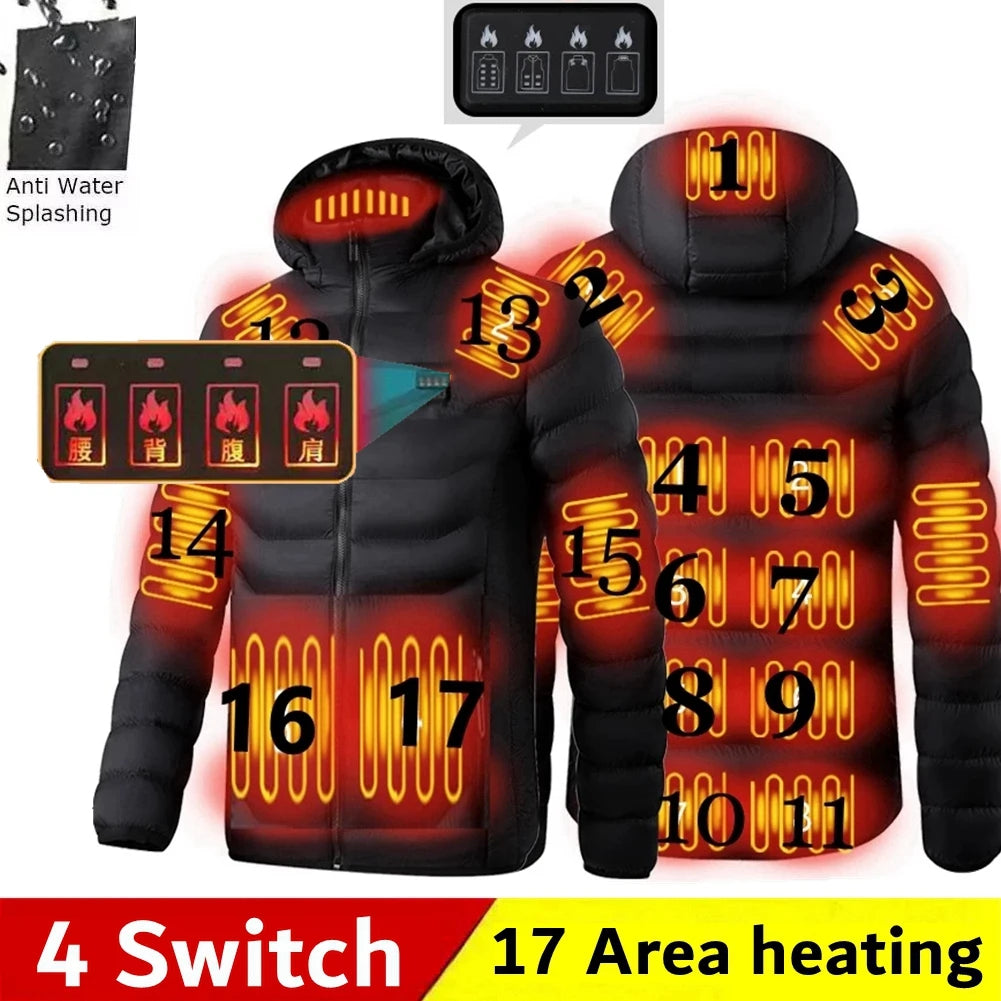
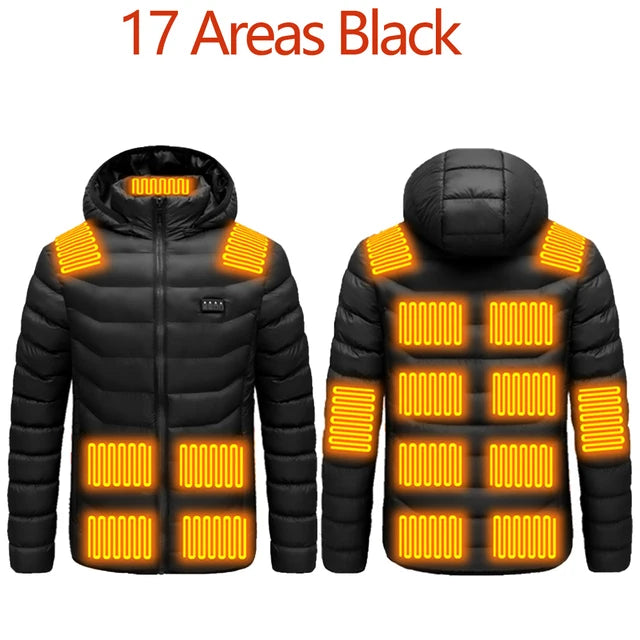
Heated jackets use integrated heating elements to deliver controlled warmth directly to key areas of the body. Instead of relying solely on multiple insulating layers, adjustable heating zones help maintain a consistent temperature while reducing the bulk and friction that can aggravate sensitive skin.
Most modern heated jackets include multiple heat settings, allowing users to fine-tune warmth based on weather conditions and activity level. This helps reduce overheating, excessive perspiration, and the discomfort that often accompanies traditional heavy winter clothing.
When Heated Layers Make Sense
Heated outerwear can be particularly valuable for:
- People who spend long periods outdoors.
- Winter commuters in consistently cold climates.
- Outdoor workers requiring prolonged exposure to low temperatures.
- Individuals who experience discomfort from wearing multiple bulky layers.
Instead of piling on clothing, many users rely on :contentReference[oaicite:0]{index=0} for efficient warmth.
Compare options in our :contentReference[oaicite:1]{index=1}.
Real-Life Comfort: Choosing Thermal Clothing for Every Situation
Commuting
For daily commuting, lightweight thermal base layers help maintain a comfortable body temperature as you move between cold outdoor conditions and heated indoor spaces. Breathable fabrics reduce overheating on public transport, while moisture-wicking materials help prevent damp clothing from irritating sensitive skin.
Hiking & Skiing
Outdoor adventures demand clothing that performs in changing weather. Layering moisture-wicking thermal garments beneath breathable insulating layers keeps you warm without trapping sweat. This combination minimizes friction, maintains mobility, and helps prevent skin irritation during extended periods of activity.
Sleeping Indoors
If your home becomes chilly overnight, lightweight thermal sleepwear or base layers can provide gentle warmth without requiring heavy blankets. Soft, breathable fabrics are generally more comfortable than thick synthetic pajamas for people with sensitive or eczema-prone skin.
Choosing a complete thermal clothing system offers several practical benefits:
- Reduced irritation during extended wear.
- More consistent warmth throughout the day.
- Less need to constantly add or remove clothing layers.
- Lighter packing for travel, skiing, and winter holidays.
- Greater comfort during changing indoor and outdoor temperatures.
Care & Washing Tips to Keep Thermal Clothes Soft and Skin-Friendly
Washing Without Irritation
Proper garment care helps preserve both the softness and technical performance of thermal clothing. Always follow the manufacturer's care instructions, wash garments using cool or lukewarm water when appropriate, and avoid excessively hot drying temperatures that may damage fibers.
Detergents & Fabric Softeners
Choose fragrance-free, gentle detergents whenever possible, especially if you have sensitive skin or eczema. Avoid excessive detergent and use fabric softeners cautiously, as residue can reduce moisture-wicking performance and may trigger irritation for some individuals.
Storage Tips
- Store thermal clothing completely dry.
- Fold delicate fabrics instead of hanging heavy knit garments for long periods.
- Keep garments in a cool, dry place away from direct sunlight.
- Inspect seams and cuffs regularly for signs of wear that could increase friction.
Explore more in our sensitive skin winter skincare routine.
Many people complement their winter setup with wellness tools from the Body Care and Health Devices collection.
For indoor recovery, explore the Lifestyle collection.
Common Mistakes That Make Thermal Clothing Itchy
Wrong Fabric Choice
Selecting fabrics based solely on warmth rather than comfort can lead to unnecessary irritation. Coarse wool, low-quality synthetic blends, or garments with rough interior finishes may increase friction against sensitive skin.
Overheating
Wearing too many heavy layers often causes perspiration to build up, leaving skin damp and more susceptible to itching. Using breathable thermal layers instead of bulky clothing helps maintain a more comfortable temperature.
Poor Laundry Habits
Using harsh detergents, failing to rinse garments thoroughly, or wearing new clothing before washing can all contribute to skin irritation. Gentle laundering helps maintain softness while removing manufacturing residues and accumulated sweat.
Explore the heated solution today
Outdoor winter wear designed for mobility, warmth, and confidence • Stay comfortable anywhere
Frequently Asked Questions About Thermal Clothing for Sensitive Skin
What fabrics are best for eczema-prone skin in winter?
Silk, bamboo viscose, TENCEL™, and premium merino wool are among the best choices because they offer softness, breathability, and effective temperature regulation while reducing friction against delicate skin.
Is merino wool safe for sensitive skin?
Yes. High-quality merino wool uses much finer fibers than traditional wool, making it significantly less itchy while providing excellent insulation, moisture management, and natural odor resistance.
How do I stop winter clothes from itching?
Choose smooth, breathable base layers, avoid rough fabrics, wash new garments before wearing them, use fragrance-free detergents, and prevent overheating by dressing in lightweight layers.
Are thermal base layers breathable enough for daily wear?
Yes. Well-designed thermal base layers regulate body temperature, wick moisture away from the skin, and provide comfortable insulation for everyday commuting, work, and leisure activities.
Can I wear thermals all day without irritation?
Absolutely. Breathable thermal clothing made from skin-friendly materials and properly fitted garments can be worn comfortably throughout the day by most people.
What is the best thermal clothing for sensitive skin?
Premium merino wool, bamboo viscose, TENCEL™, and silk are widely regarded as excellent options because they combine softness, breathability, and effective moisture management.
Which thermal fabrics are least likely to cause itching?
Silk, bamboo viscose, TENCEL™, and fine merino wool generally present the lowest irritation risk when manufactured with smooth fibers and high-quality construction.
Are bamboo thermals better than merino wool for eczema?
It depends on individual preferences. Bamboo is exceptionally soft and comfortable, while merino provides superior warmth and moisture regulation. Many people with eczema tolerate both well when the garments are made from high-quality fibers.
How should I layer winter clothes if I have sensitive skin?
Start with a breathable base layer, add a lightweight insulating mid layer, and finish with a windproof, breathable outer shell. This system helps regulate temperature while minimizing moisture buildup.
Can thermal clothing be worn while sleeping?
Yes. Lightweight thermal garments made from breathable fabrics can provide comfortable warmth during cold nights without excessive bulk.
How do I wash thermal clothing without reducing softness?
Wash using a gentle detergent, follow the care label, avoid excessive heat, and skip harsh fabric treatments that may affect moisture-wicking performance.
What certifications should hypoallergenic winter clothing have?
Look for recognized certifications such as OEKO-TEX® Standard 100, GOTS, and Bluesign® to identify garments tested for harmful substances or manufactured under higher environmental standards.
Is a thermal dress for winter suitable for sensitive skin?
Yes. A thermal dress made from soft, breathable materials with smooth seams can provide comfortable warmth for everyday wear, provided the fabric suits your skin sensitivity.
Related Guide: Heated Battery Jackets for Outdoor Workers