
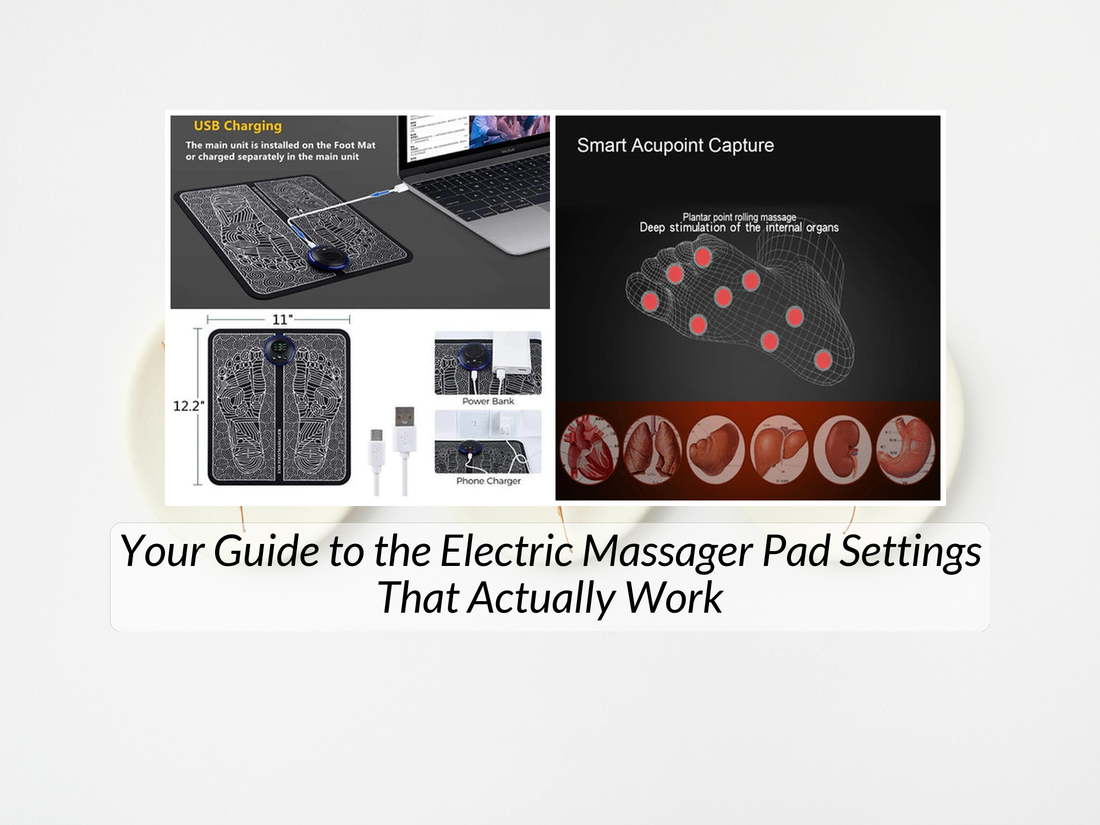
Electric Massager with Pads: Best Devices, Settings & Modes That Actually Work
Electric massager pads aren’t just for relaxation—they’re effective tools for improving circulation, easing muscle tension, and supporting recovery when used correctly. From understanding EMS foot massager modes to choosing the right intensity and frequency, this guide explains what actually works (and what doesn’t) so you get real results.
⏱ 6 min read
Best Electric Massagers with Pads (2026 Comparison)
Quick Comparison Table
| Product Type | Modes | Intensity Levels | Best For | Battery Life |
|---|---|---|---|---|
| EMS Foot Massager | 6–12 | 10–20 | Circulation & relaxation | USB rechargeable |
| TENS Pad Massager | 10–25 | 20+ | Pain relief | 20–30 hours |
| Hybrid EMS/TENS Device | 15–30 | 20+ | Muscle recovery & toning | Long-lasting battery |
Top Picks by Use Case
- Best for Pain Relief: TENS-based electric massager with adjustable pulse modes
- Best for Muscle Toning: EMS muscle stimulator with progressive intensity
- Best for Feet & Circulation: EMS foot massager pad with pre-set programs
- Best All-in-One: Hybrid EMS/TENS device with customizable settings
Shop the Electric Massager Pad Now

💡 See it in action — electric massager pad modes that actually work
🎥 Watch the KentDO™ EMS Foot Massager in Action
Discover how the KentDO™ EMS Foot Massager boosts circulation, relieves swelling, and restores comfort in minutes.
What Is an Electric Massager Pad?
An electric massager pad is a compact device that uses electrical impulses or vibration patterns to stimulate muscles, improve blood flow, and reduce discomfort. Commonly used on feet, legs, back, and shoulders, these devices provide convenient at-home therapy without manual massage.
How EMS & TENS Massager Pads Actually Work
EMS vs TENS Explained
Electric massagers with pads typically use two technologies: EMS (Electrical Muscle Stimulation) and TENS (Transcutaneous Electrical Nerve Stimulation).
- EMS: Stimulates muscles directly for contraction and recovery
- TENS: Targets nerves to reduce pain signals
EMS Massage Pad: How It Works on Muscles
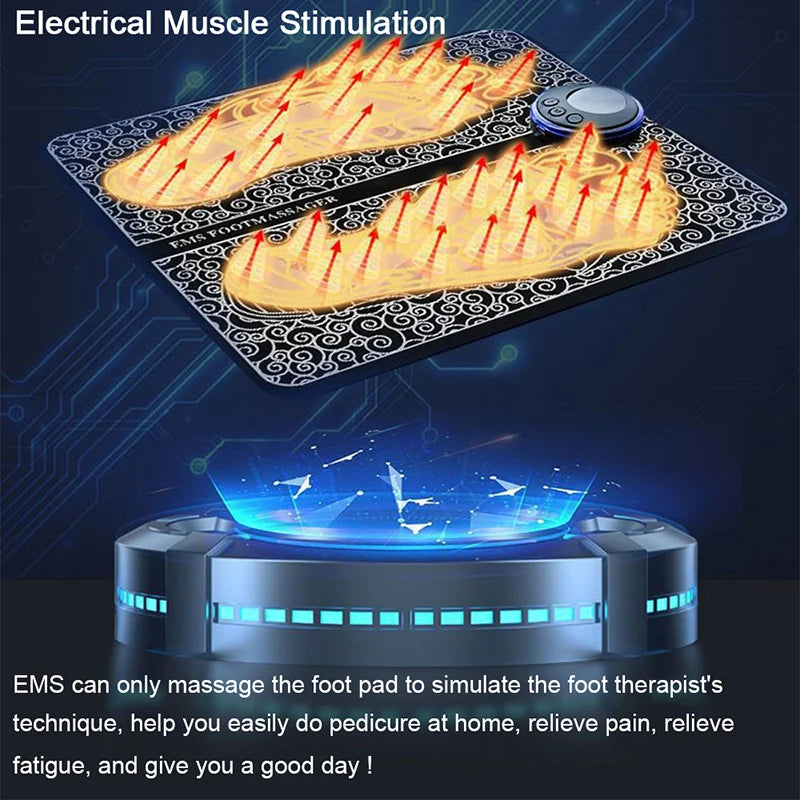
EMS sends low-frequency electrical impulses through pads placed on the skin. These signals mimic natural nerve activity, causing muscles to contract and relax, which helps improve circulation and reduce stiffness.
Electric Massager Pad Settings & Modes Explained
Common Electric Massager Pad Modes
- Kneading mode: Deep tissue-like stimulation
- Tapping mode: Rhythmic pulses for relaxation
- Acupuncture mode: Targeted pinpoint stimulation
- Scraping mode: Boosts circulation
- Combination mode: Multi-pattern therapy
Which Settings Work Best for Pain vs Recovery
- For pain relief: Low-frequency steady pulses
- For recovery: Medium frequency intervals
- For toning: Higher intensity EMS cycles
- For relaxation: Gentle rhythmic patterns

💡 Adjust settings gradually to match your comfort and goals
Explore EMS Foot Massager Settings
EMS Foot Massager Modes Explained
EMS foot massagers use preset programs designed to stimulate reflex zones and improve circulation.
- Massage mode: General relaxation
- Acupressure mode: Targets pressure points
- Pulse mode: Enhances circulation
- Combination mode: Mixed stimulation patterns
Adjustable intensity levels matter more than the mode itself for achieving consistent results.
Does EMS Massage Actually Work? (Science + Real Use Cases)
Yes—EMS massage works when used correctly, but results depend on your goal.
- For recovery: Reduces soreness and improves blood flow
- For toning: Supports muscle activation (not a replacement for exercise)
- For pain relief: TENS is generally more effective
Electrical stimulation is widely used in rehabilitation and recovery routines for improving comfort and mobility.
Shockwave Therapy Frequency: What It Means
Many devices reference “shockwave,” but most consumer massagers simply vary pulse speed—not true clinical shockwave therapy.
- Low (1–10 Hz): Relaxation
- Medium (10–50 Hz): Circulation & recovery
- High (50+ Hz): Intense stimulation
How to Use an Electric Massager with Pads (Step-by-Step + Placement Guide)
- Clean and dry your skin
- Place pads on target muscles
- Start at low intensity
- Increase gradually
- Use for 15–30 minutes
Correct Pad Placement by Body Area
- Back: Along both sides of the spine
- Shoulders: Upper muscles
- Legs: Calves or thighs
- Feet: Directly on the pad surface
Mistakes to Avoid
- Starting with high intensity
- Placing pads on joints
- Using on damaged skin
- Overusing sessions
💡 Consistent use leads to better long-term results
Order Your EMS Foot Massager Pad
How to Choose the Best Electric Massager with Pads
Key Features to Compare
- Modes: More variety = better customization
- Intensity: Essential for progression
- Pad quality: Reusable adhesive
- Battery: Longer usage time
- Portability: Travel-friendly design
Who Should Buy EMS vs TENS
- EMS: Muscle recovery & toning
- TENS: Pain relief
- Hybrid: All-in-one solution
Mini FAQ
What is the primary benefit of an electric massager pad?
It helps relieve muscle tension, improve circulation, and reduce discomfort.
Is EMS safe for seniors?
Yes, with low intensity and proper guidance.
How often should I use the EMS massager?
15–30 minutes per session, 1–2 times daily.
Can I use EMS while standing?
No, it’s safest when seated or lying down.
Why is my electric massager not working properly?
Usually due to poor pad contact, low battery, or incorrect settings.
Do electric massager pads lose effectiveness over time?
Yes, pads wear out and should be replaced regularly.
Pillar Article: How to Use Your EMS Foot Massager Like a Pro (Step-by-Step)
Other Related Articles:
- Stop Doing This with Your EMS Foot Massager (It’s Killing Results)
- How to Clean and Store Your EMS Foot Massager the Right Way
- Instant Relief: Best Way to Place Your EMS Pads for Results
- Why Your EMS Foot Massager Isn’t Working (Fix It Fast)
Explore More:













