
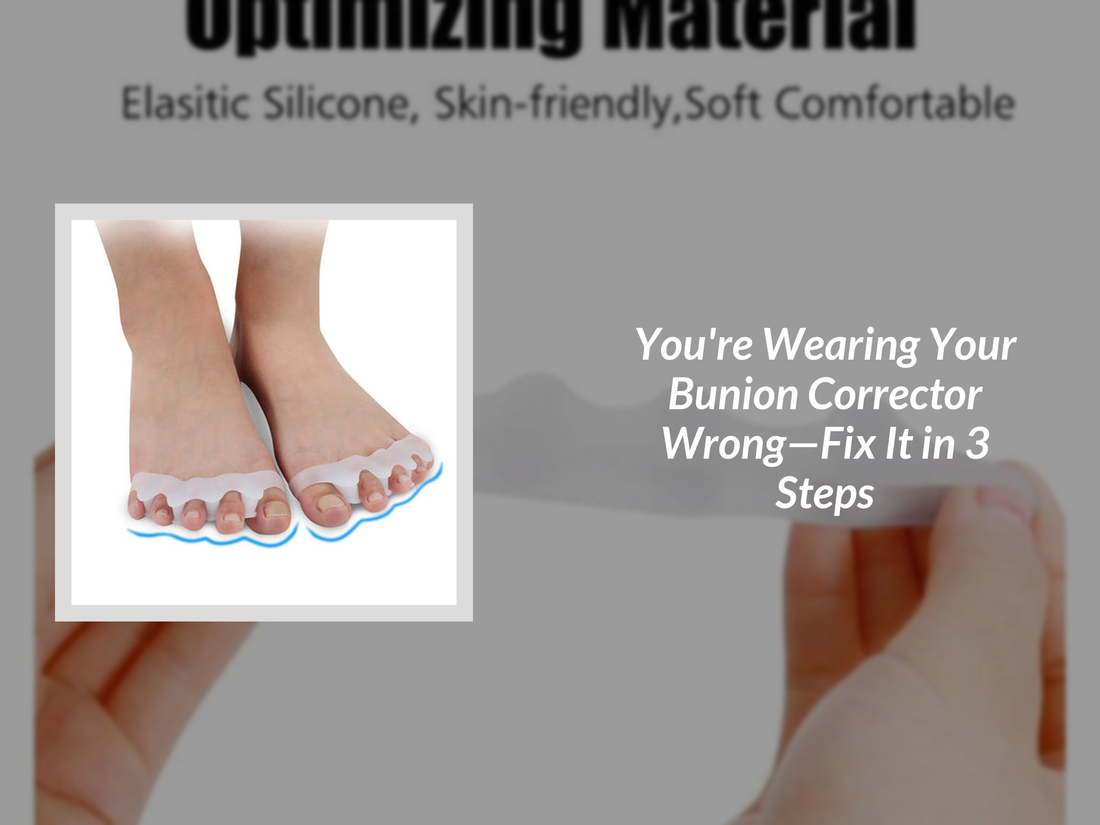
❓ Can you sleep with toe spacers safely?
Yes, many people can sleep with toe spacers safely if they use soft, well-fitted silicone spacers and introduce them gradually. Overnight use can help maintain gentle toe separation during long rest periods, but it is not suitable for everyone. If you experience numbness, tingling, or pain, remove them immediately and reduce wear time.
Sleeping With Toe Spacers: Is It Safe, Effective, and Should You Wear Them Overnight?
Many people dealing with bunions , toe crowding, or general foot pain wonder whether it is safe to sleep with toe spacers. These small separators are designed to gently spread the toes and support more natural alignment while reducing pressure between joints. When used correctly, they may help improve comfort and foot mobility over time.
However, not all toe spacers are designed for overnight use. Rigid splints or overly tight devices can create pressure points, restrict circulation, or worsen discomfort during sleep. Understanding how they work—and how your feet respond overnight—is essential for safe use.
⏱ 7 min read

Bunion corrector designed for overnight alignment support
Can You Sleep With Toe Spacers?
Yes, many people can sleep with toe spacers safely, but overnight use is not appropriate for everyone. Most foot specialists recommend starting with short daytime sessions before progressing to longer wear or overnight use.
Short Answer: Is Overnight Wear Safe?
Sleeping with toe spacers is generally safe when they fit properly, do not cause pain, and are introduced gradually. The goal is gentle toe separation without restricting blood flow or creating pressure points.
Who Can Usually Sleep With Toe Spacers Safely
- People with mild bunions (hallux valgus)
- Individuals with crowded or overlapping toes
- Those with toe compression from narrow footwear
- Users already comfortable with daytime wear
When Overnight Use Is Not Recommended
- If spacers cause numbness or tingling
- If you have circulation disorders
- If you have diabetic neuropathy or reduced sensation
- If pain increases during or after use
How Toe Spacers Work While You Sleep
The Biomechanics of Toe Alignment
Toe spacers gently separate the toes, encouraging a more natural anatomical position. This may reduce compression and help distribute pressure more evenly across the forefoot.
Why Toe Crowding and Bunions Develop
Toe crowding often develops from years of narrow footwear, genetics, and repetitive pressure. Over time, this can contribute to bunions, overlapping toes, and reduced joint mobility.
What Happens During Overnight Toe Separation
During sleep, your feet are not exposed to bodyweight or shoe pressure. This allows toe spacers to maintain gentle separation for several uninterrupted hours, supporting passive positioning.
Who Benefits Most From Sleeping With Toe Spacers?
Bunions (Hallux Valgus)
People with mild to moderate bunions may use spacers to reduce crowding and relieve pressure around the big toe joint.
Overlapping or Crowded Toes
Toe spacers may help reduce friction and improve spacing between toes that overlap or rub together.
Hammertoes and Mild Toe Deformities
In mild cases, spacing may improve comfort and reduce irritation, depending on severity.
General Foot Discomfort From Narrow Footwear
People transitioning away from tight shoes or high heels may benefit from gentle overnight toe realignment support.
Benefits of Sleeping With Toe Spacers
Reduced Toe Compression During Long Rest Periods
Overnight wear reduces continuous toe compression and allows joints to rest in a more neutral position.
Improved Awareness of Natural Toe Position
Regular use may help retrain awareness of proper toe spacing and alignment habits.
Potential Pain and Pressure Relief
Some users experience reduced friction and pressure relief around bunion joints and toe spaces.
May Complement Mobility and Foot-Strengthening Programs
Toe spacers can be combined with toe mobility exercises and strengthening routines for better overall foot function.
What Toe Spacers Cannot Do
Why They Do Not Permanently Straighten Bones
Toe spacers temporarily influence positioning but cannot permanently reshape bones or reverse structural deformities alone.
When Surgery or Professional Treatment May Still Be Necessary
Severe hallux valgus , advanced hammertoes , or progressive deformities may require professional evaluation by a podiatrist .
Setting Realistic Expectations
Most users experience improved comfort and spacing awareness rather than permanent anatomical correction.
Possible Risks and Side Effects of Sleeping With Toe Spacers
Circulation Restriction and Numbness
Improper sizing may reduce blood flow and cause tingling or numbness.
Increased Soreness During Adaptation
Mild soreness may occur as feet adapt, but symptoms should gradually improve.
Skin Irritation and Pressure Points
Friction or prolonged contact may cause redness or irritation in sensitive areas.
When Overnight Use May Worsen Foot Pain
If discomfort increases or persists after removal, discontinue overnight use.
Who Should Avoid Sleeping in Toe Spacers
- People with severe circulation issues
- Individuals with neuropathy
- Those with open wounds or infections
- Anyone experiencing persistent numbness
Signs You Should Stop Wearing Toe Spacers Overnight
Warning Symptoms That Require Immediate Removal
- Numbness
- Persistent tingling
- Sharp pain
- Cold or discolored toes
- Skin breakdown
When to Contact a Podiatrist
If symptoms persist or worsen, consult a podiatrist for evaluation.
Normal Adjustment vs Problematic Symptoms
Mild stretching awareness is normal; pain or sensory changes are not.
How Long Should You Wear Toe Spacers? Recommended Progression Schedule
First Week Adaptation Plan
Start with 15–30 minutes daily to assess comfort and tolerance.
Weeks Two Through Four
Gradually increase wear time if no adverse symptoms appear.
When to Consider Overnight Wear
Only after consistent comfort during extended daytime use.
Long-Term Maintenance
Many users continue periodic use as part of ongoing foot care routines.
How to Wear Toe Spacers at Night
- Select a properly sized soft silicone spacer.
- Insert spacers gently between toes without forcing separation.
- Walk briefly to check pressure points.
- Wear for a short pre-sleep test period.
- Sleep with spacers only if fully comfortable.
- Check feet in the morning for any irritation.
Step 4: Monitor Your Feet in the Morning
Look for redness, numbness, soreness, or skin irritation.
Tips for Safe Overnight Toe Spacer Use
Wear the Correct Size
Spacers should gently separate toes without forcing them apart.
Keep Feet Clean and Dry
Good hygiene reduces irritation risk during overnight wear.
Avoid Forcing Toe Separation
More pressure does not equal better results.
Combine With Foot Exercises
Support results with toe mobility exercises and strengthening work.
Know When to Scale Back Usage
Reduce use if discomfort develops.
Expert Recommendations on Wearing Toe Spacers at Night
What Podiatrists Commonly Recommend
Gradual progression is preferred to allow tissue adaptation and reduce irritation risk.
Why Gradual Progression Matters
Slow adaptation helps prevent pressure-related injuries and improves comfort outcomes.
Individual Factors That Influence Results
Foot shape, footwear habits, and existing conditions all affect results.
FAQ: Sleeping With Toe Spacers
Can I sleep with toe spacers every night?
Yes, if you tolerate them well and have no circulation issues, but gradual use is recommended.
Is numbness normal when wearing toe spacers overnight?
No. Numbness indicates excessive pressure and should prompt immediate removal.
Can toe spacers fix bunions permanently?
No, they can improve comfort and alignment awareness but do not permanently correct bone structure.
Can you wear socks over toe spacers while sleeping?
Yes, soft socks may improve comfort and keep spacers in place.
How long should you wear toe spacers?
Start with 15–60 minutes daily and increase gradually based on comfort.
Do podiatrists recommend toe spacers?
Some podiatrists recommend them for mild toe crowding and bunion discomfort management.
Are toe spacers safe for plantar fasciitis?
They may support foot alignment but should be used as part of a broader plantar fasciitis care plan.
Pillar Article: How to Use Gel Toe Spacers for Bunions (Without Making It Worse)
Related Articles:
- Toe Straighteners 101: How Long Should You Wear Them Daily?
- Do Gel Yoga Toes Actually Improve Bunion Alignment? Here’s the Technique
- How to Clean and Reuse Your Toe Separators Like a Pro
- How Do You Walk Comfortably in Bunion Shoes? Try These 5 Fixes
Explore More:













