
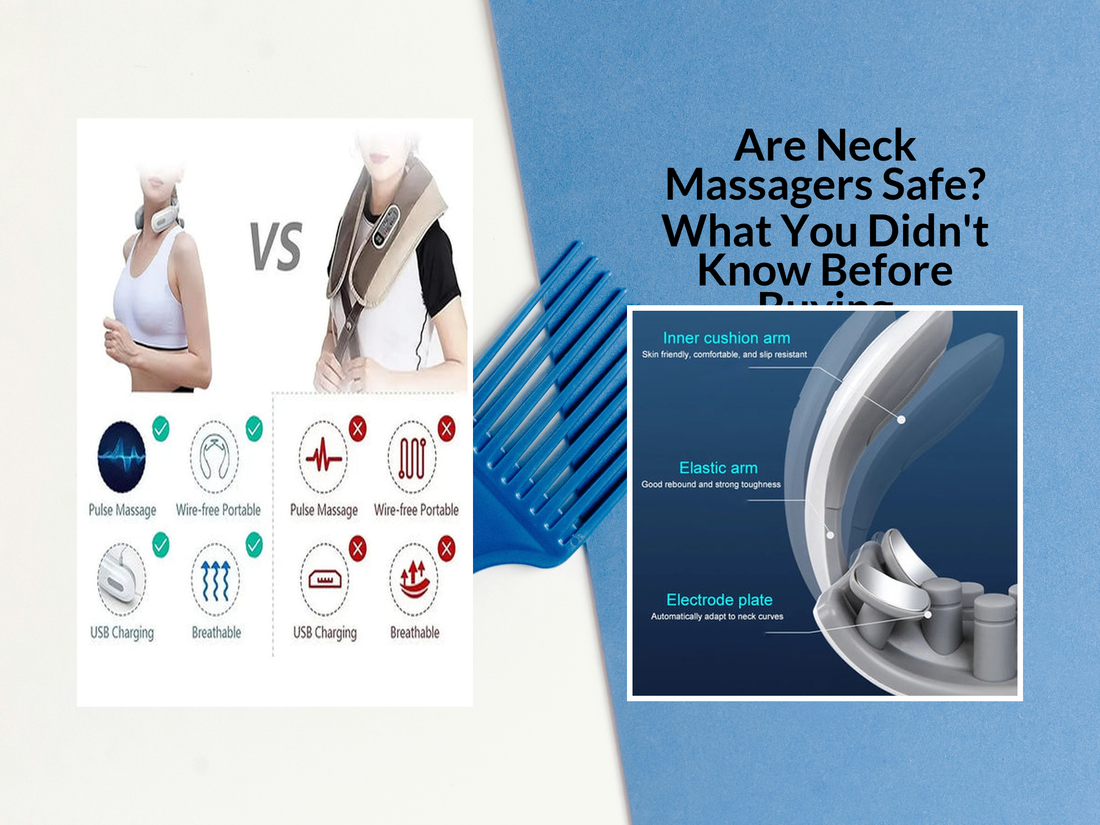
Are Neck Massagers Safe? Risks, Benefits, Side Effects, and Who Should Avoid Them
Are neck massagers safe for daily use, or are you unknowingly putting your spine at risk? Whether you've heard a crunching sound during a massage, experienced soreness afterward, or are considering buying a device for chronic tension, understanding both the benefits and risks is essential. This evidence-based guide explains how neck massagers work, potential side effects, contraindications, and safe usage practices.
⏱ 7 min read
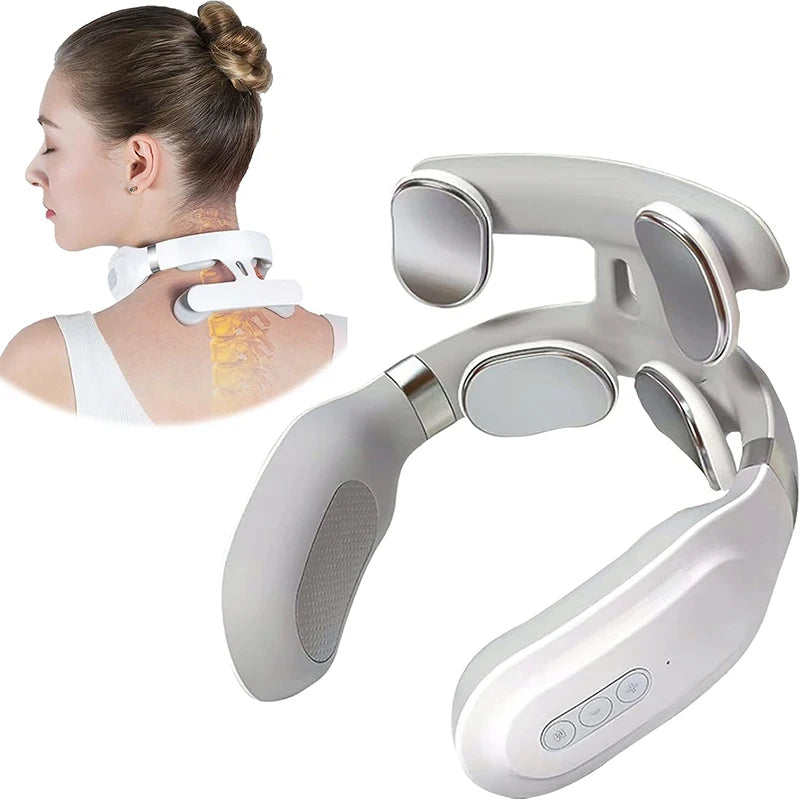
Discover safer deep neck massage options that protect your spine.
Are Neck Massagers Safe?
Evidence-Based Answer: When They Are Safe vs Unsafe
Neck massagers are generally safe for most healthy adults when used correctly and in moderation. However, safety depends on the type of device, intensity, duration of use, and individual health conditions.
Electric, vibrating, heated, and deep tissue neck massagers can provide relief from muscle tension, but misuse or overuse may lead to soreness, nerve irritation, or worsening of underlying neck conditions.
The key safety principle is controlled use: short sessions, low-to-moderate intensity, and avoiding use in areas with injury, inflammation, or vascular risk.
- Start with the lowest comfortable intensity level.
- Follow the manufacturer's recommended session duration.
- Stop immediately if you experience sharp pain, numbness, or dizziness.
- Avoid using massage devices on recently injured tissues.
How Neck Massagers Work
Vibration, Heat, EMS, and Deep Tissue Mechanisms Explained
Modern neck massagers use different technologies to reduce muscle tension and improve comfort. Understanding these mechanisms can help users choose safer settings and avoid overuse.
- Vibration: Stimulates muscles and may temporarily reduce tension and stiffness.
- Heat Therapy: Promotes relaxation by increasing local blood flow and warming tight muscles.
- EMS (Electrical Muscle Stimulation): Uses gentle electrical impulses to activate muscles and may support recovery when used appropriately.
- Deep Tissue Massage: Applies targeted pressure to deeper muscle layers, which can help relieve chronic tightness but may cause soreness if used aggressively.
For a deeper understanding of neck structures, review a cervical spine anatomy guide before using high-pressure massage devices.
Neck Massager Side Effects & Risks
Common Short-Term Effects
Some users may experience mild and temporary effects after using a neck massager, especially deep tissue or high-intensity settings.
- Muscle soreness or tenderness
- Temporary redness or skin warmth
- Stiffness after overuse
- Mild headache in sensitive users
Health Risks of Frequent Heated or Deep Tissue Use
Frequent or prolonged use of heated massagers may increase inflammation in sensitive muscles or aggravate existing neck injuries. Excessive pressure may also strain cervical joints or irritate nerves.
Overuse is one of the most common causes of discomfort, especially when users exceed recommended session times. Understanding potential deep tissue massage risks can help reduce unnecessary strain.
Are Electric or Vibrating Neck Massagers Safe?
Electric and vibrating neck massagers are safe when used properly, but high-intensity vibration or incorrect positioning can increase the risk of muscle strain or nerve irritation.
| Potential Benefits | Possible Side Effects |
|---|---|
| Reduced muscle tension | Temporary soreness |
| Improved circulation | Mild redness |
| Tension headache relief | Dizziness in sensitive users |
| Relaxation and better sleep | Nerve irritation if misused |
Using a quality device from the Body Care and Health Devices collection may help support safer use when combined with proper technique.
Who Should NOT Use a Neck Massager
Medical Contraindications
Neck massagers should be avoided or used only under medical supervision if you have:
- Cervical spine instability or recent neck injury
- Herniated or bulging discs in the neck
- Carotid artery disease or vascular disorders
- Severe osteoporosis
- Unexplained neck pain or neurological symptoms
High-Risk Groups
- Elderly individuals with fragile bones
- Pregnant users, especially without medical approval
- People recovering from surgery or trauma
- Individuals with implanted medical devices who have not received medical clearance
Can Neck Massagers Cause Damage?
Nerves, Arteries, and Cervical Spine Safety Explained
When used correctly, neck massagers are unlikely to cause permanent damage to nerves or arteries. However, improper use—such as excessive pressure, prolonged sessions, or use on pre-existing injuries—can irritate soft tissue or aggravate underlying conditions.
The cervical spine contains sensitive structures, including nerves and blood vessels, so aggressive or misaligned use should be avoided.
People with vascular or neurological conditions should consult a healthcare professional before using any neck massager.

Crunching or clicking? Learn how to massage safely without unnecessary joint stress.
Is That Crunching Sound Normal?
When It’s Harmless vs When It Signals a Problem
A mild cracking or crunching sound during neck massage is often caused by gas bubbles in the joints or movement of tendons over bone structures. In many cases, this is harmless.
However, if the sound is accompanied by pain, dizziness, or stiffness, it may indicate joint irritation or improper technique.
If discomfort persists, discontinue use and consult a healthcare professional.
Why You May Feel Neck Pain After Massage
Delayed Onset Soreness vs Injury Warning Signs
Mild soreness after using a neck massager is often due to increased blood flow and muscle activation, similar to post-exercise soreness.
However, sharp pain, radiating discomfort, or worsening stiffness may indicate overuse or improper device settings.
If pain lasts more than 48 hours or worsens, stop using the device and seek medical advice.
Supporting recovery with proper hydration, stretching, and proven muscle recovery techniques may help minimize temporary discomfort.
Safe Usage Guidelines
How Often Should You Use a Neck Massager?
Most users should limit use to 10–20 minutes per session, 2–4 times per week depending on sensitivity and device intensity. Some people may tolerate daily use, but more frequent sessions are not always better.
Safe Duration, Pressure, and Heat Settings
- Start with low intensity settings
- Avoid prolonged high-heat use
- Do not apply excessive pressure on the spine
- Use built-in timers when available
- Review heat therapy safety guidelines before extended heated sessions
Areas to Avoid on the Neck
Avoid direct pressure on the front of the neck, especially around the throat, carotid arteries, and areas with swelling, infection, or inflammation.
Explore our Lifestyle collection for additional wellness tools that can complement healthy recovery habits.
When to Stop Using a Neck Massager
Warning Signs You Should Never Ignore
- Sharp or stabbing neck pain
- Numbness or tingling in the arms or hands
- Dizziness or balance problems
- Radiating pain into the shoulders or upper back
- Symptoms that worsen after each session
- Persistent swelling or inflammation
If any of these symptoms occur, discontinue use and seek medical evaluation.
FAQs: Neck Massager Safety
Are neck massagers safe to use daily?
Daily use may be safe for some individuals, but most experts recommend limiting frequency to prevent muscle overuse or irritation. Pay attention to soreness levels and adjust accordingly.
Can neck massagers cause nerve damage?
Nerve damage is rare when devices are used correctly, but excessive pressure or improper positioning can irritate nerves and lead to temporary symptoms.
Are neck massagers safe for people with arthritis?
They may be safe in mild cases, but individuals with severe arthritis or cervical spine degeneration should consult a doctor before use.
Are heated neck massagers safe?
Heat can improve relaxation and comfort but may worsen inflammation if overused or applied to injured tissues.
What should I look for in neck massager safety?
Look for adjustable intensity, auto shut-off, temperature control, ergonomic design, and clear usage instructions that help avoid unnecessary pressure on sensitive neck structures.
Can I use a neck massager if I have a herniated disc?
Individuals with herniated or bulging discs should consult a healthcare professional before using a neck massager, as certain massage techniques may aggravate symptoms.
Is it normal to feel sore after using a neck massager?
Mild soreness can be normal, especially after deep tissue massage. Persistent pain, numbness, or worsening symptoms are not normal and should be evaluated.
Want more insights on body and face care? Explore expert guides and comparisons from our Beauty & Self-Care Blog .
Pillar Article: Best Heated Neck Massagers of 2025: What Actually Works?
Other Related Articles:
- Is a Heated Neck Massager Worth It? What Real Users Say
- Massagers for Tension Headaches: Stop Wasting Time on the Wrong One
- Deep Tissue Massage for Stiff Necks: Top Devices That Deliver
- Neck Massager Rollers Compared: Which One Fits Your Lifestyle?
Explore More:













