
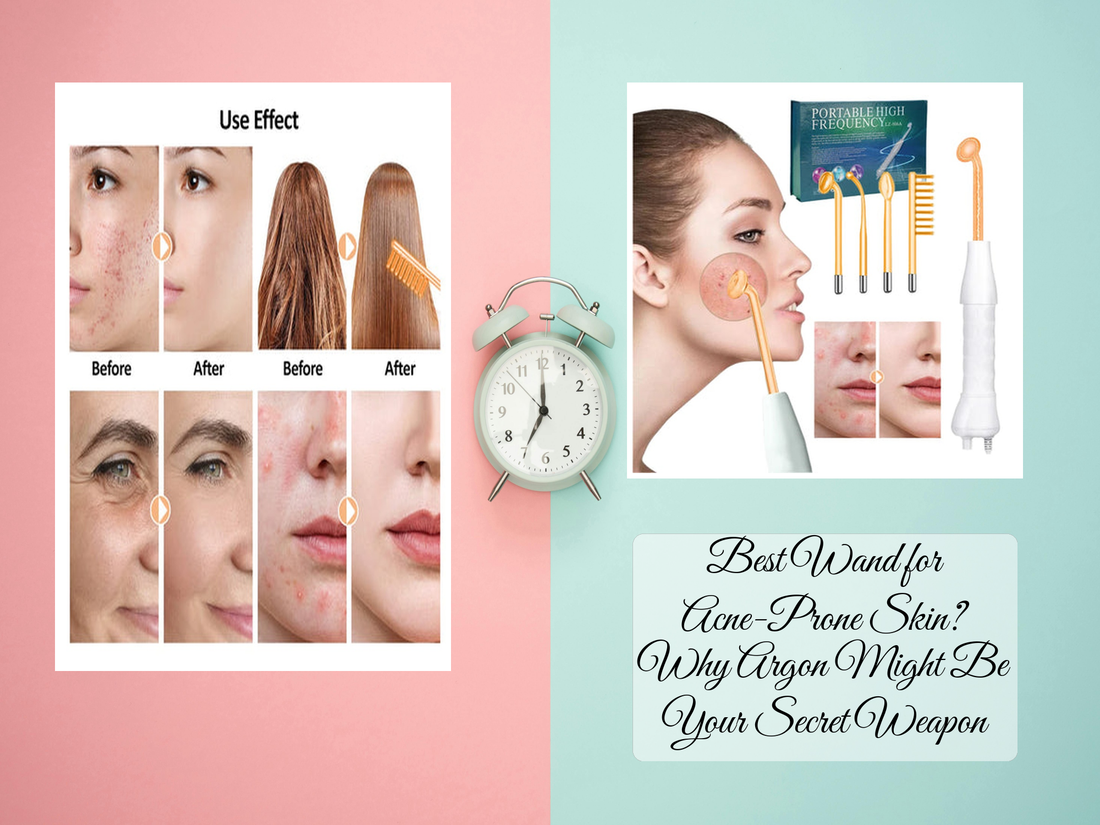
Argon vs Neon High Frequency: Which Electrode Is Better for Your Skin?
High frequency facial devices are widely used in skincare treatments to address acne, improve circulation, and support overall skin health. One of the most common questions when choosing a device is whether argon or neon high frequency electrodes work better for specific skin concerns.
Argon skin treatments are gaining traction—especially for acne-prone skin. The argon high frequency benefits include clearer pores, fewer breakouts, and faster blemish healing. But neon electrodes also play an important role in facial rejuvenation and circulation support.
Understanding how these two gases work can help you choose the right treatment for your skin type and goals.
⏱ 7 min read

💡 Discover the high frequency argon gas benefits in action—see it work on acne and breakouts.
How High Frequency Facial Devices Work
High frequency facial devices use a low-level electrical current that passes through a glass electrode filled with gas. When the current activates the gas inside the electrode, it produces a visible glow and creates a mild thermal effect on the skin.
This process generates a small amount of ozone at the skin’s surface. Ozone has natural antibacterial properties, which is why high frequency treatments are commonly used in professional facials to help manage acne, stimulate circulation, and support skin rejuvenation.
Different gases produce different effects. The two most common gases used in facial electrodes are argon and neon, and each creates unique benefits for specific skin concerns.
Why Gas Type Matters in High Frequency Wands
The gas inside the electrode determines the color of the glow and the primary skin benefits. Argon typically emits a violet or purple glow, while neon produces an orange or red glow.
These color differences are not just cosmetic. They reflect different electrical characteristics that influence how the treatment interacts with the skin. Because of this, argon and neon high frequency electrodes are often recommended for different skincare goals.
To explore more professional-grade options, browse the Skin and Beauty Care Devices collection.
Argon vs Neon High Frequency: Quick Comparison
If you're deciding between argon and neon electrodes, the key differences usually relate to treatment goals and skin concerns.
- Glow color: Argon electrodes glow violet or purple, while neon electrodes glow orange or red.
- Main purpose: Argon focuses on acne and oily skin, while neon targets circulation and skin rejuvenation.
- Skin effects: Argon produces stronger antibacterial ozone effects, while neon helps increase blood flow.
- Best for: Argon works well for breakouts and congested pores, while neon is ideal for dull or mature skin.
Both electrode types are commonly used in professional facials and can complement each other depending on the treatment plan.
What Is Argon High Frequency Therapy?
Argon high frequency therapy uses a glass electrode filled with argon gas to deliver electrical stimulation to the skin. When the device is activated, the gas produces a violet glow and releases small amounts of antibacterial ozone.
This treatment is widely used in acne-focused facials because it helps disinfect pores, calm inflammation, and reduce breakout-causing bacteria on the skin's surface.
Most commonly delivered through a high frequency skin wand, argon electrodes are particularly helpful for oily or congested skin types that require deep pore cleansing.
Why Argon Electrodes Glow Violet
The violet or purple glow seen in argon electrodes occurs when electrical current energizes the argon gas inside the glass tube. This reaction produces light, mild heat, and a small ozone effect on the skin.
These properties are what give argon treatments their reputation for helping manage acne and supporting faster blemish recovery.
Argon High Frequency Benefits for Skin
Argon high frequency electrodes are widely used in acne-focused skincare treatments because they produce a stronger antibacterial effect on the skin’s surface.
- Helps reduce acne-causing bacteria through ozone production
- Supports faster healing of blemishes and inflamed breakouts
- Controls excess oil in oily and congested skin
- Reduces redness and inflammation associated with acne
- Improves skin clarity with regular treatments
Because of these effects, argon high frequency treatments are commonly recommended for acne-prone and oily skin types.

💡 High frequency argon gas benefits include clearer, calmer, and faster-healing skin—get the glow with less effort.
What Is Neon High Frequency Therapy?
Neon high frequency therapy uses electrodes filled with neon gas to deliver gentle electrical stimulation to the skin. When activated, the electrode emits a warm orange or red glow.
This type of high frequency treatment is commonly used to promote circulation and support skin rejuvenation. The mild warming effect encourages blood flow, which helps bring oxygen and nutrients to skin cells.
Why Neon Electrodes Glow Orange
The orange glow seen in neon high frequency electrodes occurs when electrical current energizes the neon gas inside the glass tube. This reaction produces light and heat that gently warms the skin.
Because of this warming effect, neon high frequency is often recommended for anti-aging facials, dull complexions, and improving overall skin vitality.
Neon High Frequency Benefits for Skin
While argon high frequency is often associated with acne treatments, neon electrodes are usually preferred for improving skin tone and circulation.
- Boosts blood circulation to support healthy skin metabolism
- Encourages collagen production through gentle stimulation
- Improves dull or tired skin by increasing oxygen flow
- Supports anti-aging facials by energizing skin cells
- Enhances product absorption during professional treatments
Because neon focuses more on rejuvenation than bacteria control, it is commonly used in treatments designed to brighten the skin and improve elasticity.
Argon vs Neon for Skin: Key Differences Explained
Although both gases are used in high frequency skincare devices, they serve different purposes depending on the skin concern being treated.
| Feature | Argon Electrode | Neon Electrode |
|---|---|---|
| Glow Color | Violet / Purple | Orange / Red |
| Main Use | Acne and bacteria control | Circulation and skin rejuvenation |
| Best Skin Type | Oily or acne-prone | Dry, dull, or mature |
| Primary Benefit | Antibacterial ozone effect | Circulation stimulation |
Argon for Acne and Oily Skin
Argon electrodes are commonly used when treating active breakouts or congested pores. The antibacterial ozone effect helps disinfect the skin and reduce inflammation.
Neon for Anti-Aging and Circulation
Neon electrodes produce more warmth and circulation stimulation, making them ideal for treatments designed to improve glow, elasticity, and skin vitality.
When to Use Argon vs Neon in a Facial Routine
Choosing between argon and neon high frequency often depends on the goal of the facial treatment.
- Use argon electrodes when targeting acne, oily skin, or inflamed breakouts.
- Use neon electrodes when focusing on anti-aging treatments or boosting circulation.
- Switch between both when performing advanced facials that address multiple skin concerns.
For example, an esthetician may use argon on breakout-prone areas such as the T-zone, then switch to neon on the cheeks to stimulate circulation and improve skin glow.
How to Use a High Frequency Wand Safely
High frequency devices are commonly used in both professional facials and at-home skincare routines. Proper technique helps maximize results while keeping treatments comfortable.
Step-by-Step Facial Routine
- Cleanse the skin thoroughly and remove all makeup or oils.
- Insert the desired electrode (argon or neon) into the device.
- Place a thin gauze layer over the skin if performing indirect treatment.
- Turn the device on at a low setting.
- Glide the electrode slowly across the skin using circular motions.
- Treat each area for about 3–5 minutes.
- Finish with serum or moisturizer to support skin recovery.
Most facial treatments last between 5 and 10 minutes depending on the skin concern being addressed.
👉 For additional treatment devices and skincare tools, explore the Skin and Beauty Care Devices collection.
Esthetician Tips for Choosing Between Argon and Neon
Professional estheticians often select the electrode type based on skin condition rather than choosing only one gas.
- Acne-focused facials: Argon is typically preferred due to its antibacterial ozone effect.
- Anti-aging facials: Neon helps stimulate circulation and improve skin vitality.
- Sensitive skin: Neon may feel gentler due to its warming effect.
- Combination treatments: Both electrodes can be used on different areas of the face.
Many modern skincare devices include interchangeable electrodes so treatments can be customized based on individual skin needs.
Real User Results: Does It Really Work?
Many users report visible improvements in breakout frequency and skin clarity within just a few weeks. Here’s what some users say:
- “I’ve tried everything from salicylic acid to prescription treatments. The KentDO wand improved my breakouts within days.”
- “I use it after my nighttime routine and it helps calm redness almost immediately.”
- “Perfect for hormonal breakouts. I noticed fewer cystic pimples after consistent use.”

💡 High frequency skin wand with argon gas delivers faster healing and real acne relief—see what your skin is missing.
FAQs About Argon and Neon High Frequency
Is argon gas safe for skin?
Yes. Argon gas is safe for topical treatments in high frequency devices. When used properly, it helps target acne-causing bacteria without damaging the skin barrier.
Can I use an argon wand every day?
Most skincare professionals recommend using high frequency treatments 2–3 times per week to avoid irritation or excessive dryness.
How long before I see results?
Some users notice reduced redness and faster blemish healing within one to two weeks. Consistent treatments usually provide better long-term improvements.
Is this safe for all skin types?
Argon works best for oily or acne-prone skin, while neon electrodes are generally preferred for dry, dull, or mature skin types.
Which is better: neon or argon high frequency?
Neither option is universally better. Argon tends to work best for acne treatments, while neon is commonly used for circulation and anti-aging facials.
Can you switch between neon and argon electrodes?
Yes. Many high frequency devices include interchangeable electrodes so you can switch between gases depending on the area being treated or the skincare goal.
Is high frequency safe for acne?
High frequency facials are commonly used by estheticians to help manage acne because the ozone effect can reduce bacteria and support faster blemish healing.
Pillar Article: Who Should Use a High Frequency Wand? Match It to Your Skin Type
Other Related Articles:
Explore More:













