

Do Blackhead Extractors Work? Effectiveness, Safety, and Dermatologist Advice
Do blackhead extractors actually work, and are they safe for your skin? Blackhead removal tools — often called comedone extractors — are commonly used by dermatologists and estheticians to remove certain types of clogged pores. However, their effectiveness and safety depend heavily on proper technique, skin type, and hygiene. This evidence-based guide explains how blackhead extractor tools work, when they are effective, when they can damage skin, and how to use them safely at home.
⏱ 8 min read
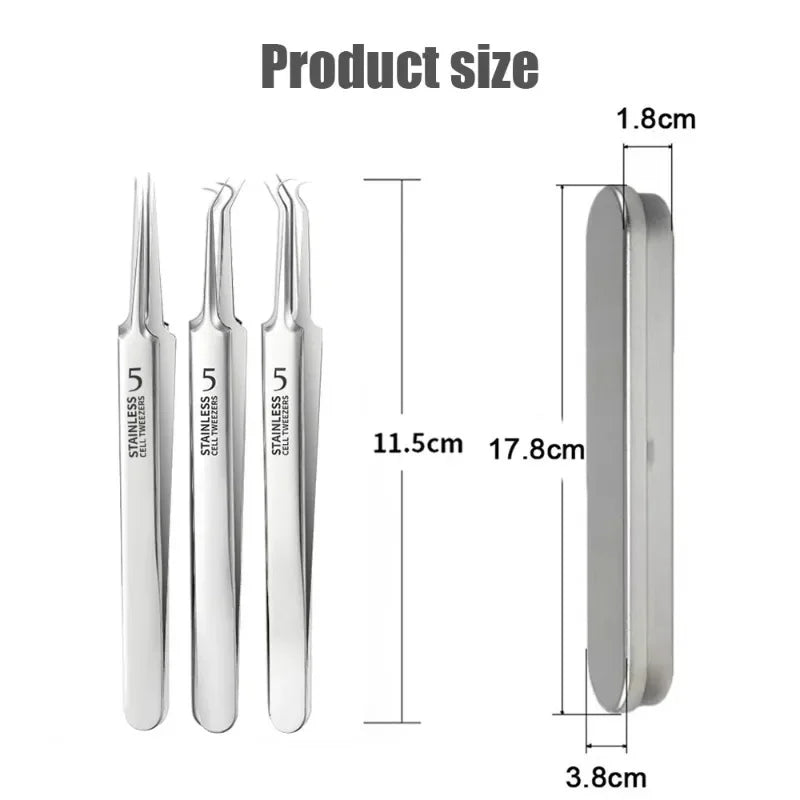
Blackhead remover tool usage in action — learn whether it's good or bad for your skin
What Are Blackhead Extractors?
A blackhead extractor is a small metal skincare instrument designed to remove clogged material from pores. Also known as a comedone extractor , this tool is widely used by dermatologists and estheticians during professional facial treatments.
Most extractors are made of stainless steel and feature one or two loops attached to a narrow handle. The loop is placed around a clogged pore and gentle pressure is applied to encourage the contents to exit through the pore opening.
Types of Blackhead Extraction Tools
- Loop extractors – the most common tool for removing visible blackheads.
- Lancet and loop tools – used professionally for stubborn comedones.
- Spoon extractors – designed to distribute pressure across larger areas.
- Electric pore vacuums – suction-based devices marketed for home use.
What a Comedone Extractor Actually Does
Blackhead extractors work by applying controlled pressure around a clogged pore. When the blockage is loose enough, the pressure forces oxidized oil and dead skin cells upward and out of the follicle opening.
This mechanical extraction method explains why dermatologists sometimes use similar instruments during professional acne treatments, although technique and sanitation remain critical.
What Blackhead Extractors Actually Remove
Many people assume blackhead extractors remove all types of clogged pores, but this is not entirely true. Comedone extractors are designed to remove superficial plugs that sit close to the skin surface.
A blackhead extractor may successfully remove:
- Open comedones (true blackheads)
- Oxidized sebum plugs near the pore opening
- Some enlarged sebaceous filaments
- Occasional superficial whiteheads when performed professionally
However, extraction tools typically cannot remove deep acne lesions, cystic acne, inflamed pimples, or deeply embedded comedones. Attempting to extract these lesions often increases the risk of skin damage, infection, and scarring.
How Do Blackhead Extractors Work?
Blackhead remover tools operate using a pressure-based extraction mechanism. A loop or curved edge is positioned around a clogged pore, and controlled pressure helps push the blockage upward through the pore opening.
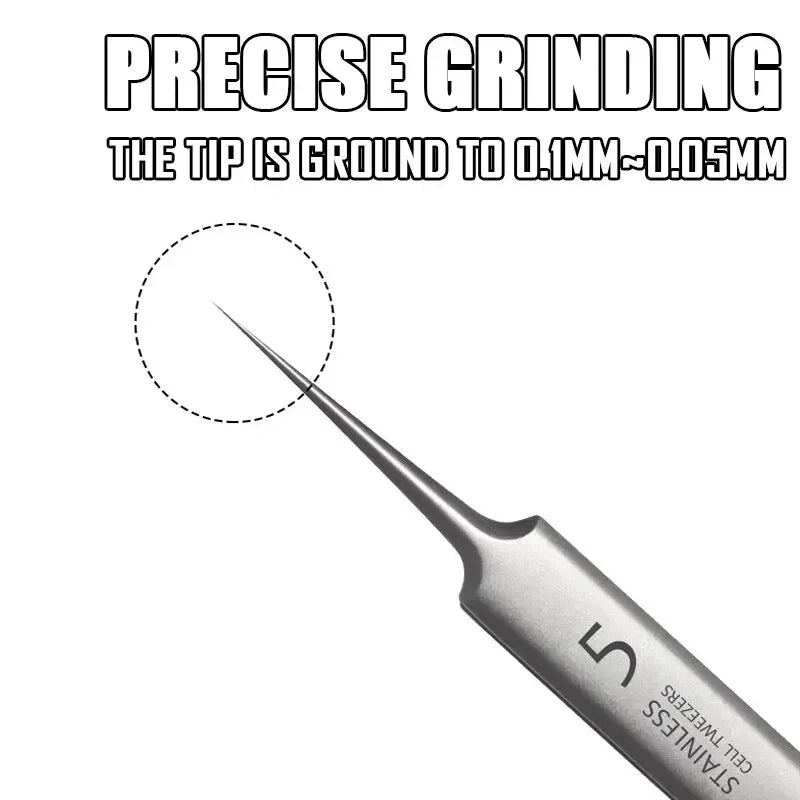
The extractor loop applies pressure around the pore to release trapped debris
The Pressure-Based Extraction Mechanism
The extractor loop distributes pressure evenly around the pore instead of directly pressing the blockage. This can reduce trauma to surrounding skin while encouraging the pore contents to release.
Why Technique Matters
If excessive pressure is applied or the pore is not ready for extraction, debris may be pushed deeper into the follicle rather than removed. Proper preparation, patience, and technique are essential.
Why Extraction Works on Some Pores but Not Others
Blackhead extraction success depends primarily on the type, depth, and consistency of the pore blockage.
- Fresh, shallow blackheads: Often respond well to extraction.
- Large oxidized blackheads: Can sometimes be removed completely.
- Sebaceous filaments: Usually return quickly after extraction.
- Deep comedones: Frequently resist extraction.
- Inflamed acne lesions: Should never be manually extracted.
This explains why some users experience immediate results while others find blackhead remover tools ineffective or even harmful.
Do Blackhead Extractors Work?
Yes, blackhead extractors can work — but only under specific circumstances. When used correctly on visible open comedones, they can physically remove the plug of oil and dead skin cells responsible for the blackhead.
However, effectiveness varies depending on the type of lesion, skin condition, and extraction technique.
When Extraction Can Successfully Remove a Blackhead
- The blackhead is fully exposed at the skin surface
- The pore opening is sufficiently enlarged
- The clog is soft rather than deeply embedded
- The skin has been properly prepared beforehand
When Blackhead Tools Do NOT Work
- Closed comedones or whiteheads
- Inflamed acne lesions
- Deep or hardened blockages
- Sensitive, irritated, or damaged skin
Forcing extraction in these situations may worsen inflammation and increase the risk of scarring.
Evidence and Dermatologist Opinions on Extraction Tools
Dermatologists generally agree that blackhead extractors can work when used appropriately on true open comedones. Professional comedone extraction remains a standard dermatological procedure for selected acne conditions.
However, experts also emphasize that effectiveness depends heavily on proper technique, sterile equipment, and accurate identification of the lesion being treated.
Most dermatologists discourage aggressive home extraction because improper pressure can lead to:
- Broken capillaries
- Skin trauma
- Post-inflammatory hyperpigmentation
- Secondary bacterial infection
- Permanent scarring
In other words, blackhead extractors do work under the right circumstances, but they are not universally effective for all clogged pores.
Blackheads vs Sebaceous Filaments vs Acne Lesions
True Blackheads (Open Comedones)
True blackheads are enlarged pores filled with oxidized sebum and dead skin cells. These lesions respond most predictably to extraction tools.
Sebaceous Filaments
Sebaceous filaments are normal anatomical structures that transport sebum to the skin surface. Although they can sometimes be extracted temporarily, they usually refill within days or weeks.
Closed Comedones and Inflammatory Acne
Whiteheads, papules, pustules, and cystic acne develop deeper within the skin. Attempting to extract these lesions at home can worsen inflammation and increase the risk of permanent skin damage.
How Blackheads Form Inside Pores
Blackheads are a type of acne known as an open comedone. They form when a pore becomes clogged with excess sebum and dead skin cells.
Diagram showing how oil and dead skin clog pores to form blackheads
Sebum, Dead Skin, and Oxidation
When a clogged pore remains open, oxygen exposure causes the surface material to oxidize and darken, producing the characteristic black appearance.
Contrary to popular belief, blackheads are not caused by dirt. Their color results from oxidized oil and skin cells.
Learn more about how to treat clogged pores and the difference between blackheads and whiteheads .
Why Some Blackheads Are Easy to Extract
Blackheads located near the skin surface with wide pore openings typically respond better to extraction.
Deep, compacted blockages often require chemical exfoliation or professional treatment instead of manual pressure.
Are Blackhead Extractors Safe?
Blackhead extractors can be safe when used properly, but improper technique can easily damage the skin barrier.
"Comedone extractors can remove blackheads effectively, but excessive pressure or poor hygiene can cause scarring or infection. Technique is critical."
Professional extractions are performed under sterile conditions using specialized techniques. At home, the risk of irritation and infection is substantially higher.
When Dermatologists Say They Are Safe
- The tool is properly sterilized
- The skin is softened beforehand
- The blackhead is visible and ready for extraction
- Only gentle pressure is used
Situations When They Can Damage Skin
- Pressing too hard
- Extracting inflamed pimples
- Using tools on sensitive skin
- Repeatedly treating the same area
Are Blackhead Extractors Bad for Your Skin Long-Term?
Occasional, careful use of blackhead extractors is unlikely to cause permanent damage in most healthy skin types. However, repeated aggressive extraction can produce cumulative trauma.
- Enlarged pores
- Broken capillaries
- Persistent redness
- Hyperpigmentation
- Scarring
- Chronic skin sensitivity
Individuals with rosacea, active acne, eczema, or sensitive skin generally face higher risks from repeated extraction procedures.
Risks and Side Effects of Blackhead Extractors
Although extractor tools can remove visible blackheads, improper use can cause several complications.
Skin Damage and Broken Capillaries
Excessive pressure can bruise the skin and damage small blood vessels.
Infection Risk
Using unsterilized tools can introduce bacteria into pores and increase the risk of infection.
Pushing Debris Deeper Into Pores
If a blockage is not ready to release, pressure may force it deeper into the follicle.
Post-Inflammatory Hyperpigmentation and Scarring
One of the most overlooked risks of blackhead extraction is post-inflammatory hyperpigmentation (PIH), which occurs when skin trauma triggers excess pigment production.
People with medium to dark skin tones may be especially susceptible to long-lasting dark marks after aggressive extraction.
Excessive pressure can also damage collagen fibers and contribute to permanent textural scars.
Signs You Should Stop Using Blackhead Extractors
Warning Signs of Skin Damage
Stop using extraction tools if you notice:
- Persistent redness lasting more than 24 hours
- Bruising
- Broken blood vessels
- Bleeding
- Increased acne outbreaks
- Dark spots after extraction
- Painful swelling
When to See a Dermatologist
If blackheads continue to recur despite treatment, or if extraction causes repeated irritation, consult a dermatologist. Professional treatment often provides safer long-term results.
How to Use a Blackhead Extractor Safely
If you choose to use a blackhead extractor at home, following proper technique can reduce the risk of skin injury.
Step-by-Step Dermatologist-Inspired Method
- Cleanse the skin thoroughly.
- Use warm water or steam to soften pores.
- Disinfect the extractor tool with alcohol.
- Place the loop around the blackhead.
- Apply light pressure while gently rolling the tool.
- Stop immediately if the clog does not release easily.
Hygiene and Tool Sterilization
Always disinfect extraction tools before and after use. Limiting extractions to occasional treatments can also reduce skin trauma.
Common Mistakes to Avoid
- Using excessive pressure
- Extracting inflamed acne lesions
- Skipping sterilization
- Repeatedly pressing the same pore
- Extracting dry, unprepared skin
- Using damaged or rusty tools
- Performing extractions too frequently
Most complications occur because of improper technique rather than the tool itself.
Who Should and Should NOT Use Blackhead Extractors
Skin Types That May Benefit
- People with occasional visible blackheads
- Individuals with oily skin and enlarged pores
- Users who maintain proper sanitation practices
Skin Conditions That Should Avoid Extraction
- Inflamed acne or cystic acne
- Highly sensitive or irritated skin
- Rosacea or broken capillaries
Blackhead Extractors vs Chemical Treatments
Salicylic Acid vs Extraction
Salicylic acid dissolves oil and dead skin cells inside pores, making it more effective for long-term blackhead prevention, while extraction provides immediate but temporary results.
Retinoids vs Extraction
Retinoids normalize skin cell turnover and help prevent new comedones from forming, whereas extraction only removes existing blockages.
Professional Extractions vs DIY Tools
Professional extractions combine sterile equipment, clinical expertise, and proper skin preparation, reducing many of the risks associated with home extraction attempts.
Dermatologist Alternatives to Blackhead Extraction
Many dermatologists recommend treating the underlying causes of blackheads rather than repeatedly extracting them.
Chemical Exfoliation (Salicylic Acid)
Salicylic acid skincare treatments penetrate oil-filled pores and dissolve accumulated sebum and dead skin cells.
Professional Extractions
Licensed dermatologists and estheticians perform extractions using sterile instruments and controlled techniques that reduce the risk of complications.
Retinoids and Pore Prevention
Topical retinoids regulate skin cell turnover and help prevent future pore blockages.
Clay Masks and Maintenance Treatments
Although clay masks do not physically remove blackheads, they can temporarily absorb excess oil and improve the appearance of congested pores.
Long-term blackhead management typically requires a combination of:
- Salicylic acid
- Retinoids
- Gentle cleansing
- Professional extractions when necessary
- Consistent skincare maintenance
See our safe acne treatment guide for more dermatologist-recommended options.
Pros and Cons of Blackhead Extractor Tools
| Pros | Cons |
|---|---|
| Can remove visible blackheads quickly | Risk of irritation if used incorrectly |
| Reusable and inexpensive | Requires strict sanitization |
| More precise than squeezing with fingers | Not suitable for inflamed acne |
FAQ About Blackhead Extractors
Are blackhead extractors safe for your skin?
They can be safe when used carefully on visible blackheads with sanitized tools and gentle pressure. Frequent or aggressive extraction can irritate the skin.
Do comedone extractors work better than pore strips?
Comedone extractors physically remove pore blockages, whereas pore strips mainly remove surface debris and sebum.
Are blackhead removal tools bad for your skin?
They are not inherently harmful, but improper technique can cause bruising, broken capillaries, hyperpigmentation, or scarring.
Should I use a blackhead remover tool at home?
Occasional use on visible blackheads may be reasonable, but persistent acne is better managed with professional guidance.
Can blackhead extractors damage pores?
Repeated aggressive extraction can stretch pores and damage surrounding tissue.
Are pore extractors bad for your skin?
Pore extractors are not automatically harmful, but their safety depends heavily on technique, hygiene, and proper candidate selection.
Do blackhead remover tools work on sebaceous filaments?
They may temporarily remove sebaceous filaments, but these structures usually refill quickly because they are a normal part of skin physiology.
Can blackhead extractors make acne worse?
Yes. Attempting to extract inflamed acne lesions can increase inflammation, infection risk, and scarring.
Pillar Article: Blackhead Remover Stick for Sensitive Skin: Best Uses Explained













