
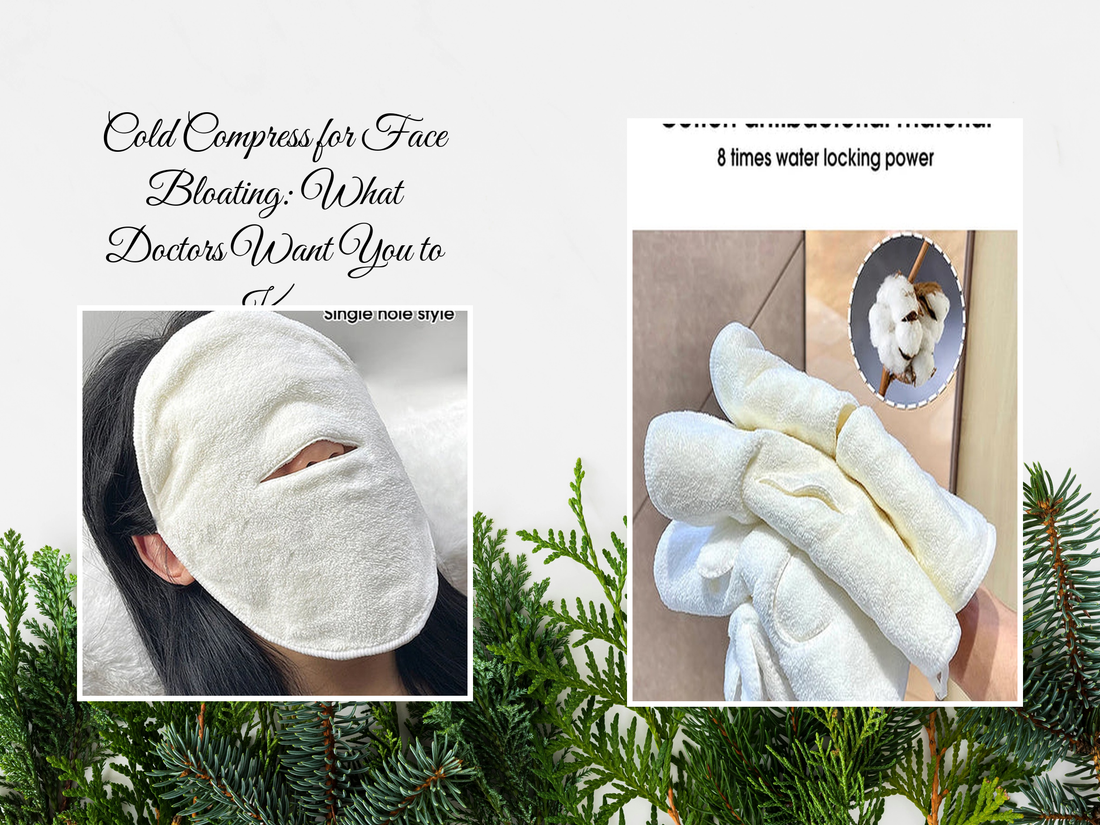
How to Reduce Facial Bloating Fast: Causes, Quick Fixes & Cold Compress Methods That Work
Facial bloating can happen after poor sleep, salty foods, dehydration, stress, allergies, or fluid retention. If you want to know how to reduce facial bloating fast , simple methods like a cold compress, facial massage, hydration, and lifestyle adjustments can help reduce the appearance of puffiness quickly.
A cold compress for a puffy face is one of the easiest short-term solutions because cooling can temporarily narrow blood vessels, calm inflammation, and make swollen areas look less noticeable.
⏱ 7 min read
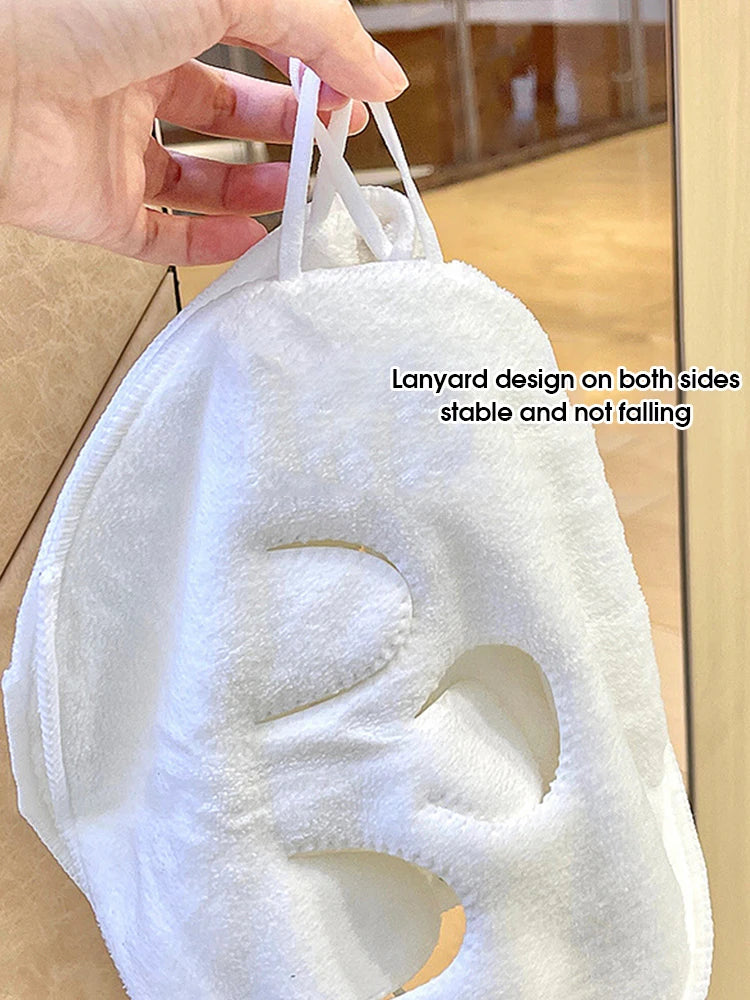
Cold compress for face bloating — the ultimate skin reset
Why Does Your Face Look Bloated or Puffy?
Facial bloating usually happens when extra fluid collects under the skin or when inflammation makes certain areas appear swollen. Unlike weight gain, facial puffiness can change quickly depending on your sleep, diet, hydration, and daily habits.
Facial bloating vs normal puffiness: what is happening?
Facial bloating often refers to temporary fluid retention that affects areas like the cheeks, jawline, and under the eyes. It may appear more noticeable in the morning because fluid can shift while you sleep.
Common causes of facial swelling and fluid retention
Several everyday factors can make your face look swollen or tired, including:
- Poor sleep quality or irregular sleep schedules
- High-sodium meals that increase water retention
- Dehydration that affects normal fluid balance
- Allergies and sinus pressure
- Skin irritation or temporary inflammation
Why your face looks more swollen in the morning
- Sleeping flat can allow fluid to collect around the face.
- High-sodium meals can increase water retention.
- Poor sleep may increase inflammation and tired-looking skin.
Does a Cold Compress for Puffy Face Really Work?
Yes. A cold compress for a puffy face can temporarily reduce swelling by constricting blood vessels and helping calm inflammation. Cold therapy is commonly used as an at-home method for reducing the appearance of facial puffiness caused by sleep, allergies, or temporary fluid buildup.
How cold therapy affects blood vessels and swelling
Cold temperatures trigger a process called vasoconstriction , which temporarily narrows blood vessels. This can reduce blood flow to swollen areas and help minimize the appearance of inflammation.
Why cold compresses temporarily reduce facial puffiness
A cold compress may help reduce the appearance of swelling by cooling the skin, limiting temporary fluid buildup, and supporting gentle lymphatic movement. It works best as a short-term solution rather than a permanent fix.
What results can you realistically expect?
A cold compress can help reduce the appearance of facial puffiness temporarily. It may make the skin feel tighter and calmer, but it does not permanently remove fluid retention or change facial structure.
For best results, combine cold therapy with habits that address common causes of puffiness, such as hydration, lower sodium intake, and better sleep.
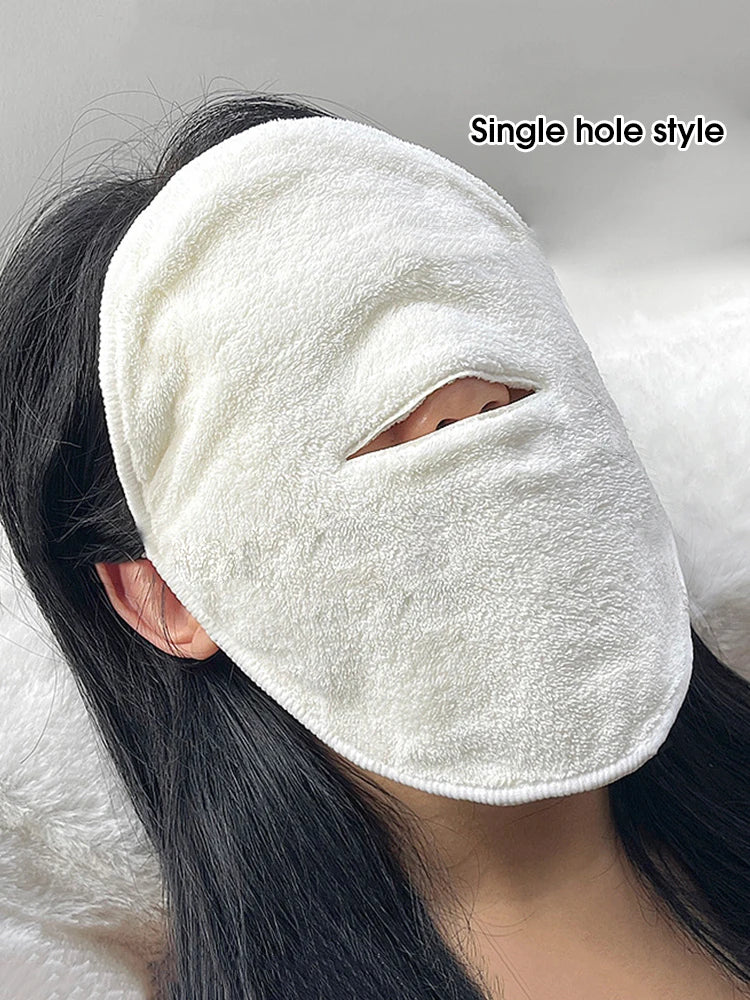
Cold therapy facial treatment helps soothe and tighten skin instantly
How to Reduce Facial Bloating Fast (Quick Morning Routine)
Step 1: Apply a cold compress to reduce puffiness
Use a cold compress for face puffiness by wrapping an ice pack or chilled cloth in a towel and applying it gently to swollen areas.
Step 2: Use gentle lymphatic drainage massage
Light facial massage may encourage fluid movement and help reduce the feeling of morning puffiness. Use gentle outward motions instead of pressing hard.
Step 3: Drink water and reduce excess sodium
Dehydration and salty foods can contribute to temporary water retention. Drinking enough water and balancing sodium intake may help your face look less swollen.
Step 4: Refresh skin with cooling skincare
Cooling skincare products or chilled facial tools can provide a refreshing sensation and help calm skin after waking up.
How to Apply a Cold Compress on Face Correctly
How to cold compress face safely
- Wrap an ice pack or cold item in a clean towel.
- Place it gently on the puffy area.
- Avoid rubbing or pressing aggressively.
How long to apply a cold compress for face swelling
Most people use a cold compress for a few minutes at a time. Avoid prolonged direct cold exposure because it may irritate sensitive skin.
How often can you use cold compresses on your face?
Cold compresses can be used once or multiple times per day when needed, as long as each session is short and comfortable for your skin.
Best Cold Compress Methods for Puffy Face
Different cold therapy methods can help reduce the appearance of facial swelling. The best option depends on your routine, budget, and comfort.
Ice pack for puffy face
An ice pack wrapped in fabric can provide consistent cooling for areas affected by swelling or morning puffiness.
Cold towel or chilled cloth method
A clean towel soaked in cold water is a simple face cold compress option that is gentle for most skin types.
Cold spoons for under-eye swelling
Chilled metal spoons placed under the eyes can provide quick cooling and help temporarily reduce the appearance of under-eye puffiness.
Ice rollers and chilled facial tools
Cold skincare tools can provide a cooling sensation and are convenient for regular facial routines.
Cold Compress vs Ice Roller vs Facial Cold Tools
Cold therapy options work differently depending on convenience, coverage, and how you prefer to use them.
When a simple face cold compress works best
A cold towel or compress is affordable, easy to prepare, and useful for larger areas like the cheeks, forehead, and jawline.
When an ice roller or tool may be more convenient
Ice rollers and chilled facial tools provide controlled cooling and are often easier to include in a regular skincare routine.
| Method | Pros | Cons |
|---|---|---|
| Cold Towel Compress | Safe, reusable, quick relief | Requires chilling time |
| Ice Pack | Consistent cooling for swelling | Needs a protective layer |
| Ice Roller | Convenient skincare routine option | Requires storage preparation |
| Cold Mask | Even cooling across face | Less targeted |
Lifestyle Changes That Help Prevent Facial Bloating
Foods and habits that increase facial puffiness
- High-sodium meals
- Excess alcohol consumption
- Irregular sleep patterns
Sleep position and nighttime habits
Keeping a consistent sleep schedule and slightly elevating your head may help reduce morning fluid buildup for some people.
Hydration habits for reducing water retention
Regular hydration supports normal fluid balance and may reduce the appearance of temporary puffiness caused by dehydration.
When Facial Puffiness May Need Medical Attention
Sudden swelling or unusual facial changes
Sudden facial swelling, severe discomfort, breathing issues, or unusual changes should be evaluated by a healthcare professional.
Chronic facial bloating causes
If facial puffiness happens frequently or lasts for several days, it may be connected to ongoing fluid retention or another underlying cause.
FAQ: How to Reduce Facial Bloating Fast
Does icing your face debloat?
Yes. Icing may temporarily reduce the appearance of facial puffiness by cooling the skin and narrowing blood vessels.
Does cold compress reduce facial swelling temporarily?
Yes. A cold compress can temporarily calm swelling and make puffiness look less noticeable.
Can you put ice directly on your face?
No. Ice should always be wrapped in cloth or applied through a compress to avoid irritation.
How long should you use a cold compress on your face?
A few minutes at a time is generally enough. Avoid prolonged direct cold exposure.
What is the best ice pack for face swelling?
A soft gel ice pack or chilled face mask works well because it provides even cooling across the skin.
For more self-care tips, explore our Skin and Beauty Care Devices and Body & Face Blog .
Pillar Article: How Do Towel Warmers Work? The Hidden Benefit You Didn’t Expect
Other Related Articles:
Explore More:













