
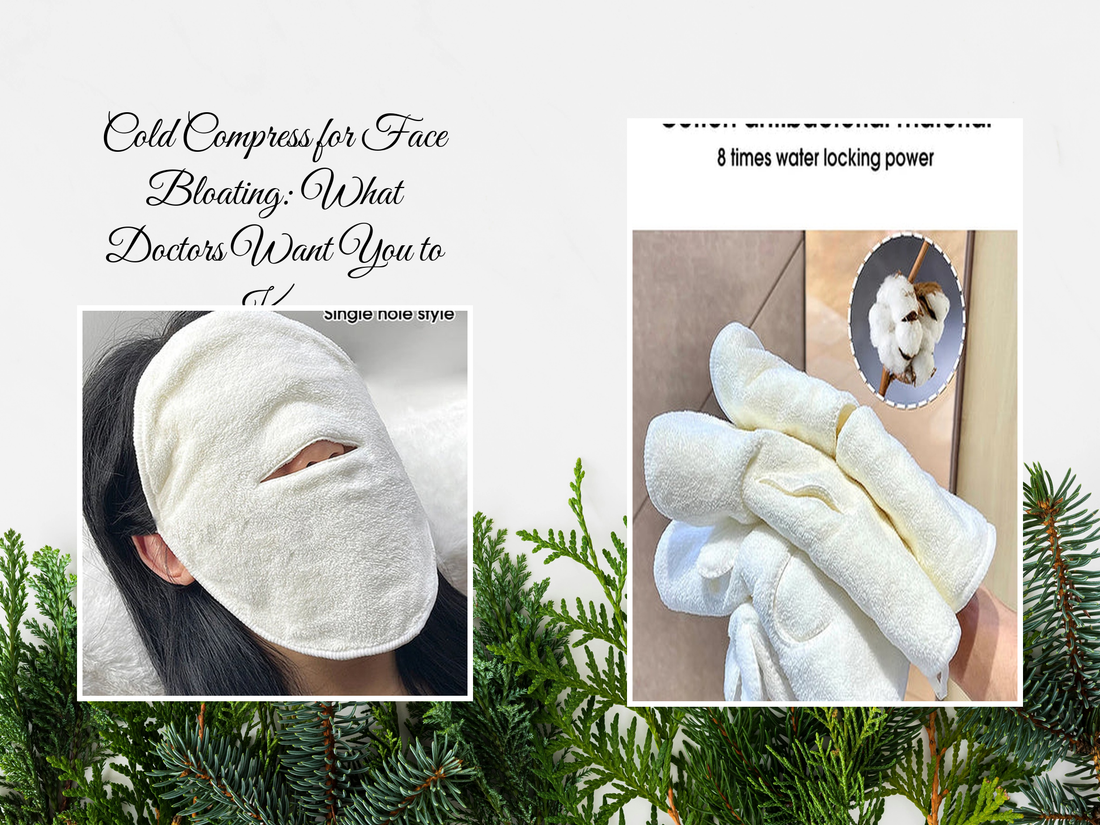
Does a Cold Compress for Puffy Face Really Work?
Yes. A cold compress for a puffy face can quickly reduce swelling by constricting blood vessels and slowing fluid buildup in facial tissues. Dermatologists commonly recommend cold therapy as one of the fastest at-home solutions for temporary facial puffiness caused by sleep, allergies, or inflammation.
When you apply a cold compress on the face, the low temperature signals blood vessels to tighten. This reduces circulation to swollen areas and helps minimize fluid retention that causes puffiness.
What happens to blood vessels during cold therapy
Cold temperatures trigger a process called vasoconstriction, which temporarily narrows blood vessels. This decreases blood flow to the area and reduces inflammation, helping facial swelling go down faster.
Why cold compresses reduce fluid retention and swelling
Facial puffiness often occurs when fluid accumulates under the skin. Cold compresses help limit this buildup while encouraging lymphatic drainage, allowing excess fluid to move away from swollen areas such as the cheeks or under the eyes.
Cold Compress for Puffy Face: How to Reduce Facial Swelling Fast
Using a cold compress for puffy face concerns can do more than just reduce swelling—it’s a simple cold therapy facial treatment that calms inflammation, tightens pores, and refreshes tired skin. Whether you're using a cold compress mask for face recovery or exploring cold towel on face benefits after a long day, this technique helps restore a firmer, more refreshed appearance within minutes.
⏱ 7 min read
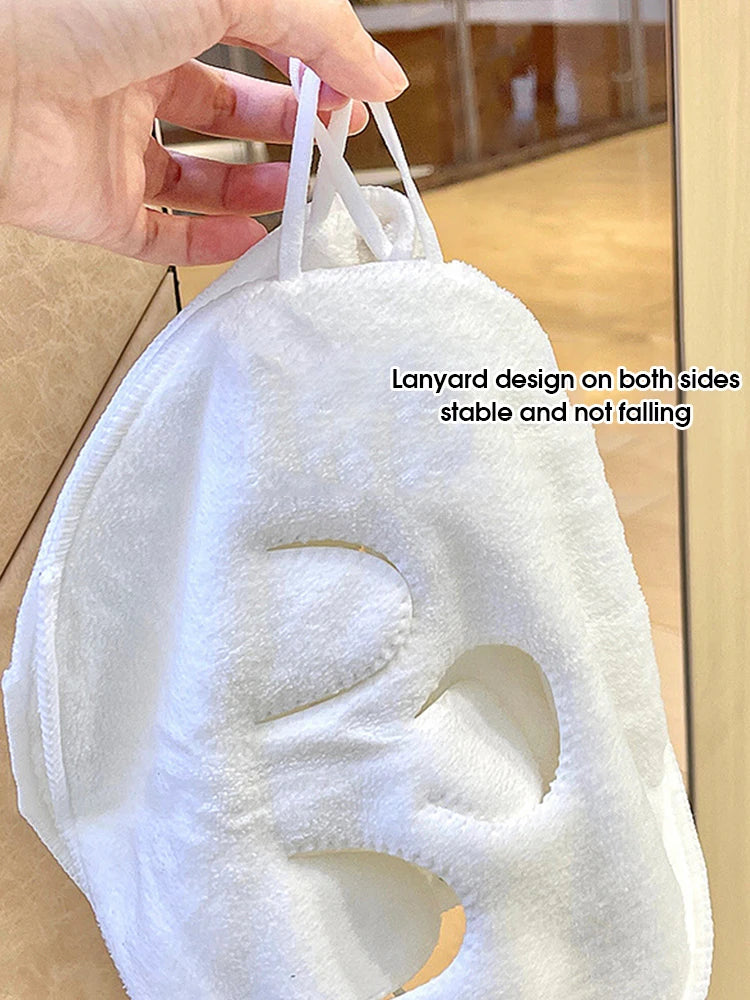
💡 Cold compress for face bloating — the ultimate skin reset
Common Causes of Facial Puffiness
Before using a cold compress for face puffiness, it helps to understand what causes swelling. Facial puffiness is usually temporary and triggered by fluid retention, inflammation, or circulation changes.
Sleep-related puffiness
Sleeping flat allows fluid to collect around the eyes and cheeks overnight. This is why many people wake up with a swollen or puffy face in the morning.
Allergies and sinus pressure
Allergic reactions and sinus congestion can cause inflammation around the eyes and nose, leading to facial swelling.
Diet, salt, and fluid retention
Eating high-sodium foods may cause the body to retain water, which can show up as puffiness in the face the next morning.
Skin irritation or inflammation
Sun exposure, skin treatments, or irritation can trigger inflammation that causes temporary facial swelling. A cold compress for swelling face areas can help calm the skin.
How a Cold Compress on Face Reduces Puffiness
A cold compress works through several natural physiological responses that help reduce swelling and refresh the skin.
Cold therapy and inflammation reduction
Cold temperatures reduce inflammation by slowing blood flow to swollen areas, helping irritated tissue calm down faster.
Lymphatic drainage stimulation
Cooling the skin can stimulate mild lymphatic drainage, encouraging excess fluid trapped beneath facial tissue to move away from swollen areas.
Temporary tightening of skin and pores
Cold exposure temporarily tightens the skin and minimizes the appearance of pores, giving the face a smoother and firmer appearance.
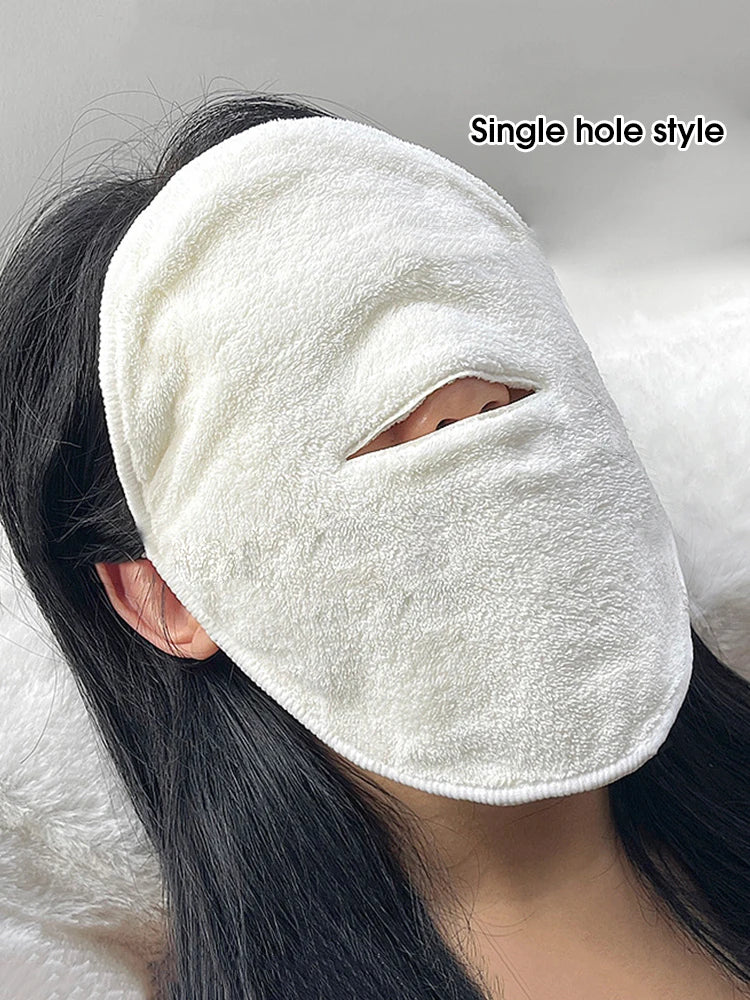
💡 Cold therapy facial treatment helps soothe and tighten skin instantly
How to Apply a Cold Compress for Face Puffiness
Applying a cold compress correctly helps reduce facial swelling without irritating the skin. The process is simple and takes only a few minutes.
Basic cold compress method using a towel
- Soak a clean towel in cold water or wrap a few ice cubes inside it.
- Gently press the towel against swollen areas of the face.
- Hold the compress in place for about 5–10 minutes.
- Remove the compress and allow the skin to return to normal temperature.
Recommended timing and frequency
Most dermatologists recommend applying a cold compress for 5 to 10 minutes at a time. The treatment can be repeated a few times per day if puffiness persists.
Safety tips to avoid skin irritation
- Never apply ice directly to the skin.
- Always wrap ice in cloth or use a protective layer.
- Limit cold exposure to short intervals to prevent irritation.
5 Easy Cold Compress Methods to Reduce a Puffy Face
There are several ways to apply cold therapy to reduce swelling. These simple methods work well at home and require minimal preparation.
Ice pack for puffy face
A reusable gel ice pack wrapped in a cloth provides consistent cooling and works well for larger swollen areas of the face.
Cold spoons for under-eye swelling
Chilling metal spoons in the refrigerator and placing them under the eyes can quickly reduce under-eye puffiness.
Ice cubes wrapped in cloth
Wrapping ice cubes in a soft cloth creates an easy cold compress for face swelling and works well when other tools are not available.
Chilled skincare tools or ice rollers
Ice rollers or refrigerated skincare tools combine cold therapy with gentle massage to help encourage lymphatic drainage.
Refrigerated gel masks
Gel face masks stored in the refrigerator provide even cooling across the entire face and are often used to relieve puffiness after long days or poor sleep.
Cold Compress vs Ice Roller vs Cold Mask: What Works Best?
Several cold therapy options can reduce facial swelling. The best method depends on how quickly you want results and which areas of the face are affected.
When a simple cold towel works best
A cold towel is the easiest option and works well for general facial puffiness. It quickly cools the skin and can be applied to large areas like the cheeks and forehead.
When tools provide better results
Ice rollers and chilled masks offer more consistent cooling and often include gentle massage that helps stimulate circulation and lymphatic drainage.
| Method | Pros | Cons |
|---|---|---|
| Cold Towel Compress | Safe, reusable, quick relief | Requires chilling time |
| Ice Cubes | Instant cold, readily available | Too harsh, risk of burns |
| Jade Roller | Massage + cooling effect | Less intense cold, more gradual |
Doctor Tips: How Long to Apply a Cold Compress
Ideal duration for facial cold therapy
Dermatologists generally recommend applying a cold compress for about 5–10 minutes at a time to reduce swelling while protecting the skin barrier.
How often to repeat treatment
The treatment can be repeated once or twice daily depending on the severity of puffiness.
When puffiness may require medical attention
If facial swelling lasts several days or is accompanied by pain, redness, or allergic reactions, medical evaluation may be necessary.
Cold Therapy Facial Benefits Beyond Puffiness
Cold therapy does more than reduce swelling. It also provides several cosmetic skin benefits when used regularly.
Reducing inflammation and redness
Cold temperatures calm irritated skin and may help reduce redness caused by inflammation or minor skin irritation.
Improving skin firmness temporarily
Cold exposure tightens the skin surface temporarily, creating a smoother appearance and minimizing visible pores.
Calming irritated or tired skin
Applying a cold compress can refresh tired skin after long days, sun exposure, or intense workouts.
Real Results: What Users Say
“After using a cold compress mask for face bloating, my jawline looked sharper within 10 minutes.” — Sarah, 29
“The KentDO cold towel became my morning rescue ritual. No more Zoom calls with puffy cheeks!” — Daniel, 32
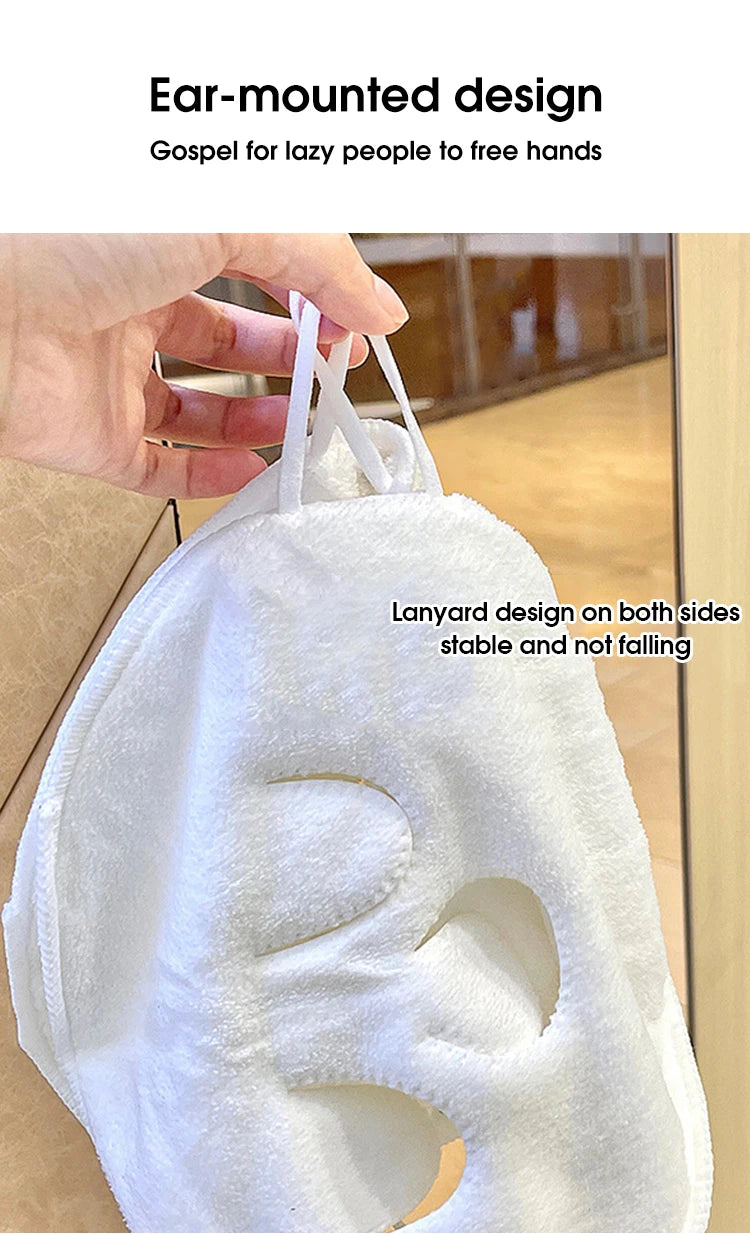
💡 Cold towel on face benefits: redefine your morning glow
When Cold Compresses May Not Work
Cold compresses are effective for temporary swelling, but they may not solve every cause of facial puffiness.
Chronic fluid retention
If swelling occurs frequently or lasts for several days, it may be related to ongoing fluid retention rather than temporary inflammation.
Hormonal causes
Hormonal fluctuations can sometimes lead to persistent facial puffiness that cold therapy alone cannot resolve.
Medical conditions causing swelling
In rare cases, facial swelling may be linked to allergies, infections, or other health conditions. Persistent or painful swelling should be evaluated by a healthcare professional.
FAQ: Cold Compress for Puffy Face
Does icing your face reduce bloating?
Yes. Icing the face can reduce temporary puffiness by constricting blood vessels and reducing inflammation.
How long should you apply a cold compress to your face?
Most experts recommend applying a cold compress for about 5 to 10 minutes at a time.
Can you use ice directly on the skin?
No. Ice should always be wrapped in cloth or applied through a compress to avoid skin irritation.
How often can you use cold compresses on your face?
You can apply cold compresses several times per day as long as each session is short and gentle on the skin.
What is the best ice pack for a puffy face?
A soft gel ice pack or chilled face mask works best because it provides even cooling across the skin.
For more self-care tips, explore our Skin and Beauty Care Devices and Body & Face Blog.
Pillar Article: How Do Towel Warmers Work? The Hidden Benefit You Didn’t Expect
Other Related Articles:
Explore More:













