
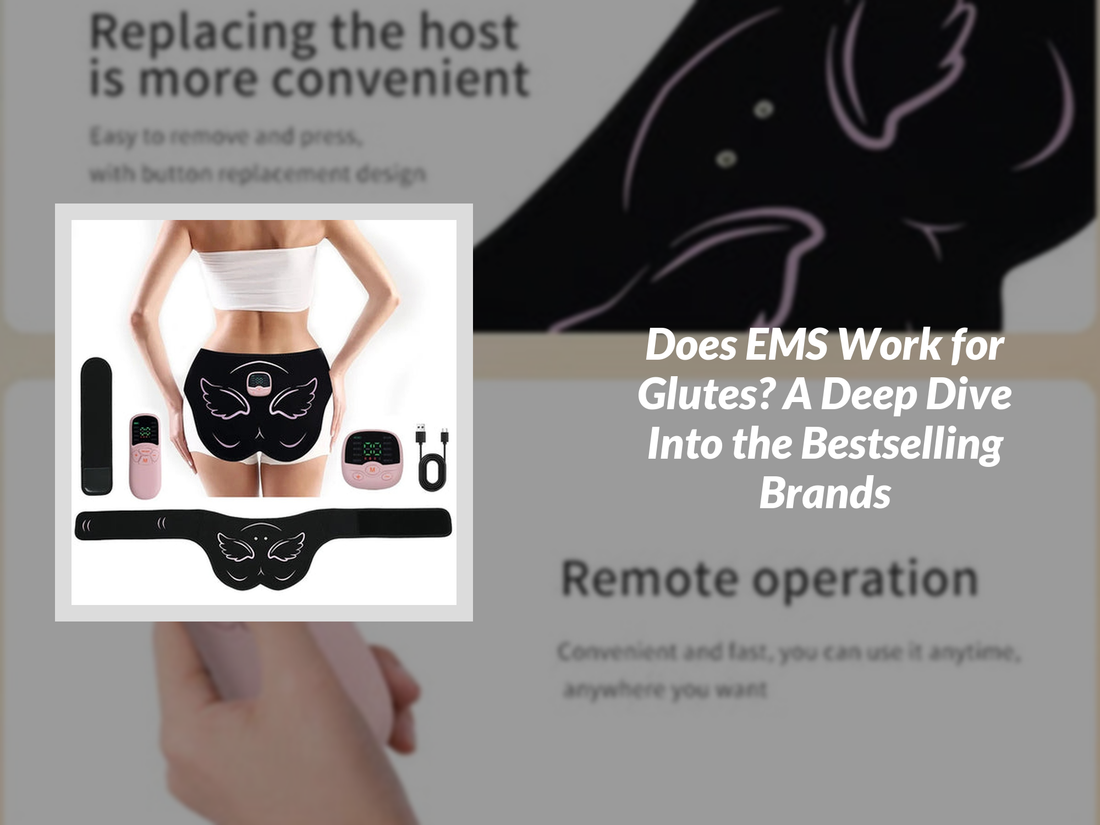
Glute Stimulator Does It Work? The Science Behind EMS for Glutes, Results, Safety, and Realistic Expectations
Does EMS work for glutes, or is it just another fitness fad? Many viral videos claim that EMS glutes devices can lift and tone the butt without workouts. In reality, glute EMS , EMS hips trainer electrical muscle stimulation , and other muscle stimulators can activate glute muscles—but their results depend on how they are used and whether they are combined with real exercise.
In this expert guide, we break down how electrical muscle stimulation works, what science says about glute stimulators , and what realistic glute stimulator before and after results actually look like.
⏱ 7 min read
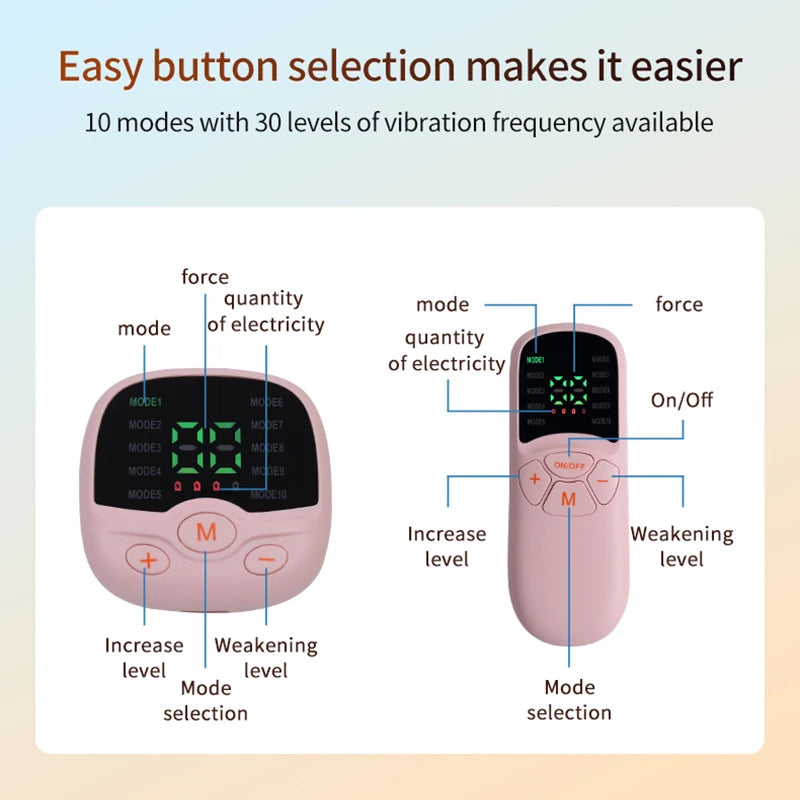
Example of an EMS glutes trainer targeting the glute muscles
Glute Stimulator: Does It Actually Work?
Short Answer Based on Current Research
Yes—an EMS glute stimulator can activate and contract the glute muscles, but it does not replace traditional exercise for building significant muscle size or strength.
Electrical muscle stimulation (EMS) works by sending small electrical impulses through electrodes placed on the skin. These signals trigger involuntary muscle contractions in the gluteus maximus , gluteus medius , and surrounding muscles.
Research suggests EMS can improve muscle activation, circulation, and neuromuscular engagement . However, most consumer EMS devices generate less overall muscular tension than exercises such as squats, hip thrusts, Romanian deadlifts, and lunges.
What EMS Can and Cannot Do for Glutes
- Increase glute muscle activation
- Assist with muscle re-education after inactivity
- Support toning when combined with exercise
- Improve mind-muscle connection during workouts
However, EMS alone is unlikely to:
- Build large amounts of muscle mass
- Replace strength training workouts
- Cause significant fat loss in the glute area
In short, EMS for glutes can be a useful supplement to training , but it is not a shortcut to developing stronger or larger glutes.
What Is EMS and How Does It Work for Glutes?
How Electrical Muscle Stimulation Activates Muscle Fibers
Electrical muscle stimulation works by delivering low-level electrical impulses through electrode pads placed on the skin. These impulses mimic the signals normally sent from the brain to the muscles, causing muscle fibers to contract.
When using an EMS glute stimulator, the electrodes are positioned over the gluteus maximus and gluteus medius. The impulses activate motor nerves that control these muscles, producing repeated contractions.
EMS vs Natural Muscle Contraction
Although both methods recruit muscle fibers, they do so differently:
- Exercise: brain-driven voluntary contraction
- EMS: externally stimulated contraction
- Exercise develops movement patterns and coordination
- EMS primarily focuses on localized muscle recruitment
Because EMS recruits fibers differently, it can sometimes help users who struggle to feel their glutes working during traditional exercises.
Why the Glute Muscles Respond Well to EMS
The glutes are among the largest muscle groups in the body and often become underactive due to prolonged sitting. Poor glute activation can cause people to rely more heavily on their lower back or hamstrings during lower-body training.
An EMS glute trainer may help improve awareness of these muscles and encourage stronger contractions during exercises such as squats, lunges, and hip thrusts.
How Consumer EMS Devices Differ From Clinical EMS Systems
One reason people become confused about EMS results is that not all electrical muscle stimulation devices are equally powerful. Many scientific studies use professional-grade EMS equipment found in rehabilitation clinics, sports performance centers, or medical settings.
Consumer EMS glute trainers typically use lower output levels designed for convenience and safety. While they can still stimulate muscle contractions, they may not produce the same intensity used in clinical research.
- Clinical EMS systems generally provide higher stimulation intensity.
- Professional supervision allows protocols to be adjusted for maximum muscle recruitment.
- Home EMS devices prioritize comfort and ease of use.
- Results vary significantly depending on device quality and user compliance.
When evaluating claims about an EMS glute stimulator, it is important to determine whether the evidence comes from medical-grade equipment or consumer products marketed for home use.
What Science Says About EMS for Glutes
Clinical Studies on Electrical Muscle Stimulation
Electrical muscle stimulation has been studied extensively in rehabilitation and sports science. Research consistently shows that EMS can increase muscle activation and help preserve muscle function during periods of inactivity.
Several studies also report improvements in strength when EMS is combined with voluntary exercise programs.
EMS for Muscle Activation vs Muscle Growth
Most research indicates that EMS is most effective for:
- Improving muscle activation
- Enhancing neuromuscular coordination
- Supporting rehabilitation after injury
- Supplementing conventional training
However, meaningful muscle hypertrophy generally requires progressive overload from resistance training.
EMS in Physical Therapy and Sports Training
Physical therapists often use EMS to help patients re-activate muscles after injury, surgery, or prolonged inactivity. Athletes may use EMS as a supplemental tool for recovery and muscle recruitment.
These applications highlight that EMS is most effective when integrated into a broader rehabilitation or performance plan.
What Research Actually Proves—and What It Doesn't
Scientific evidence generally supports EMS as a tool for muscle activation, rehabilitation, and supplemental strength development. However, research does not support many of the exaggerated marketing claims commonly associated with glute stimulators.
- Research supports improved muscle recruitment.
- Research supports maintaining muscle activity during rehabilitation.
- Research may support modest strength improvements when combined with exercise.
- Research does not show that EMS alone produces dramatic muscle growth.
- Research does not support significant fat reduction from EMS use alone.
The strongest evidence suggests that EMS works best as a complement to traditional training rather than a replacement for exercise.
Muscle Activation vs Muscle Growth: The Most Important Distinction
Why Activated Muscles Do Not Always Grow
Many people assume that if a muscle contracts, it will automatically become larger. In reality, muscle activation and muscle growth are different physiological processes.
EMS can increase activation by causing muscle fibers to contract. However, meaningful hypertrophy typically requires progressive overload, recovery, adequate nutrition, and repeated training stimulus over time.
Can EMS Build Bigger Glutes?
EMS may contribute to glute development under certain circumstances, particularly among beginners, inactive individuals, or those returning from injury. However, gains are generally smaller than those achieved through a structured resistance-training program.
Users expecting dramatic glute growth from EMS alone are likely to be disappointed.
When EMS Contributes to Hypertrophy
EMS may support muscle growth when combined with:
- Progressive strength training
- Adequate protein intake
- Consistent recovery practices
- Long-term adherence to training
In this context, EMS acts as a supplemental training tool rather than the primary driver of hypertrophy.
EMS vs Traditional Glute Training
Strength Training vs EMS Muscle Activation
Traditional glute exercises create high levels of mechanical tension, which is one of the primary drivers of muscle growth. EMS creates contractions through electrical impulses but generally cannot replicate the total loading provided by resistance training.
Can EMS Replace Squats and Glute Workouts?
No. Most experts agree that EMS should not replace exercise. Instead, it can complement a workout routine by helping activate the glutes before or after training sessions.
Best Results: Combining EMS With Exercise
- Use EMS before workouts to improve glute activation
- Use EMS after training for additional contractions
- Pair with strength exercises like squats and hip thrusts
- Maintain progressive overload through regular workouts
Combining EMS with traditional glute exercises may help maximize muscle engagement while still benefiting from resistance training.
Can EMS Help With Fat Loss or Cellulite?
EMS and Calorie Burning
EMS contractions require energy, but the total calorie expenditure from a typical session is relatively small compared with walking, strength training, or cardiovascular exercise.
Fat Loss Claims Explained
There is no strong evidence that an EMS glute stimulator directly burns significant body fat. Sustainable fat loss still depends primarily on nutrition, physical activity, and overall energy balance.
Cellulite and Toning Myths
Some users report improved firmness or muscle definition after regular EMS use. However, this should not be confused with cellulite removal. Cellulite is influenced by connective tissue structure, body composition, genetics, and hormones.
EMS may improve muscle tone underneath the skin, but it is not a proven cellulite treatment.
Glute Stimulator Before and After: What Results Are Realistic?
Typical EMS Glute Results Timeline
Results from EMS glute stimulators vary depending on usage frequency, workout habits, and individual response.
- 2–3 weeks: improved muscle awareness and activation
- 4–6 weeks: slight improvements in muscle tone
- 8+ weeks: more noticeable firmness when combined with exercise
Factors That Influence Results
- Consistency of EMS sessions
- Placement of electrode pads
- Intensity settings
- Whether strength training is included
- Nutrition and recovery habits
When Results Are Often Overstated
Many marketing images showing dramatic “before and after” transformations combine EMS with diet changes and comprehensive workout programs.
On its own, a glute muscle stimulator is unlikely to produce dramatic visual changes. Most improvements come from combining EMS with glute-focused exercise.
“After a month I noticed better muscle activation during my workouts. It didn’t replace exercise, but it helped my glutes engage more during squats.” —Verified Customer Review
Realistic EMS Glutes Before and After Expectations at 4, 8, and 12 Weeks
Real-world EMS results tend to develop gradually rather than dramatically.
After 4 Weeks
Many users notice increased muscle awareness, stronger contractions, and improved glute activation during workouts.
After 8 Weeks
Consistent users may experience modest improvements in muscle tone, exercise performance, and overall glute engagement.
After 12 Weeks
When EMS is combined with resistance training and proper nutrition, some users may observe visible improvements in shape and firmness. Results vary considerably based on training status and lifestyle factors.
Before-and-after photos should always be evaluated carefully because lighting, posture, clothing, and image editing can influence perceived outcomes.
Pros and Cons of EMS Glute Stimulators
Potential Benefits
- Helps activate glute muscles
- May improve mind-muscle connection
- Convenient for short sessions at home
- Can support rehabilitation or recovery
- May complement lower-body training programs
Limitations and Common Misconceptions
- Does not replace resistance training
- Muscle growth is limited without exercise
- Results vary depending on intensity and consistency
- Not a proven fat-loss solution
Safety Considerations
- Use devices according to manufacturer instructions
- Avoid placing electrodes over injured skin
- Stop use if discomfort or irritation occurs
- Increase intensity gradually
Are EMS Glute Stimulators Safe?
Common Side Effects
Most healthy individuals tolerate EMS well when devices are used according to instructions.
- Temporary muscle soreness
- Mild skin irritation
- Tingling sensations
- Minor discomfort at higher intensity levels
Signs You Are Using EMS Too Intensely
Reduce intensity and discontinue use if you experience:
- Persistent pain
- Excessive muscle soreness
- Skin burns or severe irritation
- Unexpected muscle spasms
Safety Best Practices
- Start with lower intensity settings.
- Follow manufacturer recommendations.
- Keep electrodes properly positioned.
- Allow adequate recovery between sessions.
- Consult a healthcare professional when appropriate.
Who Should (and Should Not) Use EMS Glute Stimulators
Good Candidates for EMS
- People struggling with glute activation
- Individuals returning to exercise after inactivity
- Athletes wanting to supplement muscle activation
Situations Where EMS May Help
- Physical therapy programs
- Post-injury muscle re-education
- Improving mind-muscle connection during workouts
- Supplementing existing strength routines
People Who Should Avoid EMS
- People with pacemakers or implanted medical devices
- Individuals with certain neurological conditions
- Pregnant individuals without medical guidance
Medical Conditions and Contraindications
EMS is not appropriate for everyone. Individuals should seek medical guidance before use if they have underlying health conditions.
- Pacemakers or implanted electronic devices
- Certain cardiac conditions
- Pregnancy
- Neurological disorders
- Recent surgical procedures
- Unexplained pain or swelling
When in doubt, professional medical advice should take priority over marketing claims.
If you have a medical condition, consult a healthcare professional before using any EMS device.
How to Use EMS for Glutes Effectively
Correct Pad Placement
Electrodes should be placed over the main glute muscles to ensure contractions reach the correct area. Proper placement improves muscle activation and reduces discomfort.
Frequency and Session Duration
- Start with 15–20 minute sessions
- Use EMS 3–5 times per week
- Increase intensity gradually as tolerance improves
Pairing EMS With Glute Workouts
The most effective approach is combining EMS with glute exercises such as squats, hip thrusts, and lunges. This combination provides both neuromuscular activation and mechanical resistance.
Sample EMS for Glute Activation Routine
Many users achieve better outcomes when EMS is used to supplement existing exercise habits.
- Apply electrodes according to device instructions.
- Use a moderate intensity that produces visible contractions.
- Run a 15–20 minute EMS session.
- Follow immediately with glute-focused exercises.
- Perform 2–5 sessions weekly depending on recovery.
This approach may enhance mind-muscle connection and improve glute engagement during traditional training.
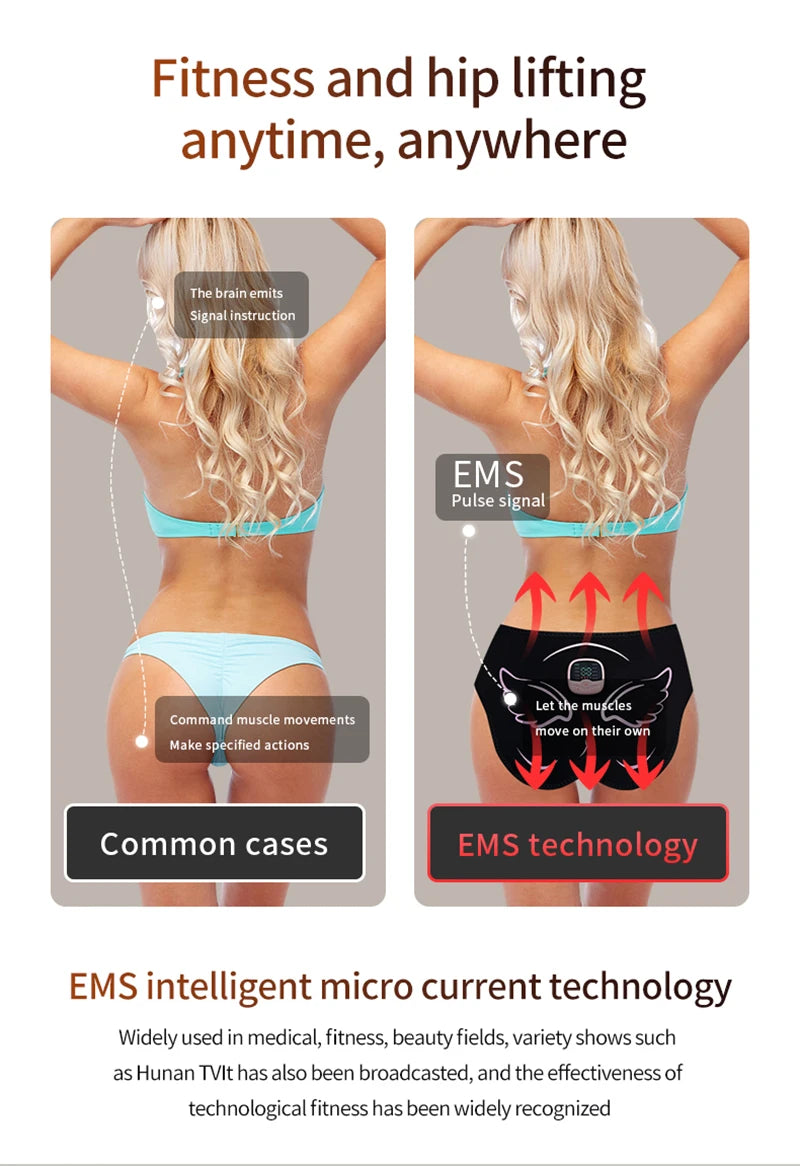
EMS hips trainer electrical muscle stimulation demonstration
How to Choose the Best Glute Stimulator
What to Look for in an EMS Glute Trainer
- High-quality electrode pads
- Adjustable intensity levels
- Multiple training modes
- Comfortable pad placement design
- Portable wireless control units
Key Features That Improve Results
| Feature | KentDO EMS Hip Trainer | Consumer EMS Pads | Professional EMS Systems |
|---|---|---|---|
| Muscle Targeting | Glute-focused design | General muscle pads | Highly customizable |
| Ease of Use | Simple wearable setup | Manual pad placement | Often requires guidance |
| Portability | Compact and wireless | Basic portable design | Large console systems |
| Cost | Moderate | Low | High |
Clinical Features Worth Paying For
Not all EMS devices are built equally. Consider:
- Adjustable intensity levels
- Multiple training modes
- Quality electrode pads
- Reliable battery performance
- Clear safety instructions
Red Flags in Marketing Claims
- Promises of dramatic glute growth without exercise
- Guaranteed fat loss claims
- Unrealistic before-and-after photos
- Claims that EMS replaces strength training
The best glute stimulator is one that supports realistic goals and complements an evidence-based fitness routine.
One example of a consumer device designed specifically for glute stimulation is the KentDO EMS Hip Trainer , which uses a wearable pad design to position electrodes over the glute muscles.
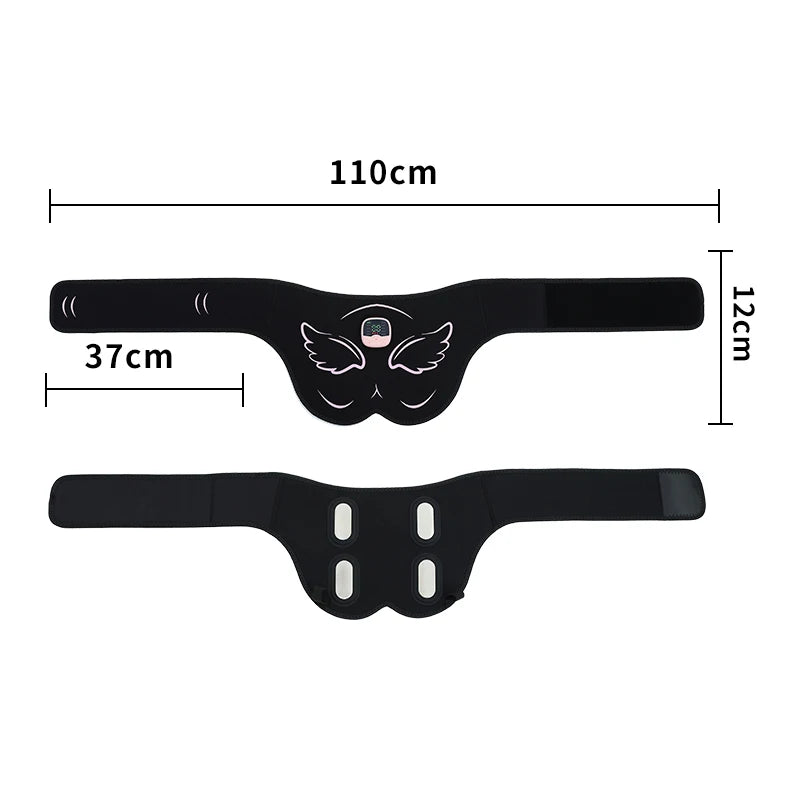
Example EMS glutes trainer placement
Common EMS Glute Myths Debunked
Myth: EMS Replaces Exercise
EMS can activate muscles, but it does not fully replicate the benefits of resistance training, movement patterns, and progressive overload.
Myth: EMS Melts Fat
EMS is not a shortcut to fat loss. Nutrition and overall physical activity remain the primary drivers of body composition change.
Myth: Stronger Pulses Mean Better Results
More intensity is not always better. Excessive stimulation may increase discomfort without producing proportionally better outcomes.
FAQ
Does EMS work for glutes?
Yes, EMS can stimulate glute muscle contractions and improve muscle activation. However, it works best as a supplement to exercise rather than a replacement.
Do glute muscle stimulators work without exercise?
They can activate muscles without exercise, but results are generally more limited than when EMS is combined with resistance training.
How long does it take to see EMS glute results?
Many users notice improved muscle awareness within a few weeks, while visible changes may take 8–12 weeks or longer.
Can EMS make glutes bigger?
EMS may contribute modestly to muscle development, but significant hypertrophy usually requires structured strength training.
Is EMS safe to use every day?
Usage frequency depends on device guidelines, intensity levels, and recovery. Daily use is not always necessary for effective results.
Can EMS help with glute activation before workouts?
Yes. Some users utilize EMS before training sessions to improve mind-muscle connection and glute engagement.
What is the best EMS for glutes?
The best device is one that provides adjustable intensity, reliable electrode placement, safety features, and realistic performance expectations.
Who should not use EMS?
People with pacemakers, certain cardiac conditions, pregnancy, or specific medical concerns should consult a healthcare professional before using EMS.
Explore more smart self-care tools in our Body Care and Health Devices or stay inspired through our Beauty & Self-Care Blog .
Pillar Article: EMS Glute Trainer Before and After: Real Photos, Real Reviews
Explore More:













