

EMS for Muscle Toning: Results, Safety & Best Options
EMS for muscle toning uses electrical stimulation to trigger skeletal muscle contractions without requiring the same voluntary movement as conventional exercise. It can be useful for targeted muscle activation and may support strength or conditioning, but it is not a replacement for resistance training, cardiovascular exercise, or a comprehensive fitness routine. Results depend on the device, stimulation protocol, target muscle, consistency, and individual factors.
What Is EMS for Muscle Toning?
Electrical Muscle Stimulation (EMS), also called electromyostimulation, uses controlled electrical impulses to activate muscles. Depending on the system, electrodes or treatment heads deliver stimulation that produces repeated muscle contractions.
Unlike a conventional workout, where your nervous system voluntarily recruits muscles to move a resistance or your body, EMS uses an external electrical signal to stimulate muscle contractions. This makes EMS particularly appealing to people interested in targeted muscle stimulation at home or as a supplement to an existing training routine.
How Electrical Muscle Stimulation Works
EMS sends electrical impulses through the treatment interface toward the targeted muscle. The resulting stimulation can produce repeated contractions. The intensity, frequency, treatment duration, placement, and device design all influence the experience and the muscles being activated.
For body-sculpting applications, EMS may be directed toward areas such as the abdomen, glutes, thighs, arms, or back. Correct positioning matters because stimulation is intended to activate a specific muscle group rather than simply create a sensation on the skin.
EMS vs. NMES: What's the Difference?
EMS is a broad term for electrical muscle stimulation. Neuromuscular Electrical Stimulation (NMES) is a related clinical term commonly used when electrical stimulation is intended to activate nerves and produce muscle contractions. Commercial products may use different terminology, so readers should evaluate the actual intended use, labeling, instructions, and claims rather than relying on the name alone.
EMS Muscle Toning vs. Muscle Building
Muscle activation is not automatically the same as muscle hypertrophy. A stimulation session can create contractions and may contribute to conditioning or strength-related outcomes, but visible muscle development depends on many factors, including training stimulus, progressive overload, recovery, nutrition, and individual physiology.
For that reason, claims that an EMS device automatically produces the same muscle-building effect as progressive resistance training should be treated cautiously.
Does EMS for Muscle Toning Actually Work?
EMS can stimulate skeletal muscle contractions and can be a useful tool for targeted activation. The most important distinction is between what stimulation can reasonably contribute to muscle conditioning and what it cannot replace.
What Clinical Research Says About EMS
The strategic evidence requirements for this article call for clinical research citations, but the supplied source material does not provide individual studies, trial results, or clinical citations. Therefore, specific research findings or numerical improvements should not be presented as though they were verified by the supplied material.
The source strategy does support a more cautious conclusion: EMS may improve muscle activation, strength, or conditioning under appropriate protocols, while cosmetic and body-contouring claims require more careful interpretation. Device-specific evidence and intended-use information should be reviewed before making a purchasing decision.
Where EMS Results Are Strongest
The clearest practical use case is targeted muscle stimulation. Users can focus a session on a particular muscle group rather than performing a full-body workout. This can make EMS attractive for people who want supplemental activation, have limited time, or find a traditional exercise routine difficult to maintain.
However, targeted activation should not be confused with guaranteed fat loss or dramatic body transformation.
What EMS Cannot Do
- EMS does not automatically replace progressive resistance training.
- EMS should not be treated as a complete cardiovascular workout.
- Muscle stimulation alone does not guarantee visible abdominal definition.
- EMS is not synonymous with fat-reduction treatment.
- Results should not be predicted from another person's before-and-after photographs.
If your primary goal is overall fitness, strength development, endurance, or long-term health, conventional exercise remains an important part of the equation.
For readers evaluating home options, the Body Care and Health Devices collection provides a broader starting point for exploring body-focused devices.
EMS Muscle Toning Results by Muscle Group
EMS results can vary significantly depending on the muscle being targeted, stimulation intensity, placement, consistency, and the user's existing level of conditioning.
Abdominal Muscles
Abdominal EMS can target the muscles of the midsection and create repeated contractions during a session. The practical goal is muscle activation and toning rather than assuming that stimulation alone will reveal abdominal definition.
Visible abdominal definition depends heavily on overall body composition. Even well-conditioned abdominal muscles may not be highly visible if they are covered by a layer of body fat.
Gluteal Muscles
Glute stimulation may appeal to users seeking targeted activation, firmness, or supplemental conditioning. EMS can be considered alongside conventional lower-body exercises rather than as a complete substitute for movements such as squats, lunges, or other resistance exercises.
Quadriceps and Other Large Muscle Groups
Larger muscle groups require appropriate treatment placement and sufficient stimulation. A device designed for multiple body areas can be more versatile when users want to work the thighs, arms, back, and other target areas.
How Long Does EMS Take to Show Muscle Toning Results?
There is no universal EMS results timeline. Early sessions may primarily involve becoming accustomed to the stimulation and learning correct placement and intensity. More noticeable changes, when they occur, depend on consistent use and the user's overall activity and nutrition.
What to Expect During the First 1–2 Weeks
During the first one to two weeks, users may notice the sensation of stronger or more coordinated contractions as they become familiar with EMS. This period should not automatically be interpreted as visible body transformation.
Weeks 3–6: Strength and Appearance Changes
With consistent use, some users may begin to notice changes in muscle conditioning, strength, or appearance. The exact timeline varies, so a fixed promise such as “visible results in X days” is not appropriate without device-specific evidence.
Beyond 6 Weeks: Maintaining Results
Long-term results require continued attention to the factors that created the improvement. Depending on the goal, this may include ongoing stimulation, resistance training, adequate recovery, and appropriate nutrition.
How to Read EMS Before-and-After Results
- Check whether the photographs were taken under similar lighting.
- Compare posture and camera angle.
- Look for consistent treatment duration and frequency.
- Consider changes in body weight and overall training.
- Prefer documented measurements over photographs alone.
EMS vs. Traditional Exercise for Muscle Toning
The most useful way to compare EMS with exercise is to view them as different tools. EMS focuses on externally stimulated muscle contractions, while conventional resistance training combines voluntary movement, resistance, progressive overload, coordination, and broader physical demands.
EMS vs. Resistance Training
Resistance training offers a highly controllable way to progressively increase mechanical demand on muscles. It also develops movement skills and can train multiple physical qualities at once. EMS offers convenience and targeted stimulation, which can make it useful as a supplement.
Can EMS Replace a Workout?
Generally, EMS should not be positioned as a complete replacement for a workout. It does not provide all of the cardiovascular, movement, coordination, mobility, and whole-body benefits associated with regular exercise.
Best Approach: Combining EMS With Exercise
For users who can exercise safely, combining targeted EMS with a broader fitness routine may provide a more balanced approach. EMS can become one component of a muscle-toning routine rather than the entire routine.
EMS vs. Exercise: Comparison Matrix
- Muscle activation: EMS provides externally stimulated contractions; resistance training produces voluntary contractions under load.
- Progressive overload: Resistance training provides a direct framework for progressively increasing load; EMS progression depends on the device and protocol.
- Convenience: EMS can provide targeted stimulation during short sessions; exercise requires active participation.
- Cardiovascular training: Traditional exercise is substantially more suitable for cardiovascular conditioning.
- Overall fitness: Exercise provides broader movement and fitness benefits.
- Best role for EMS: Targeted or supplemental muscle stimulation rather than complete workout replacement.
EMS vs. Other Body Contouring Methods
EMS vs. Fat-Reduction Treatments
EMS primarily targets muscle stimulation. Fat-reduction technologies have different mechanisms and objectives. If your primary goal is reducing adipose tissue rather than activating muscle, an EMS device may not address the same need.
EMS vs. Radiofrequency and Other Contouring Technologies
Radiofrequency and other body-contouring technologies can focus on different tissues or cosmetic outcomes. EMS is more directly associated with muscle activation, making the appropriate choice dependent on whether your priority is muscle tone, fat reduction, skin appearance, or another body-contouring objective.
Which Option Is Best for Your Goal?
- Muscle activation or supplemental toning: Consider EMS.
- Progressive strength development: Prioritize resistance training.
- Cardiovascular fitness: Use conventional aerobic exercise.
- Fat-reduction goals: Evaluate technologies specifically designed for adipose-tissue outcomes.
- Multiple goals: A combined approach may be more appropriate than relying on one technology.
EMS Safety: Who Should and Shouldn't Use It?
EMS safety depends on the device, treatment design, correct placement, stimulation intensity, instructions, and the user's circumstances. A home device should always be used according to its manufacturer's instructions and stated intended use.
Are EMS Muscle Toners Safe to Use at Home?
At-home EMS can be convenient, but convenience does not remove the need for correct setup. Users should understand the treatment areas, placement instructions, available intensity controls, session duration, and applicable warnings before beginning.
Common Side Effects and Warning Signs
Temporary muscle fatigue, soreness, skin irritation, or discomfort can occur with stimulation. Painful stimulation should not be treated as evidence that a session is working better. Stop using a device if you experience concerning or unexpected symptoms and seek appropriate medical advice when necessary.
Who Should Avoid or Seek Medical Advice Before EMS?
The source material does not provide a complete contraindication list for every EMS device. Because device labeling differs, users should review the manufacturer's warnings and consult a qualified healthcare professional when they have a medical condition, implanted electronic device, pregnancy-related concern, or any circumstance addressed by the device's safety instructions.
FDA Clearance, Certification, and Safety Claims
Do not assume that a device is medically cleared simply because a product page uses terms such as “professional,” “clinical,” or “medical-grade.” When evaluating an EMS product, look for specific regulatory information, intended-use statements, manufacturer documentation, warranty terms, and clear safety instructions.
How to Use EMS for Muscle Toning Effectively
Choose the Right Muscle and Electrode Placement
Correct placement is essential for targeted stimulation. Follow the manufacturer's placement diagrams rather than improvising treatment locations. The target muscle, treatment head, and device design should all be considered before beginning a session.
Start With a Comfortable Intensity
Begin at a comfortable stimulation level and increase gradually according to the device instructions. A strong muscle contraction does not need to be painful. Comfort, control, and correct positioning are more useful indicators than simply choosing the highest available setting.
How Often Should You Use EMS?
There is no universal schedule that applies to every EMS machine. Session frequency should follow the manufacturer's protocol and take into account the treatment area, selected program, intensity, and individual response.
Track Progress With Measurements, Photos, and Strength
For a more reliable assessment, combine standardized photographs with measurements and, where appropriate, strength or performance markers. Take progress photographs under consistent lighting, posture, distance, and camera angle.
Users interested in other personal-care technologies can also browse the Skin and Beauty Care Devices collection when comparing broader at-home device categories.
Best EMS Muscle Toning Options: What to Look For
Rather than choosing an EMS machine based solely on marketing claims, evaluate the device against your actual target areas, preferred treatment routine, safety requirements, and budget.
Key Features That Matter
- Adjustable stimulation intensity and frequency.
- Suitable treatment heads or electrode coverage for the intended muscle groups.
- Clear placement instructions.
- Programs appropriate for the intended use.
- Comfortable treatment design.
- Practical session duration.
- Transparent specifications and manufacturer information.
- Warranty and customer support.
How to Evaluate an At-Home EMS Device
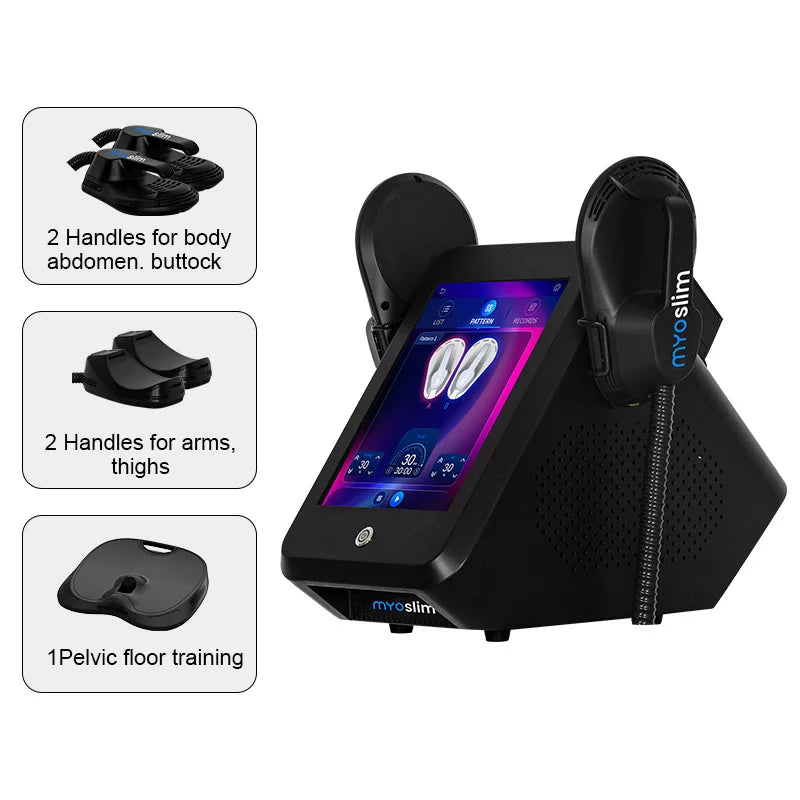
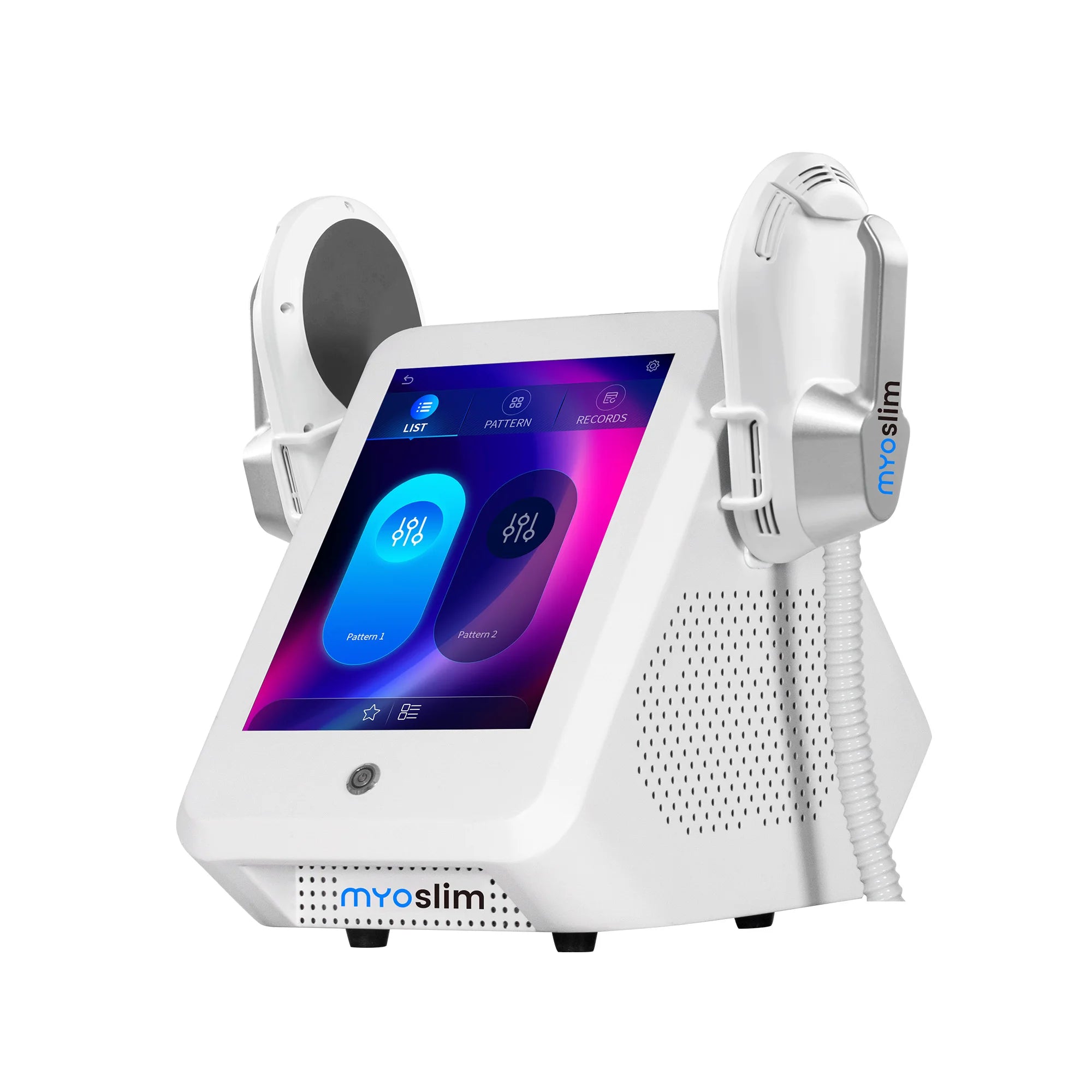
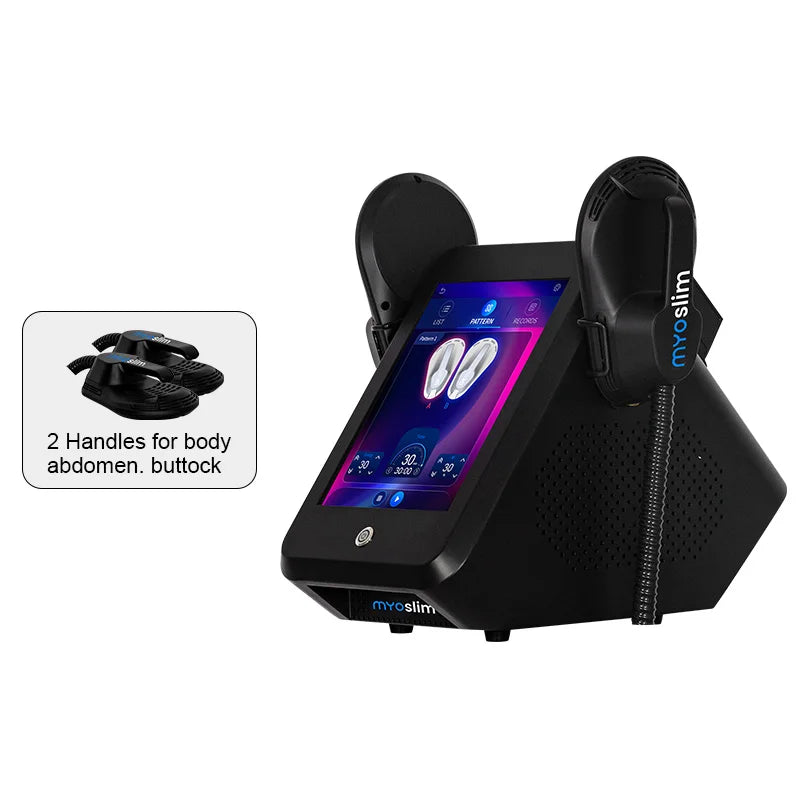
A multifunctional option such as the MYOSLIM EMS Body Sculpting Machine may appeal to users looking for targeted stimulation across several areas. The supplied product information lists EMT + EMS technology, four detachable treatment heads, a 20–100 Hz adjustable frequency range, a 10-inch HD color touchscreen, and typical 20–30 minute sessions.
The product is described as targeting the abdomen, buttocks, thighs, arms, and back, making multi-area treatment one of its notable features. These specifications describe the product itself and should not be interpreted as proof that it will produce a particular clinical or cosmetic result for every user.
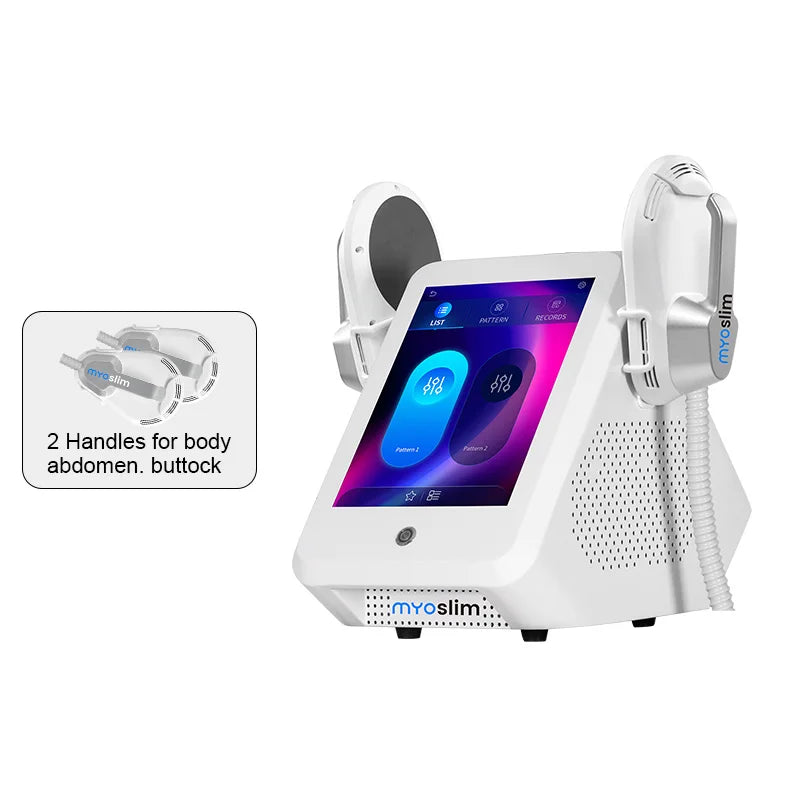
If those specifications match your goals, you can explore the MYOSLIM body-sculpting system as one option for targeted at-home or professional wellness use.
EMS Device Cost vs. Professional Treatment Cost
Cost should be evaluated over the entire period of use rather than by purchase price alone. Compare the upfront device cost with the expected number of sessions, professional treatment fees, convenience, maintenance, warranty coverage, and how frequently you realistically expect to use the system.
Trust Signals: FDA Status, Warranty, and Customer Reviews
Look for specific documentation rather than vague trust language. A credible buying assessment should consider regulatory information where applicable, transparent specifications, clear instructions, warranty coverage, customer support, and reviews that explain actual use rather than simply repeating promotional claims.
EMS Muscle Toning: Pros, Cons, and Who It Is Best For
Pros of EMS for Muscle Toning
- Provides targeted muscle stimulation.
- Can fit into short treatment sessions.
- May complement an existing exercise routine.
- Can target multiple body areas depending on the device.
- May appeal to people who have difficulty maintaining demanding workout schedules.
Cons and Limitations
- It is not a complete replacement for exercise.
- Results vary between individuals.
- Muscle activation does not guarantee visible fat loss.
- Incorrect placement or excessive intensity can reduce comfort and may be inappropriate.
- Device claims should be evaluated against documented intended use and evidence.
- Not every EMS product is designed for the same purpose.
Best Candidates for EMS
EMS may be most appealing to adults who want supplemental muscle stimulation, targeted activation, or a convenient addition to their existing wellness routine. It can be especially attractive when limited time makes a conventional routine difficult to maintain.
When EMS May Not Be Worth It
If your primary objective is comprehensive fitness, progressive strength development, cardiovascular conditioning, or broad athletic performance, conventional exercise should remain central. If your main concern is fat reduction or another cosmetic outcome, compare EMS with technologies specifically designed for that goal.
EMS Buying Decision Checklist
- Identify the exact muscle or body area you want to target.
- Determine whether your goal is activation, toning, strength, or body contouring.
- Check the device's intended use and safety instructions.
- Review frequency and intensity controls.
- Confirm that the treatment heads are appropriate for your target areas.
- Compare session length and expected usage.
- Check manufacturer transparency, warranty, and customer support.
- Do not treat before-and-after images or unsupported marketing claims as clinical proof.
Final Verdict: Is EMS for Muscle Toning Worth Considering?
EMS can be a useful tool for targeted muscle stimulation and may support muscle conditioning or toning when used consistently and according to an appropriate protocol. Its strongest value is as a supplemental technology for focused activation and convenience—not as a replacement for exercise.
The right choice depends on your goal. If you want targeted muscle stimulation across areas such as the abdomen, glutes, thighs, arms, and back, a multi-area system may be worth evaluating. If you want progressive strength, cardiovascular fitness, or comprehensive physical conditioning, conventional exercise remains essential.
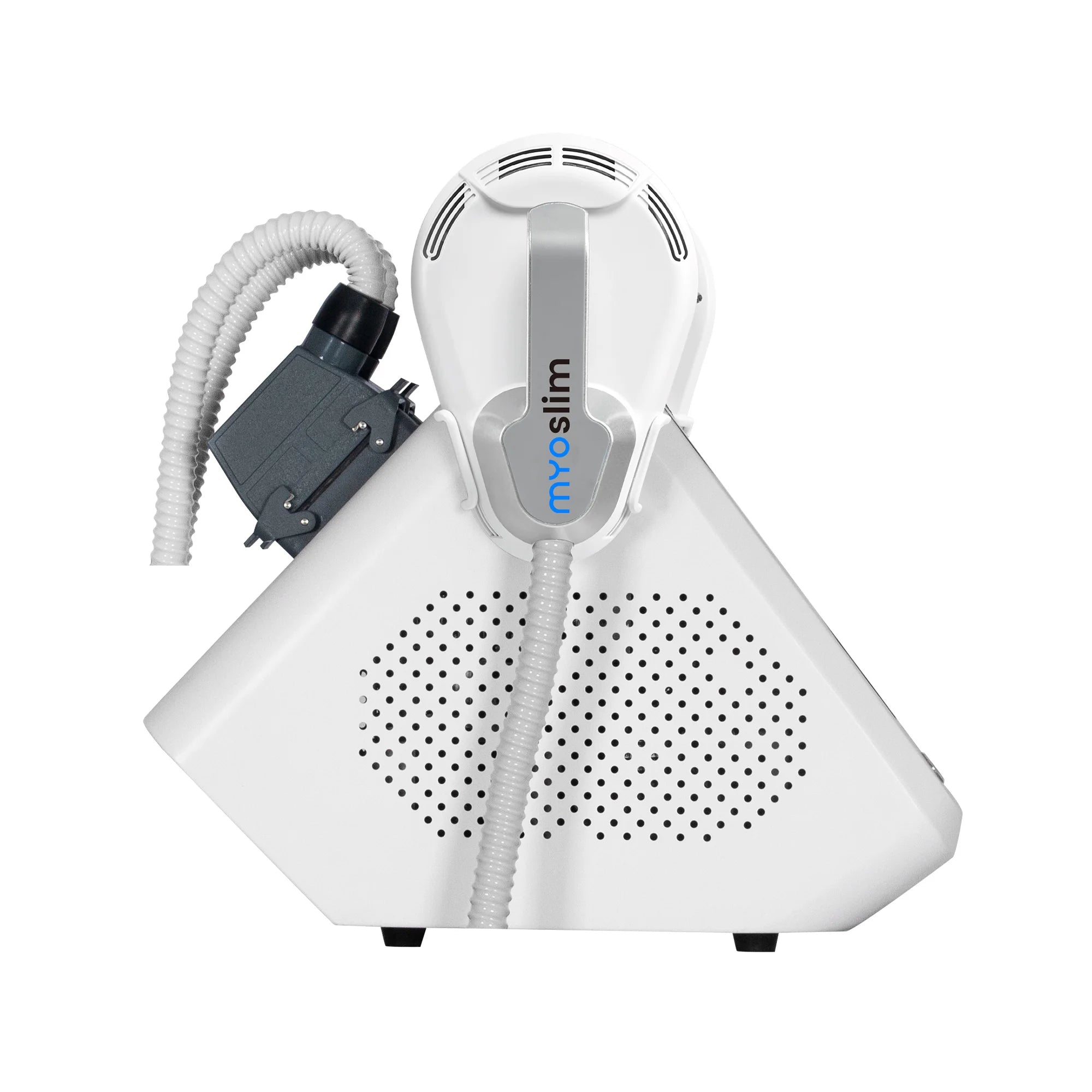
For readers ready to compare an adjustable multi-area system with their needs, view the MYOSLIM EMS Body Sculpting Machine and assess its specifications, treatment areas, session format, and features against the buying criteria above.
You can also explore Body & Face articles for additional educational content on body-focused wellness and beauty technologies.
Pillar Article: Best Abdominal Muscle Stimulation Devices in 2026













