Why Is My Face Cream Not Absorbing? Causes, Skin Science, and How to Fix It
Why Is My Face Cream Not Absorbing?
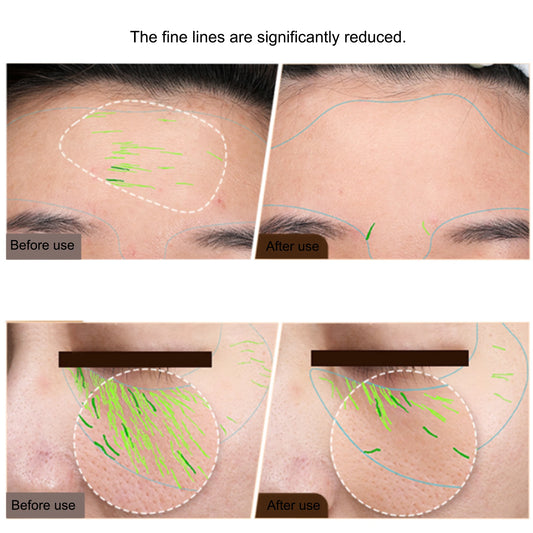
If your face cream feels like it sits on the surface instead of sinking in, your skin may not be absorbing moisturizer properly. This usually happens when the skin barrier is disrupted, dead skin cells accumulate on the surface, or the product formula doesn’t match your skin type.
What “Absorption” Actually Means in Skincare
Moisturizers do not fully penetrate deep into the skin. Instead, they hydrate the outer layer of the skin (the stratum corneum) and help reduce water loss. When a product appears to sit on the surface, it often means the skin barrier is overloaded or blocked.
How the Skin Barrier Controls Moisture
Your skin barrier acts like a protective wall made of skin cells and natural lipids. When this barrier is healthy, it allows water and hydrating ingredients to move through gradually. If it’s clogged with dead skin cells or damaged by dehydration, moisturizer may struggle to absorb properly.
How Long Moisturizer Should Take to Absorb
Most moisturizers should absorb within 30 seconds to two minutes. If your cream still feels greasy or sticky after several minutes, the formula may be too heavy, too much product was applied, or your skin may need exfoliation.
- Apply products from thinnest to thickest (cleanser → toner → serum → moisturizer).
- Use a pea-size amount of cream to avoid surface buildup.
- Exfoliate gently 1–2 times a week to remove dead cells.
- Lock in moisture with a hydration mask like the KentDO 3D Silicone Facial Mask.
Struggling with face cream not absorbing properly? You’re not alone—many people notice dry skin after applying moisturizer or confusion about the right skincare routine. Even the order of products or the question “do serums dry out skin” can make a huge difference. With a few small tweaks, you can transform how your skin drinks in hydration and finally enjoy that dewy glow.
⏱ 7 min read
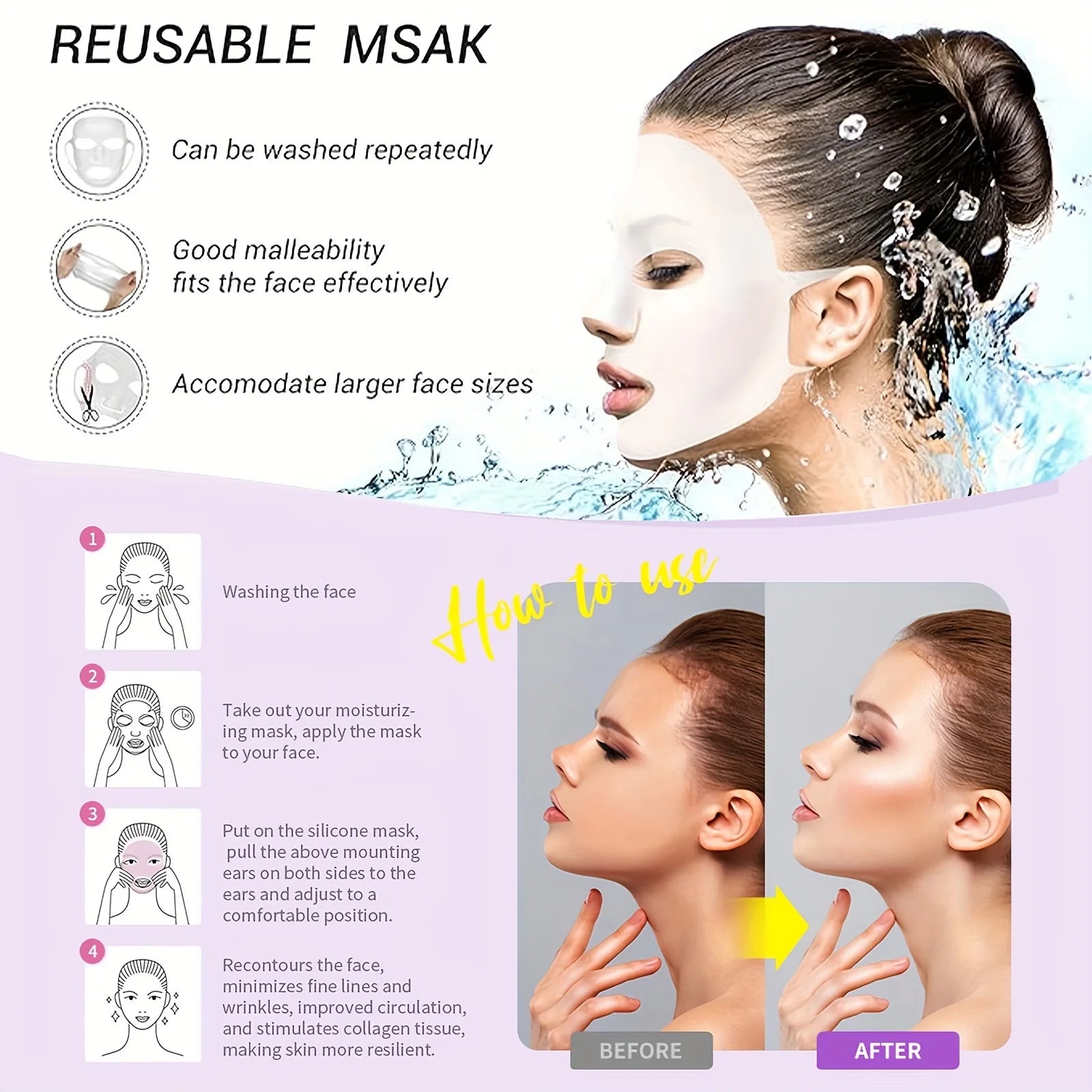
💡 Face cream not absorbing? Lock in hydration with a reusable mask for deep skin nourishment.
Signs Your Skin Isn’t Absorbing Moisturizer Properly
When skincare products fail to absorb, your skin often shows clear signs. Identifying these symptoms can help you understand why your face cream isn’t working as expected.
Cream Sitting on Top of Skin
If moisturizer leaves a shiny or greasy layer that doesn’t disappear after a few minutes, your skin may already be overloaded with product or blocked by dead skin cells.
Pilling or Product Rolling Off
Pilling happens when skincare layers rub together and form small flakes on the skin surface. This often occurs when incompatible formulas are layered or when too much product is used.
Skin Feels Dry Shortly After Applying
If your skin feels dry again within an hour of moisturizing, the product may not be delivering hydration effectively or your skin barrier may be dehydrated.
Sticky or Greasy Finish
A moisturizer that never fully settles into the skin may be too rich for your skin type or applied in excessive amounts.
7 Reasons Your Face Cream Is Not Absorbing
Dead Skin Buildup Blocking Absorption
When dead skin cells accumulate on the surface, they create a barrier that prevents moisturizer from penetrating the skin effectively. Gentle exfoliation and proper cleansing help remove this buildup.
Using Too Much Moisturizer
Applying more product than your skin can absorb can leave a film on the surface, making the moisturizer feel heavy or greasy.
Your Moisturizer Is Too Heavy for Your Skin Type
Rich creams designed for dry skin may sit on oily or combination skin instead of absorbing properly.
Incorrect Skincare Layering Order
Skincare products should be applied from the lightest to the heaviest texture. Applying thick creams too early can block lighter hydrating products.
Silicone or Occlusive Product Conflicts
Some primers, sunscreens, or moisturizers contain silicones or occlusive ingredients that can prevent other products from penetrating.
Dehydrated Skin Barrier
When skin lacks water, it may struggle to absorb moisturizing ingredients effectively. Hydrating layers like toners or essences can help restore balance.
Applying Products on Completely Dry Skin
Moisturizers absorb better when applied to slightly damp skin because hydration helps humectant ingredients draw water into the skin.
Common Skincare Mistakes That Block Moisture
Before spending on expensive creams, check whether everyday skincare habits are interfering with absorption.
Skipping Gentle Cleansing
A dirty or oily surface prevents skincare products from penetrating properly. Using a mild cleanser removes buildup and prepares the skin for hydration.
Ignoring Exfoliation
Dead skin cells can create a physical barrier that blocks moisturizers. Gentle exfoliation once or twice a week helps reveal smoother skin that absorbs hydration better.
Over-Layering Products
Applying too many serums, oils, and creams can overwhelm the skin surface. Simplifying your routine often improves absorption.
Mixing Incompatible Formulas
Products with different textures or ingredients may not work well together. Certain combinations can lead to pilling or reduced absorption.
Applying Moisturizer Incorrectly
Moisturizer should be gently pressed into the skin rather than aggressively rubbed. This helps the product spread evenly and settle properly.
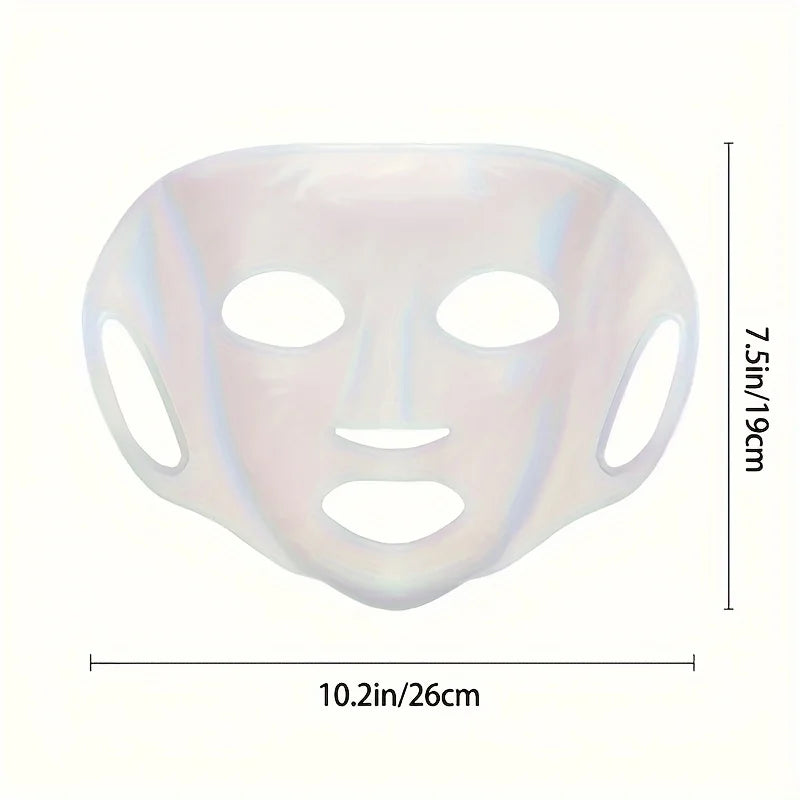
💡 Deep skin hydration treatment is easier with the right tools and routine.
How to Fix Moisturizer That Won’t Absorb (Step-by-Step Routine)
Step 1: Cleanse to Remove Buildup
Start with a gentle cleanser to remove oil, sunscreen, and leftover skincare that may prevent moisturizer from absorbing.
Step 2: Exfoliate to Clear Dead Skin
Regular exfoliation helps remove dead skin cells that block hydration from reaching the skin’s surface.
Step 3: Apply Hydrating Layers First
Use hydrating toners or serums before moisturizer. These lightweight formulas deliver water to the skin and improve absorption.
Step 4: Use the Right Amount
A pea-sized amount of moisturizer is usually enough for the entire face. Applying too much can prevent proper absorption.
Step 5: Seal Hydration When Needed
If your skin is extremely dry, an occlusive layer such as a sleeping mask can help lock in moisture overnight.
Understanding Moisturizer Ingredients (Humectants vs Emollients vs Occlusives)
Moisturizers work because of three main ingredient types. Understanding how they function can explain why some products absorb better than others.
Humectants: Attract Water
Humectants such as hyaluronic acid and glycerin draw water into the skin, helping it stay hydrated.
Emollients: Smooth the Skin
Emollients like ceramides and fatty acids soften the skin and improve the barrier structure.
Occlusives: Lock in Moisture
Occlusives such as petrolatum or shea butter create a protective layer that reduces water loss from the skin.
Best Hydration Boosters for Skin That Doesn’t Absorb Moisturizer
Supporting your moisturizer with the right hydration tools and product types can improve results significantly.
- Hydrating toners and essences: Lightweight formulas add water to the skin before heavier products.
- Lightweight serums for dehydration: Ingredients like hyaluronic acid help attract moisture.
- Barrier-repair creams: Ceramides and fatty acids strengthen the skin barrier.
- Skin and Beauty Care Devices – devices that support deeper skincare penetration.
- Body Care and Health Devices – useful for full-body hydration routines.
- Lifestyle Collection – wellness tools that support overall skin health.
How Overnight Hydration Masks Improve Moisture Absorption
Overnight hydration masks help improve moisture retention by creating a protective barrier that reduces water loss while you sleep.
How Occlusive Masks Prevent Water Loss
These masks often contain occlusive ingredients that seal hydration into the skin and prevent moisture from evaporating overnight.
When to Use Hydration Masks
Hydration masks are most helpful when skin feels extremely dry, dehydrated, or when regular moisturizers don’t seem to absorb properly.
The KentDO 3D Silicone Facial Mask works by holding skincare products close to the skin, reducing evaporation and helping hydration remain in place for longer.
| Benefit | Result |
|---|---|
| Reusable Silicone | Eco-friendly and cost-effective |
| Snug Fit | Locks in moisture for deeper hydration |
| Easy to Clean | Quick rinse and reusable |
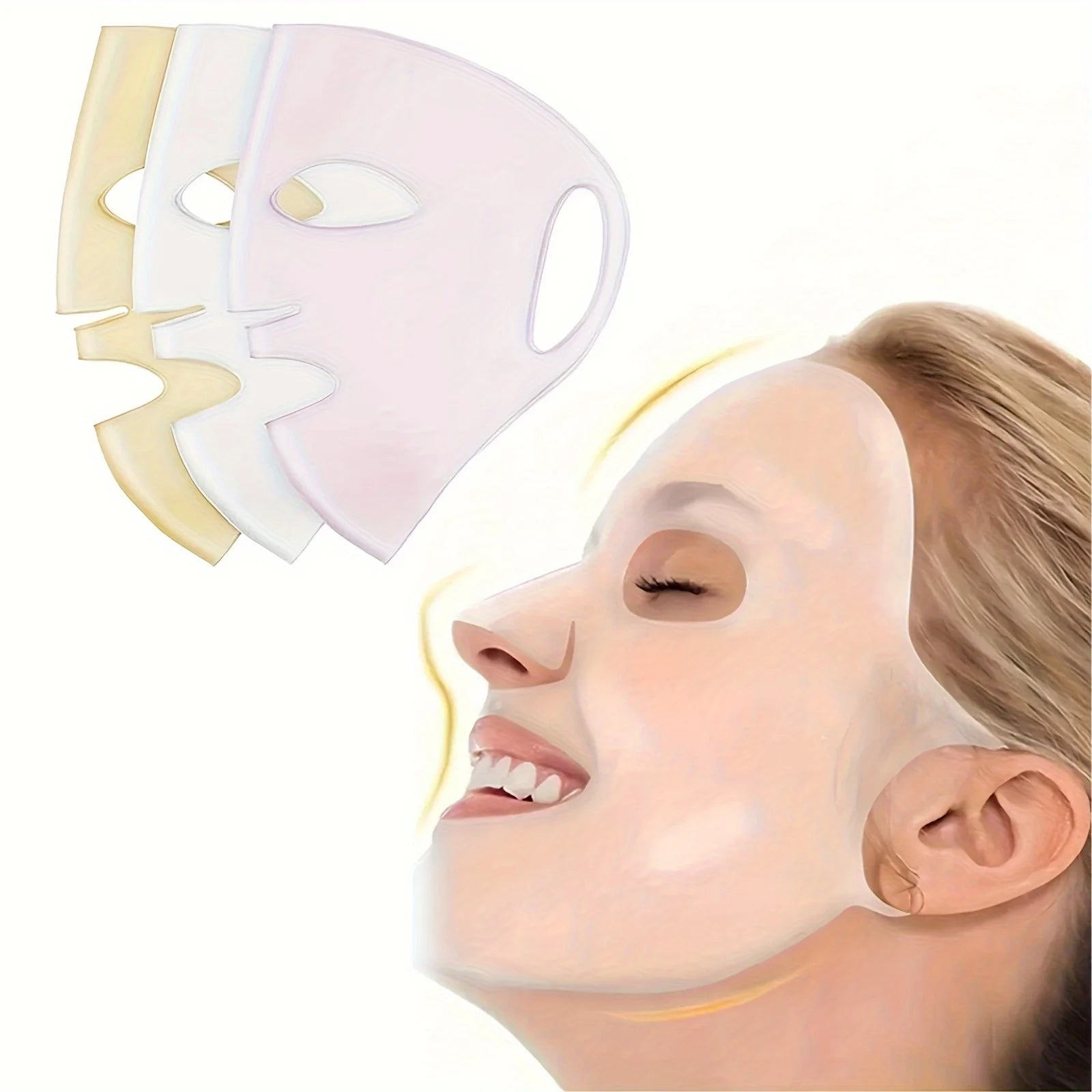
💡 KentDO 3D Silicone Mask: the ultimate serum skin booster for lasting hydration.
Mini FAQ
Why is my face not absorbing moisturizer?
This usually happens due to dead skin buildup, applying too much product, or using a moisturizer that is too heavy for your skin type.
Why does moisturizer pill on my face?
Pilling occurs when skincare products do not layer properly or when too much product is applied. Mixing incompatible formulas can also cause this effect.
Why does my skin feel dry after moisturizing?
Your skin may be dehydrated or your moisturizer may lack humectants that attract water. Layering hydrating serums before cream can help.
How long should moisturizer take to absorb?
Most moisturizers absorb within 30 seconds to two minutes. If it takes longer, the formula may be too heavy or the skin may need exfoliation.
Pillar Article: Deep Hydration Skincare Tips for Sensitive and Dry Skin Types
Other Related Articles:
Explore More: