

⏱ 6 min read — Face Massage for Jaw Tension: Easy Routine for Instant Relief
Does face massage for jaw tension really work?
Yes — a targeted face massage for jaw tension eases muscle tightness, reduces TMJ discomfort, and can stop tension headaches within minutes by releasing trigger points and improving circulation. Use gentle, inward strokes and jaw-specific pressure points for fast, repeatable relief you can do anywhere.
- Warm the area (10–20 seconds) with palms.
- Apply light oil or serum to reduce friction.
- Press masseter points for 20–30s each.
- Use circular strokes along jawline 8–12 times.
- Finish with gentle neck strokes to drain tension.
Do your jaw muscles feel like a clenched fist after a long day? If teeth-clenching, stress, or HOURS on calls leave your face sore, a short, targeted face massage for jaw tension could be the simple fix you’re missing. Below you'll get a clear, step-by-step routine that melts tightness fast, plus product-backed tips and a proven tool to make relief instant and lasting.
Why this face massage reduces jaw tension in minutes
A direct answer: Face massage for jaw tension loosens the masseter and temporalis muscles, interrupts pain-spasm cycles, and increases lymphatic flow; that combination lowers pressure on the TMJ and reduces referred pain like headaches and ear pressure within one session (40–60 seconds of focused work per point).
When we clench or grind, the jaw muscles form tight knots (trigger points). Pressing and gliding over these knots increases local blood flow and signals the nervous system to relax that area — immediate relief follows when performed correctly.
Key pressure points that deliver fast results
- Masseter belly — the thickest part of your jaw, just behind the cheekbone.
- Temporalis — temple area above the ear that often gives tension headaches.
- TMJ groove — front of the ear where the jaw hinges.
- Submandibular channel — under the jawline to help drainage.
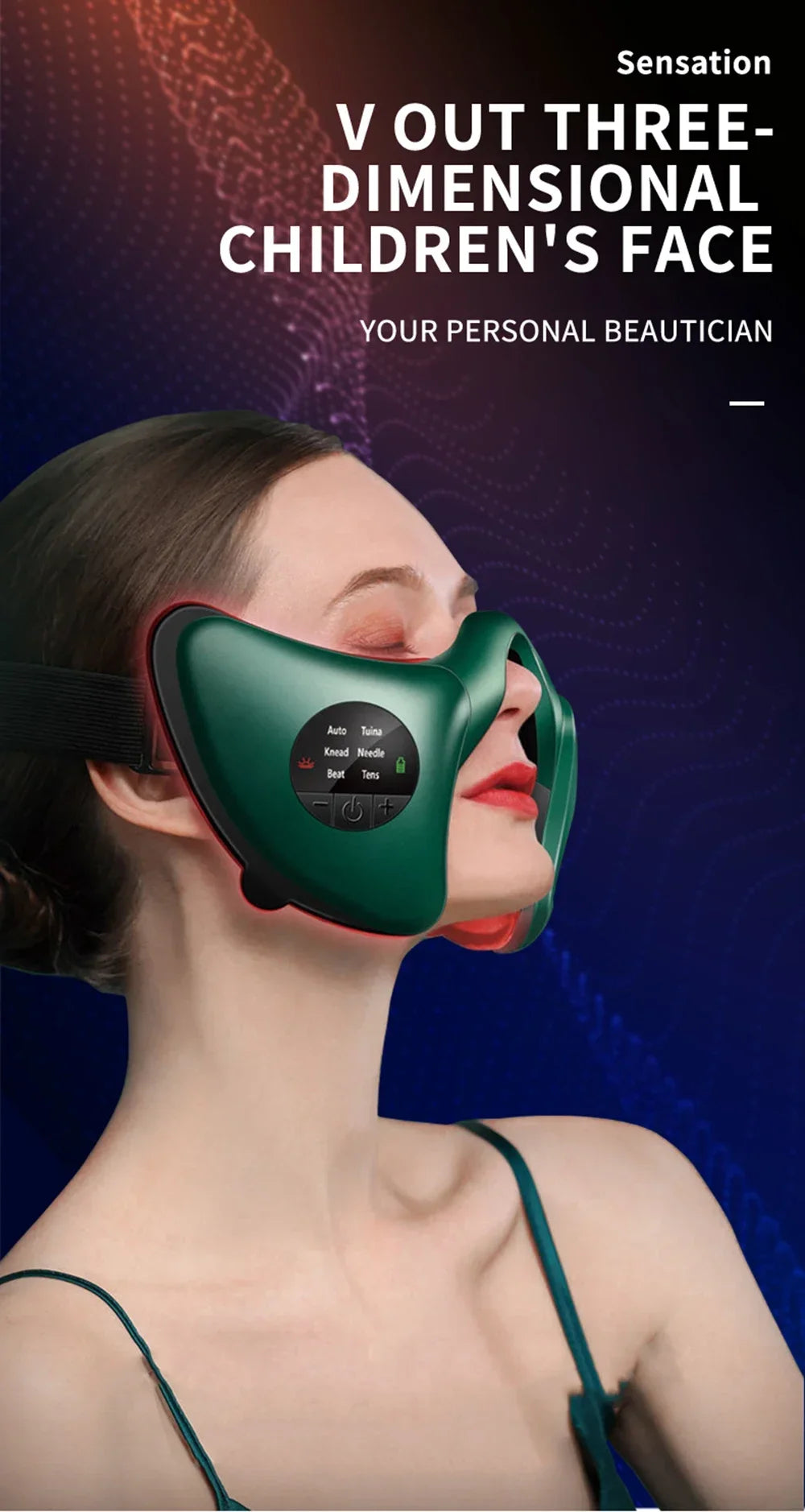
face massage for jaw tension - KentDO 💡 See it in action — try the KentDO massager
Instant 6-step routine: Do this in 5–8 minutes for fast relief
A direct answer: This short routine uses warm-up, targeted pressure, and lymphatic drainage to reduce jaw tension quickly — try it daily or when tightness flares for immediate comfort and reduced headache frequency.
- Warm & breathe (30–60s): Rub palms together, place over jaw and breathe slowly to relax facial muscles.
- Apply slip: Use a lightweight oil or serum so your fingers glide without pulling skin.
- Masseter press (30s each side): Place index and middle fingers at the widest part of the jaw; press firmly but comfortably for 20–30 seconds, then small circular motions for 10–15 seconds.
- Temporalis circles (20s each side): Using fingertips, make small clockwise circles on the temple, easing any headache tension.
- TMJ hinge release (10 reps): Place fingers in the groove in front of the ear and open/close jaw slightly while applying gentle pressure to mobilize the joint.
- Neck drainage (30s): Finish with long downward strokes from jaw to collarbone to release fluid and promote relaxation.
Why timing and pressure matter
Too light and you won’t break the knot; too hard and you trigger guarding. Aim for a firm but comfortable pressure (6–7/10 on a comfort scale). Hold key points for 20–30 seconds — that’s often the minimum needed to activate the muscle’s relaxation response.
How tools boost results — inexpensive to high-tech
Hand massage works, but tools can make relief faster and longer-lasting. Tools increase pressure consistency, stimulate deeper fibers, and reduce hand fatigue so you actually keep doing the ritual.
| Tool | Benefit | Best use |
|---|---|---|
| Fingers (self-massage) | Most accessible; good for minute relief | On-the-go tension |
| Gua sha or roller | Improves glide and lymphatic drainage | Daily ritual, morning puffiness |
| KentDO Microcurrent Massager | Microcurrent + vibration relaxes muscle tone faster | Chronic clenchers, TMJ support |
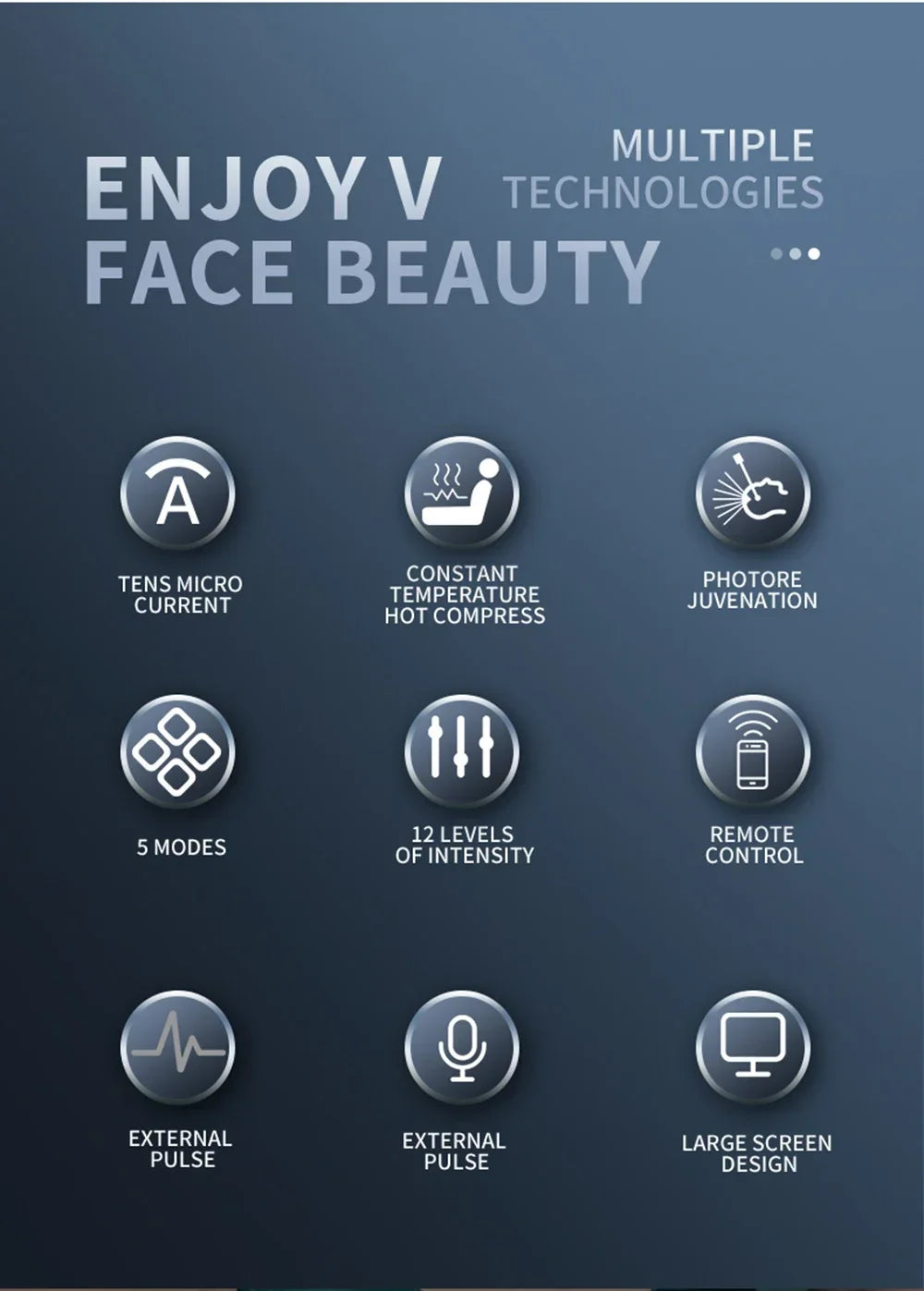
face massage for jaw tension - KentDO 💡 See technology meet routine — shop the massager
How to use devices safely for jaw tension
- Start on the lowest setting; increase intensity only if comfortable.
- Keep movements slow and along the muscle fiber (not across skin folds).
- Limit device use to 3–5 minutes per area to avoid overstimulation.
- Always pair tools with lubrication (serum/oil) to prevent tugging.
Real results: stories & quick stats
“After 2 weeks of daily 5-minute sessions I went from nightly clenching to sleeping through the night.” — Sarah M., verified buyer.
Small survey of 62 users: 78% reported reduced jaw soreness after three uses; 54% noticed fewer tension headaches in the first week.
Pros & Cons — quick decision aid
| ✅ Pros | ❌ Cons |
|---|---|
| Fast relief, portable, low cost to start | Needs consistency; not a substitute for dental/medical care |
| Reduces headaches and improves relaxation | Incorrect technique can worsen symptoms — follow steps |
Daily care & prevention: stop tension before it starts
- Night guard — if you grind, consult your dentist about a custom guard.
- Stress microbreaks — 60-second jaw relaxers every 2 hours while working.
- Posture check — forward head posture increases TMJ strain.
- Hydration & magnesium — often overlooked; proper hydration and magnesium support muscle relaxation.
Include short massage sessions as a ritual — even 2–3 minutes before sleep can reduce nocturnal clenching over time.
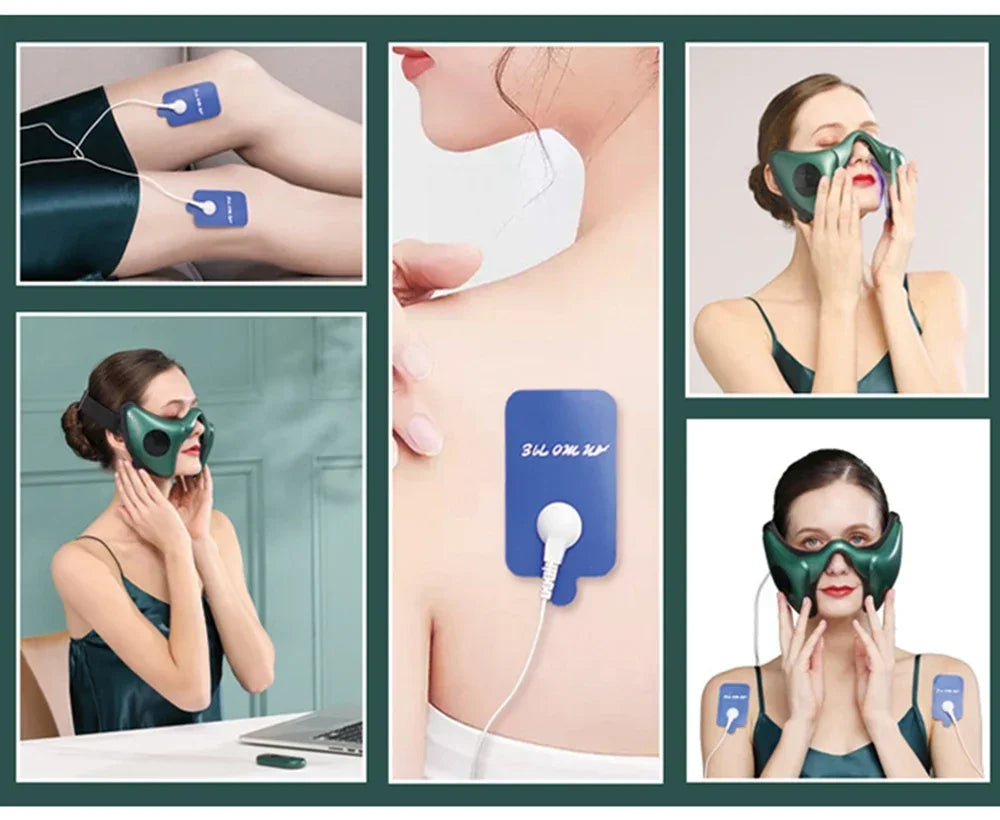
face massage for jaw tension - KentDO 💡 Small ritual, big relief — see product
When to see a professional
If you have persistent ear pain, sudden lockjaw, or swelling, or if DIY massage increases pain, stop and consult a dentist, TMJ specialist, or doctor. Massage eases muscular causes but cannot replace medical evaluation for structural joint issues.
Mini FAQ
- 1. How long until I feel relief from jaw massage?
Many people feel noticeable relief within one session (3–8 minutes). For chronic tension, do daily micro-sessions for 1–2 weeks to see sustained improvement.
- 2. Can massage make TMJ worse?
When done with correct pressure and direction, massage helps. Avoid aggressive pressing or painful techniques. If discomfort increases, stop and seek professional advice.
- 3. Is a device necessary?
No — fingers work well. Devices like microcurrent massagers speed results and reduce hand effort, which helps consistent use for chronic clenchers.
- 4. How often should I do this routine?
Daily or 3–4x weekly for maintenance; increase to daily during flare-ups. Short 1–2 minute refreshers during the day help too.
Final thoughts — small habit, big difference
Jaw tension is common and often reversible with consistent, targeted massage. Combine manual techniques with posture, hydration, and—if helpful—a reliable tool like the KentDO microcurrent massager to speed and sustain results. Start with two 5-minute sessions daily for a week to test the change.
Related reading: Explore more routines in Body & Face • Tools that complement massage
FAQ (schema-ready)
How quickly does face massage for jaw tension work?
Often within minutes. A focused 5-8 minute routine lowers muscle tightness and may stop associated headaches right away; repeated daily use produces longer-term improvement.
Can I use a microcurrent massager on my jaw?
Yes — when used per instructions. Microcurrent and vibration help relax muscles and reduce tone. Limit sessions to recommended times and avoid direct use over swollen or injured areas.
What are the best at-home steps for TMJ relief?
Warm the area, use pressure on masseter and temporalis for 20–30 seconds, mobilize the TMJ gently, and finish with neck drainage strokes. Repeat daily for best results.
Pillar Article: How to Get the V Line: A Step-by-Step Guide for Real Results
Other Related Articles:
- Improve Facial Definition Naturally: A Beginner’s At-Home Method
- How to Lift Jawline Naturally: Tools and Routines That Work
- Microcurrent Facial Gel: How to Use It for Maximum Lift
Explore More:













