
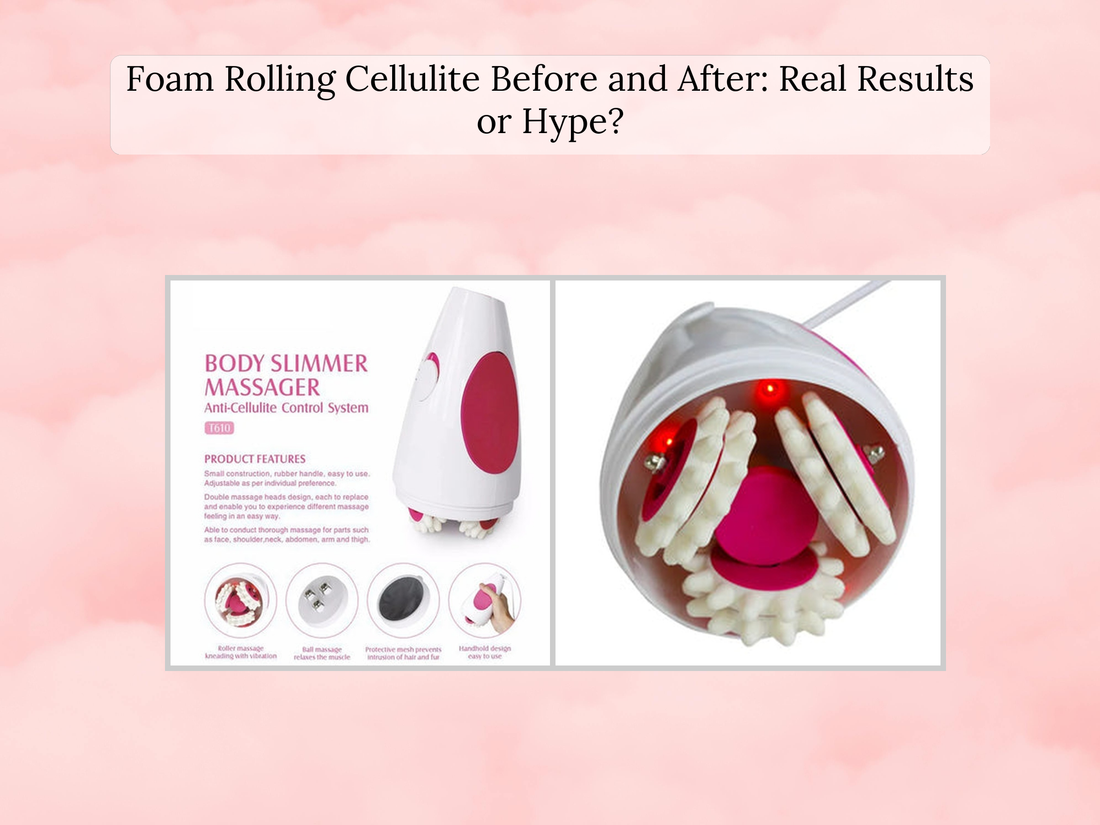
Foam Rolling Cellulite Before and After: Real Results, Timelines, and What Science Says
Search interest in foam rolling cellulite before and after has surged as more people look for simple ways to smooth dimples at home. Social media often shows dramatic cellulite roller before and after photos—but how much of that improvement is real? In this expert-backed guide, we explain the science of cellulite, how foam rolling affects fascia and circulation, what real results typically look like, how long improvements may last, and how to build a routine that supports smoother-looking skin.
⏱ 9 min read
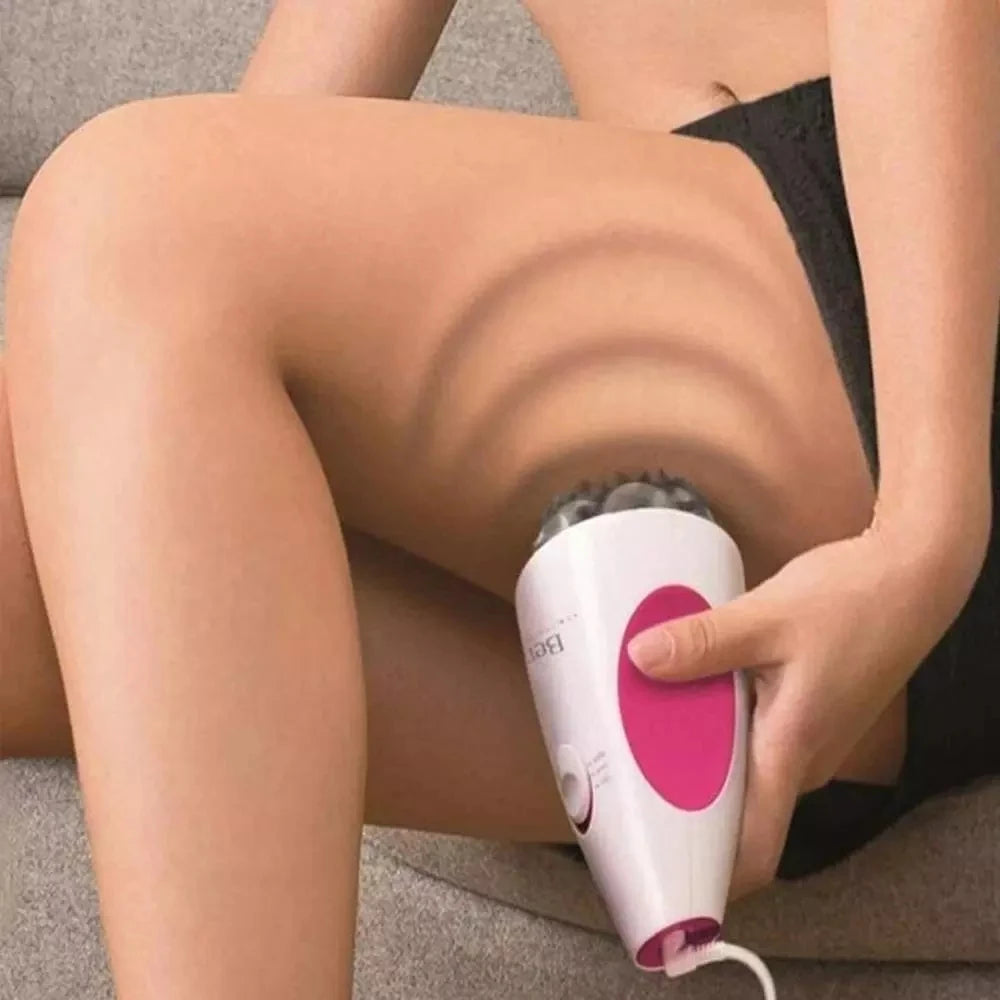
foam rolling cellulite before and after: real stories, real tools — see it in action
Foam Rolling Cellulite Before and After: Does It Actually Work?
Search interest in foam rolling cellulite before and after has exploded because many people report smoother-looking skin after using a foam roller. But does foam rolling actually remove cellulite—or simply improve its appearance for a short period?
Why cellulite forms in the first place
Cellulite develops when fat cells push upward against the skin while connective tissue bands pull downward. This structural interaction creates the dimpled appearance most commonly seen on the thighs, hips, buttocks, and sometimes the arms.
Factors that influence cellulite include:
- Genetics and inherited connective tissue structure
- Hormonal influences
- Skin thickness and elasticity
- Body composition
- Circulation and fluid retention
- Fascia tightness and tissue mobility
Because cellulite has structural causes, most non-medical treatments focus on improving appearance rather than permanently removing cellulite.
How foam rolling affects fascia, circulation, lymphatic flow, and tissue texture
A foam roller for cellulite applies pressure to soft tissues, fascia, and underlying muscles. This mechanical pressure can increase local circulation, improve tissue mobility, and temporarily support fluid movement through superficial tissues.
Potential cosmetic benefits include:
- Improved blood flow to the treated area
- Reduced temporary fluid accumulation
- Improved fascial mobility
- Smoother-feeling tissue texture
These effects help explain why foam rolling often appears in guides discussing cellulite management, fascia release, and recovery-based body care routines.
What current research says about foam rolling and cellulite
Research directly studying foam rolling as a cellulite treatment is limited. Most evidence comes from studies examining foam rolling's effects on circulation, fascia mobility, muscle recovery, and tissue hydration rather than cellulite reduction itself.
Current evidence suggests foam rolling may temporarily improve the appearance of cellulite by increasing local blood flow, reducing fluid accumulation, improving tissue mobility, and creating a smoother skin surface. However, researchers have not demonstrated that foam rolling permanently changes the connective tissue structures responsible for cellulite.
This distinction is important when evaluating foam rolling cellulite before and after photos. Improvements can be real and noticeable, but they are typically cosmetic and temporary rather than structural.
- Evidence supports improved circulation.
- Evidence supports short-term tissue mobility benefits.
- Evidence supports reduced feelings of tightness and stiffness.
- Evidence does not currently support permanent cellulite removal.
Why results are usually temporary
Many people notice improvement in foam roller cellulite before after photos because foam rolling influences fluid distribution, circulation, and tissue tension. However, it does not permanently alter fat distribution or connective tissue bands.
Consistent foam rolling may help maintain smoother-looking skin, but long-term cellulite management generally requires multiple lifestyle strategies working together.
Foam Rolling Cellulite Before and After: What Real Results Look Like
When searching for foam rolling cellulite before and after , many people expect dramatic transformations. In reality, improvements tend to be subtle, gradual, and highly dependent on consistency.
Immediate changes after one session
After a single session, some people notice slightly firmer-looking skin and reduced visibility of superficial dimples. These short-term effects are primarily related to circulation and temporary fluid shifts.
- Skin may appear smoother.
- Tissues often feel warmer.
- Mild puffiness may decrease temporarily.
Results after 2–4 weeks of consistent rolling
When foam rolling is performed three to five times per week, users commonly report modest improvements in skin texture and tissue quality.
- Reduced appearance of mild cellulite.
- Improved tissue mobility.
- Better muscle recovery and comfort.
- More consistent skin smoothness after sessions.
Results after 8–12 weeks: realistic expectations
After two to three months of consistent foam rolling, many users report smoother-looking skin texture, less visible dimpling under favorable lighting, and improved tissue softness in the thighs and glutes.
However, expectations should remain realistic. Foam rolling does not eliminate cellulite-producing connective tissue bands. Instead, long-term consistency may help maintain temporary improvements in circulation, tissue hydration, and fluid movement.
The most noticeable changes are often reported by people who combine foam rolling with strength training, healthy body composition management, hydration, and regular physical activity.
- Improved skin smoothness.
- Reduced puffiness.
- Better tissue mobility.
- No permanent cellulite removal.
How lighting, posture, hydration, and photo editing affect cellulite photos
Many cellulite roller before and after photos online look dramatically different due to lighting direction, camera angle, hydration status, posture, and muscle tension.
Even small changes in leg positioning or side lighting can make cellulite appear significantly better or worse.
How to evaluate before-and-after cellulite images correctly
Many cellulite before-and-after photos are influenced by factors unrelated to treatment effectiveness. Small changes in camera angle, body position, lighting direction, hydration status, and muscle tension can dramatically alter how cellulite appears.
When evaluating foam roller cellulite before after images, look for:
- Identical lighting conditions.
- The same camera distance and angle.
- Matching posture and leg positioning.
- Comparable hydration levels.
- Photos taken weeks apart rather than immediately after treatment.
Images showing dramatic improvements after a single session should be viewed cautiously because temporary fluid shifts and lighting changes can exaggerate results.
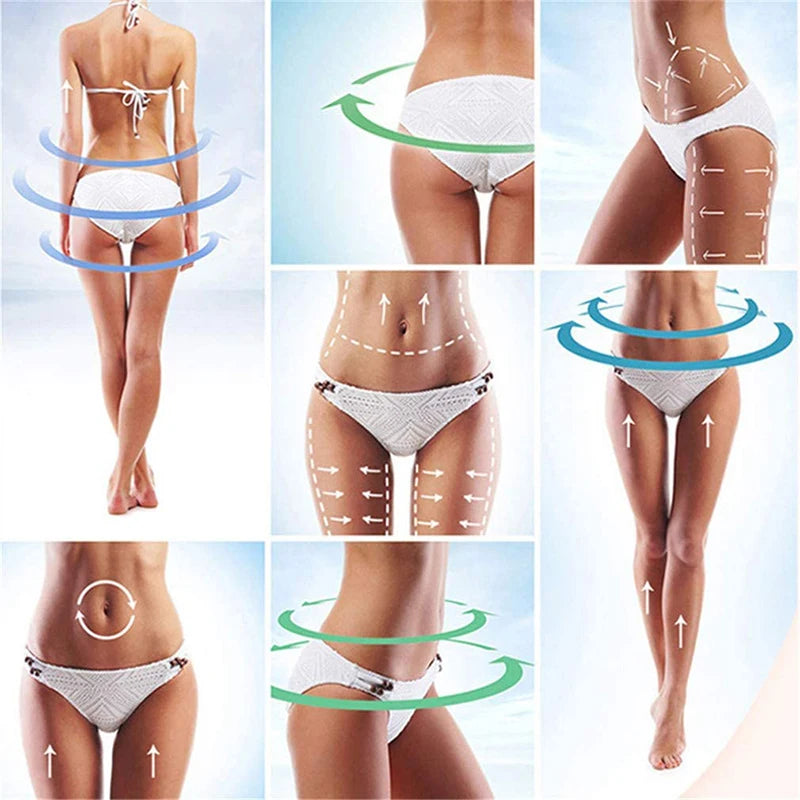
cellulite roller results take time — see what 30+ days can do Shop now
Why Foam Rolling Can Make Cellulite Look Better Without Removing It
Temporary fluid shifts and reduced puffiness
Rolling applies mechanical pressure to soft tissues, which may temporarily move excess fluid and reduce localized puffiness. This can create a smoother appearance immediately after a session.
Improved tissue mobility and fascia hydration
Foam rolling may help tissues glide more freely by reducing stiffness and improving fascial mobility. Better tissue quality can contribute to smoother-looking skin texture.
Increased circulation and skin appearance
Improved blood flow may temporarily enhance skin tone and tissue oxygenation, helping cellulite appear less prominent for several hours or days.
Why connective tissue bands remain unchanged
Cellulite develops partly because fibrous connective tissue bands pull downward while fat pushes upward. Foam rolling does not break, release, or permanently remodel these structures, which is why results are usually temporary.
Does Foam Rolling Help Cellulite? Benefits Backed by Physio Research
Many physiotherapists recommend foam rolling for muscle recovery, mobility, and tissue quality. These same mechanisms help explain why some people notice cosmetic improvements in cellulite appearance.
Fascia release and skin smoothing
Foam rolling may reduce fascial stiffness and improve tissue mobility. When tissues move more freely, the skin surface can appear smoother and less uneven.
Improved circulation and tissue oxygenation
Rolling stimulates blood flow to muscles and surrounding tissues. Increased circulation can temporarily improve tissue quality and contribute to healthier-looking skin.
Temporary fluid drainage and reduced puffiness
Massage-like pressure may support temporary lymphatic movement and reduce minor fluid retention, making cellulite dimples appear less pronounced immediately after treatment.
These mechanisms are similar to those discussed in our guide on cellulite massage treatment by body area .
Additional recovery and mobility benefits beyond cellulite
Even if cellulite reduction is not your primary goal, foam rolling may provide several valuable benefits.
- Improved range of motion.
- Reduced post-workout soreness.
- Better movement quality.
- Enhanced recovery between training sessions.
- Reduced feelings of muscle tightness.
These benefits often provide more measurable outcomes than cellulite reduction alone, making foam rolling a useful addition to a broader fitness and recovery routine.
Top Foam Roller Exercises for Cellulite (Thighs & Glutes Routine)
Targeting the thighs and glutes is essential when using a foam roller for cellulite , since these areas commonly show the most visible dimpling.
Outer thighs (IT band roll)
Lie on your side with the foam roller positioned under your outer thigh. Slowly roll from the hip toward the knee while supporting your upper body.
Hamstrings roll
Sit with the foam roller under the back of your thighs and slowly roll from the base of the glutes toward the knees.
Glute roll
Sit on the roller, cross one ankle over the opposite knee, and gently roll across the glute muscles.
Inner thigh roll
Lie face down with one leg bent outward and the foam roller positioned beneath the inner thigh. Roll slowly while supporting yourself on your forearms.
Perform each movement for 30–60 seconds per side. The full routine takes less than 10 minutes.
Common foam rolling mistakes that reduce results
- Rolling too aggressively and causing bruising.
- Moving too quickly over the tissue.
- Applying inconsistent pressure.
- Rolling only once every few weeks.
- Expecting permanent cellulite removal.
- Ignoring hydration and overall lifestyle factors.
Slow, controlled passes performed consistently tend to produce better results than occasional high-pressure sessions.
How to Use a Foam Roller for Cellulite (Step-by-Step Routine)
10-minute beginner routine
Follow this quick routine to target common cellulite areas:
- Warm up – Take a short walk or warm shower.
- Roll target zones – Focus on thighs, glutes, and calves for 30–60 seconds each.
- Use slow movements – Allow tissues time to respond to pressure.
- Hydrate afterward – Support normal fluid balance and recovery.
Pressure and tempo guidelines
Use moderate pressure and avoid rolling directly over joints or bony areas. Controlled, deliberate movements generally work better than fast, aggressive rolling.
How often to foam roll for visible cellulite improvements
Most people see the best results when foam rolling 3–5 times per week . Consistency matters more than session length, especially when combined with exercise and hydration.
Best time of day to foam roll for cellulite
There is no universally perfect time to foam roll. However, many people notice the best cosmetic improvements immediately after rolling or following exercise when circulation is already elevated.
- Before workouts for mobility preparation.
- After workouts for recovery support.
- In the morning to reduce temporary puffiness.
- Before taking progress photos for consistency.
The most important factor is maintaining a consistent schedule rather than focusing on a specific time of day.
Cellulite Roller Results Timeline: What to Expect
People searching for cellulite roller results often want realistic expectations regarding how quickly foam rolling may improve skin texture.
After one session
You may notice smoother-looking skin due to increased circulation and temporary fluid movement.
After 2 weeks
With regular use, some individuals report slightly improved muscle tone and less visible dimpling.
After 4–8 weeks
Consistent foam rolling combined with hydration and exercise may produce more stable improvements in skin appearance and tissue quality.
After 12 weeks and beyond
Beyond three months, foam rolling results typically plateau. Users may maintain smoother-looking skin and reduced puffiness if they continue rolling regularly, but dramatic improvements become less common.
Long-term cellulite management usually requires a combination of exercise, body composition management, healthy lifestyle habits, and realistic expectations. Foam rolling can support these efforts but rarely serves as a standalone solution.
Foam Roller vs Cellulite Massage Roller Before and After Results
Foam roller cellulite before after comparisons
Foam rollers distribute pressure across a larger surface area, making them useful for improving tissue mobility and circulation throughout the thighs and glutes.
Cellulite massage roller before and after expectations
Massage rollers typically apply more targeted pressure and may create stronger temporary increases in blood flow near the skin surface. This can sometimes produce more noticeable short-term smoothing effects.
Which tool creates the most noticeable temporary smoothing
Massage rollers often create faster cosmetic changes immediately after use, while foam rollers may offer broader recovery and mobility benefits.
Devices such as the KentDO Infrared Slimming Massager , FasciaBlaster, TriggerPoint GRID Roller, Hyperice Vyper, and Therabody Wave Roller all approach tissue stimulation differently. None permanently removes cellulite, but they may contribute to temporary improvements in appearance when used consistently.
Foam Roller vs Other Cellulite Treatments
Different cellulite tools target circulation, fascia, and tissue mobility in different ways. Here's how common options compare.
Foam rolling vs dry brushing
Dry brushing primarily stimulates the skin surface, while foam rolling reaches deeper tissues and fascia.
Foam rolling vs cellulite massage rollers
Massage rollers provide more concentrated pressure, while foam rollers offer broader tissue coverage and recovery benefits.
Foam rolling vs professional treatments
Professional treatments such as radiofrequency, acoustic wave therapy, subcision, and vacuum-assisted procedures may produce stronger and longer-lasting cosmetic improvements but involve greater cost and professional supervision.
Foam rolling vs strength training and fat loss
Compared with foam rolling alone, resistance training and healthy body composition management generally produce more meaningful long-term improvements in cellulite appearance.
Building muscle can improve body contours and tissue firmness, while reducing excess body fat may decrease the visibility of cellulite in some individuals. Foam rolling works best as a complementary strategy rather than a primary cellulite treatment.
| Tool | Effectiveness | Ease of Use | Time to Results |
|---|---|---|---|
| Foam Roller | Moderate | High | 4–8 weeks |
| Infrared Massager | High | Very High | 2–4 weeks |
| Cupping Tool | Moderate–High | Medium | 3–6 weeks |
| Manual Massage Brush | Low–Moderate | Medium | 6–8 weeks |
Who Gets the Best Foam Roller Cellulite Results?
Mild cellulite vs severe cellulite
People with mild cellulite often notice cosmetic improvements more easily because dimpling is less pronounced and more responsive to temporary changes in tissue appearance.
Age, hydration, and body composition factors
Hydration status, skin elasticity, connective tissue quality, age, and body composition can all influence how noticeable foam rolling results become.
Why some users see dramatic photos while others do not
Differences in photography conditions, consistency of use, lifestyle habits, and baseline cellulite severity explain much of the variation seen in reported before-and-after outcomes.
FAQs About Foam Rolling and Cellulite
Does a foam roller get rid of cellulite permanently?
No, foam rolling does not permanently remove cellulite. It can temporarily improve circulation and fluid movement, which may reduce the appearance of dimples for a short time.
How long before I see cellulite roller results?
Many users report subtle improvements within 2–4 weeks when foam rolling consistently several times per week.
Are there any side effects?
If used too aggressively, foam rollers may cause soreness or mild bruising. Start with gentle pressure and gradually increase intensity.
Is foam rolling better than massage?
Both approaches can be helpful. Foam rolling supports daily maintenance, while massage tools or infrared devices may provide stronger stimulation.
Can you roll out cellulite permanently?
No. Current evidence does not show that foam rolling permanently removes cellulite or changes the connective tissue structures that create dimpling.
Does rolling cellulite work if I don't exercise?
You may notice temporary improvements in skin appearance, but combining foam rolling with regular physical activity generally produces better long-term results.
How many times per week should I foam roll?
Most people benefit from foam rolling three to five times per week, especially when targeting cellulite-prone areas consistently.
Can a fascia roller help cellulite?
A fascia roller may improve tissue mobility, circulation, and temporary skin smoothness. While it can help reduce the appearance of cellulite, it does not permanently eliminate it.
Related Articles:
- Best Anti Cellulite Massage Rollers: Ranked by Results
- Does a Vibrating Belt Reduce Belly Fat or Just Shake You Up?
- Cellulite Massage Machine Reviews: What’s Worth Your Money?
- Top 7 Cellulite Massage Rollers That Actually Work in 2025
- Does Foam Rolling Help Cellulite? What the Reviews Don’t Tell You
Pillar Articles:













