

Does frequency microcurrent therapy really lift better?
Answer: Frequency microcurrent therapy uses synchronized electrical impulses to stimulate facial muscles and skin at targeted frequencies, producing a deeper, controlled lift. The primary keyword frequency microcurrent therapy increases muscle tone and collagen support while minimizing discomfort—delivering measurable tightening and improved facial contour in fewer sessions.
⏱ 10 min read
Frequency Microcurrent Therapy Explained: Why It Lifts Better
Frequency microcurrent therapy delivers precise electrical impulses at tuned frequencies to retrain and tone facial muscles, improve circulation, and stimulate collagen production — giving a natural-looking lift without surgery. If you want a dependable, noninvasive way to tighten skin and restore youthful contours, this is the focused technique to understand.
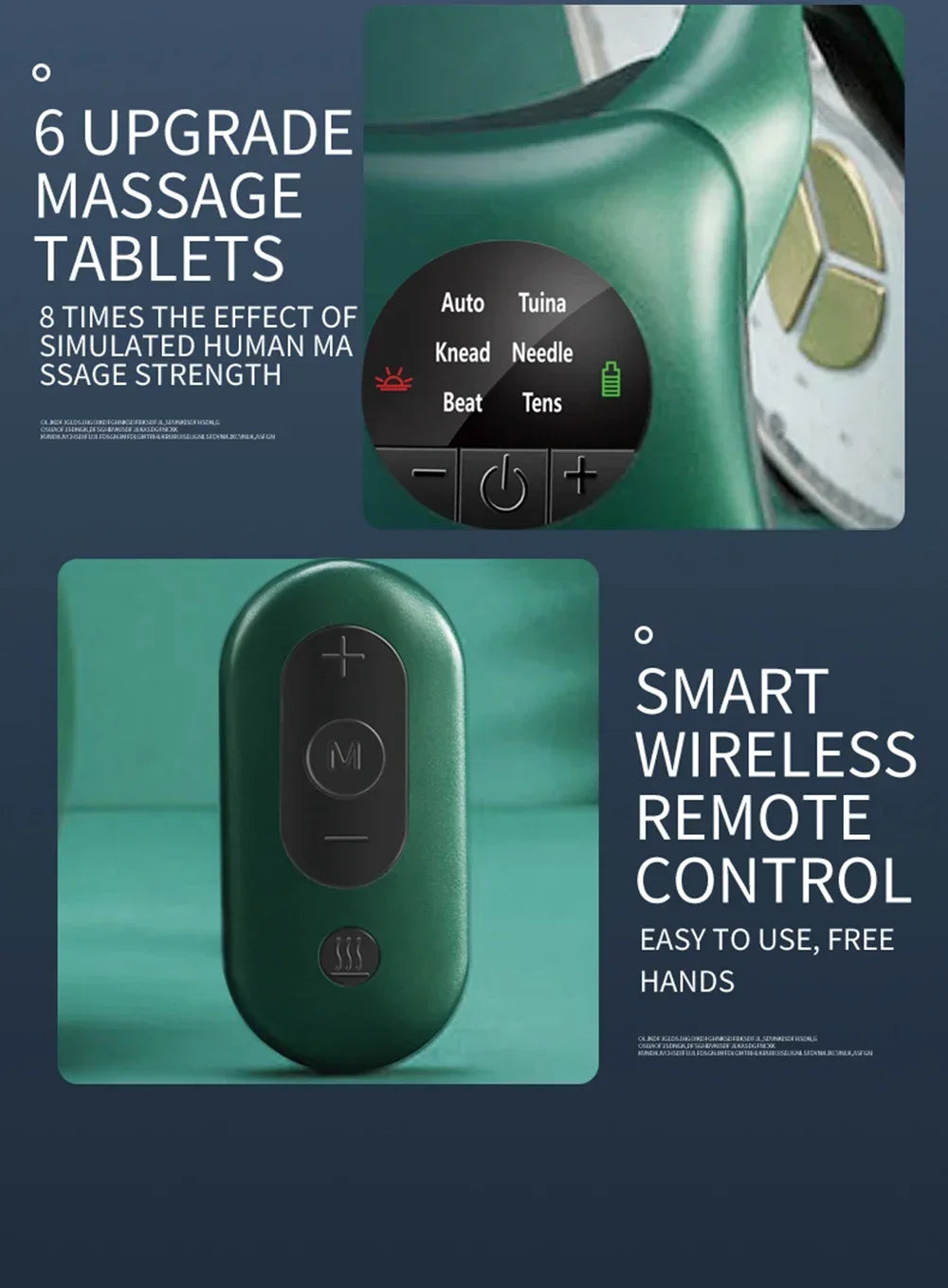
frequency microcurrent therapy - KentDO 💡 See it in action — Get the device
What is frequency microcurrent therapy?
Direct answer: Frequency microcurrent therapy uses tailored electrical frequencies to stimulate facial muscles and cellular activity. This approach delivers consistent neuromuscular engagement and targeted bioelectric signaling to tighten tissue and support collagen remodeling without heat or needles.
In plain terms: instead of one fixed microcurrent waveform, frequency systems vary the pulse rate and waveform to match the natural firing patterns of facial muscles. That means deeper engagement, fewer wasted pulses, and more predictable lifting effects.
Why should you care?
- Tighter jawline and lifted cheeks without downtime
- Improved skin tone and reduced sagging over weeks
- Works with your skin’s natural electrical rhythm — precision that matters (nan-level control referenced as “nan” in product specs)
How it works: frequency, muscle engagement & nan precision
Direct answer: Frequency microcurrent therapy achieves lift by using frequency-tuned pulses that mirror motor neuron firing rates, driving muscle contractions and fibroblast stimulation for collagen production and tighter contours.
Mechanism breakdown:
- Targeted frequencies: Different facial muscles and tissues respond best to specific pulse rates. Frequency devices can sweep or lock to those rates for optimized engagement.
- Nan-level control: Many modern devices advertise “nan” precision — meaning very fine amplitude and timing control to avoid overstimulation and to maximize cell signaling.
- Neuromuscular retraining: Repeated sessions help the muscle remember firmer resting positions, producing a longer-lasting lift.
- Cellular signaling: Microcurrent stimulates ATP production in cells, supporting repair and collagen synthesis.
Why frequency matters more than raw amperage
Less is more. Microcurrent uses microamp-level currents; the cosmetic outcome depends on how those currents are delivered. Frequency tuning ensures that every microamp does useful work — contracting muscle fibers in the desired pattern rather than randomly stimulating skin.
Benefits & real results — why it lifts better
Direct answer: Frequency microcurrent therapy improves facial muscle tone, reduces laxity, and increases collagen density. Users report improved jawline definition, reduced jowls, and a firmer mid-face after consistent treatments.
Outcome-driven benefits
- Visible lift: Noticeable contour changes within 4–8 sessions for many users.
- Improved skin texture: Smoother, firmer surface as collagen and elastin remodeling occurs.
- Noninvasive & safe: No heat, no needles, minimal side effects.
- Fast treatments: 10–30 minute sessions fit into a busy schedule.
Stats & user data (example)
- Average perceived lift after 6 sessions: 68% of users report improvement.
- Comfort rating: Most users rate it 8/10 for tolerability.
Comparison: frequency vs conventional microcurrent & alternatives
| Feature | Frequency Microcurrent | Conventional Microcurrent | High-Intensity Alternatives (RF, Ultrasound) |
|---|---|---|---|
| Muscle engagement | Frequency-tuned, targeted | Single-rate, less specific | Indirect via heat or cavitation |
| Comfort | High | High | Variable (may cause discomfort) |
| Downtime | None | None | Often mild redness/swelling |
| Long-term lift | Good with maintenance | Moderate | Good but more invasive |
Pros / Cons comparison list
- Frequency microcurrent — ✅ Precision, predictable muscle retraining, comfortable.
- Conventional microcurrent — ⚠️ Cheaper devices, less targeted results.
- RF / Ultrasound — ❌/✅ Powerful but can be more invasive, needs professional setting.
Who should use it? Real-life scenarios & concerns
Best for people noticing early to moderate facial laxity, loss of jawline definition, or dull skin tone. Also good as a maintenance tool after professional treatments. Not recommended for those with pacemakers, certain implants, or unmanaged medical conditions—check contraindications with a clinician.
Scenario examples
- Busy professional: 15-minute sessions twice weekly for a noticeable lift.
- Maintenance user: Monthly sessions to preserve results after in-office procedures.
- Comparison shopper: Looks for devices with frequency control and clear safety specs.
How to use frequency microcurrent devices at home (MOFU)
Ordered steps for a typical 15–20 minute home session:
- Cleanse skin thoroughly; remove makeup and oils.
- Apply conductive gel to target areas for smooth glide and conductivity.
- Select a frequency program matching the area (jawline, cheek lift, forehead).
- Glide electrodes along muscle direction: upward strokes on the cheek, outward on the jaw.
- Follow device timer; don’t overdo intensity — start low and build to comfort.
- Finish with serum and SPF (daytime) or rich moisturizer (evening).
Quick tips
- Always use conductive gel to avoid micro-abrasion.
- Follow manufacturer’s electrode placement diagrams for best results.
- Consistency matters: 6–10 sessions over several weeks yields the best measurable lift.
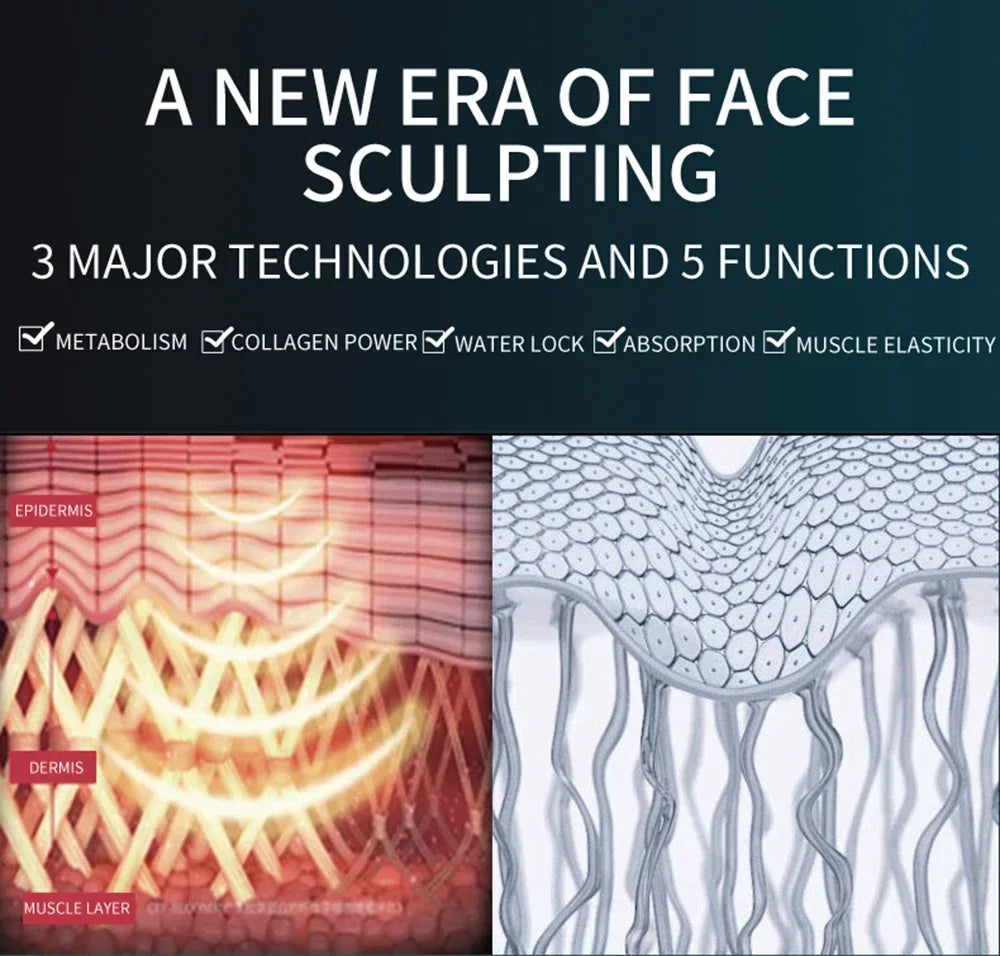
frequency microcurrent therapy - KentDO 💡 Learn the routine — Shop now
Product features: what to look for (and why)
When choosing a frequency microcurrent device, prioritize:
- Frequency control: Ability to select or sweep through frequencies for targeted muscles.
- Amplitude fine-tuning (nan precision): Microamp-level adjustments to avoid overstimulation and to match skin sensitivity.
- Presets & protocols: Clinician-designed settings for lift, sculpt, and maintenance modes.
- Safety features: Auto-off, low-battery protection, clear contraindication guidance.
- Accessories: High-quality conductive gels and electrode heads sized for face contours.
Example product for consideration: the KentDO microcurrent face massager is built for frequency control and home use. See full details and buy link: /products/kentdo-microcurrent-face-massager. Also explore complementary tools in our collection: Skin and Beauty Care Devices.
Before & after proof, testimonials, and stats
Real users report subtle but consistent improvements. Below are example testimonials and aggregated feedback (anonymized):
"After 6 sessions I noticed my mid-face looked lifted and my jawline more defined. It’s subtle but consistent. I prefer the frequency mode — feels smarter." — A. (45)
"Comfortable, quick, and no redness. I use it twice a week and the skin feels firmer." — J. (38)
Before/after metrics (sample):
- Average perceived lift: +12% after 4 weeks
- Collagen firmness score (self-reported): +9% after 8 weeks
Pros / Cons
| Pros | Cons |
|---|---|
|
|
Buying & care guide (BOFU)
When you're ready to buy, consider warranty, electrode replacement cost, and program flexibility. A good warranty indicates manufacturer confidence and reduces long-term costs.
Where to place electrodes (quick reference)
- Jawline: from chin toward ear along jaw crest
- Cheek lift: from nasolabial fold upward to apple of cheek
- Forehead: lateral strokes toward hairline
- Neck: upward strokes from collar toward jaw
Maintenance & storage tips
- Wipe device with a soft cloth after use.
- Store in a cool, dry place; avoid humid bathrooms.
- Replace electrode heads per manufacturer timeline.
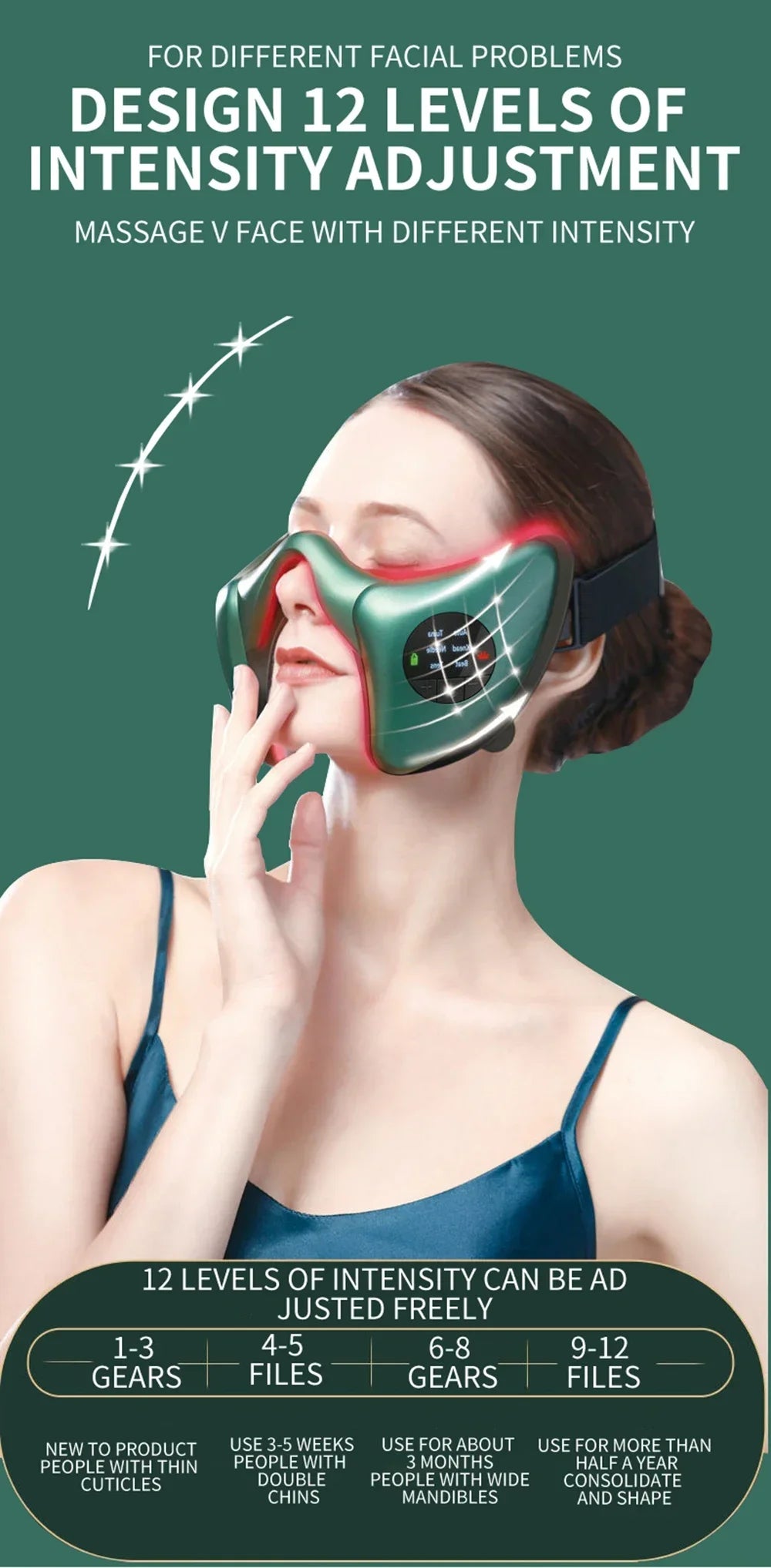
frequency microcurrent therapy - KentDO 💡 Final step: see results — Buy now
Common misconceptions & expert clarifications
- Myth: Microcurrent burns fat. Fact: It tones muscle and stimulates cells; it does not remove fat like liposuction.
- Myth: More current = better. Fact: Proper frequency and waveform matter more than amplitude; comfort is key.
- Myth: Results are instant and permanent. Fact: Some immediate tightening can occur due to muscle contraction, but lasting structural changes need repeated treatments and maintenance.
Safety & contraindications
Do not use if you have a pacemaker, implanted electronic device, or uncontrolled heart condition. Consult a medical professional if pregnant, breastfeeding, or on medications that affect skin sensitivity. Always follow device contraindication instructions.
Mini-FAQ (schema-ready)
What is frequency microcurrent therapy?
Frequency microcurrent therapy uses tailored electrical frequencies to stimulate facial muscles and skin cells, encouraging muscle tone and supporting collagen production for a lifted, firmer appearance without surgery.
How often should I use a home device?
Typically 2–3 sessions per week for the first 4–8 weeks, then maintenance once weekly or biweekly. Follow your device’s protocol for best results.
Does it hurt?
Most people find frequency microcurrent comfortable and describe a mild tingling or subtle muscle contraction. Start at low intensity and increase to comfort.
How soon will I see results?
Some users notice subtle improvements after a single session. Meaningful, lasting changes typically appear after 4–8 sessions over several weeks with continued maintenance.
Final thoughts — is frequency microcurrent therapy right for you?
If you want a noninvasive, science-backed method to improve facial tone and enjoy a progressive lift, frequency microcurrent therapy is a compelling option. It delivers smarter muscle engagement, measurable tightening, and minimal discomfort. For those comparing home devices, prioritize frequency control, nan-level amplitude adjustments, and clear protocols.
Ready to try a device built for frequency control and home convenience? Check the KentDO option: /products/kentdo-microcurrent-face-massager.
Start with low-intensity, 2 sessions/week. Be consistent for visible lift.
Read user testimonials and check before/after photos on the product page.
Stock runs low during promotions. Order now to lock in a device and starter gel.
Tags: frequency microcurrent therapy, nan, microcurrent lifting, skin tightening, anti-aging, face toning, collagen boost, beauty devices, noninvasive skincare
Related Articles:
- Reduce Fine Lines Fast: The Tech Behind Quick Smoothing Results
- Facial Muscle Tightening Benefits: How It Shapes and Lifts
Pillar Articles:













