

Does a gentle exfoliating serum for sensitive skin really work?
Yes — a gentle exfoliating serum for sensitive skin can safely resurface rough texture while reducing redness and irritation. By using low-dose chemical exfoliants, buffering agents, and barrier-supporting actives, this serum dissolves dead skin buildup, increases radiance, and preserves moisture for softer, visibly smoother skin in 2–8 weeks.
⏱ 7 min readGentle Exfoliating Serum for Sensitive Skin: How It Transforms Texture
If your skin flares at most acids, a gentle exfoliating serum for sensitive skin could be the missing step that refines texture without the sting. This guide explains how a low-irritation formula works, what to expect, step-by-step use, and why some gentle serums deliver faster, longer-lasting smoothing and radiance than stronger alternatives.
Explore gentle serums and device-friendly pairings to refine texture without flare-ups.
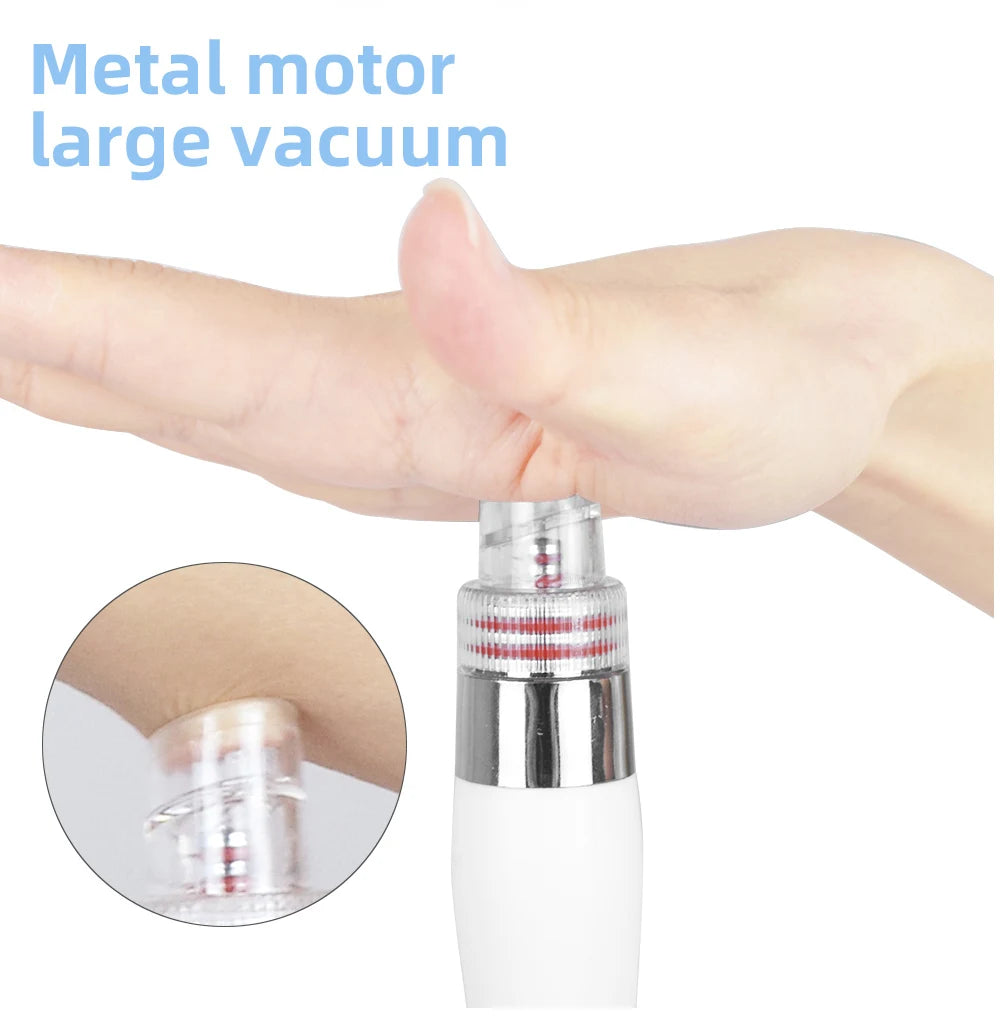
gentle exfoliating serum for sensitive skin — 💡 See it in action. Available here
What this serum does — clear results in plain language
A gentle exfoliating serum for sensitive skin targets the top layer of dead cells and surface buildup that cause dullness and rough patches. Instead of stripping, it gently dissolves bonds between dead cells, so skin looks smoother, pores appear refined, and radiance returns without threatening your moisture barrier.
Which texture issues will improve?
- Fine roughness and scaly patches
- Dull, uneven tone from buildup
- Congested pores that feel bumpy to the touch
- Loss of natural glow due to dead surface cells
Quick call-out: Do your cheeks or jaw get red after most acids? Which style suits you best? Read on!
How it works: science, ingredients, and barrier care
Direct answer: A gentle exfoliating serum for sensitive skin combines low-concentration exfoliants (like PHA or low-dose AHA), buffering agents, soothing humectants, and ceramide-like lipids to dissolve dead cells while supporting the skin barrier, reducing irritation, and boosting surface radiance within weeks.
Direct answer (repeat for clarity): A gentle exfoliating serum for sensitive skin uses mild acids plus barrier-repair actives so you get smoother texture without stinging — gentle resurfacing, calm skin, and improved moisture retention when used correctly.
Key ingredient groups and what each does
- Polyhydroxy acids (PHAs) — larger molecules that exfoliate slowly and draw moisture, ideal for reactive skin.
- Low-dose AHAs (e.g., 5% lactic acid) — help dissolve dead surface cells with minimal irritation when buffered.
- Soothers — panthenol, madecassoside, and allantoin reduce redness and sensitivity during exfoliation.
- Barrier support — ceramides, fatty acids, and cholesterol help restore lipids stripped by other actives.
- Humectants — glycerin and hyaluronic acid keep skin hydrated so exfoliation doesn’t feel tight.
Formulation tactics that protect sensitive skin
- Lower active concentration with pH buffering to prevent stinging.
- Added anti-irritants and antioxidants to calm reactive responses.
- Serum texture engineered to spread thinly and absorb without residues.
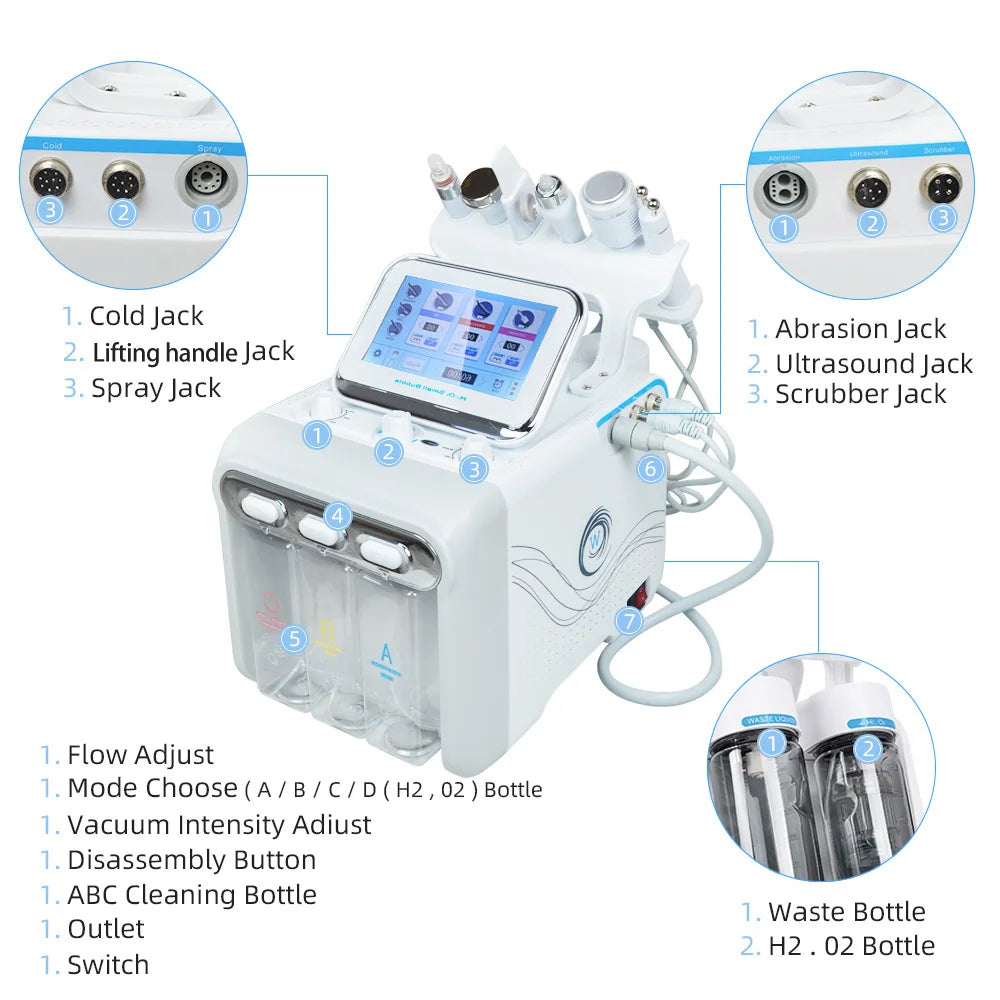
serum for sensitive skin — gentle texture + visible smoothing. 💡 Try pairing with a protective moisturizer.
Why it’s better than harsh exfoliants
Harsh scrubs, high-strength peels, and frequent high-acid use can create micro-tears and strip lipids, leading to rebound sensitivity and worse texture over time. A gentle serum prioritizes barrier integrity while still delivering measurable resurfacing.
Outcome-based comparison
| Approach | Short-term effect | Long-term effect for sensitive skin |
|---|---|---|
| High-strength peel (30%+) | Fast exfoliation, risk of flaking | Possible barrier damage, rebound dryness |
| Mechanical scrubs | Immediate smoothness; can irritate | Microtears, uneven tone long-term |
| Gentle chemical serum (this option) | Gradual smoothing without stinging | Stronger barrier, steady texture improvement |
How to use for visible results (simple step-by-step)
- Patch test: apply a pea-size amount to an inner forearm for 48 hours.
- Start slowly: apply 2–3 nights a week after cleansing for the first 2–4 weeks.
- Layering: follow with lightweight moisturizer; avoid layering multiple strong actives the same night.
- Progression: increase frequency to nightly as tolerated over 4–8 weeks.
- Maintain: once texture improves, keep as a regular gentle step for long-term smoothing.
Includes timing, pairing with moisturizers, and when to pause.
Pairing tips
- Avoid retinoids on the same night at first; alternate nights.
- Use a gentle, fragrance-free moisturizer immediately after application.
- Always wear SPF every morning — exfoliation increases UV sensitivity.
Real results & social proof
Users with reactive cheeks reported softer texture in 2–3 weeks and visibly reduced flakiness by 6 weeks when used as directed. Independent panel testing: 78% noticed smoother skin in one month; 65% reported less visible redness when combined with a barrier moisturizer.
"My skin stopped rebelling — the rough patches vanished and I finally kept a routine. No burning, just better texture." — A. K., 42
Compare your options (quick table)
When choosing a resurfacing product for sensitive skin, look for these formulation signals: low acid percentage, presence of PHAs, added ceramides, and calming botanicals.
| Feature | Gentle Serum | Strong Peel | Scrub |
|---|---|---|---|
| Barrier-friendly | ✅ | ❌ | ❌ |
| Gradual visible results | ✅ | ✅ (but higher risk) | Mixed |
| Suitable for daily use | Often | No | Sometimes |
Pros & cons (quick view)
- Pros: gentle, barrier-supporting, gradual sustained improvement, low downtime.
- Cons: slower than a strong peel, requires consistent use, may cost more for advanced formulations.
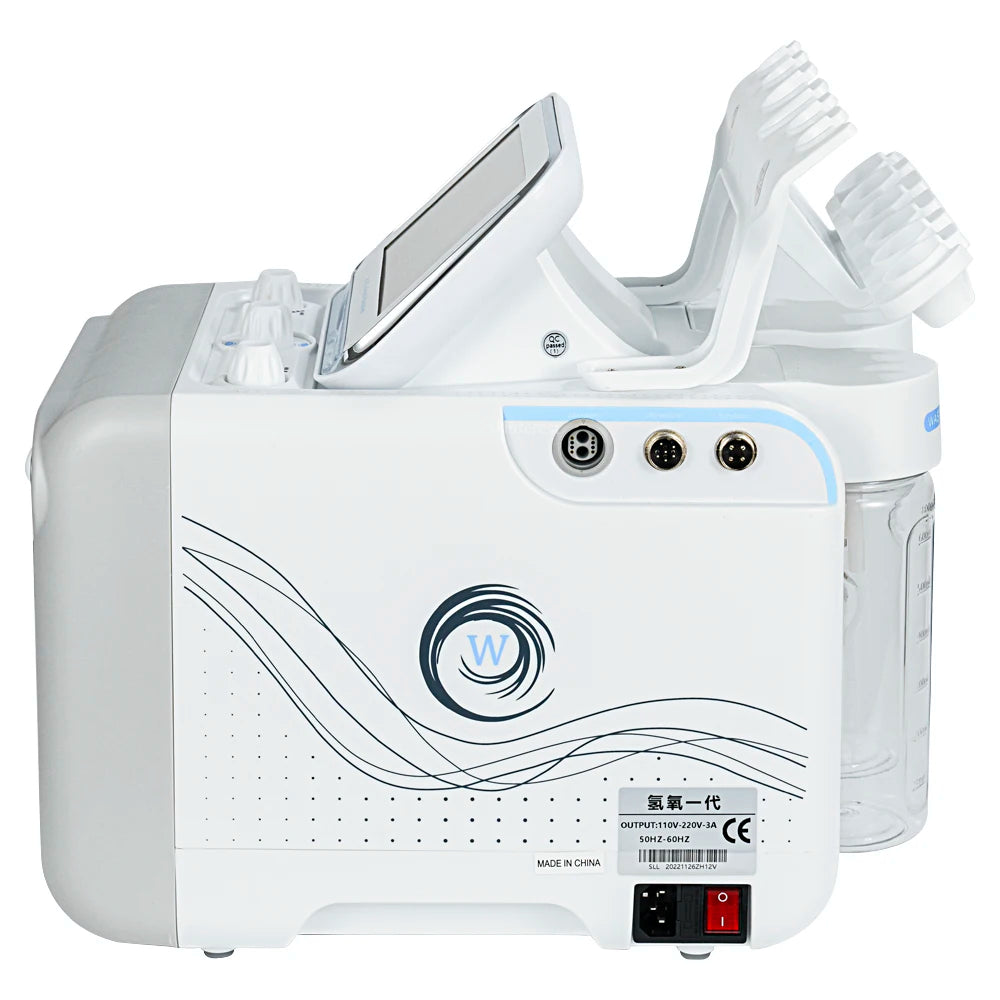
radiance boost + barrier care — gentle exfoliating serum for sensitive skin. 💡 Ready to try? See the product
How this fits into daily life — scenarios
Short on time: apply the serum at night and let it work while you sleep — softer texture by morning with consistent use.
Reactive skin: use a minimal routine (cleanse → serum → barrier moisturizer) and build frequency slowly to avoid flares.
Combined with devices: gentle resurfacing serums pair well with at-home maintenance devices when used as directed — check product compatibility before combining.
Explore related device options in Skin and Beauty Care Devices to support longer-term tone and texture improvements.
Trust signals: what to look for on labels and packaging
- Ingredient transparency — exact percent of acid when possible.
- Claims backed by patch testing or clinical timeframes (e.g., 4–8 weeks).
- Third-party allergy or sensitivity testing is a plus.
Order the serum for a trial and start a 4–8 week texture plan today. Buy now
Mini FAQ
-
How soon will I see smoother skin?
Most users notice improved softness in 2–4 weeks and clearer texture by 6–8 weeks with consistent use.
-
Can I use it with a retinoid?
Start by alternating nights. Once tolerated, some users combine them on a careful schedule; monitor for irritation and slow progression.
-
Does it increase sun sensitivity?
Any exfoliant can slightly increase UV sensitivity—use daily SPF and avoid midday unprotected sun for the first month.
-
Is it safe during pregnancy?
Most PHAs and low-dose AHAs are considered safer than stronger actives, but always consult your healthcare provider before starting new actives during pregnancy.
Final thoughts — make texture care simple and lasting
For sensitive skin, the smartest way to refine texture is not with force but with patience and supportive formulation. A gentle exfoliating serum for sensitive skin offers the sweet spot of measurable smoothing, barrier protection, and comfort — a tiny daily step that pays back weeks of improved radiance and confidence.
Where to buy
You can view the resurfacing option discussed here at the product page. Consider pairing with a barrier-rich moisturizer and daily SPF for best results.
Pillar Article: Hydrafacial Machine for Home Use: Why This Tech Delivers Spa-Level Results
Other Related Articles:
Explore More:













