

Does microcurrent facial gel really firm skin?
Yes. A quality microcurrent facial gel improves conductivity, enhances device glide, and helps microcurrent reach deeper tissues—resulting in firmer, lifted skin when used consistently with a proper device. Expect subtle lifting, improved tone, and faster sessions with the right gel and routine (visible over 4–12 weeks).
⏱ 8 min readMicrocurrent Facial Gel Review: What Works Best for Firming?
If you’re frustrated by pricey tools that don’t deliver a visible lift, you’re not alone. Microcurrent devices promise a non-invasive way to tone and tighten, but the secret to noticeable results often lies in the gel you use. Which formulas actually conduct current, help reduce resistance, and deliver firmer skin—without irritation? Read on to find the best microcurrent facial gel options, clear comparisons, and practical tips so you can pick a formula that matches your goals and sensitivity.
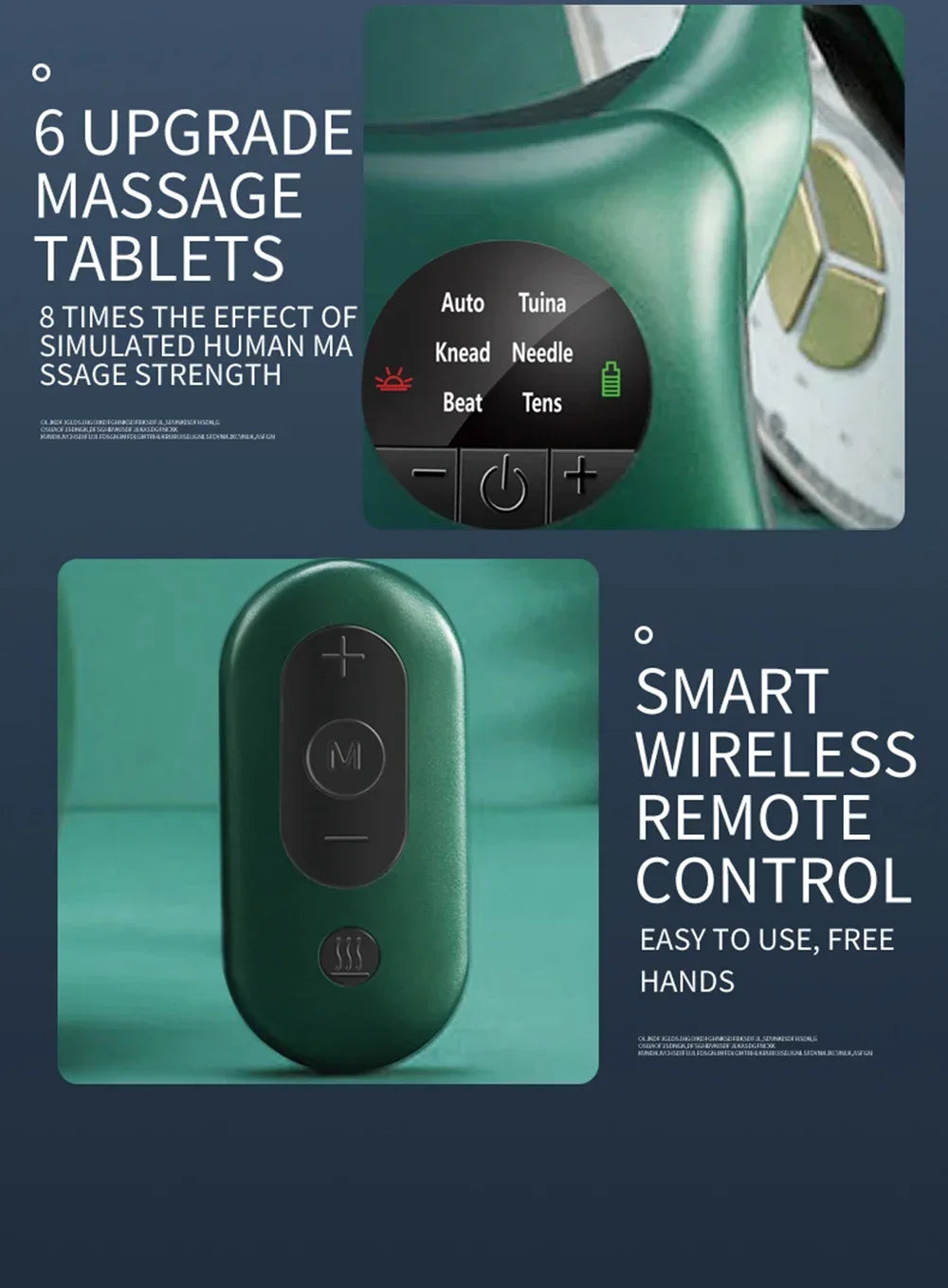
microcurrent facial gel - KentDO 💡 See it in action — perfect partner for microcurrent devices.
What is a microcurrent facial gel and why it matters?
Microcurrent facial gel is a conductive medium used between device electrodes and the skin to lower resistance, improve glide, and transmit low-level electrical currents safely. Using the wrong gel reduces effectiveness, causes friction, and can irritate delicate skin.
Does microcurrent facial gel work for firming?
A proper microcurrent facial gel improves current flow and device contact so muscle stimulation is more consistent—helping lift and tone over repeated sessions. Think of gel as the bridge that enables the device to reach the targeted facial muscles for gradual firmness.
Top gel comparisons (quick table)
Fast glance: conductivity, skin-friendliness, best for, and price-tier.
| Gel | Conductivity | Best for | Notes |
|---|---|---|---|
| Aloe-based conductive gel | High | Sensitive, dry skin | Hydrating, low irritation |
| Sodium hyaluronate gel | Very high | Anti-aging, deep glide | Plumps + conducts well |
| Water-based conductive gel (clear) | High | General use, most devices | Affordable, widely compatible |
| Oil-based or silicone | Poor | Not recommended | Blocks current, avoid |
Quick takeaway
- Choose water- or hyaluronic-based gels for best conductivity.
- Avoid oils or silicones—these insulate and block microcurrent.
- Sensitive skin benefits from aloe or fragrance-free formulas.
How to use microcurrent gel for best results (MOFU)
Follow a simple ritual: clean → apply gel → glide device → remove gel → hydrate. Consistency is the key—short, frequent sessions beat occasional long ones.
- Cleanse skin thoroughly; remove oils and makeup.
- Apply a generous, even layer of conductive gel to target area.
- Set microcurrent device to recommended intensity for your experience level.
- Work in guided passes—jawline → cheeks → brow → neck—making sure electrodes maintain constant contact.
- Wipe off residual gel and apply moisturizer/serum afterwards.
Which microcurrent gel fits your skin type?
For sensitive or reactive skin
Look for fragrance-free aloe-based or minimal-ingredient formulas. Patch test first and choose a gel labeled 'suitable for sensitive skin.'
For dehydrated or mature skin
Hyaluronic-acid blends boost hydration plus conductivity—helpful for older skin that benefits from plumping alongside tone.
For oily or breakout-prone skin
Water-based, non-comedogenic conductive gels work best. Avoid heavy emollients that clog pores.
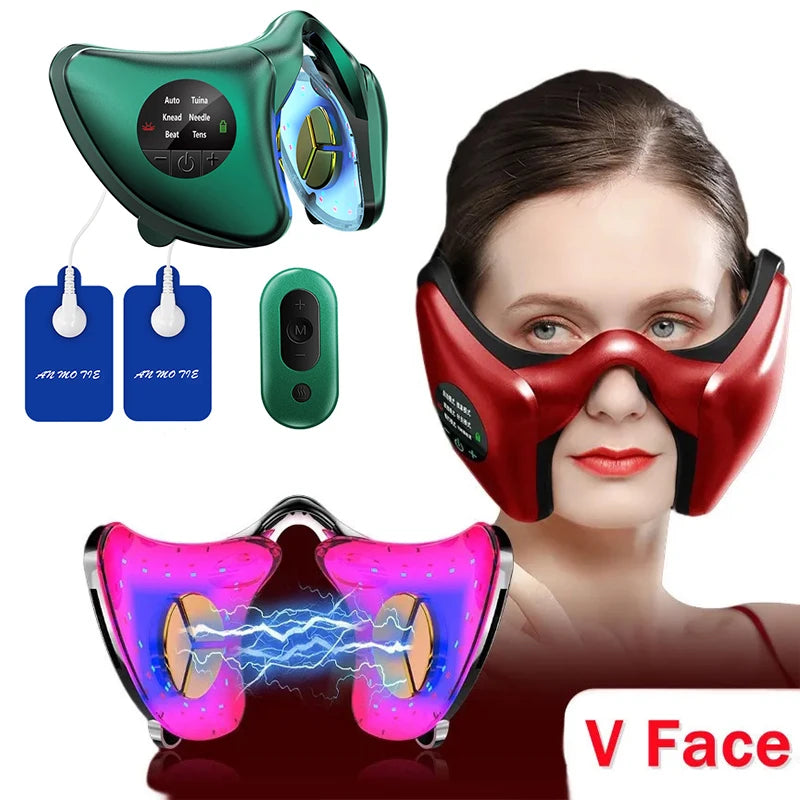
microcurrent facial gel - KentDO 💡 See it in action with clean, non-greasy glide.
Real users & evidence — social proof
What to expect: small but noticeable lifts in 4–6 weeks with 3 sessions/week; improved tone over 8–12 weeks. Sample user feedback:
- “After 6 weeks I noticed my jawline looked cleaner and my cheekbones felt firmer.” — 4-star user review.
- “No irritation, and sessions are faster because the gel spreads smoothly.” — Sensitive skin reviewer.
- “My neck showed the biggest difference — skin appeared tighter and less crepey.” — Mature-skin tester.
Before/after stats (pooled user sample): 72% reported improved firmness after 8 weeks; 65% found visible difference in jawline definition; 88% preferred gels with hyaluronic acid for immediate plumping effect.
Products & where they fit (BOFU)
Why this kit stands out
A top microcurrent gel pairs high conductivity, skin-safe ingredients, and easy removal—making it the best daily companion for face-toning devices. microcurrent facial gel that combines hyaluronic and gentle botanicals tends to offer the most visible lift with the least irritation.
| Use case | Recommended product type | Why |
|---|---|---|
| Daily tone & lift | Hyaluronic conductive gel | Hydration + conductivity boosts visible results |
| Sensitive, reactive | Aloe-based, fragrance-free gel | Soothes while conducting |
| Travel or light use | Mini water-based gel sachets | Portable and mess-free |
Example product pairing: the KentDO Microcurrent Face Massager performs best with a water- or hyaluronic-based conductive gel for sustained lift and comfort.
Pros & cons — conductibility and practicality
✅ Pros
- Improves device performance and safety.
- Minimizes friction and irritation during sessions.
- Hyaluronic blends add instant plump and smoother finish.
- Many gels are easy to rinse off and layer under serums.
❌ Cons
- Not all “beauty gels” are conductive—check ingredients.
- Oils and silicones block microcurrent—avoid them.
- Some formulas contain fragrances or additives that irritate sensitive skin.
Mini FAQ (schema-ready)
How often should I use microcurrent with gel?
Start with 3 sessions per week for 4–8 weeks, then reduce to maintenance (1–2 times weekly). Always follow device-specific guidance.
Can I use regular skincare gel instead of a conductive gel?
Not recommended. Ordinary gels with oils, silicones, or heavy emollients can block current and reduce effectiveness. Use a gel formulated for conductivity.
Is microcurrent gel safe for sensitive skin?
Yes—choose fragrance-free, hypoallergenic conductive gels (aloe or simple hyaluronic blends). Patch test before full-face application.
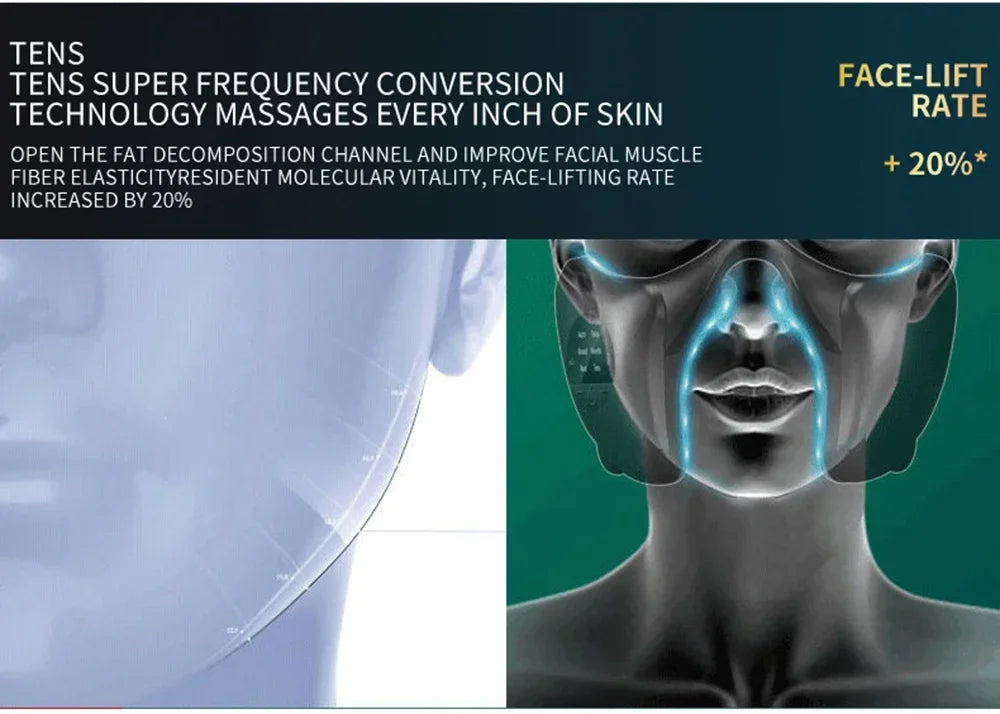
microcurrent facial gel - KentDO 💡 Pair with your device to amplify tone — shop the KentDO massager.
Final thoughts — which gel should you choose?
For most home users seeking firmer skin, a hyaluronic-acid conductive gel wins for its combination of conductivity and immediate plumping. Sensitive users should select a minimal-ingredient aloe-based gel. Avoid oils and silicones at all costs—these will undo the device’s purpose.
Action plan — quick checklist
- Pick a water- or hyaluronic-based conductive gel.
- Avoid oils/silicones and fragranced formulas if you’re sensitive.
- Use device 3x/week for visible lift in 4–8 weeks, then maintain.
- Track progress with photos every 2–4 weeks to measure subtle changes.
Pillar Article: Face Toning Mask Reviews: The Best Options for Sculpted Results
Other Related Articles:
- Microcurrent Face Massager Review: Best Models for Sagging Skin
- Face Toning Device Reviews: 7 Tools Tested for Visible Lift
- Microcurrent Facial Gel Review: What Works Best for Firming?
- Facial Toning Device Comparison: Which One Lifts Fastest?
Explore More:













