
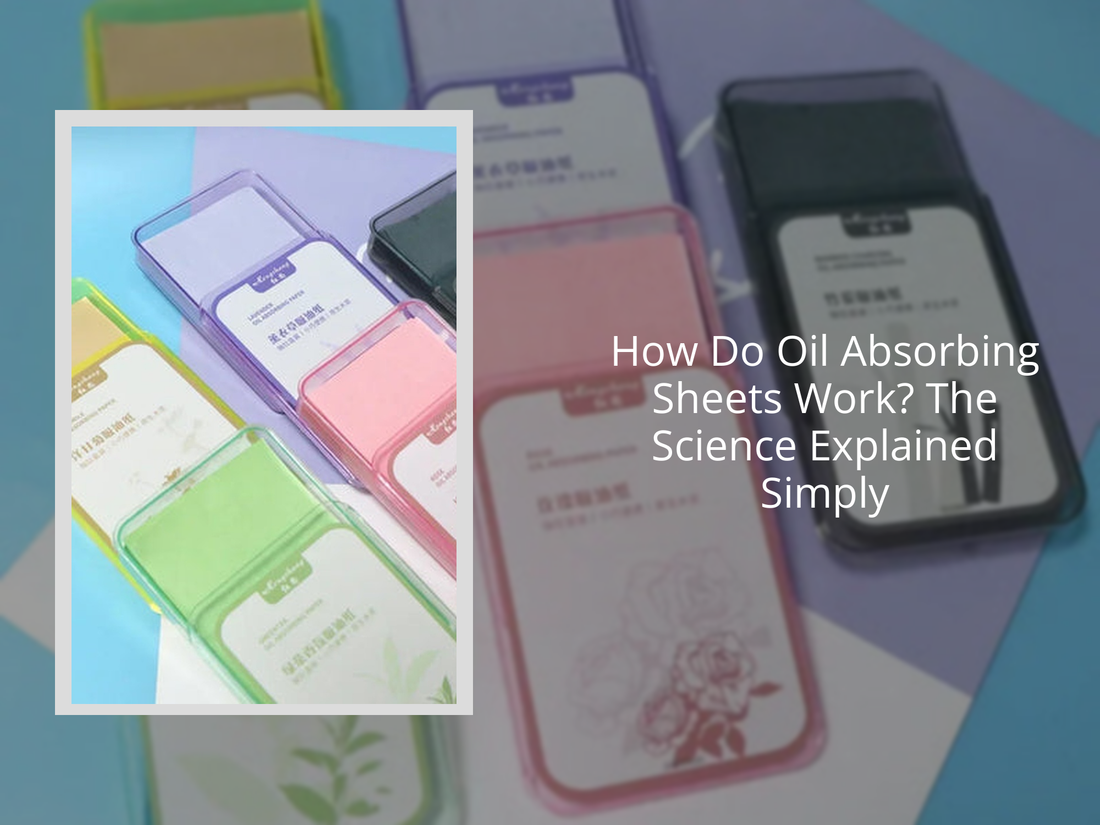
How Do Oil Absorbing Sheets Work? The Science Explained Simply
Curious about how do oil absorbing sheets work to keep your face fresh and shine-free? These facial oil sheets —also called oil absorbing paper for face or oily skin blotting papers —are more than a quick beauty trick. They rely on simple material science that removes excess surface oil while leaving makeup and your skin barrier largely intact. In this guide, you'll learn the science behind blotting papers, how they absorb sebum, what they're made of, and what they realistically can—and can't—do for oily skin.
⏱ 7 min read

Discover how facial oil sheets refresh skin instantly without ruining makeup.
Quick Answer: How Do Oil Absorbing Sheets Work?
The 10-Second Explanation
Oil absorbing sheets work by using highly porous paper fibers that pull excess sebum (skin oil) away from your face through capillary action. When gently pressed onto oily areas, the fibers draw oil into the sheet while leaving makeup and your natural moisture barrier largely undisturbed.
What Happens When You Press a Sheet on Skin
As soon as the sheet touches your skin, microscopic spaces between the fibers begin attracting surface oil. The oil spreads throughout the paper's internal structure, which is why used blotting papers often become translucent. The process removes shine within seconds without adding powder or stripping your skin.
The Science Behind Oil Absorption (What's Really Happening)
Capillary Action Explained in Simple Terms
Capillary action is the same phenomenon that allows a paper towel to soak up spilled water. In blotting papers, countless microscopic channels naturally pull oil away from the skin without requiring rubbing or excessive pressure.
Porous Fiber Structure and Oil Absorption
Oil blotting papers contain tightly interwoven fibers separated by microscopic pores. These pores increase the available surface area, allowing oil molecules to adhere to the fibers while additional oil follows through molecular cohesion. The result is fast, efficient oil absorption across the sheet.
What Happens at the Microscopic Level
At the microscopic level, sebum migrates from your skin into the paper because the porous fibers create stronger attractive forces than the smooth skin surface. Instead of pooling in one location, the oil spreads evenly throughout the paper, maximizing absorption capacity.
Why Blotting Paper Turns Translucent
Dry paper appears white because tiny air pockets scatter light. Once those air pockets fill with oil, light travels through the sheet more easily, making it appear darker or translucent. This visible change is an easy indicator that the paper has successfully absorbed surface oil.
Why Does Your Skin Become Oily and Shiny?
Sebum Production and Skin Function
Sebum is your skin's natural protective oil. Produced by sebaceous glands, it helps reduce moisture loss, lubricates the skin, and supports the skin barrier. Genetics, hormones, humidity, stress, and skincare products can all increase sebum production. Learn more about what causes oily skin and excess sebum production .
Why Oil Looks Shiny on Skin
Fresh sebum creates a smooth surface that reflects more light, making your forehead, nose, and chin appear glossy. Oil blotting papers remove only the excess surface oil responsible for that shine while leaving beneficial moisture behind.
What Are Oil Absorbing Sheets Made Of?
Natural Fibers (Rice Paper, Hemp, Cotton Linters)
Many traditional blotting papers use lightweight plant-based fibers. Rice paper remains especially popular because it combines softness, flexibility, and excellent oil absorption without disrupting makeup.
Wood Pulp and Synthetic Blends
Modern manufacturers often combine refined wood pulp with synthetic fibers to improve durability while maintaining excellent oil absorption. These blends resist tearing and remain thin enough for discreet everyday use.
Bamboo and Charcoal-Infused Sheets
Bamboo fibers provide a naturally porous, renewable material, while charcoal-infused sheets are commonly marketed toward oily and acne-prone skin. Although charcoal may enhance marketing appeal, the fiber structure remains the primary reason these sheets absorb oil effectively.
Which Materials Absorb Oil Best?
Generally, finer and more porous fiber networks perform best. Rice paper and bamboo-based sheets are excellent for lightweight everyday blotting, while thicker wood pulp sheets often hold larger amounts of oil before becoming saturated.
For additional skincare ingredient information, see our skincare ingredient guide .

See how oil absorbing paper for face controls shine in seconds.
Do Oil Absorbing Sheets Actually Work? (Evidence + Expectations)
What Blotting Papers Do Well
Yes. Oil absorbing sheets effectively remove excess surface oil, instantly reducing shine while helping makeup appear fresher. Because they lift oil instead of covering it, they offer a clean, lightweight alternative to repeated powder application.
- Instantly reduce visible shine
- Refresh makeup throughout the day
- Improve skin's matte appearance
- Portable and convenient for travel
What They Do NOT Do (Myth-Busting)
- They do not shrink pores.
- They do not permanently reduce oil production.
- They do not cure acne.
- They do not deep-clean pores.
Do They Reduce Oil Production Over Time?
No. Blotting papers remove only existing surface oil. Your sebaceous glands continue producing oil at their normal rate regardless of how frequently you blot.
Blotting Papers vs Other Oil-Control Methods
Blotting Papers vs Mattifying Powder
Blotting papers physically remove oil, while mattifying powders absorb oil by adding another cosmetic layer. Frequent powder touch-ups may create buildup or a cakey appearance over time.
If you regularly wear makeup, you may also enjoy our guide on keeping makeup fresh throughout the day .
Blotting Papers vs Tissues or Napkins
Although tissues absorb some oil, they aren't designed specifically for skincare. Their larger fibers can smear makeup and often absorb less oil than dedicated blotting papers.
Blotting Papers vs Washing Your Face Midday
Washing your face removes both excess oil and beneficial lipids, sometimes leaving skin feeling tight. Blotting papers selectively remove only surface oil, making them more practical for midday touch-ups.
| Method | Advantages | Limitations |
|---|---|---|
| Facial Oil Sheets | Portable, fast, makeup-friendly | Temporary oil control |
| Mattifying Powder | Controls shine and sets makeup | Can build up after repeated applications |
| Face Wash | Deeply cleanses skin | Not convenient during the day |
How to Use Oil Absorbing Sheets Properly (Without Ruining Makeup)
Step-by-Step Instructions
- Remove one clean sheet from the pack.
- Press it gently onto your forehead, nose, chin, or other shiny areas.
- Hold it in place for 2–3 seconds.
- Lift straight away instead of rubbing.
- Use another clean section or fresh sheet if necessary.
Common Mistakes to Avoid
- Rubbing instead of pressing.
- Reusing the same sheet.
- Blotting dry areas unnecessarily.
- Applying excessive pressure that can disturb makeup.
Tip: Keep a pack in your purse, backpack, or office drawer for quick touch-ups before meetings, photos, or outdoor activities.
How Often Should You Use Blotting Papers?
Most people with oily or combination skin use blotting papers one to three times per day, depending on how quickly shine develops. Use them whenever your face looks greasy, always pressing gently rather than rubbing.
Are Oil Blotting Sheets Good for Your Skin Type?
Oily Skin
They're ideal for oily skin because they remove excess surface oil without clogging pores or adding additional products.
Combination Skin
Focus on the T-zone while avoiding naturally dry areas to maintain a balanced complexion.
Acne-Prone Skin
Removing excess oil may help reduce conditions that contribute to clogged pores, but blotting papers should complement—not replace—a consistent skincare routine. Read more in our acne and oily skin guide .
Dry or Sensitive Skin
People with dry or sensitive skin should blot only when necessary, since removing too much natural oil may contribute to dryness.

Get your own oily skin blotting papers today for instant sebum control.
FAQ: Oil Absorbing Sheets Explained
Do oil absorbing sheets cause acne?
No. They do not cause acne. However, reusing dirty sheets may transfer bacteria back onto the skin, so always use a fresh sheet.
Can I use blotting papers every day?
Yes. They're safe for daily use and can be used multiple times throughout the day whenever excess shine appears.
Will blotting sheets remove sunscreen or makeup?
When you gently press instead of rubbing, blotting papers remove surface oil while leaving most sunscreen and makeup in place.
Are oil absorbing sheets reusable?
No. They are intended for single use to maintain hygiene and maximum absorption.
Do blotting papers spread bacteria?
Only if they're reused. Discard each sheet immediately after use.
Can they replace powder?
They reduce shine effectively but don't provide the coverage or setting effect that powders offer. Many people use blotting papers before applying a light powder touch-up.
Pillar Article: Face Blotting Papers: How to Use Them the Right Way Every Day
Other Related Articles:
- Facial Blotting Papers: 5 Pro Tips for Flawless Makeup All Day
- Oil Paper Face Hacks: How to Instantly Remove Shine Without Washing
- Does Oily Skin Cause Breakouts? Dermatologist-Approved Guide
Explore More:













