

Does steaming your face really help clear pores?
Answer: Yes—when done correctly, how to steam your face helps loosen oil and impurities, temporarily opens pores for deeper cleansing and better product absorption, and boosts circulation for a dewy glow. Use beginner-friendly devices and short sessions (5–10 minutes) to avoid irritation and maximize benefits.
⏱ 7 min readHow to Steam Your Face: Best Devices Compared for Beginners
Learning how to steam your face the right way can transform dull, stressed skin into a fresh, dewy glow. This guide walks beginners through safe steaming, compares user-friendly devices, explains what "nan" features can mean for results, and helps you pick the steamer that fits your routine—without the guesswork.
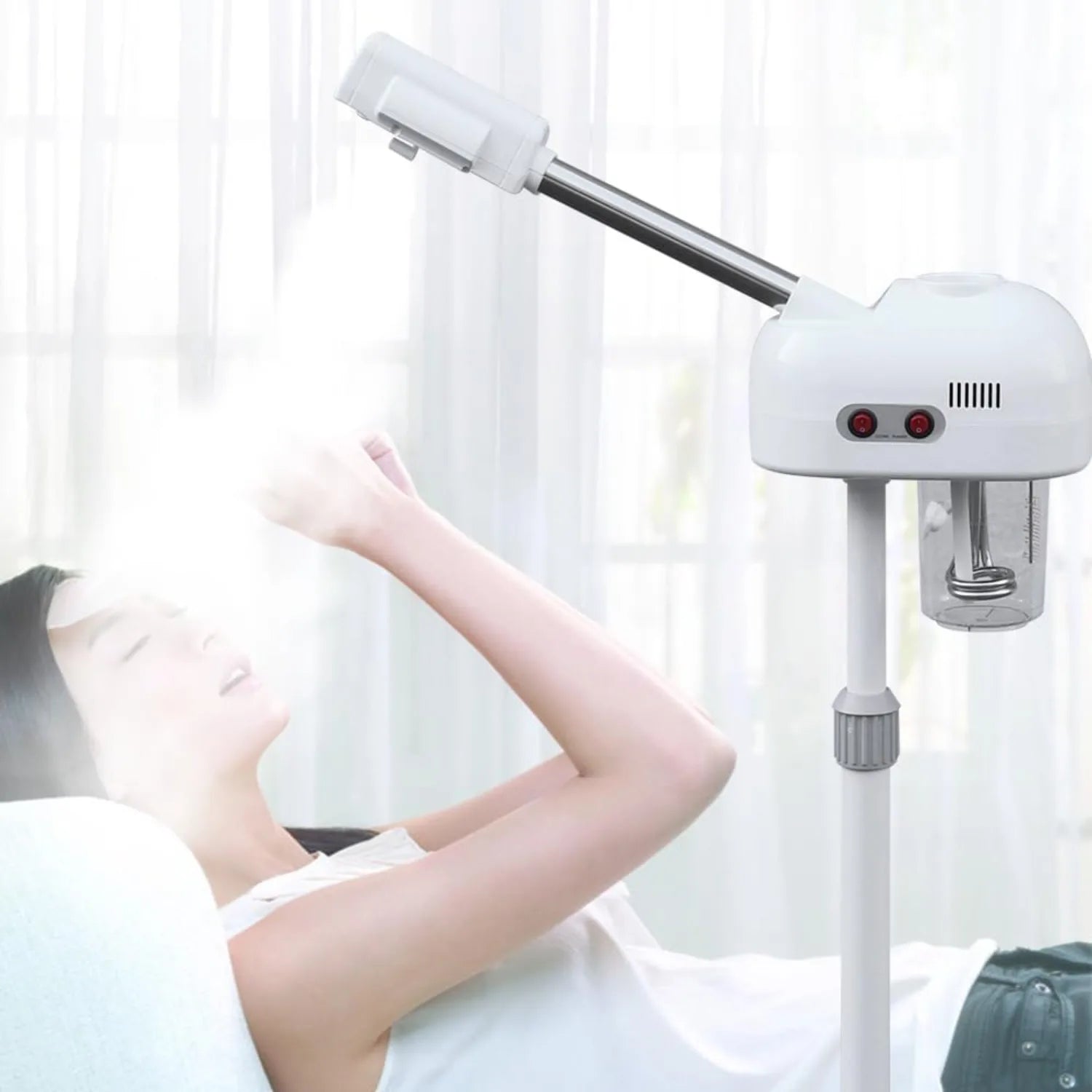
how to steam your face - KentDO 💡 See it in action — perfect for beginners.
How to steam your face — quick answer
Steaming your face opens pores slightly and softens surface debris so cleansing and serums work better. For beginners, run a short 5–10 minute session with a facial steamer or hot towel, keep the nozzle 8–12 inches from your face, and finish with a gentle cleanser and moisturizer.
Why steam helps: what it solves
Struggling with clogged pores, dull skin or products that don’t seem to penetrate? Steam helps by: increasing skin temperature, loosening sebum and dead skin cells, improving blood flow, and making the skin more receptive to actives.
- Boosts absorption of hydrating serums and masks.
- Softens blackheads and makes extractions safer when done after steaming.
- Feels like a mini spa—reduces stress and promotes relaxation.
- Quick sessions support a consistent routine for beginners.
Which style suits you best? Read on!
Best devices compared (side-by-side)
Below is a clean comparison of the most beginner-friendly devices—table format helps you scan specs and pick the right fit.
| Device Type | Best for | Session Length | Key benefit | Price range | Buy |
|---|---|---|---|---|---|
| Warm Steam Facial Steamer (tabletop) | Beginner / sensitive skin | 5–10 min | Even steam, easy distance control | $30–$80 | See model |
| Handheld Nano-Mist Steamer (nan mist) | Travelers / quick refresh | 3–6 min | Portable, lighter heat, "nan" mist for quick hydration | $25–$60 | See model |
| Hot Towel + Bowl (DIY) | Budget-conscious | 3–8 min | No device needed, gentle | $0–$10 | — |
| Professional Ozone Steamer | Advanced pore care / salons | 5–15 min | Deep-clean through ozone-assisted steam | $100+ | See model |
At-a-glance verdict
- Tabletop steamer: Best for consistent at-home spa sessions and beginners who want simplicity.
- Handheld "nan" mist: Great for on-the-go hydration and sensitive skin; less heat but measurable hydration.
- Ozone models: For targeted salon-level care—best if you already know how your skin reacts to steam.
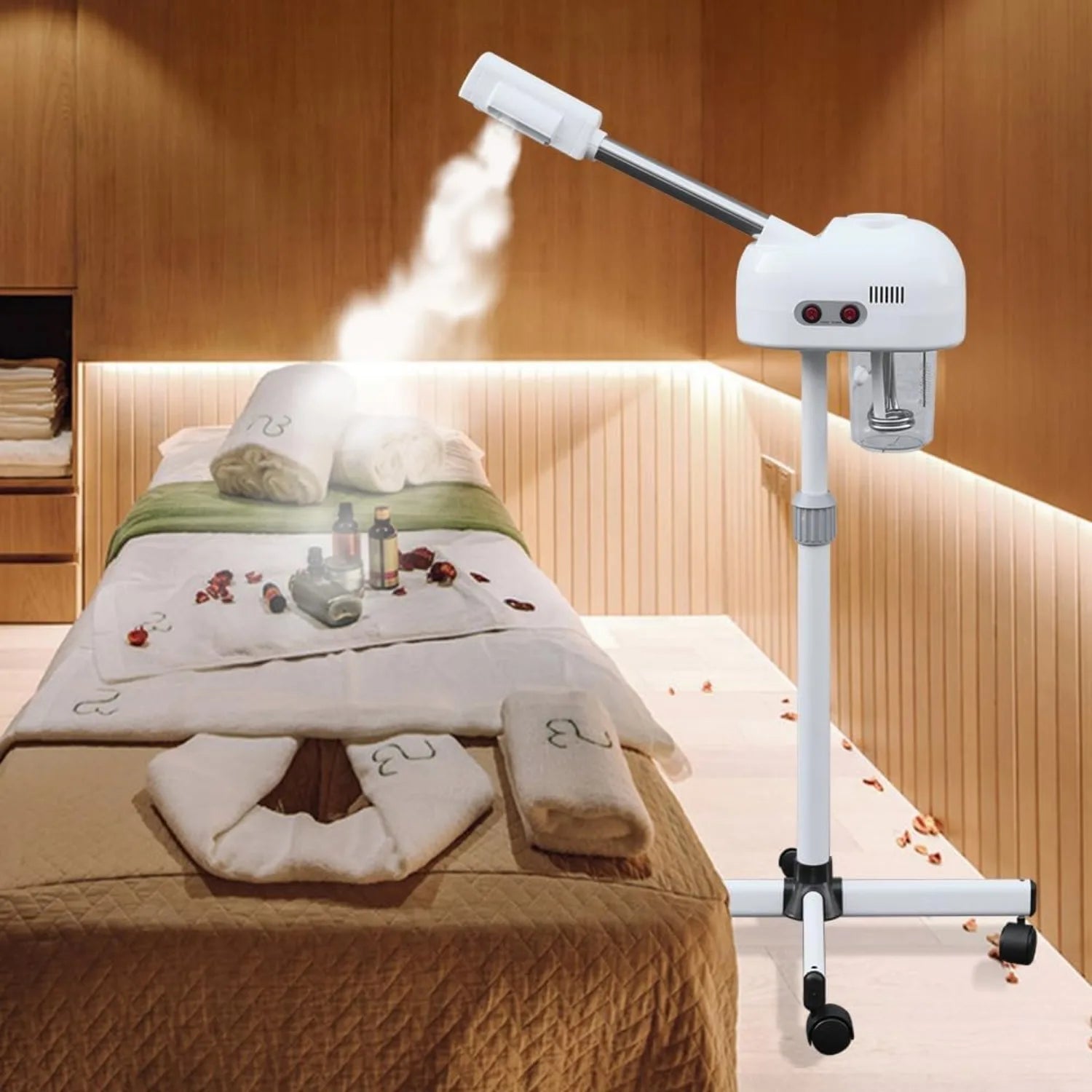
how to steam your face - KentDO 💡 Try a suitcase-friendly nan mist for travel.
How to steam your face — step-by-step (MOFU)
Ready to try it? Follow these beginner-friendly steps for a safe, effective session.
- Cleanse: Remove makeup and surface dirt with a gentle cleanser.
- Prep device: Fill the steamer with distilled or filtered water; warm up 1–2 minutes.
- Distance & timing: Keep your face ~8–12 inches from the nozzle for 5–10 minutes (shorter for sensitive skin).
- Cleansing or extraction: Gently pat dry and use a mild cleanser or extraction tools only if trained; steaming softens extractions.
- Treat & seal: Apply serums (hyaluronic acid) and moisturizer to lock in hydration.
- Frequency: 1–2 times per week for most skin types; reduce frequency for reactive skin.
Safety tips
- Always test the steam distance with your hand first — steam should feel warm, not scalding.
- Limit to 5–10 minutes per session to avoid redness or broken capillaries.
- Avoid steaming when you have active rosacea flare-ups, open wounds, or severe acne.
- Use distilled water in devices to prevent mineral buildup and bacteria growth.
Pros & Cons: Which steamer fits you
✅ Pros
| ❌ Cons
|
Device recommendations & purchase guide (BOFU)
Below are devices that fit three common beginner goals. Each entry shows where the product fits and why it’s recommended—no hard sell, just how the device matches common routines.
Best for sensitive or reactive skin
Handheld nan-mist devices (often labeled "nano") deliver ultra-fine hydration with lower heat. Short bursts (3–5 minutes) help restore moisture without a heavy thermal load—ideal if your skin flushes easily.
Best for deep-cleaning & pore care
Tabletop warm steamers and ozone-equipped steamers open pores more effectively and provide a strong, steady steam. Use sparingly—once a week—as part of a deeper cleansing routine. Consider the ozone-facial steamer model for targeted care: View ozone steamer.
Best for travel and quick refresh
Small, battery-powered mist sprayers (nan devices) are perfect for flights or quick refreshes between meetings. They won’t replace a full steam session but keep skin hydrated on the go.
Real user results & proof
Social proof matters. Here are representative, anonymized comments from users who tried beginner steam routines:
- "After two weeks of weekly steaming and gentle cleansing, my blackheads looked softer and easier to manage." — A., 29
- "I swapped to a nan mist and can use it daily for a hydration boost—no redness." — R., 34
- "Using the ozone steamer once a week with my esthetician made extractions cleaner and less painful." — M., 41
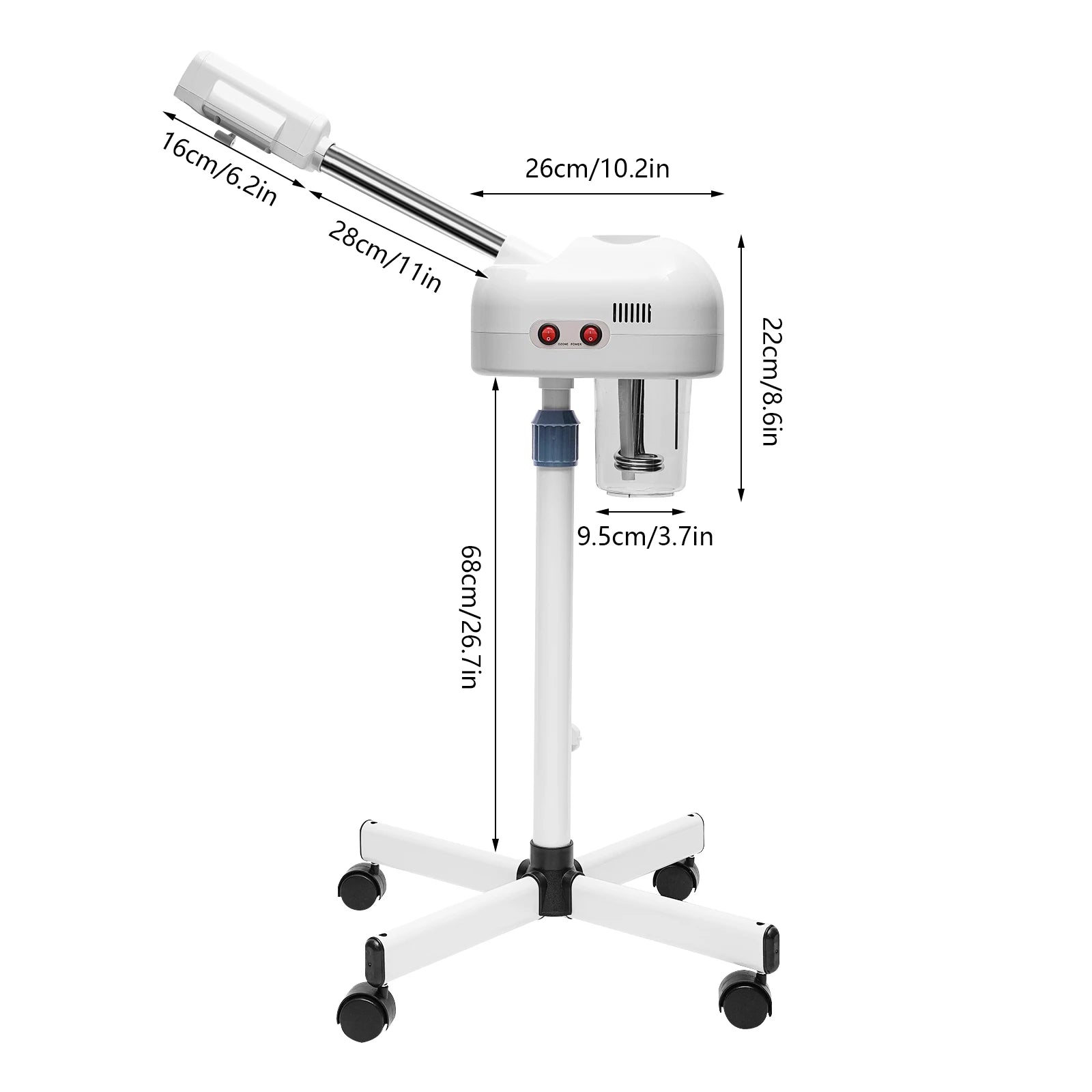
how to steam your face - KentDO 💡 Ready to upgrade your routine? 👉 Get the ozone facial steamer.
Mini FAQ
1. How often should a beginner steam their face?
For most beginners, 1–2 short sessions per week (5–10 minutes) is safe and effective. Sensitive or rosacea-prone skin should steam less—or patch-test first.
2. Does steaming cause acne?
Steaming alone doesn't cause acne. However, if you over-steam, use dirty devices, or extract without proper technique, it can aggravate inflammation. Keep sessions brief and use distilled water in devices.
3. What is "nan" in steamer listings?
"Nan" usually refers to nano-sized mist particles—ultra-fine droplets that hydrate without heavy heat. They’re ideal for quick hydration and sensitive skin, but they provide less thermal pore-opening than warm steam.
Related reading: Browse more at our Skin & Beauty Care Devices collection or check beginner-friendly tools in Body Care & Health Devices.
Pillar Article: Best Facial Steam Picks: Top Devices for Clearer, Softer Skin
Other Related Articles:
- How to Unclog Clogged Pores: Top Steamers Compared for Fast Clearing
- How to Steam the Face at Home: Best Tools for Quick Pore Relief
- Deep Cleansing Pore Treatment Devices Ranked for Real Results
- Congested Pores on Nose? Top Steamers That Actually Make a Difference
Explore More:













